Lyrid meteor shower peaks: See fireballs from space and best time to watch from India

Lyrid meteor shower peaks: The meteor shower of April is peaking at the moment. Here is how to see it, and the best place and time. Also, see a photo of the Lyrids captured from space. Lyrids occur because of the comet Thatcher.
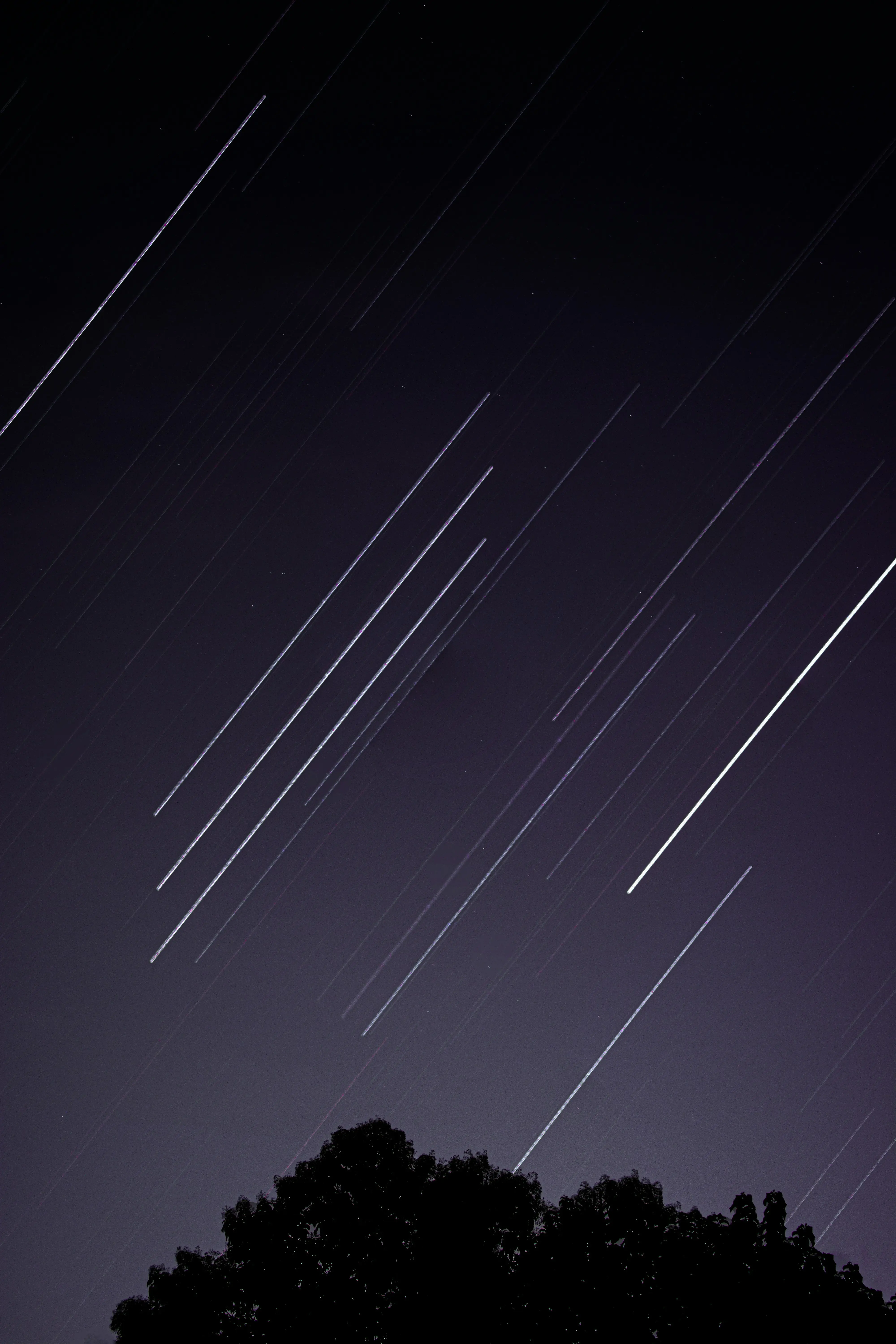
Lyrid meteor shower peaks
Skygazers are having a delightful time watching the skies as the Lyrid meteor shower is peaking at the moment. It started on April 14 and will continue till the end of the month. According to astronomers, the shower peaked on the night of April 21, although the spectacle is going to be equally delightful on the nights of April 22 and April 23. You can expect to see 15-20 meteors per hour. The skies are dark on these nights because of the crescent moon.
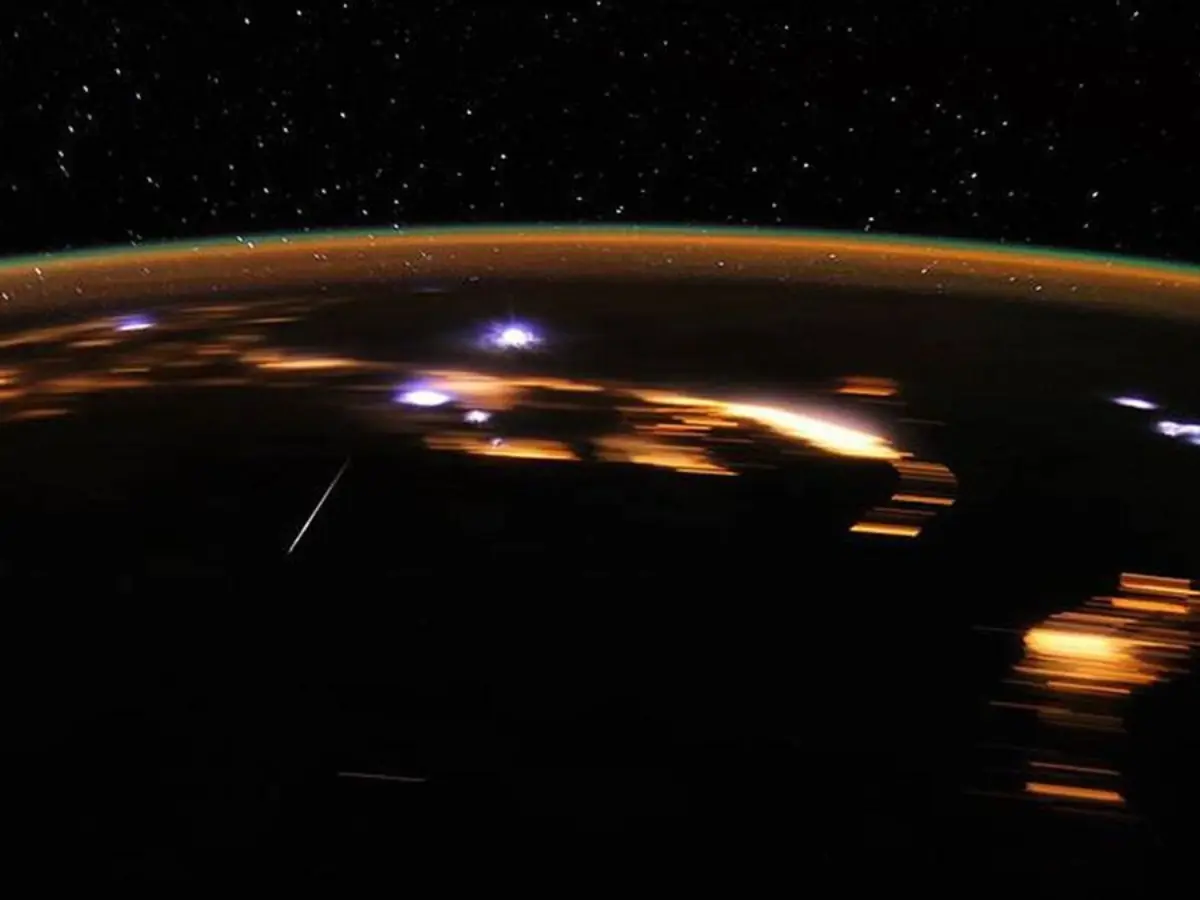
Lyrid meteor shower photo from space
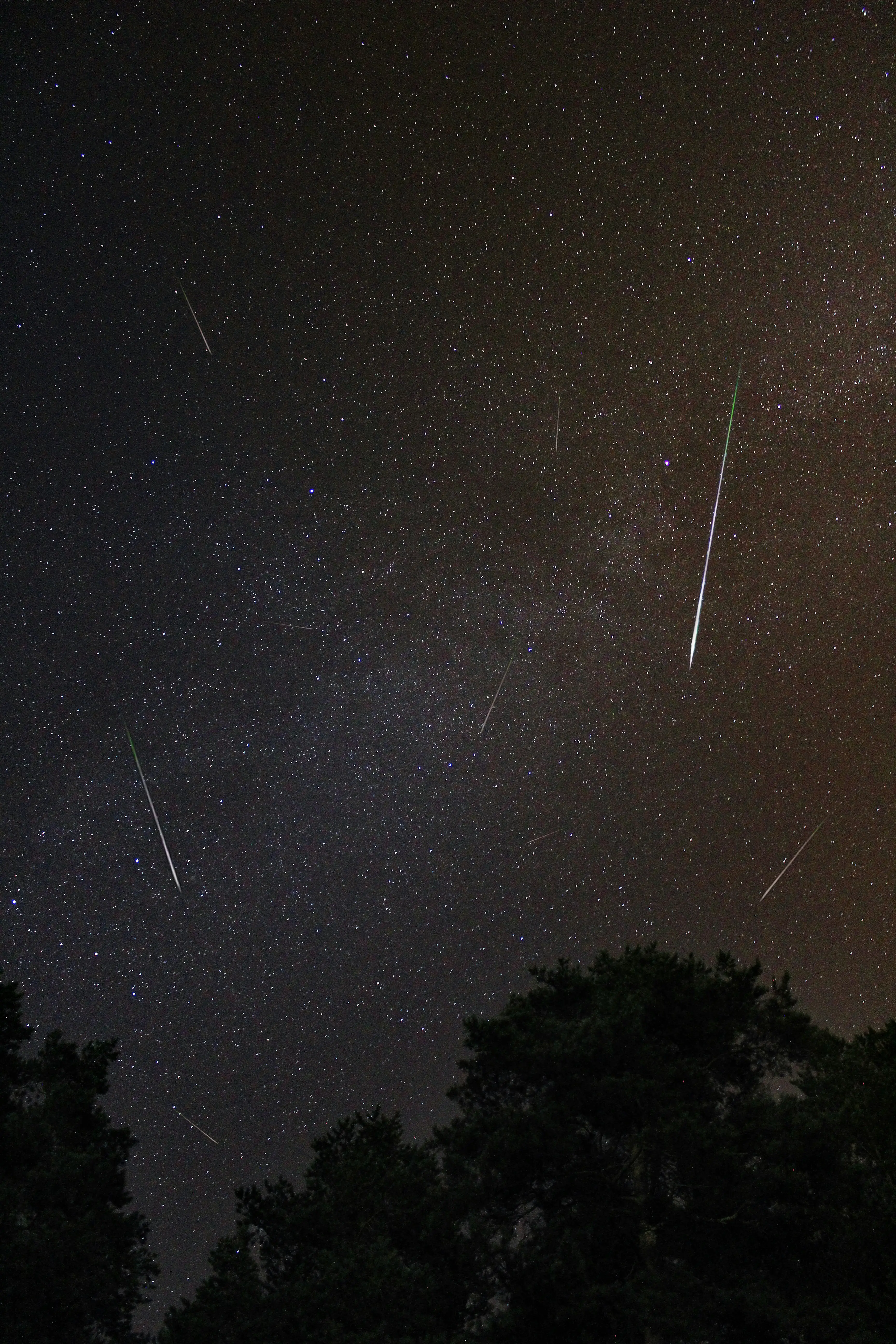
NASA shared a photo of the meteors from space and said that Lyrids do not typically have long, glowing dust trains when they streak through the skies. However, they can turn into an "occasional bright flash called a fireball." So if you see fireballs in the skies on any of the nights this month, what you are watching are the Lyrids. See NASA's photo of the Lyrid meteor shower from space here.
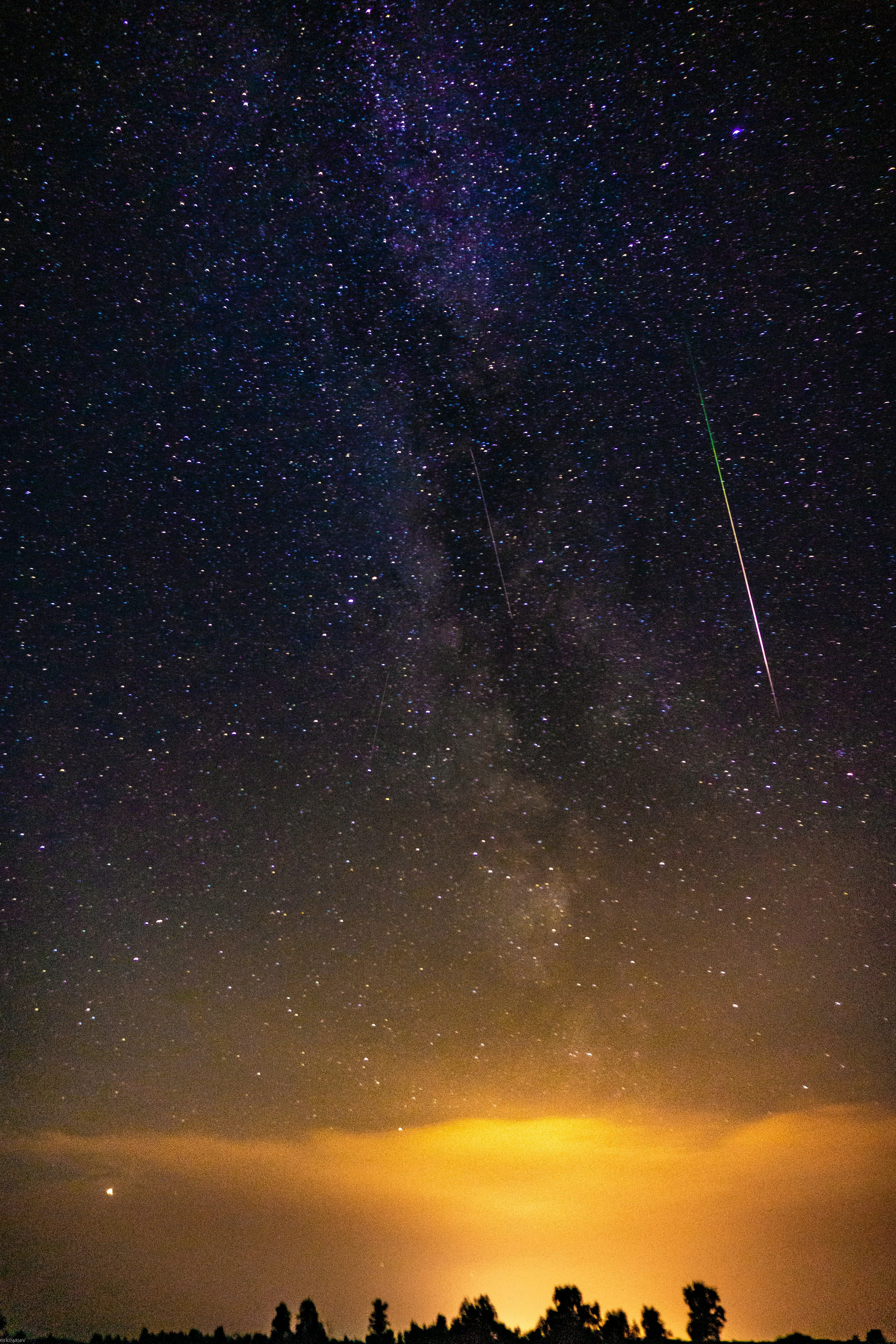
Lyrids occur from Comet Thatcher
Lyrids meteor shower occurs when Earth passes through the debris field of comet C/1861 G1 Thatcher. NASA describes them as fast and bright meteors. But they do not produce as many meteors as the Perseids that will become visible in August. As mentioned above, 15-20 meteors is the average number during its peak.
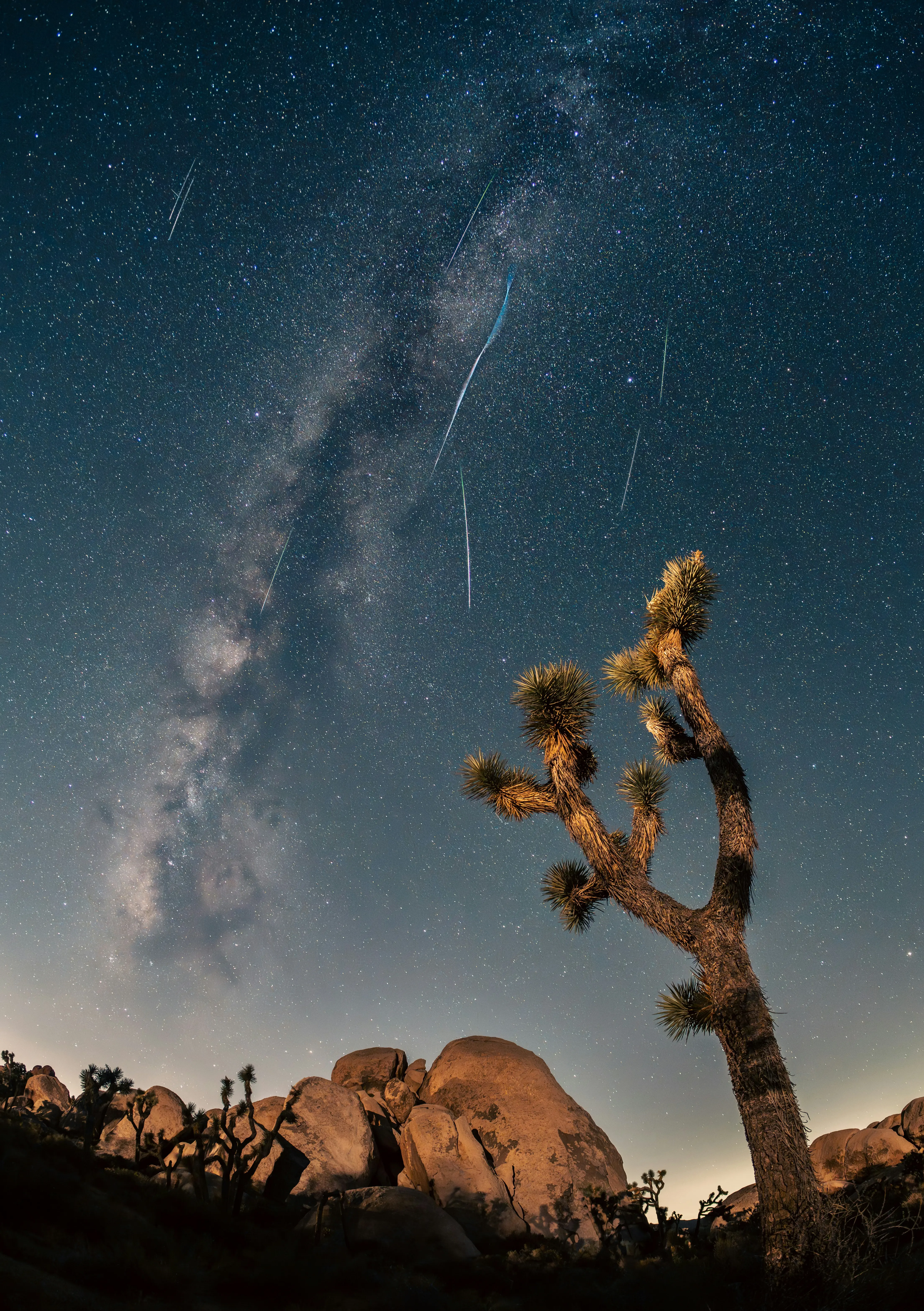
How to see Lyrid meteor shower in India
However, there have been instances when even 100 of them were visible. This happened in 1803 (Virginia), 1922 (Greece), 1945 (Japan), and 1982 (US). In India, the best time to watch them is between 12 am – 5 am IST. Best peak visibility is around 3 am – 5 am.
Best way to see the Lyrids
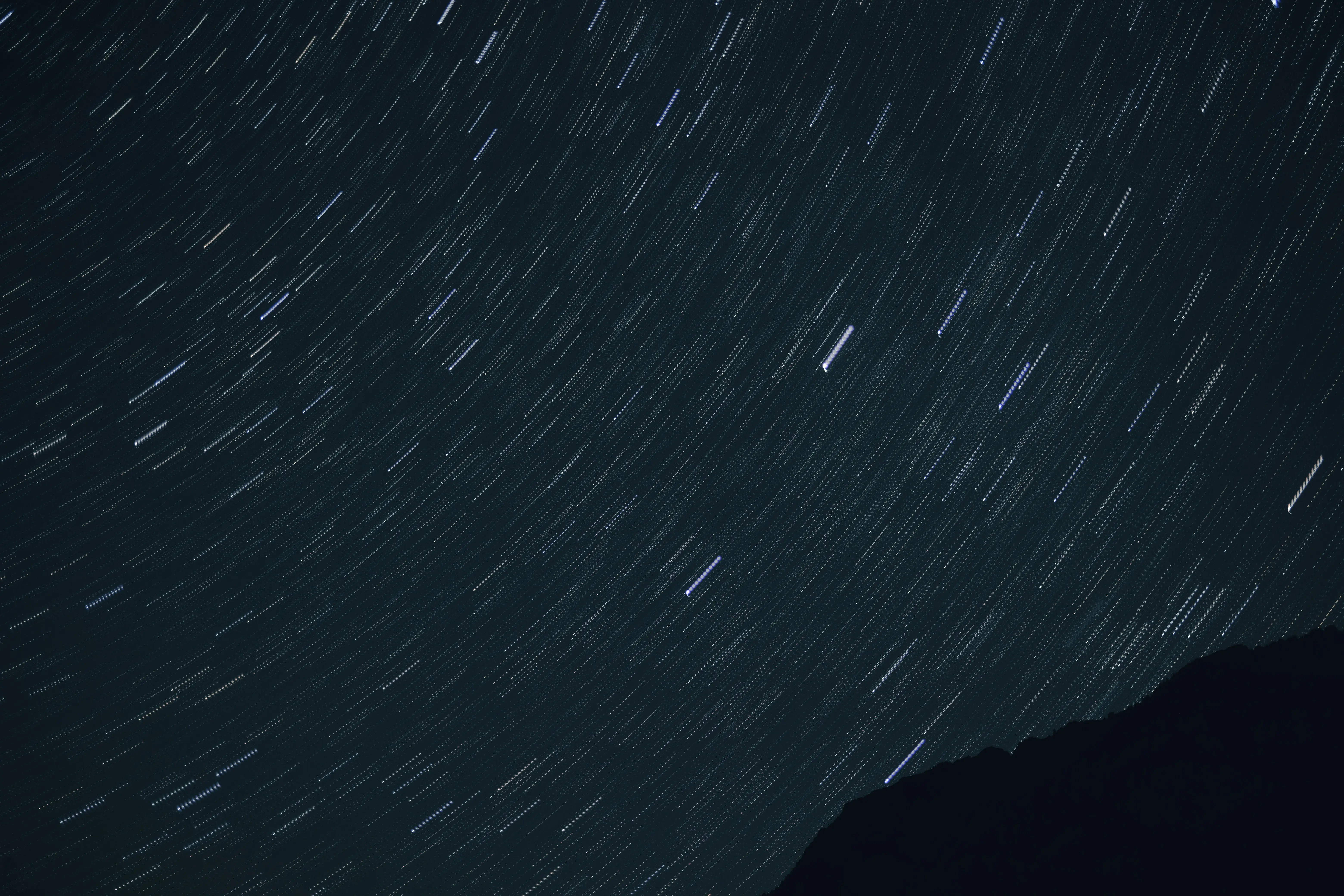
Lyrids put on the best show in the Northern Hemisphere. To ensure visibility, you need to find a dark spot away from light pollution. NASA suggests lying on your back for at least 30 minutes and looking towards the east to get accustomed to the dark sky. Once your eyes adapt to the darkness, you will start to see the meteors flashing. You can watch them all throughout the night until the Sun rises.
Lyrids and the constellation Lyra
Lyrids appear to come from near the constellation Lyra, the point which is also known as the radiant. Visually, they radiate from the area near Vega, the brightest star in this constellation. Lyrids get their name from Lyra. Do not look directly at Vega or the radiant; the meteors will appear short. Gaze at a different area to see longer meteor streaks. This happens because of an effect of perspective called foreshortening.
)
)
)
)
)