‘LPG or LNG’: Understanding safety differences and risks, which is safer?

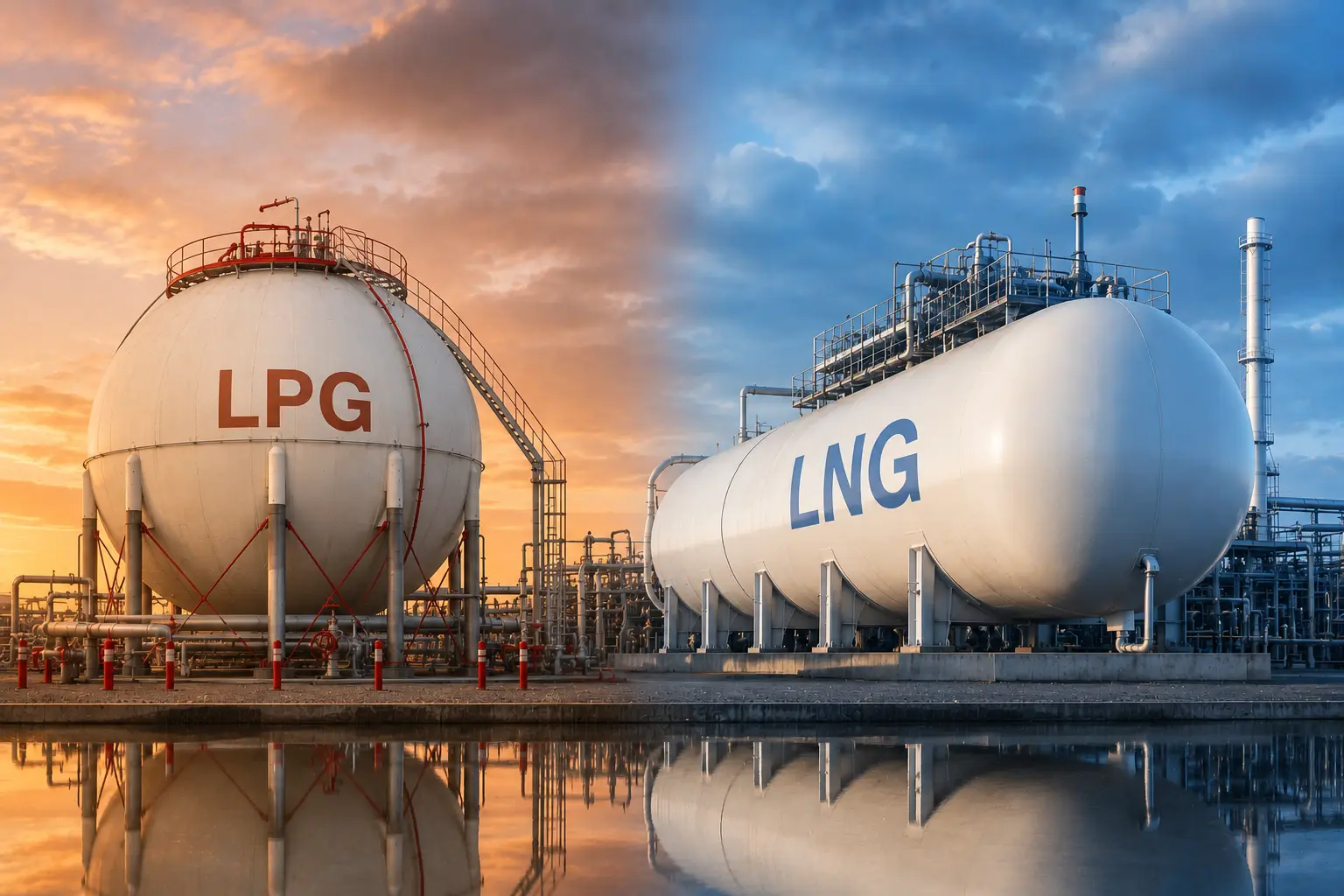
LNG is generally safer than LPG because it is lighter than air and dissipates quickly if a leak occurs. LPG is heavier, pooling on the ground and creating severe explosion risks in unventilated spaces, though it is easier to store.
Dispersion and air density
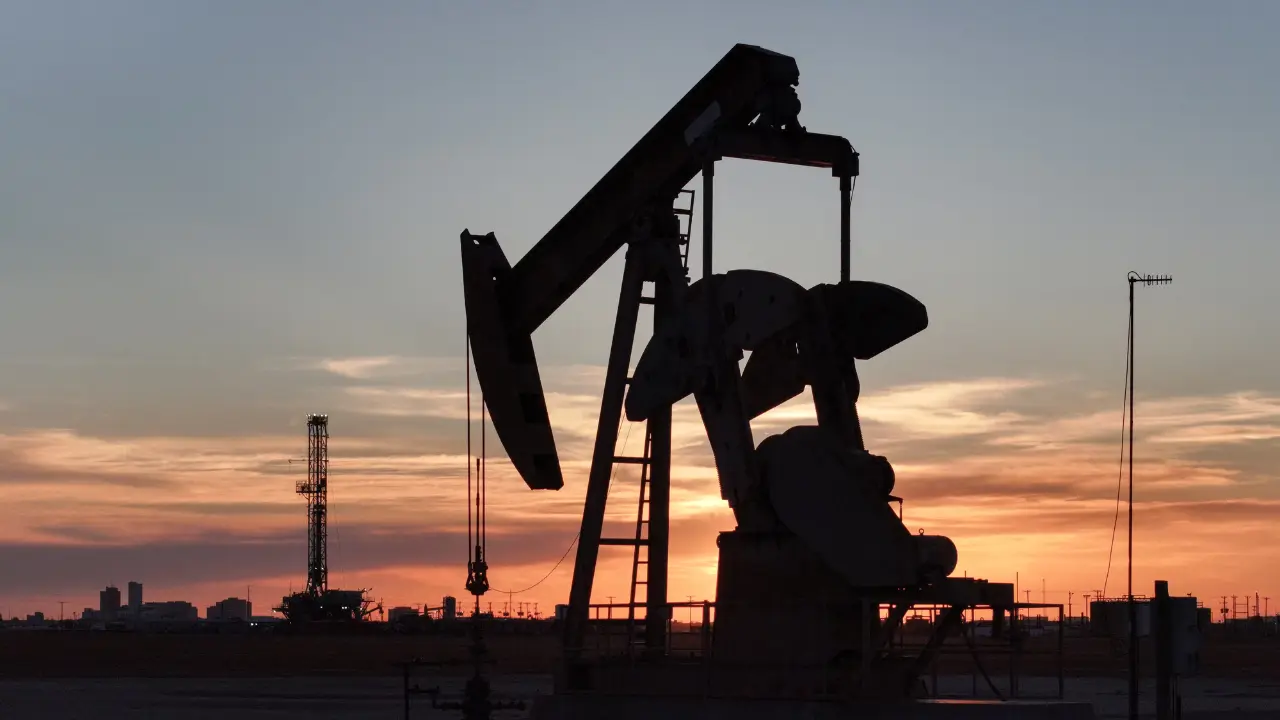
LNG is primarily methane and is significantly lighter than air, meaning it rises and dissipates rapidly during a leak. Conversely, LPG is heavier than air and sinks to the ground, where it can accumulate in low-lying areas.
The risk of explosion
Because LPG pools on the floor, any trapped gas creates a highly concentrated, invisible hazard. If a spark occurs in an unventilated area with leaked LPG, the risk of a catastrophic explosion is much higher than with LNG.

Storage and handling safety
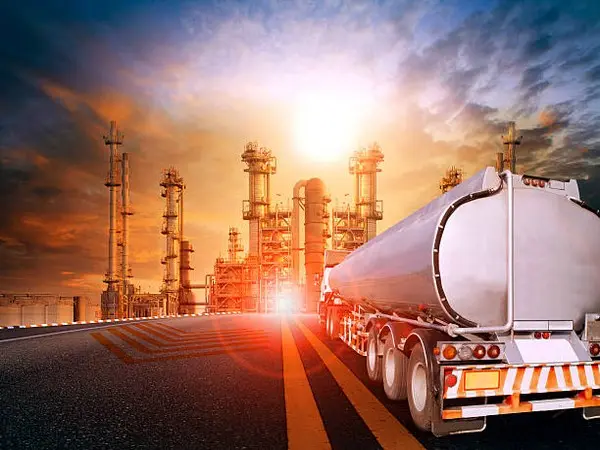
LPG is stored as a liquid under moderate pressure at room temperature in standard steel cylinders. LNG requires highly specialised cryogenic tanks because it must be kept at a freezing -162 degrees Celsius to maintain its liquid state.
The danger of cryogenic burns
While LNG's rapid dispersion makes it safer regarding explosions, its extreme cold presents a unique physical hazard. Direct skin contact with liquid LNG can instantly cause severe frostbite, tissue damage, and cryogenic freeze burns.
Overall safety
Experts generally classify LNG as the safer fuel due to its fast dispersion and lower explosion risk in open air. However, LPG remains highly popular because it is easier and significantly cheaper to store without extreme refrigeration.
)
)
)
)
)