India LPG cylinder shortage: 5 essential checks before accepting a cylinder refill

Before accepting a refill, ensure the cylinder bears authentic regulatory markings and is supplied by an authorised distributor.
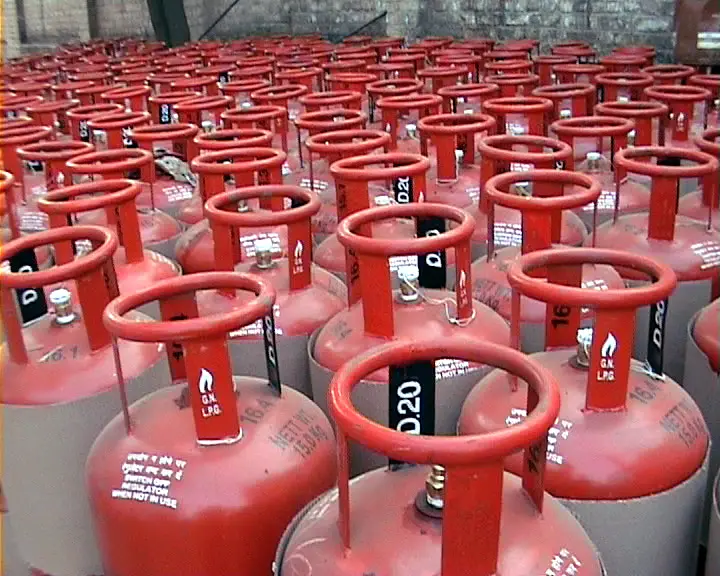
Why checks matter now
India is currently experiencing heightened concern over domestic liquefied petroleum gas (LPG) supplies as geopolitical tensions in West Asia have disrupted mainstream supply routes and created uncertainty among consumers. Cylinder booking intervals have been changed, with the minimum gap between bookings increased to 25 days in urban areas and up to 45 days in some rural areas to manage distribution and discourage hoarding. Authorities have urged consumers not to panic book and assured that deliveries are continuing as normal, but long queues and delivery delays persist in several cities. These developments make it particularly important for households to inspect every refill they receive to ensure safety and avoid potential risks.
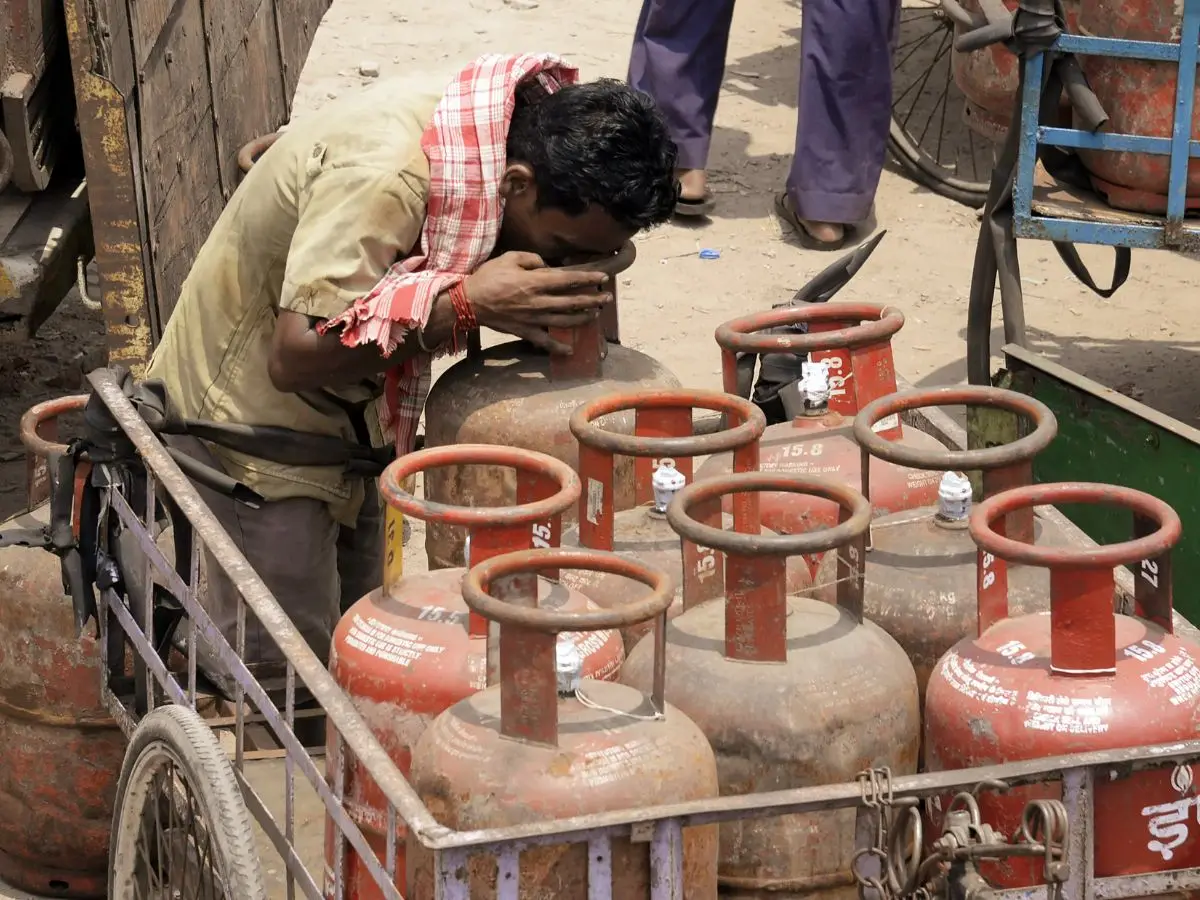
Understanding the cylinder you receive
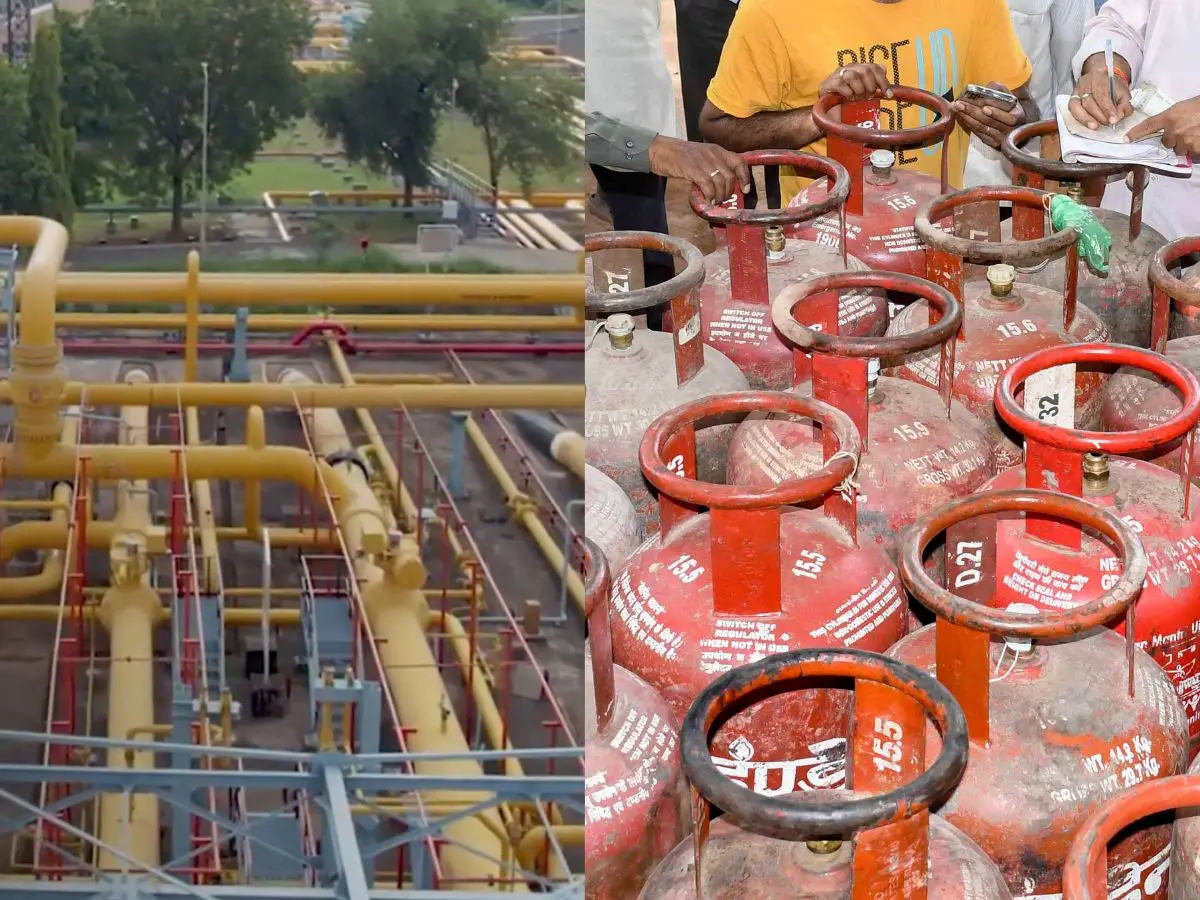
An LPG cylinder is not just a storage container; it is a pressure vessel regulated by strict safety standards. In India, domestic LPG cylinders must comply with Bureau of Indian Standards (BIS) and Petroleum and Explosives Safety Organisation (PESO) regulations, which include markings such as the BIS licence number, manufacturing date, and hydrostatic test stamps indicating safety checks and certification. These markings are essential for verifying that the cylinder meets structural and safety criteria before it is accepted into a household.
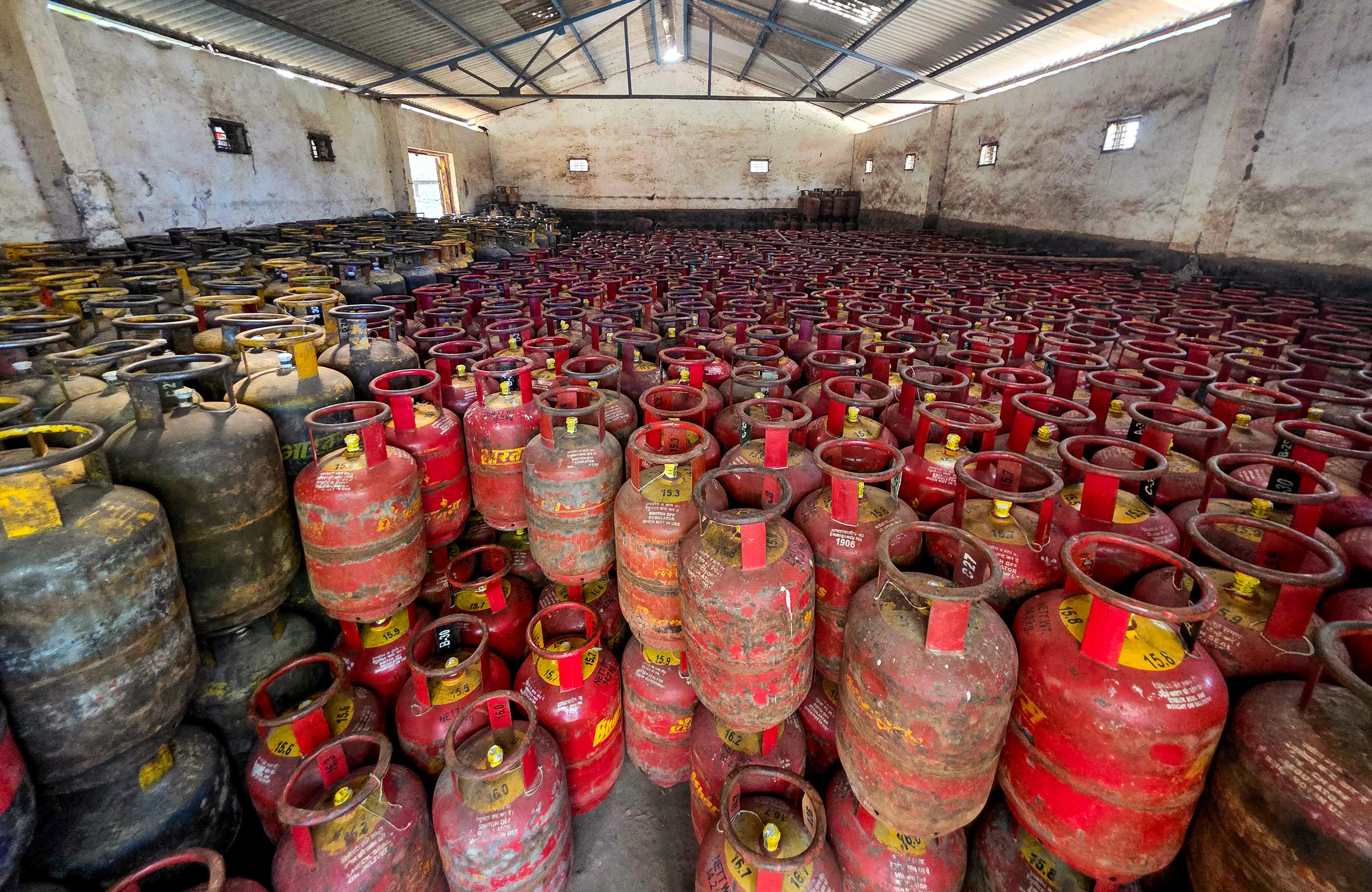
Check authorisation and certification
Before accepting a refill, ensure the cylinder bears authentic regulatory markings and is supplied by an authorised distributor. Genuine cylinders will display a clearly embossed BIS licence number and PESO registration stamp. If these are missing or appear tampered with, request a replacement. Counterfeit or uncertified cylinders may not have undergone required pressure tests and pose significant safety risks.
Inspect physical condition and dates
Check the hydrostatic test date and manufacturing date marked on the cylinder. These indicate when the cylinder was last tested for safety and when it was made, respectively. Cylinders must be periodically tested; accepting a cylinder beyond its test due date is unsafe. Also inspect the cylinder for dents, corrosion, or physical damage, which can compromise integrity under pressure.

The valve, seal and regulator are crucial safety components. Verify that the seal is intact and has not been tampered wi
The valve, seal and regulator are crucial safety components. Verify that the seal is intact and has not been tampered with, and inspect the valve for damage or unusual residue. The regulator should fit securely without forcing and match the cylinder’s connection type. Loose or damaged valves and regulators can lead to gas leaks, which are dangerous in enclosed spaces.
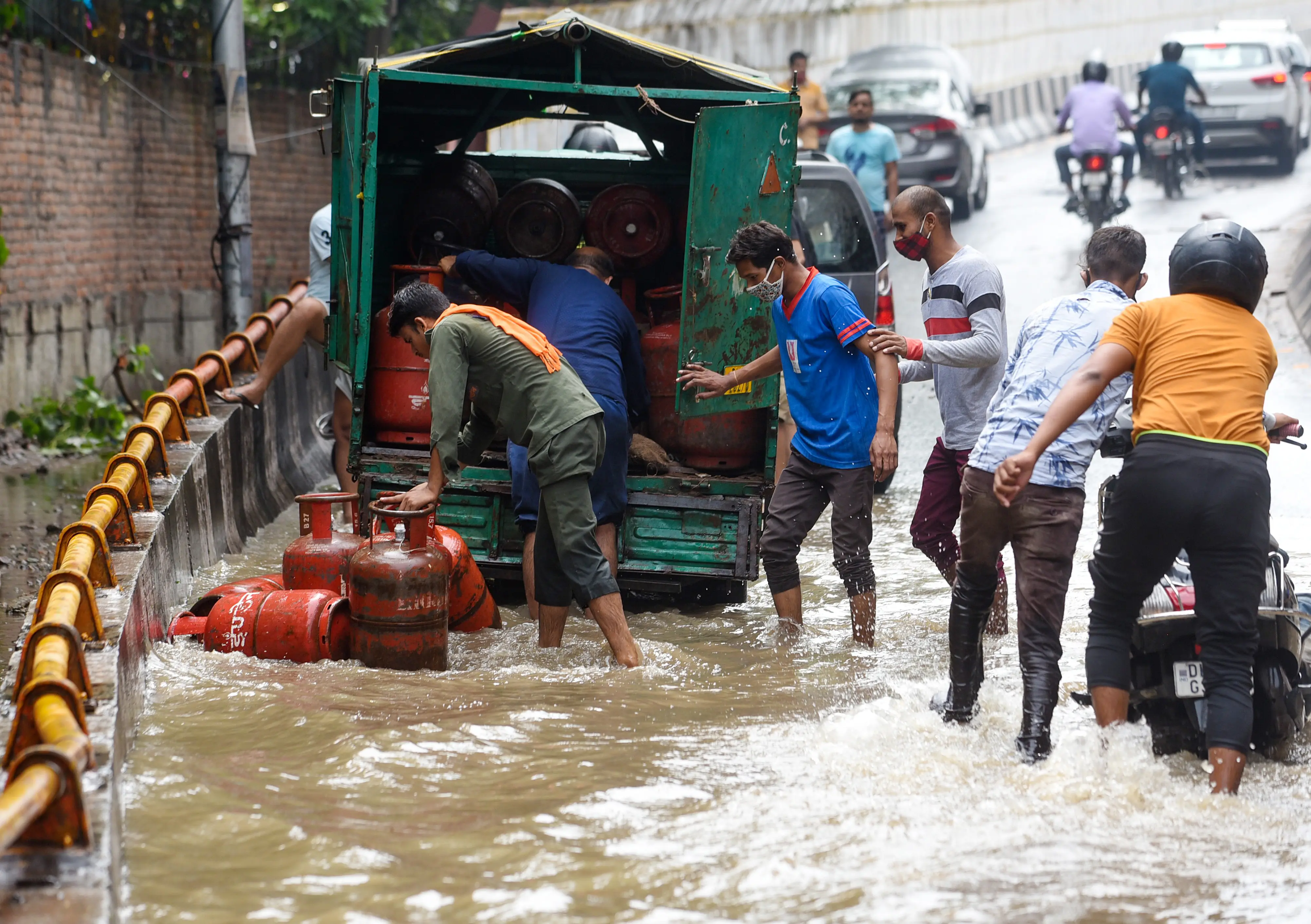
Weight and leak checks
A standard domestic cylinder contains 14.2 kg of LPG, and the gross weight (including the cylinder shell) should match expected norms when weighed. Performing a weight check in your presence helps ensure you are receiving the correct quantity of gas. Additionally, a simple leak check using soapy water around the valve and connection points can reveal any escaping gas; bubbles indicate a leak that should be addressed before acceptance.
Valve, seal and regulator
The valve, seal and regulator are crucial safety components. Verify that the seal is intact and has not been tampered with, and inspect the valve for damage or unusual residue. The regulator should fit securely without forcing and match the cylinder’s connection type. Loose or damaged valves and regulators can lead to gas leaks, which are dangerous in enclosed spaces.
Why vigilance protects households
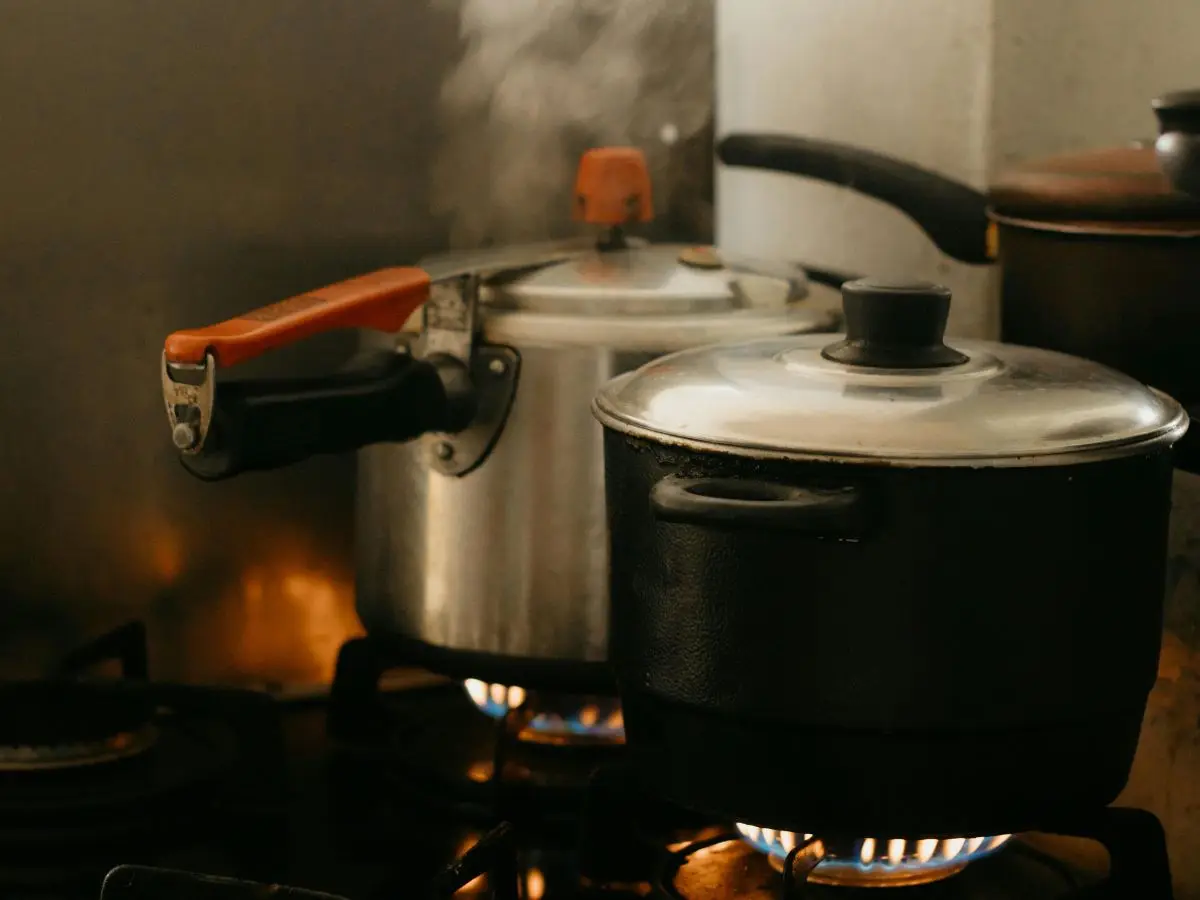
Accidents linked to LPG mishandling, including gas leaks and explosions, underline the importance of thorough checks. Incidents involving LPG cylinders in India have previously resulted in property damage and injuries, highlighting the hazards of ignoring safety standards. Regular inspection and verification of every refill helps protect families and property, especially during times when supply chains and delivery processes are under stress.
)

)
)
)