Loyal wingman and the future of UAVs: Why fighter jets may never fly alone again

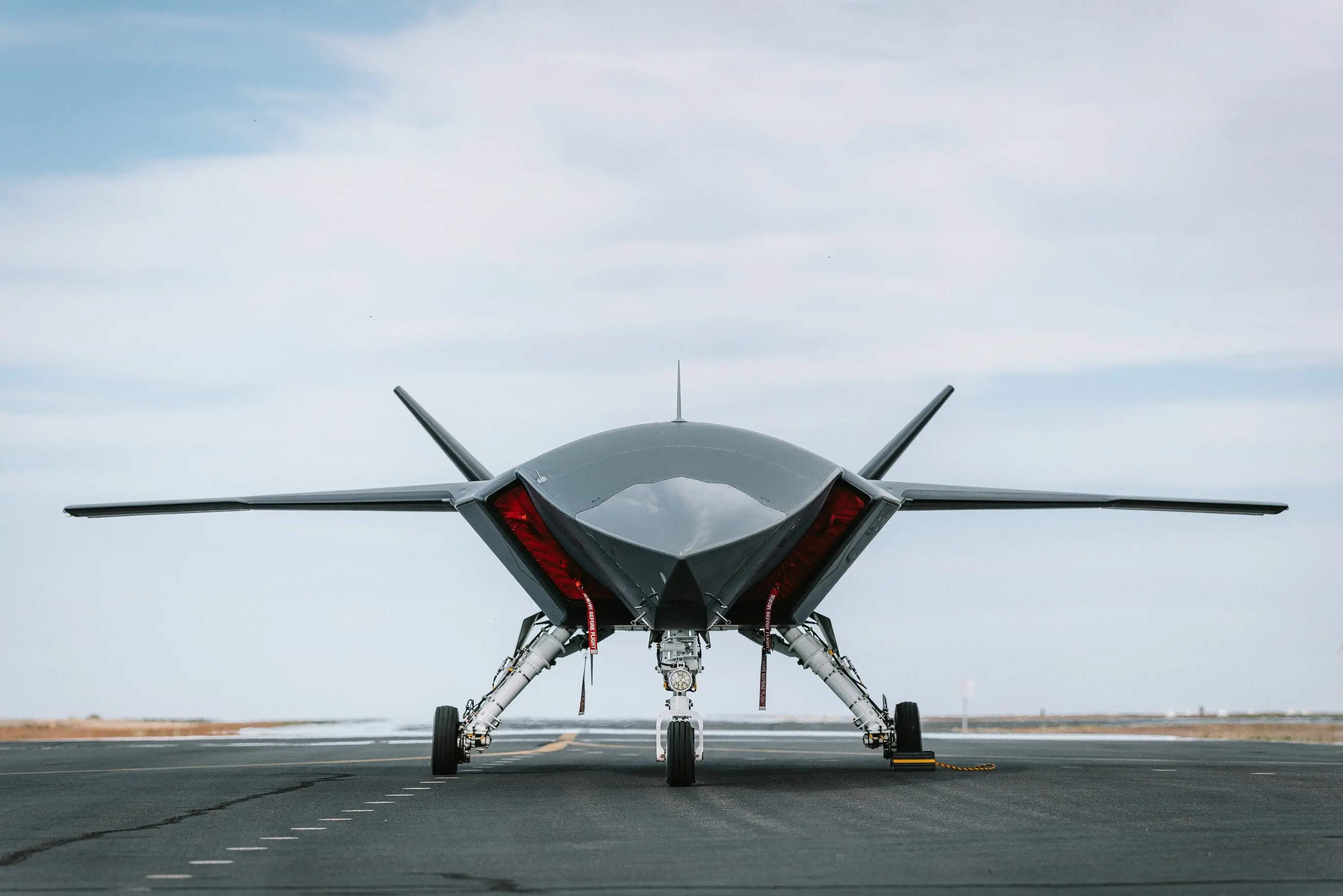
A loyal wingman is an unmanned combat aerial vehicle (UCAV) designed to operate alongside manned fighters, either autonomously or semi-autonomously.
A New Era in Air Combat
The age of lone fighter jets dominating the skies seems to be drawing to a close. Modern air combat is increasingly defined by the integration of unmanned systems that can accompany and support manned aircraft. These ‘loyal wingman’ drones are designed to extend the reach, survivability, and enhance the situational awareness of their human counterparts, thus creating a collaborative combat ecosystem that challenges traditional notions of air superiority.
Defining the Loyal Wingman
A loyal wingman is an unmanned combat aerial vehicle (UCAV) that is designed to operate alongside manned fighters, either autonomously or semi-autonomously. These drones can undertake reconnaissance, electronic warfare, or even offensive strikes, reducing risk to pilots while also enhancing the flexibility of the mission. Unlike the conventional drones in service, the loyal wingmen are built to match the pace and tactics of frontline fighters.
Global Programmes Leading the Charge
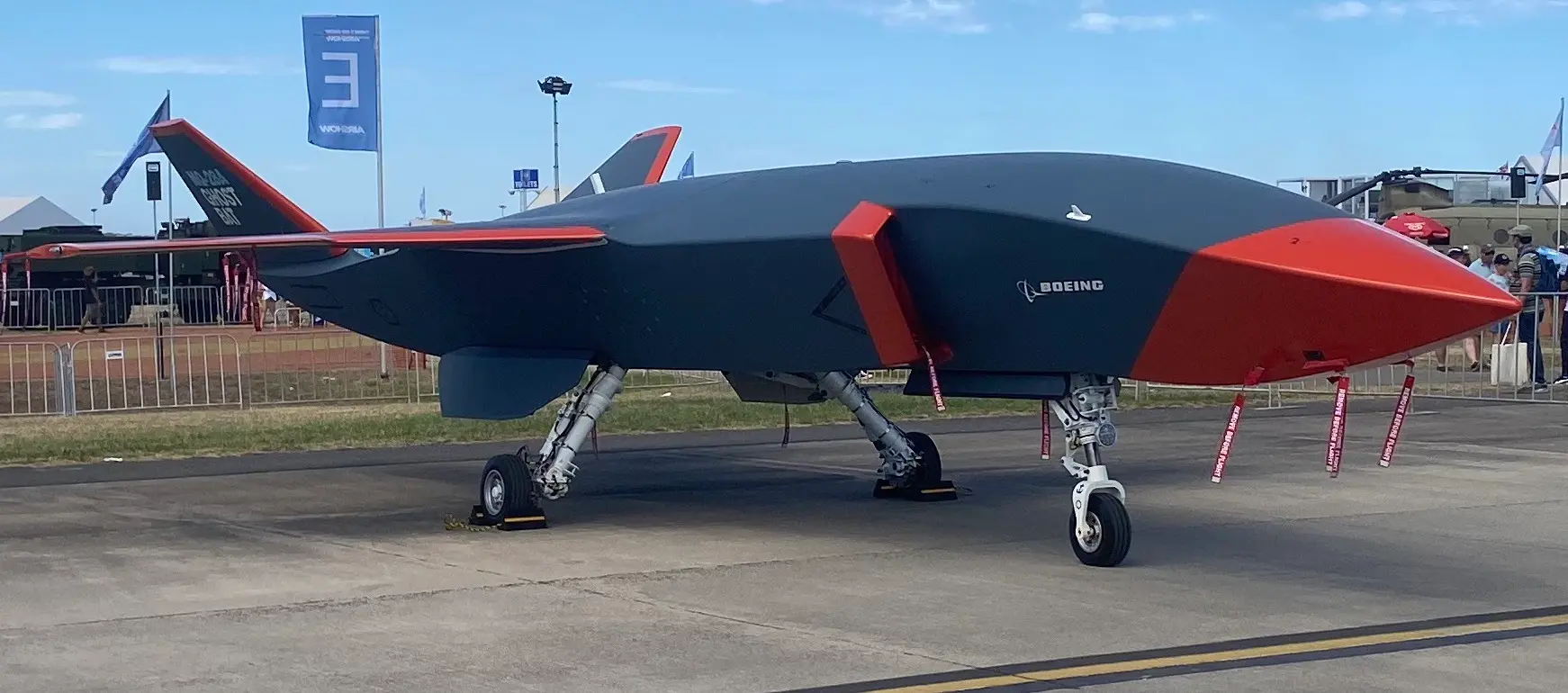
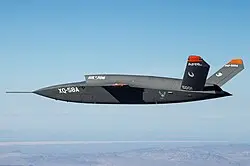
Several countries are advancing manned–unmanned teaming programmes. In the United States, the US Air Force Research Laboratory’s Skyborg programme focuses on autonomy and mission systems that allow uncrewed aircraft to operate alongside manned fighters in contested airspace. One platform linked to this effort is the Kratos XQ-58A Valkyrie, a low-cost unmanned combat aerial vehicle designed to support aircraft such as the F-22 and F-35. Australia’s Boeing MQ-28 Ghost Bat, developed for the Royal Australian Air Force, is designed to fly in formation with crewed aircraft.
India's CATS Warrior
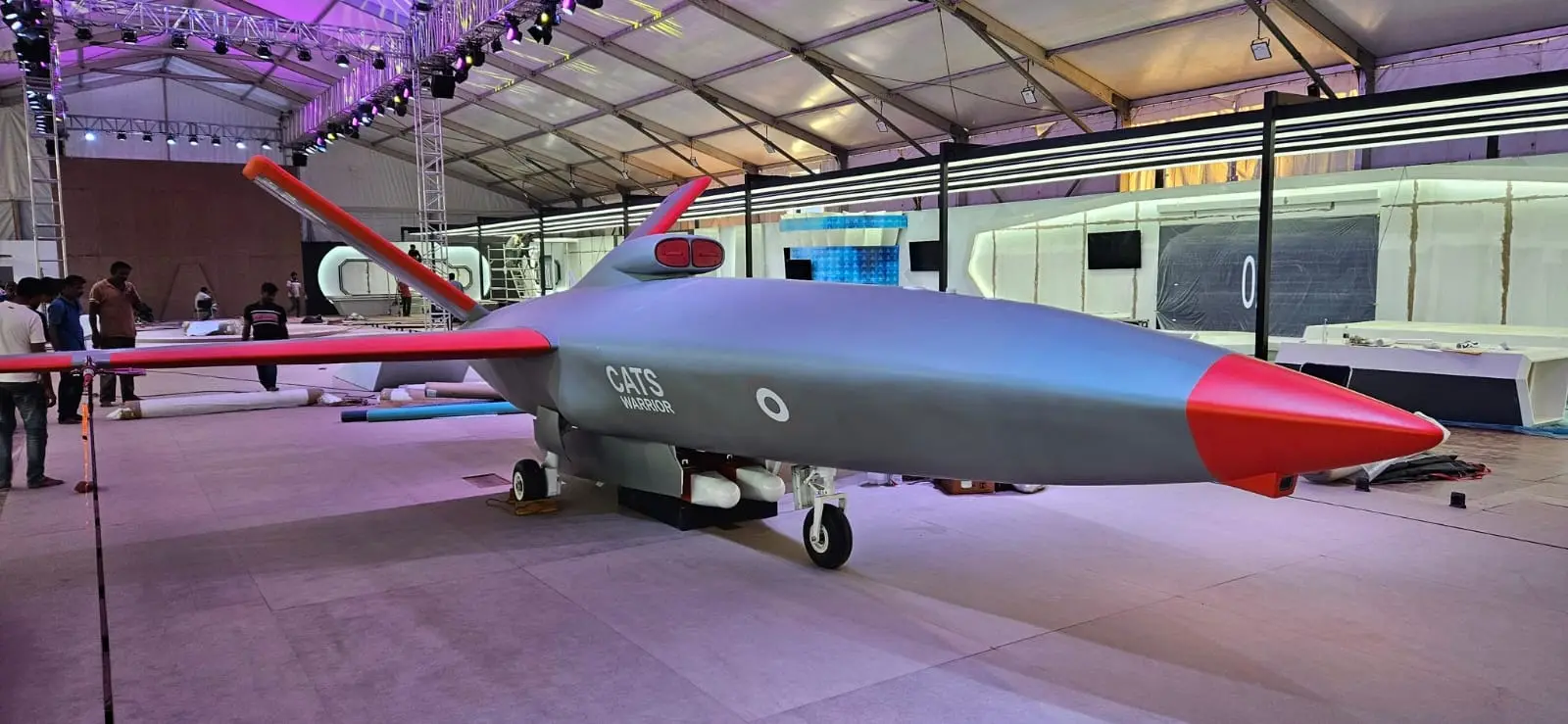
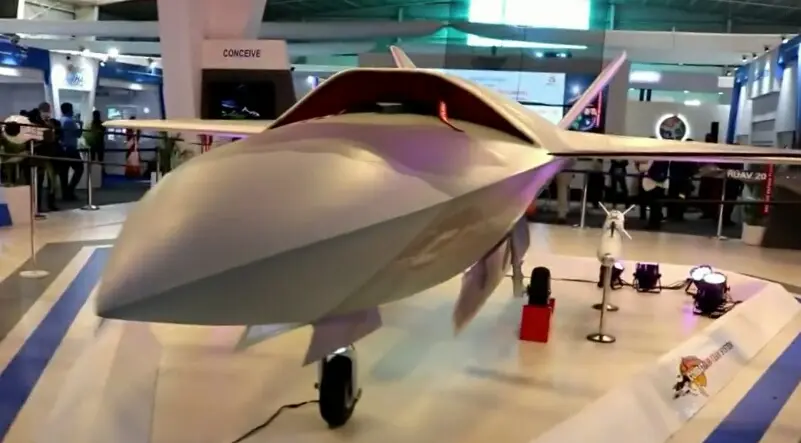
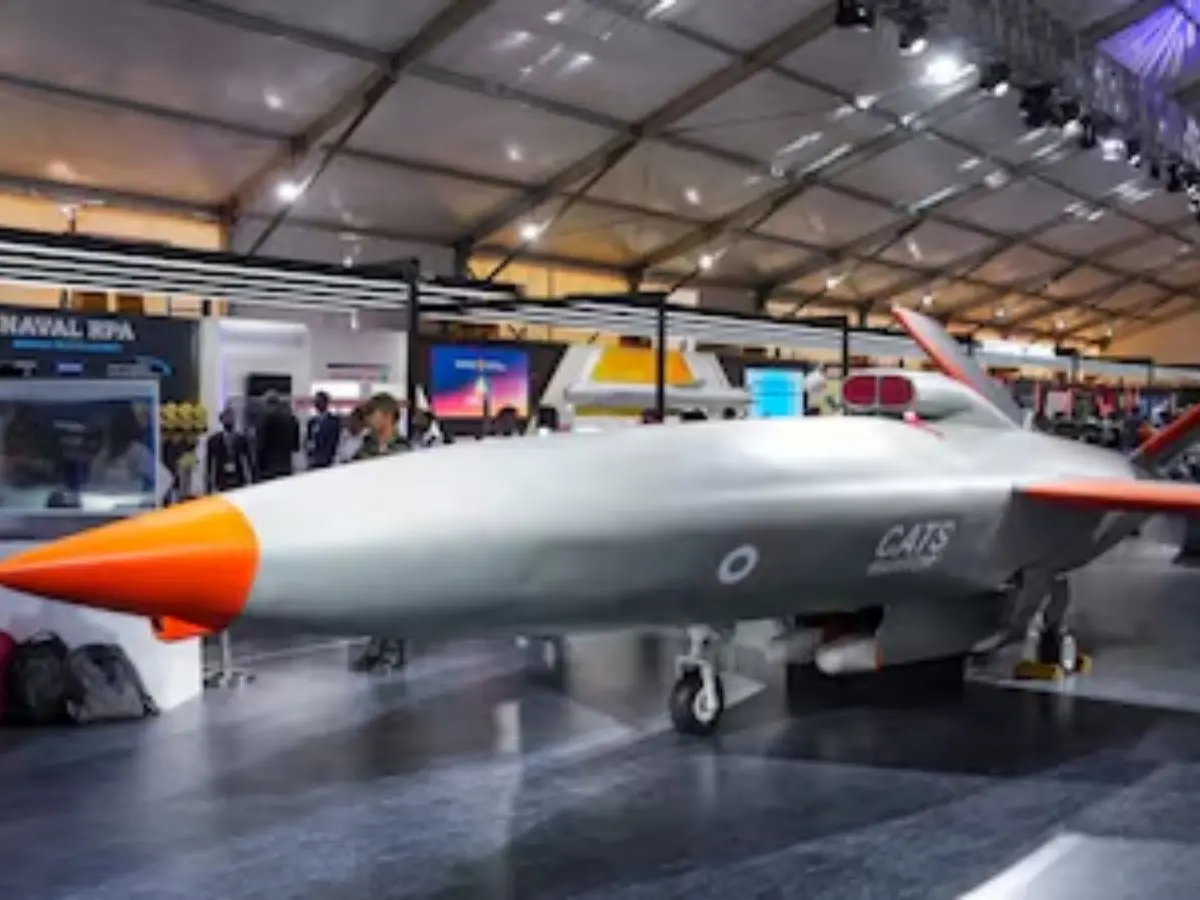
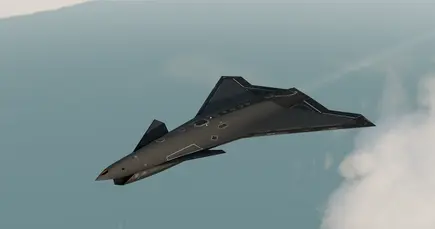
In India, Hindustan Aeronautics Limited’s CATS Warrior is under development as a loyal wingman designed to operate alongside Indian Air Force fighters. The full scale model of the unmanned combat aircraft was recently displayed at Aero India 2025, it is intended to support platforms such as the Tejas, Su-30MKI, and the future Advanced Medium Combat Aircraft (AMCA).
Operational Capabilities
These drones offer a variety of operational advantages. They can perform intelligence, surveillance, and reconnaissance (ISR) missions in high-threat zones, act as decoys to draw enemy fire, or deliver precision strikes with minimal risk to human pilots. Their open-architecture systems further allows them to seamlessly communicate with manned aircraft. this feature helps in enabling coordinated attacks and adaptive responses to dynamic combat conditions.
Technological Foundations
Advances in AI, autonomous navigation, secure communications, and sensor fusion underpin these systems. The MQ-28, for example, employs adaptive teaming software, allowing it to dynamically switch roles mid-mission. Valkyrie’s open architecture has demonstrated integration with both F-22 and F-35 platforms, showing that loyal wingmen can play an important role as force multipliers in contested environments.
Strategic Implications
The introduction of loyal wingmen is set to reshape aerial tactics. Pilots can now operate as part of a distributed network, managing multiple assets simultaneously. This could reduce vulnerability to advanced radar and missile systems, challenges conventional stealth reliance, and allows militaries to project airpower more efficiently. When the sixth-generation fighters enter service, loyal wingmen will prove to be integral to mission success.
)
)
)
)
)