Lost tech or lost interest? The truth behind why humans haven't returned to the Moon

Why did humans stop going to the Moon after the Apollo missions ended? NASA did the unthinkable by putting not one, but 12 men on the Moon. However, in 1972, it ended the mission, and it was never revived until the Artemis mission. Why?
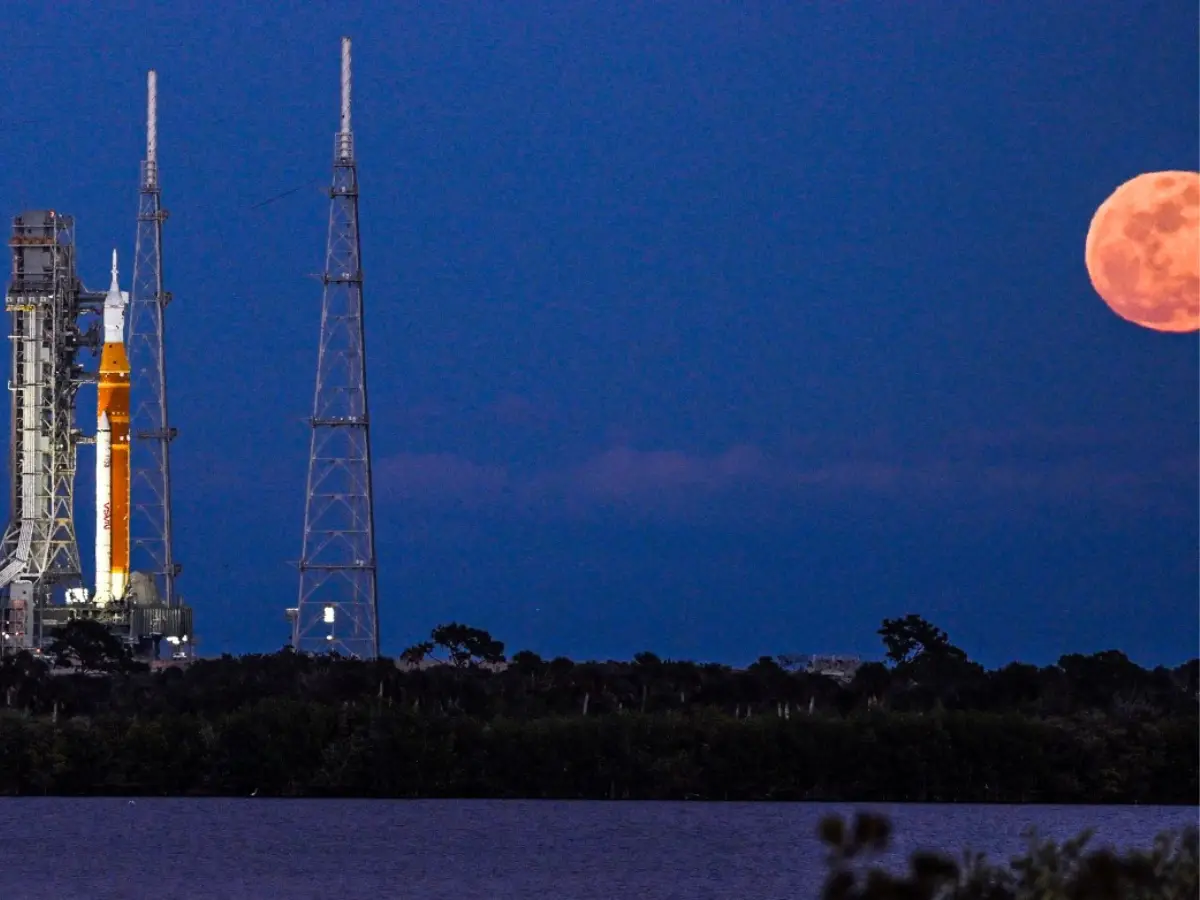
Apollo mission took 12 humans to the moon
NASA is once again working to put humans on the Moon. The last time this happened was in 1972, when the Apollo mission ended. Between 1969 and 1972, the Apollo program sent 12 astronauts to the lunar surface. So why wasn't it done again? Why did the moon missions stop, and why have humans never returned to the Moon? Over the years, these questions have given rise to conspiracy theories, that the moon landings were faked. Why else would we not go back?
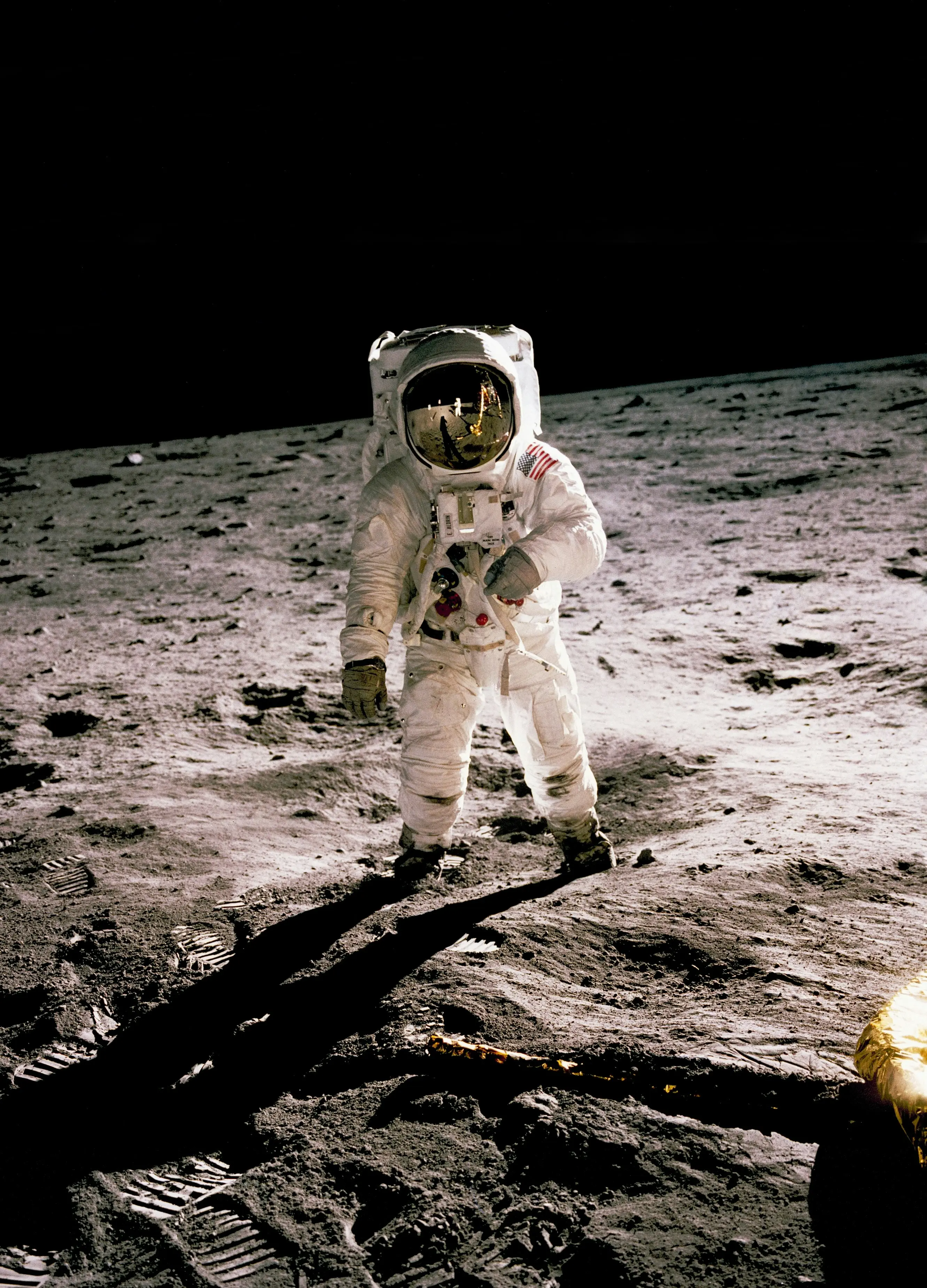
Political shift after US beat Soviet Union in space race
However, there are several factors that led to the Moon being sidelined from space missions. One of the biggest ones is the shifting political will. With the Apollo missions, the United States wanted to show its scientific supremacy over the Soviet Union. It was like a Cold War weapon, just based on science. The goal was achieved, and so the government saw no need to spend billions of dollars of taxpayers' money on repetitive missions. Besides, by the early 1970s, the US had to deal with the Vietnam War and internal social issues.

Staggering Costs of Apollo mission
According to records, the Apollo program cost roughly $25.8 billion at the time. In today's terms, that amount translates to over $260 billion. That's a lot of money, and NASA could not spend such a huge chunk on just the Moon when it had other things to deal with. NASA’s budget was nearly 4.5 per cent of the total federal budget at one time. But it started falling, and today, it sits at less than 0.5 per cent.

Change in focus - From deep space to low-Earth orbit
After humans landed on the Moon, and that too for nearly four years, NASA started to think about other projects. It had to decide on more such exploration as compared to establishing a human presence in orbit. The space agency shifted its focus from deep space exploration to establishing a permanent presence in space. So the Space Shuttle was designed - it was reusable and could take frequent trips to space, although each of them proved pretty expensive. NASA moved to placing a space station in Earth's orbit and more satellites.

The loss of infrastructure
People often say that humans lost the technology to return to the Moon. However, what they really lost was the industrial capacity to do so. Sending humans to the Moon required massive rockets, like Saturn V, the rocket used for Apollo missions. The humongous rocket was no longer being manufactured. The specialised factories making them were dismantled. The engineers who built Apollo also retired, and their hands-on expertise wasn't passed down because there were no new lunar missions to work on.

Safety issues - Risk vs Reward
Even though 12 men landed on the Moon over four years, the Apollo missions weren't exactly fool proof in terms of safety. Experts say they were incredibly dangerous, and the level of risk the Apollo astronauts took would never be approved today. So scientists started working on safer ways to send humans to the Moon, leading to the birth of Artemis.
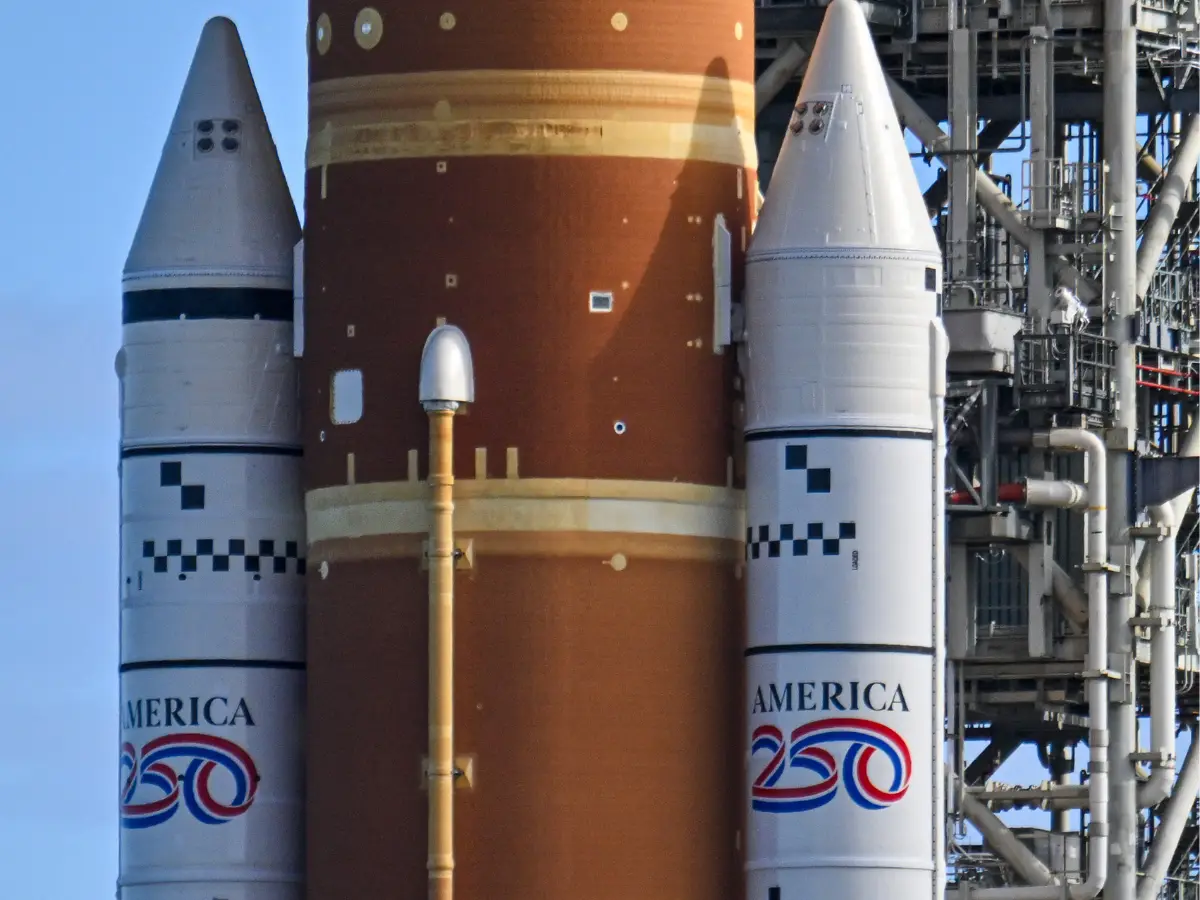
Artemis moon missions
The new mission needs to be sustainable and help support longer stays. Artemis 2 is scheduled to take off on February 8, with several more dates also lined up in case of a problem. This would be the first time since the Apollo missions that humans would leave Earth's orbit. A crew of four astronauts will fly over the moon (not enter orbit), and return, checking all safety support systems.
)
)
)
)
)