West Bengal election result 2026: Longest-serving Chief Ministers in state's history

As West Bengal's election heads to a crunch result, we look at Jyoti Basu’s 23-year rule to Mamata Banerjee’s rise, exploring the longest-serving Chief Ministers of West Bengal and their political legacy.
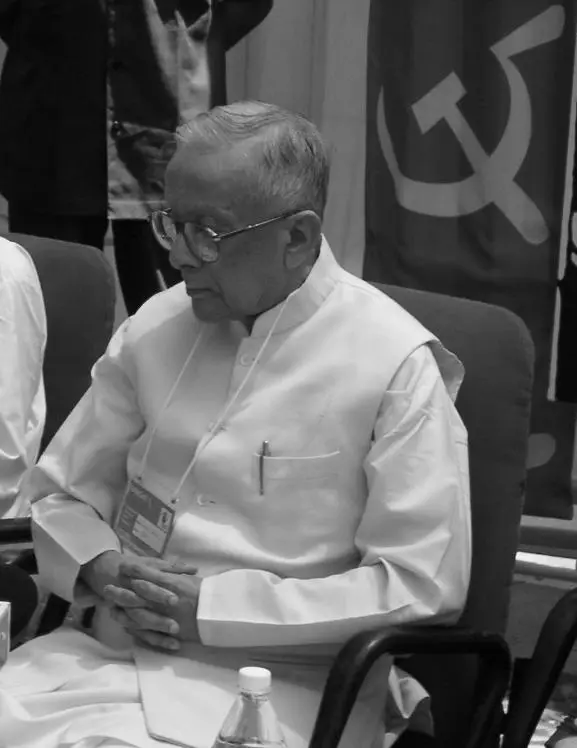
Jyoti Basu- 23 years, 137 days, (1977–2000)
Jyoti Basu is arguably the most famous communist leader of India. He served for an unprecedented 23 consecutive years as the chief minister of West Bengal. He was offered the Prime Ministership of the country in 1996 by the United Front coalition, which the CPIM party vetoed, with leaders like Prakash Karat opposing it, arguing that as a minority partner with only 32 MPs, the Left would fail to implement its programme. A decision which Basu later framed as “historic blunder”. Jyoti Basu was often branded as a centrist by the radical hardliners within the Politbureau; this was evident in his land reform “Operation Barga” executed through administrative channels, rather than with revolutions as aspired by radical communists. He was educated in Britain and derived communism from the pragmatic socialism of England and Western Europe, specifically, the Communist Party of Great Britain (CPGB). They were disconnected or less bothered by the Cultural Revolution of Mao in China. He famously rejected Naxalite leader Charu Majumdhar when she suggested an alliance/subordination of Chinese Maoism. This friction eventually split the parliamentary pragmatists (CPI-M) and the revolutionary Maoists (Naxalites). For all its stability, historians suggest that this parliamentary pragmatism was wishful and elitist on occasion. It clearly overlooked the peasant uprisings like Tebhaga and Telangana, which indicated the revolutionary potential of a profound rural awakening. Nonetheless, he proved that a Communist government could survive and thrive within a federal, democratic framework for over two decades, and even at the end of his rule, he started courting private capital. Analysts and historians suggest that whatever unfolded in West Bengal after CPI-M, the emergence of far-right TMC and the inroads of BJP is Basu's legacy. He sought to stabilise power instead of radical transformation, which allowed CPI-M to rule Bengal for 34 years, but let the revolutionary potential be hijacked by Bengali and Hindu culture warriors.
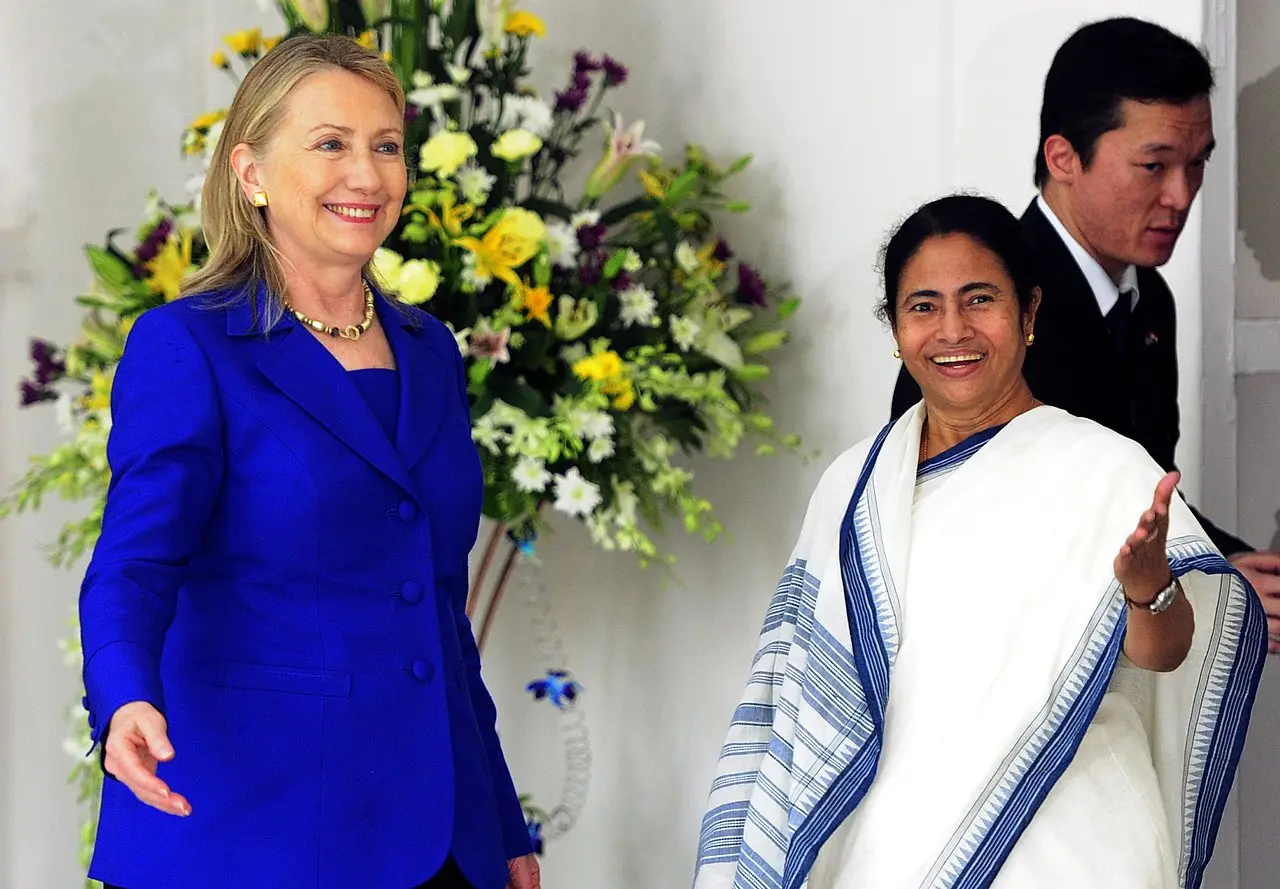
Mamata Banarjee - 14 years, 344 days, (2011– Present)
Mamta Banerjee emerged in West Bengal as an antithesis to Basu. While Basu represented the establishment, the institutionalisation of the revolutionary potential, Mamata positioned herself as the street fighter. She became the “Giant Killer” after defeating veteran communist leader Somnath Chatterjee in 1984 from Jadhavpur. Then she led her coalition to victory and became Chief Minister of West Bengal after defeating Buddhadeb Bhattacharjee in 2011. Mamata exemplified the ground-based cadre system of CPIM, the tool which had been key to her electoral success against the BJP's crusade. However, unlike her predecessor, she was less ideological, more of a cultural warrior. She tried to industrialise West Bengal, after famously driving the Tata Nano project out of Singur, and her later years as Chief Minister, aggressively pitching West Bengal as a global business destination. She pivoted the state towards IT and Logistics with projects like Silicon Valley Hub in Rajarhat and the Tajpur Deep Sea port. She is now contesting for her 4th term in the 2026 West Bengal Assembly election.
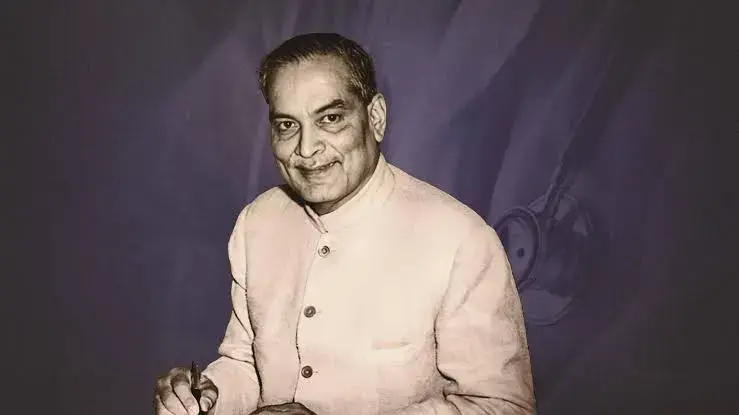
Dr Bidhan Chandra Roy -14 years, 159 days, (1948-1962)
Roy became the Chief Minister of West Bengal in 1948 when Bengal was torn with communal violence, unemployment, and a shortage of food due to the colonial drain of resources during World War II. He was a Gandhi loyalist and was pushed to the position by the Congress party. He played a key role in establishing the Indian Medical Association in 1928 and the Medical Council of India, where he served as the first president from 1939 to 1945. He was also part of the 22-member committee that planned to start a technical education institution in India and West Bengal, which had the largest concentration of industries in India at that time. Roy was awarded the Bharat Ratna in 1961, just before his death.
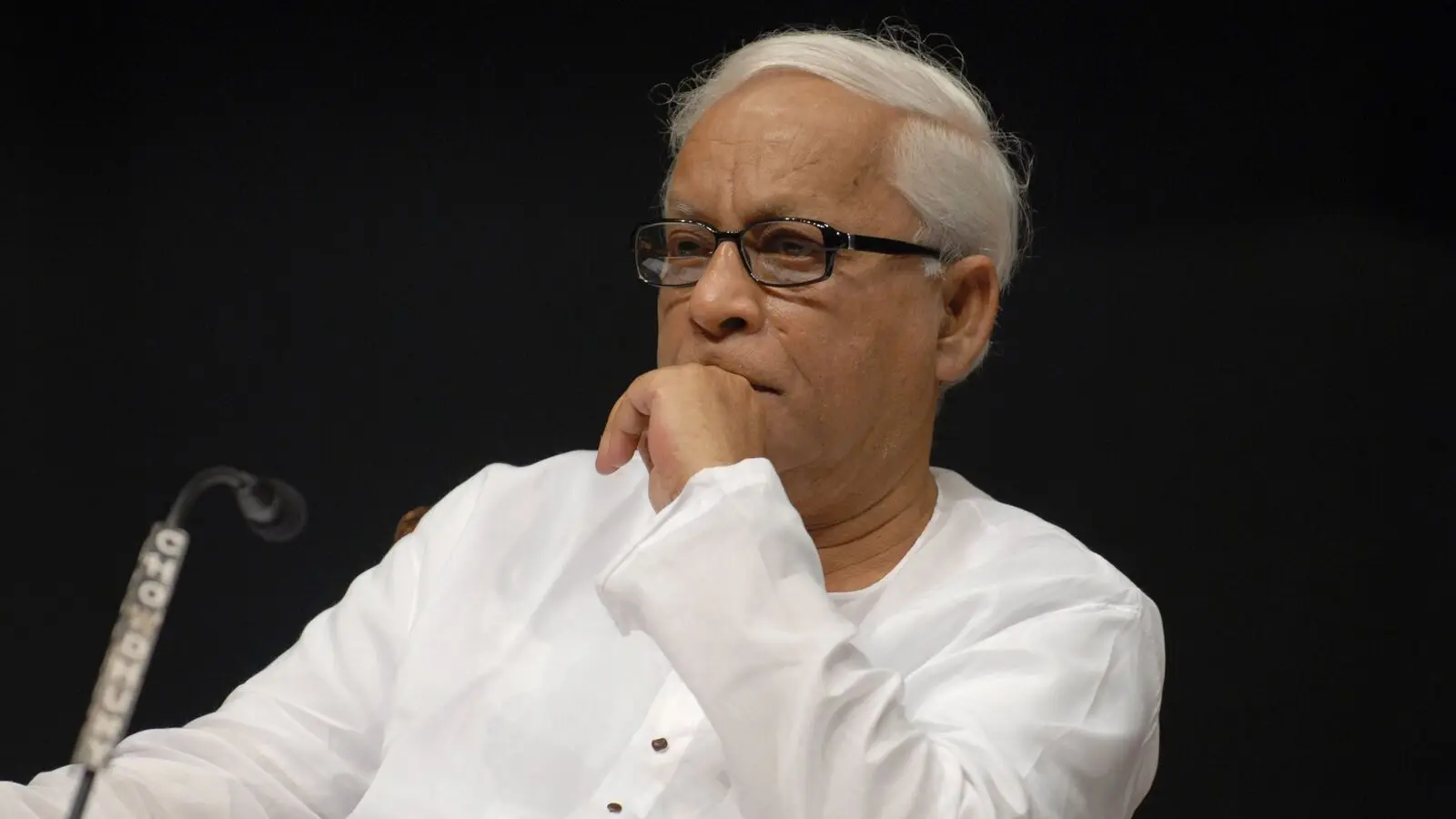
Buddhadeb Bhattacharjee- 10 years, 188 days (2000–2011)
Buddhadeb Bhattacharjee succeeded Jyoti Basu in 2000 after he voluntarily stepped down for health concerns. In 2001, even after 24 years in power, the Left Front won 199 out of the 294 Assembly seats. By then, India had liberalised its economy and the USSR had fallen. Often termed as the typical Bengali “bhadrolok”, cultured, soft spoken and well read, he epitomised a pivot towards the industrialisation of West Bengal for survival in a neo-liberal country. He had a vision of an economic renaissance of Bengal; it was that vision that led him to be at odds with his own party members. He famously said agriculture is our foundation, and industry is our future. His attempt to acquire land in Singur and Nandigram for the Tata Nano plant was vehemently opposed by Mamata Banerjee, and it became a catalyst for her rise. He was later defeated by a Mamata Banerjee-led Trinamool Congress in 2011.
)
)
)
)
)