From Louis XIV to Queen Elizabeth II: Top 10 longest-reigning monarchs in history

From Louis XIV’s absolute rule to Queen Elizabeth II’s constitutional reign, this list explores the longest-serving monarchs in history and what sustained their power over time.
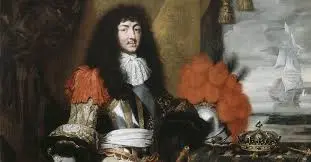
Louis XIV
The French Monarch Louis XIV ruled for 72 years and 110 days, The Sun King was instrumental in domesticating French Nobels, his reign was the definitive era before the French Revolution. His extravagant life style, endless wars and the staggering cost of maintaining Versailles left France in massive debt. This debt snowballed under his successors until the government went bankrupt.
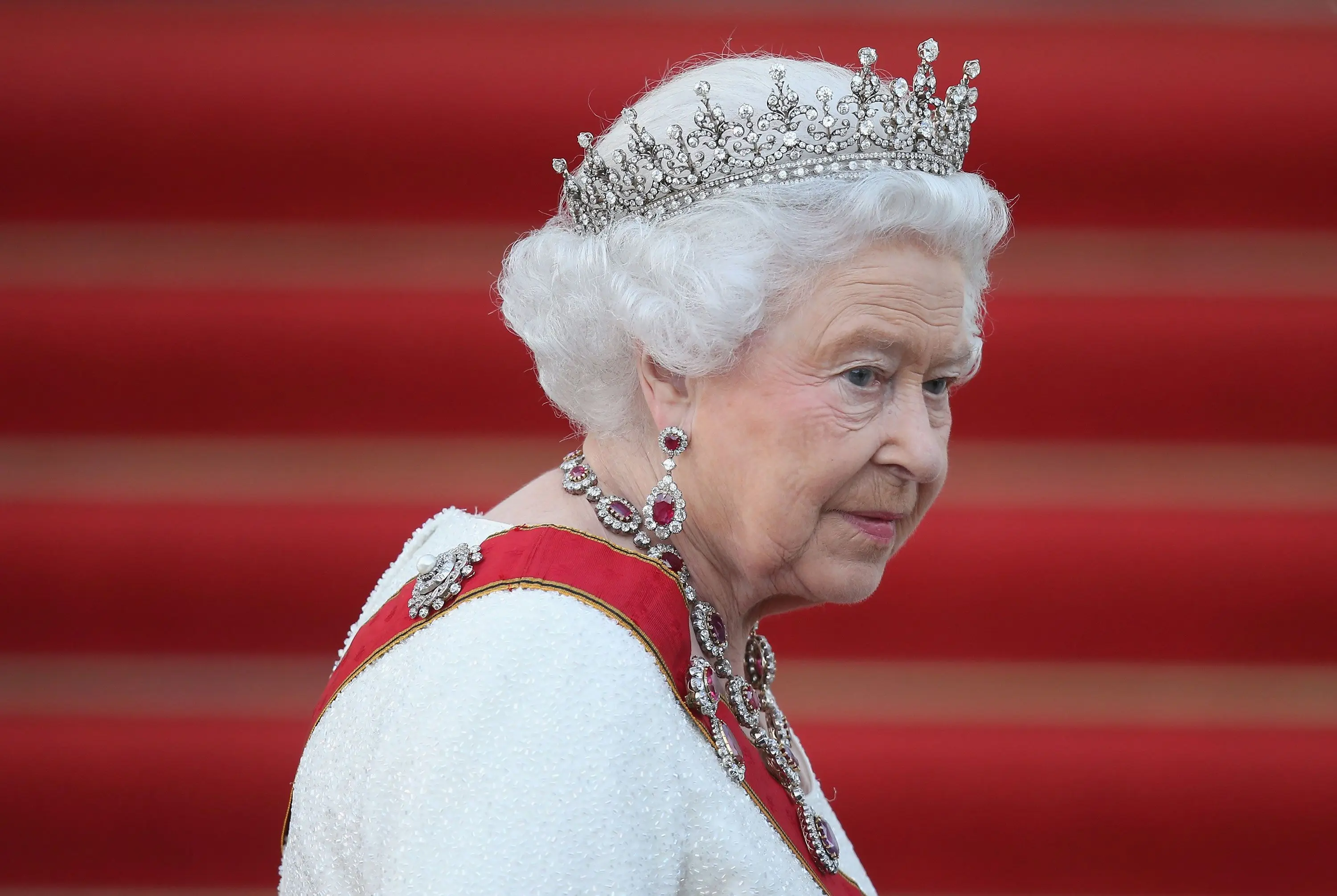
Elizabeth II
Elizabeth II was the longest-reigning monarch in British history, serving for 70 years and 214 days. Her reign, which concluded upon her death on 8 September 2022. She was a constitutional monarchy and saw the transformation of the power of the British Empire in the post-war period, as it gradually became a secondary force in global politics.
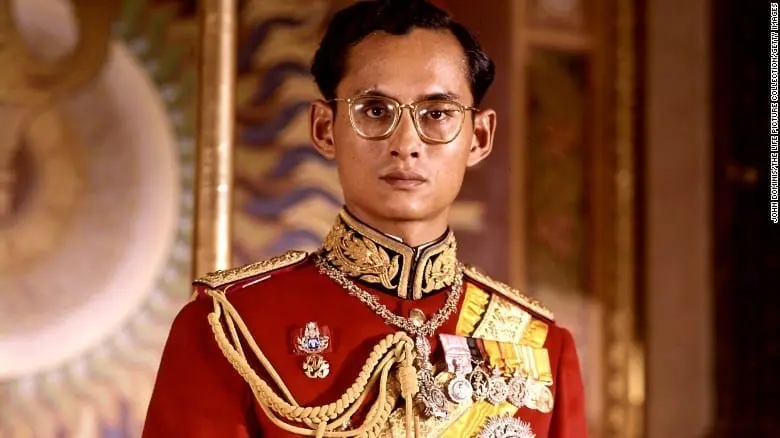
Bhumibol Adulyadej
He reigned in Thailand for 70 years, 126 days. He is revered as the “People's King” in Thailand and saw several reforms. He was an athlete, scientist, musician and used to travel through the countryside with a backpack and a camera around his neck.
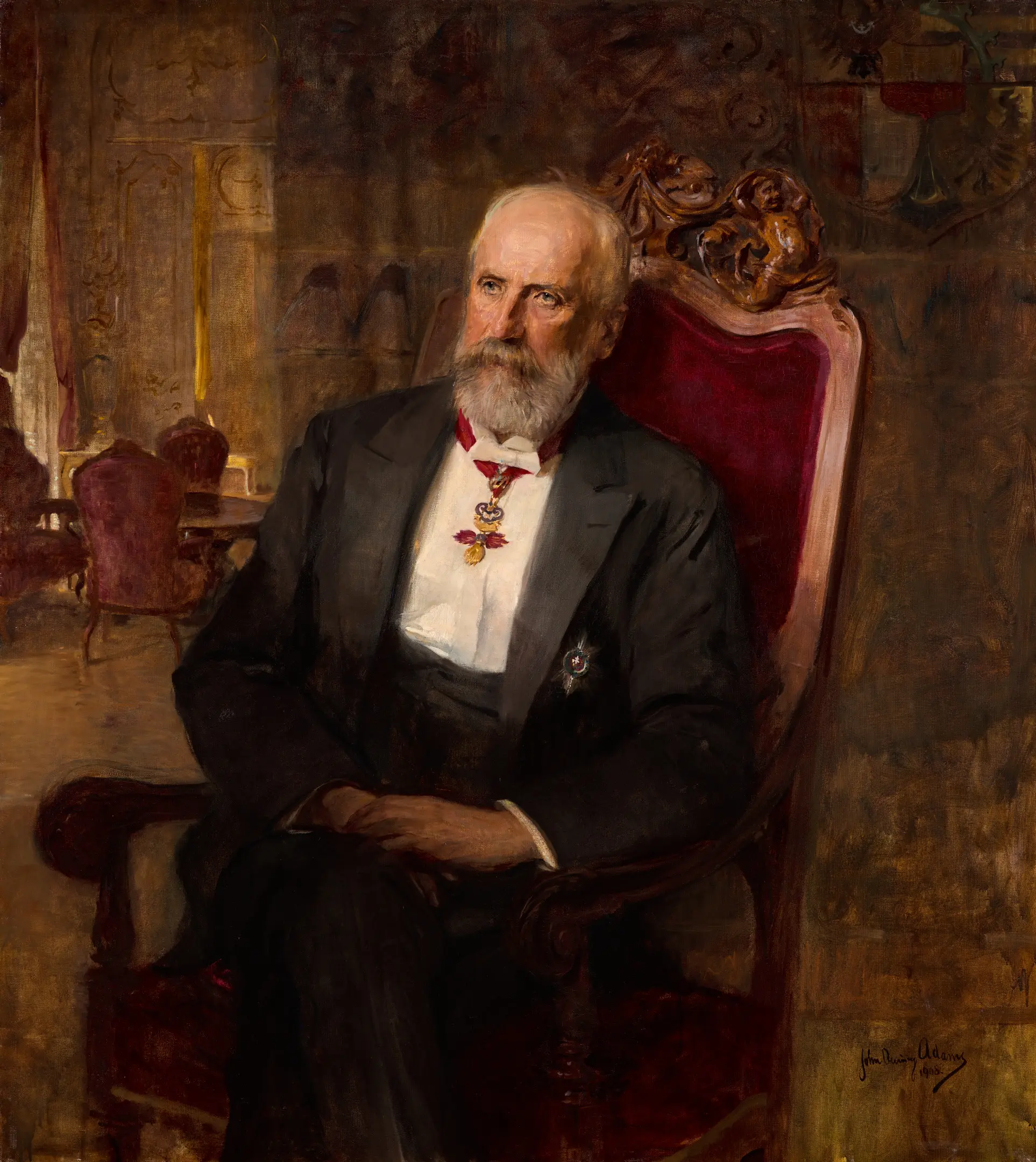
Johann II
Johann II, also known as “Johann the Good,” ruled for 70 years and 91 days from 1858 till 1929. He is credited with transforming Liechtenstein from a feudal backwater into a modern, constitutional state. He was renowned for his vast patronage of art, science and charity. He was shy and reclusive, never married or had children.
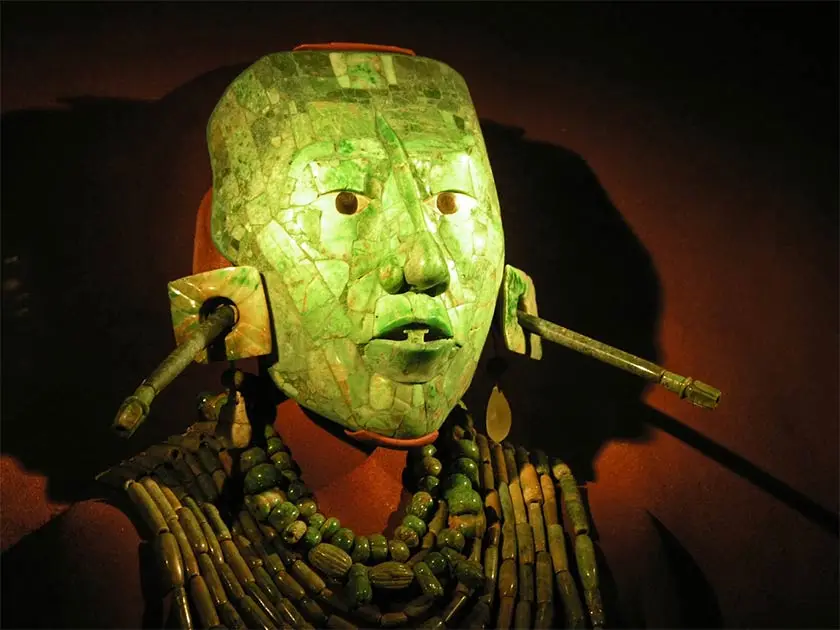
K’inich Janaab’ Pakal I
K’inich Janaab’ Pakal I, also known as Pakal, was a ruler of Palenque, modern-day Mexico. He reigned for 68 years from 615 AD to 683 AD. Pakal was found wearing a magnificent death mask made of jade mosaic, which is now one of the most famous treasures of Mayan art.
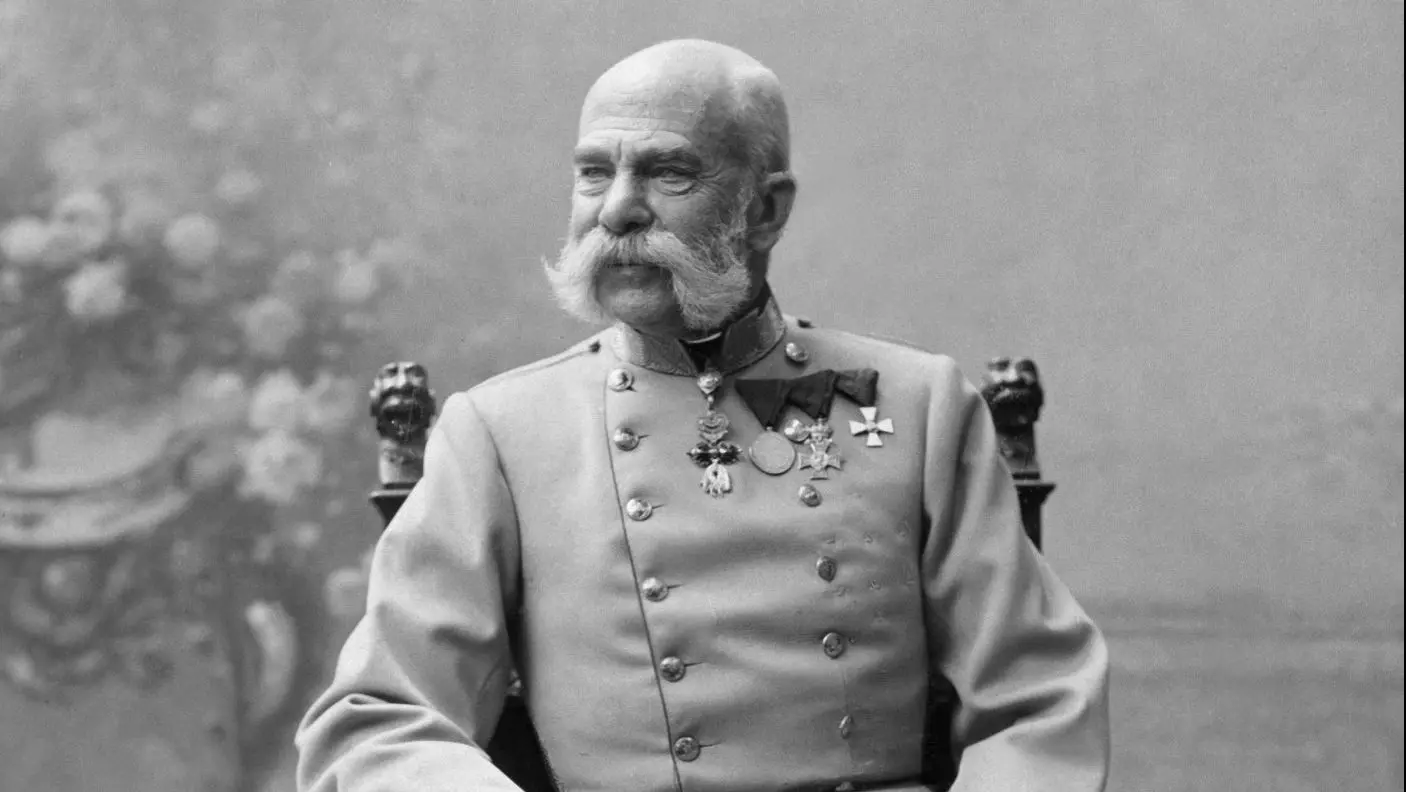
Franz Joseph I
Franz Joseph I face of the Habsburg Empire in Austria-Hungary. He reigned for 68 years. His ruling was considered to be a period of immense cultural growth but also a period of the erosion of the stability of the monarchy. His reign saw the decline of Austria-Hungary and the rise of Italy and Prussia (Germany). Two years before his death in 1914, after the assassination of his nephew and heir, Archduke Franz Ferdinand he signed the declaration of war on Serbia which later triggered the World War I or the Great War.

Chan Imix Kʼawiil
Chan Imix Kʼawiil was the 12th ruler of the Mayan city-state of Copán in modern-day Honduras. His reign of 67 years from 628AD to 695 AD is considered the "Golden Age" of the city. He lived to be roughly 83 years old, an incredibly rare age for the 7th century, which allowed him to provide nearly seven decades of rare political stability.
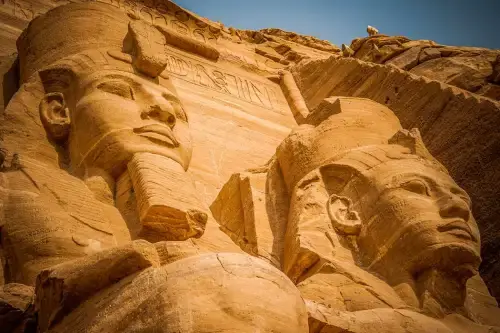
Ramesses II
Ramesses II, also known as Ramesses the Great, reigned for 66 years, 74 days from 1279BC till 1213 BC in Ancient Egypt. He fought one of the largest chariot battles in history against the Hittites and signed the first written peace treaty.
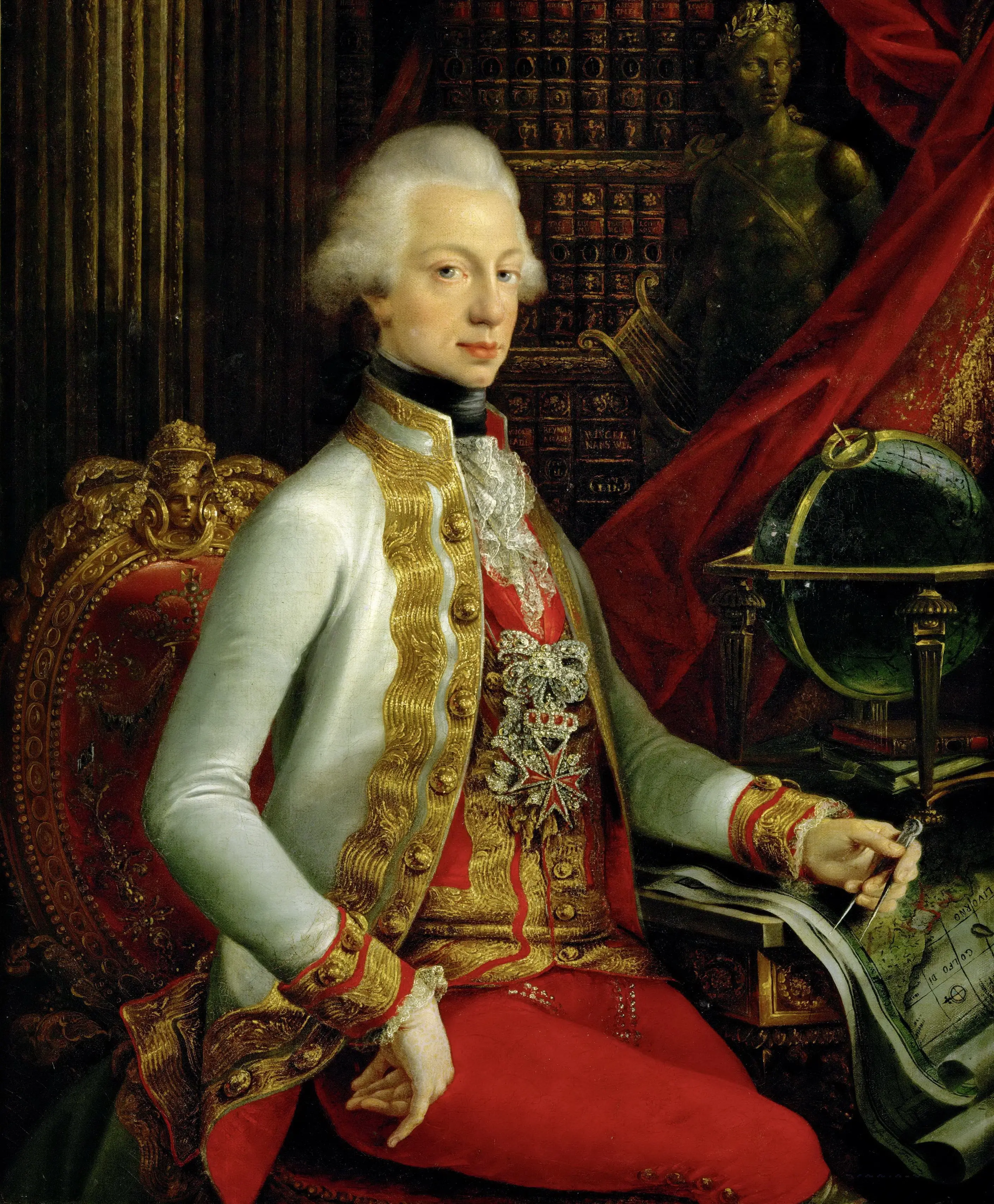
Ferdinand III
Ferdinand III of Sicily, also known as Ferdinand I of the Two Sicilies, had a reign of 65 years and 90 days. His rule was one of the most complicated in history because his titles changed repeatedly due to the chaos of the Napoleonic Wars. He was known as the King of Many names, and was the vanguard of orthodoxy against the Enlightenment. But he was later forced by his own army to sign a constitution in later life.
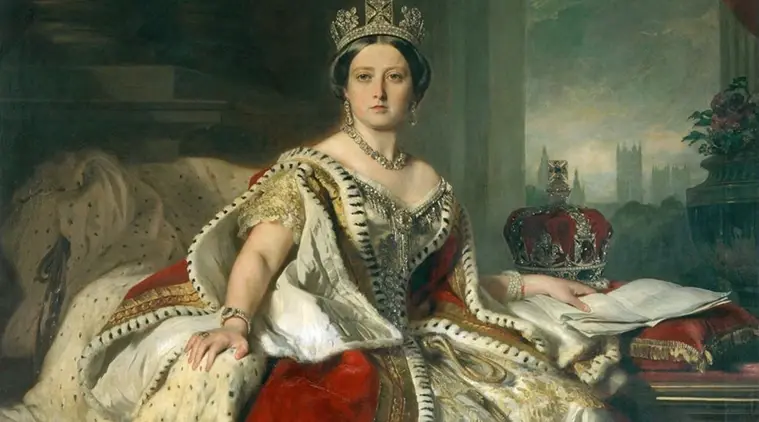
Queen Victoria
Queen Victoria reigned for 63 years and 216 days. She was also known as the Widow of Windsor. Her rule was so impactful that the era is remembered as the Victorian Age in Colonial history. She oversaw the peak of the British Industrial Revolution and the greatest expansion of the British Empire till India
)
)
)
)
)