What is 3I/Atlas? HiRISE camera aboard Mars Reconnaissance Orbiter can be used to reveal its true nature

How to know what interstellar object 3I/ATLAS is? Harvard scientist Avi Loeb has suggested a way to know whether it is a comet or an alien spaceship. His method can be employed in October when 3I/ATLAS gets close to Mars/
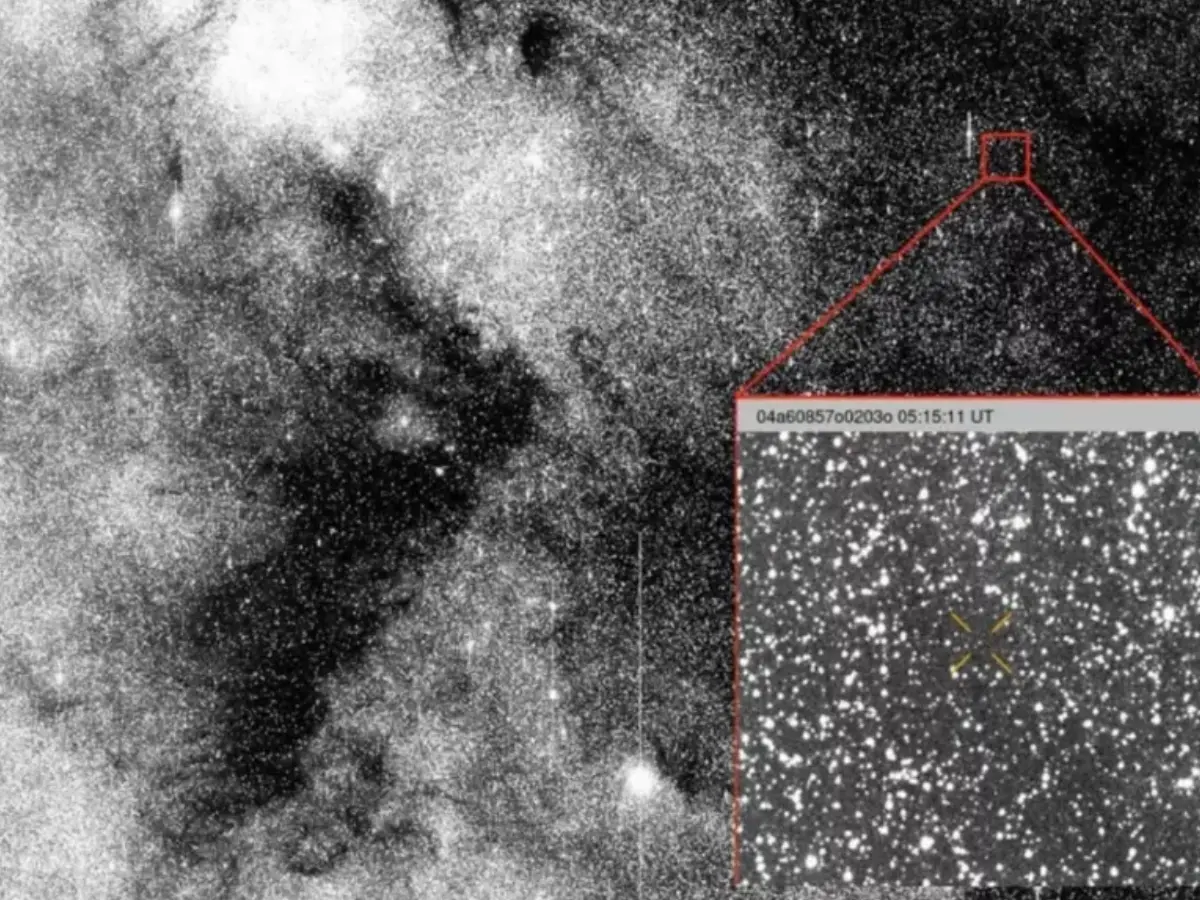
3I/ATLAS - Alien spaceship or comet?
Interstellar object 3I/ATLAS is fast approaching the inner solar system. The most talked-about topic in astronomy today is showing strange signs, yet most experts think it is a comet. But, is it really? Harvard scientist Avi Loeb has revealed how we can know what this interstellar object really is.

Harvard scientist Avi Loeb thinks 3I/ATLAS is a spaceship
Should humans send a probe to 3I/ATLAS to study it? Loeb has claimed that there is little chance that this interstellar object is a natural space rock. In fact, he believes it is an alien spaceship that could be coming to seed probes into the planets in the solar system, including Earth.
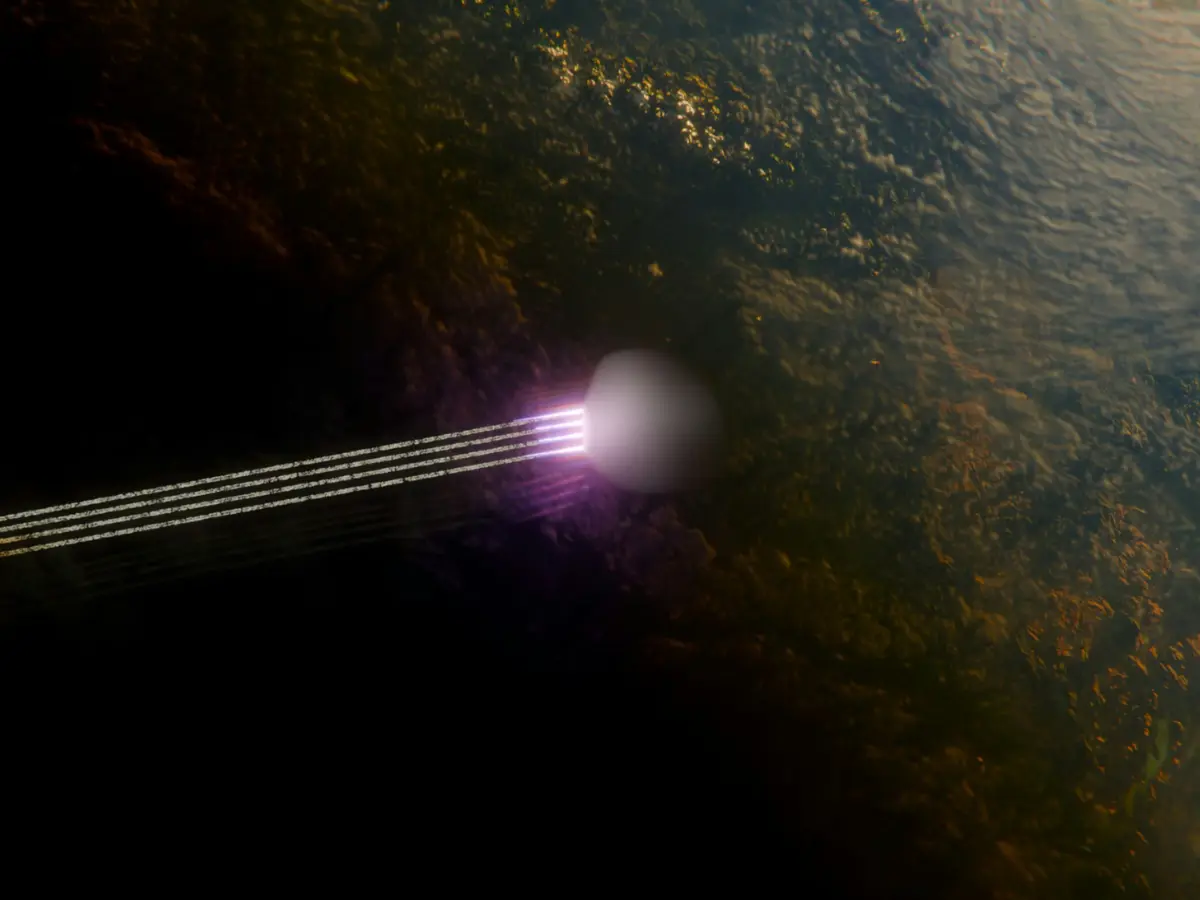
Interstellar object 3I/ATLAS will come close to Mars
3I/ATLAS could also be hostile, and so he wants world leaders to prepare for an alien attack. Loeb has also offered a solution to understand more about the outer space visitor. According to him, it will make its closest approach to Mars in October. This is when humans can take a close look at it.
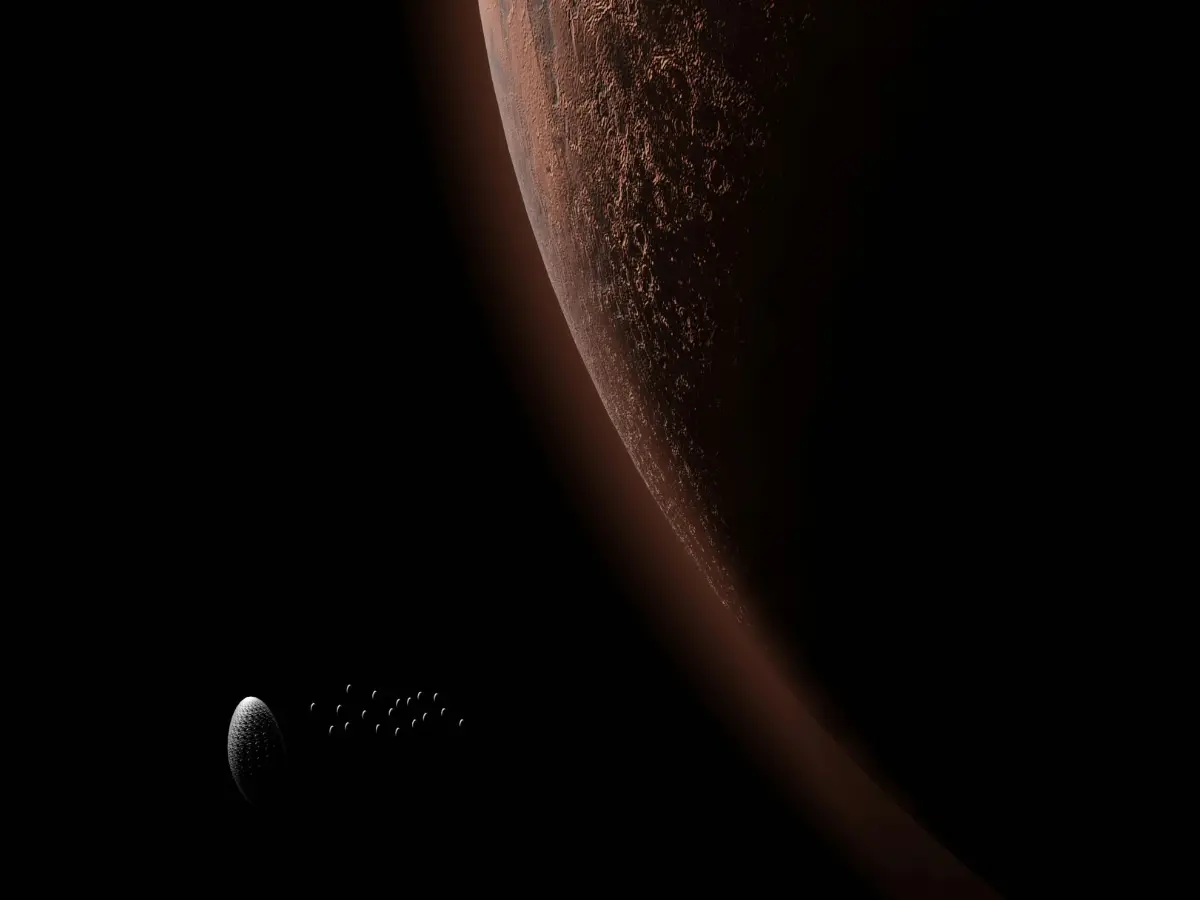
3I/ATLAS will be at a distance of 2.7 million kilometres from Mars
On October 3, 3I/ATLAS will be at a distance of 29 million kilometres from Mars, and close in to merely 2.7 million kilometres while traversing the complete path of Mars around the Sun. Loeb says this is a sign that it is not an ordinary object.

Tiny probe may be moving ahead of 3I/ATLAS and might crash into Mars
He has further claimed that a tiny probe could be moving ahead of 3I/ATLAS, which is invisible from Earth. When the object comes at its closest point to Mars, the precursor mini-probe will have the shortest distance needed to reach Mars. In fact, if an orbit correction by 10–15 kilometres per second happens in September, the closest approach distance of 3I/ATLAS from Mars could be reduced to zero.
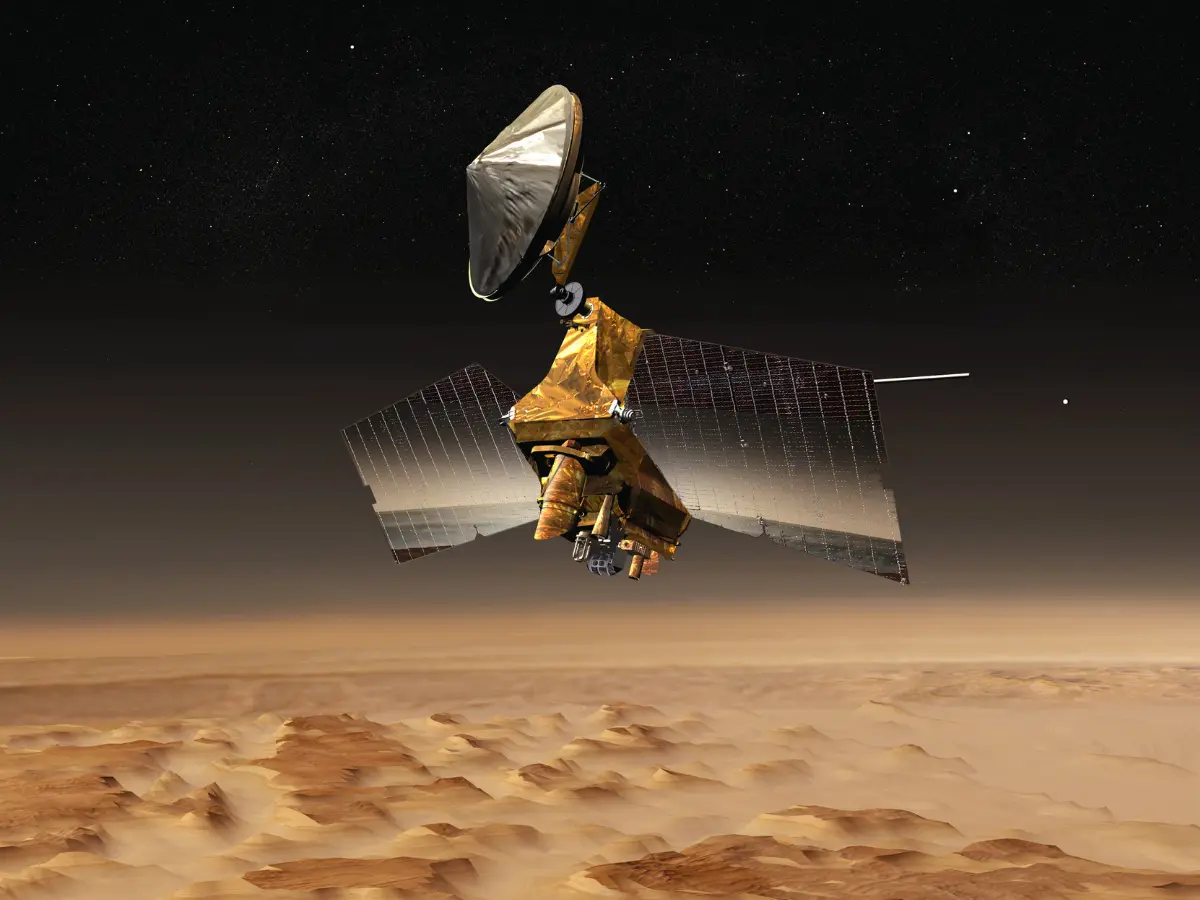
HiRISE camera Mars Reconnaissance Orbiter can spy on 3I/ATLAS
At this point, the HiRISE camera onboard the Mars Reconnaissance Orbiter can be used to observe 3I/ATLAS. Loeb says it could image Mars and look for any precursor objects that are racing ahead of 3I/ATLAS and come closer than the main object to Mars.
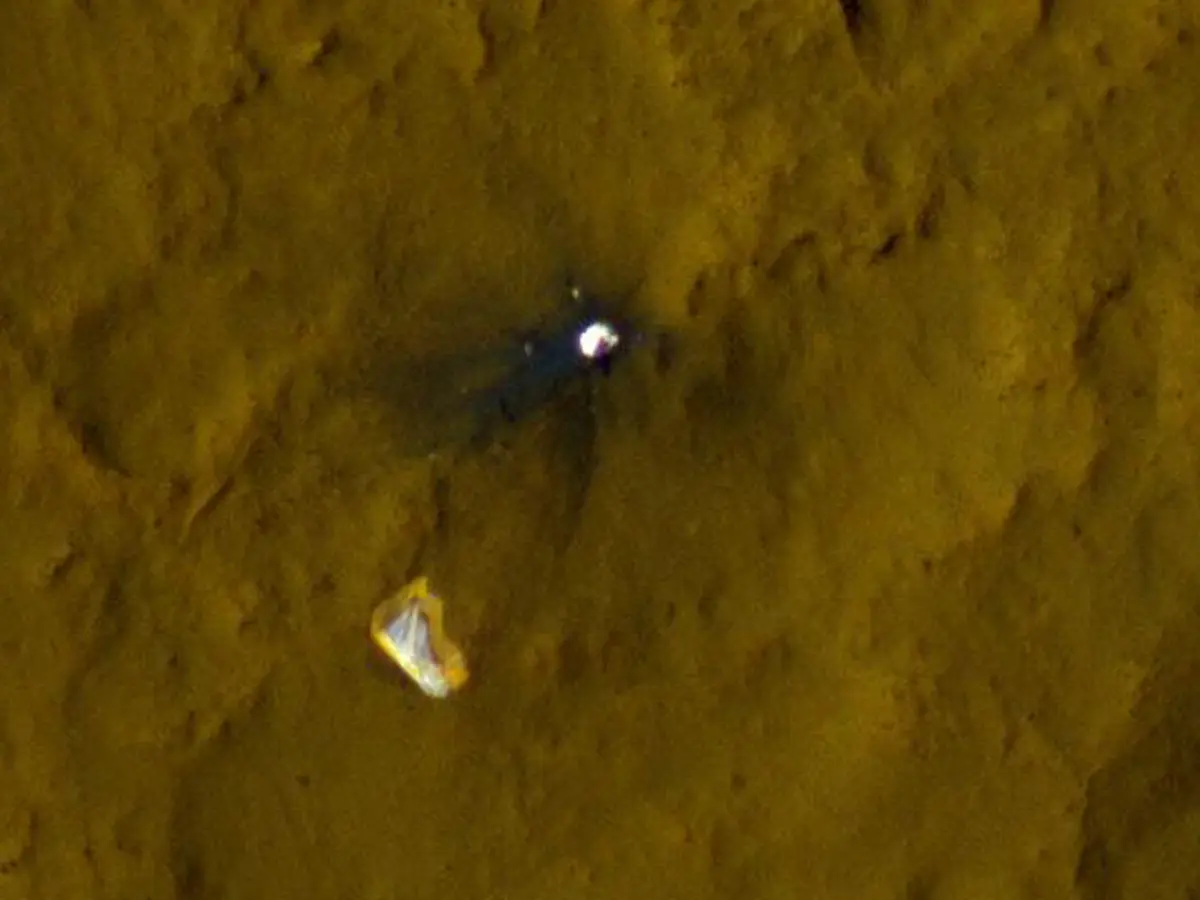
HiRISE camera can catch 3I/ATLAS and precursor mini-probe seeding Mars
If the HiRISE camera catches 3I/ATLAS delivering materials to Mars in October 2025, then the chances of the outer space visitor being a piece of alien technology will increase manifold. However, what materials scientists should be looking for is unclear.

NASA's TESS saw 3I/ATLAS in May, becoming brighter than normal
Meanwhile, it was recently revealed that NASA's Transiting Exoplanet Survey Satellite (TESS) detected the object in May, two months before Atlas saw it. Within a span of a few weeks, 3I/ATLAS's brightness increased five times. That does not happen with comets, scientists say. Its trajectory, size and the light reflecting off it, all point to 3I/ATLAS being a strange object that scientists are grappling to explain.
)
)
)
)
)