Lock on, fire, leave: How fire-and-forget missile technology transformed warfare

This shift significantly reduced pilot workload along with improving survivability and compressed decision-making timelines in combat, thus reshaping air, land and naval engagements.
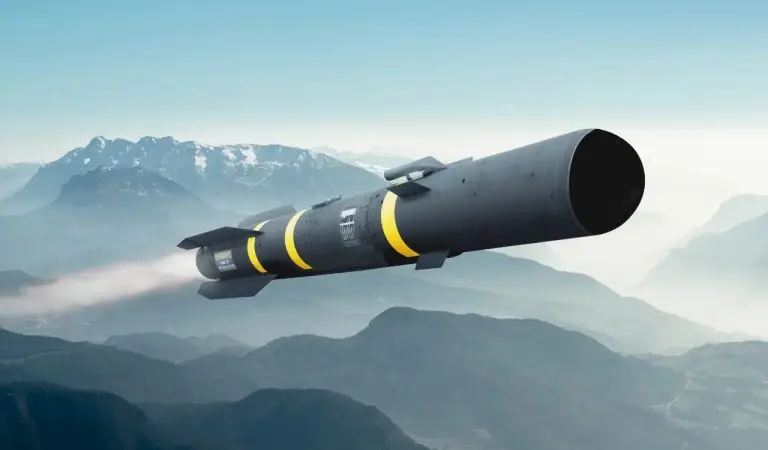
The moment guidance left the pilot’s hands
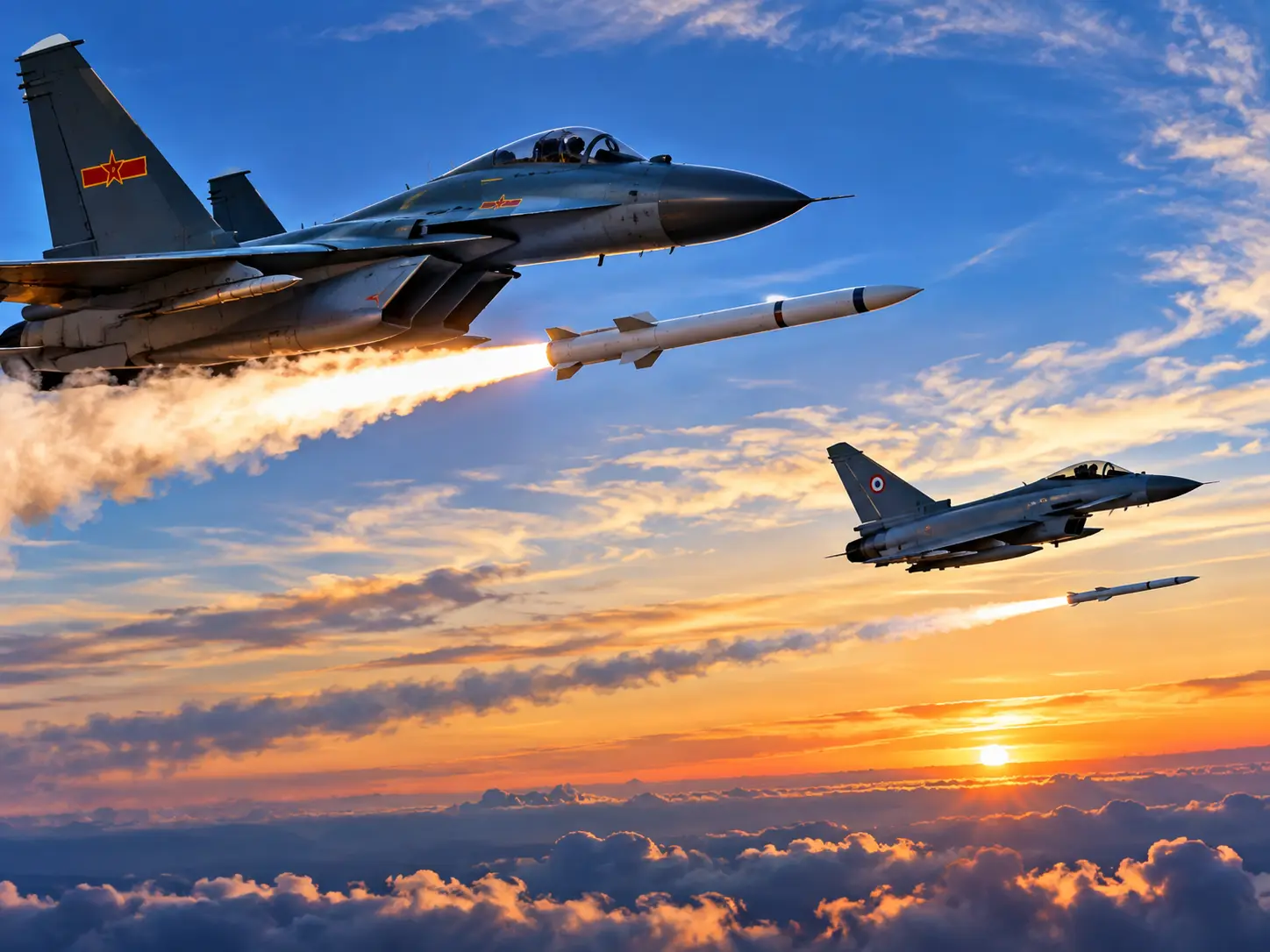
Modern warfare changed fundamentally when missiles no longer required continuous guidance from the operator after launch. The Fire-and-forget technology makes it possible for a weapon to identify, track and strike its target autonomously once fired. This shift significantly reduced pilot workload along with improving survivability and compressed decision-making timelines in combat, thus reshaping air, land and naval engagements.
what 'fire-and-forget' really means
A fire-and-forget missile uses an onboard seeker to lock on to a target before launch. A Stanford University study says, "'Fire-and-forget', also known as 'launch-and-leave' or 'shoot-and-scoot', depending on who is pulling the trigger, refers to weapons that need no further intervention once fired." After firing, the missile guides itself without further input. Seekers typically rely on infrared imaging, millimetre-wave radar, or electro-optical sensors, allowing the weapon to remain effective even if the launch platform disengages or manoeuvres away. With the help of these weapons, use of vulnerable data links between the launcher and a missile is also reduced.
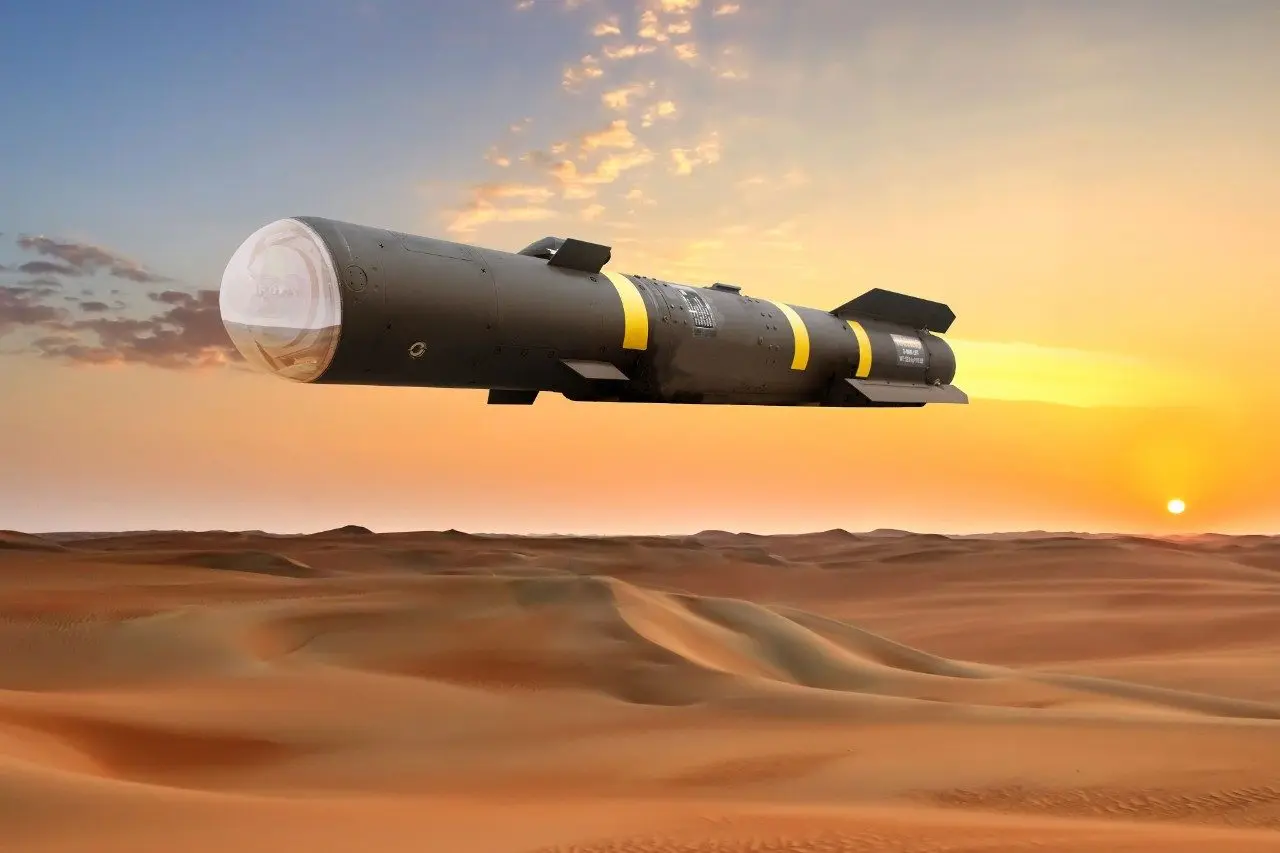
the technology inside the seeker
At the core of fire-and-forget systems is the seeker head. Imaging infrared seekers compare heat signatures rather than simple hot spots, ultimately enabling them to discriminate between real targets and decoys. Radar-based seekers, meanwhile, generate high-resolution target profiles, making them effective in poor visibility and adverse weather.
battlefield advantages that changed tactics
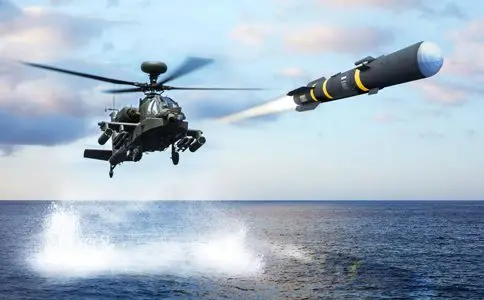
Fire-and-forget missiles altered combat tactics almost immediately. Pilots and vehicle crews could engage targets and reposition within seconds, reducing exposure to enemy fire. This capability of these weapons, particularly proved beneficial for attack helicopters and infantry units operating against armoured forces.
weapons that defined the shift
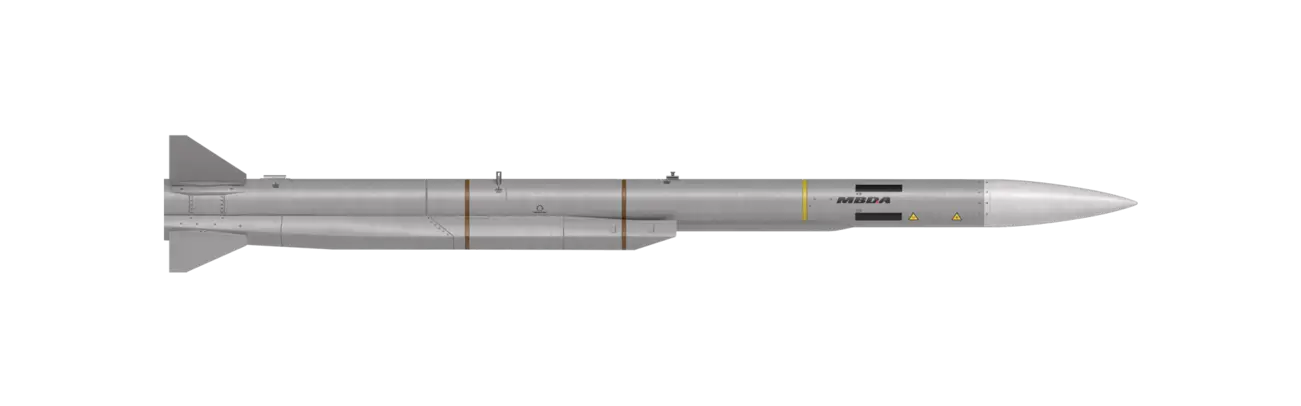
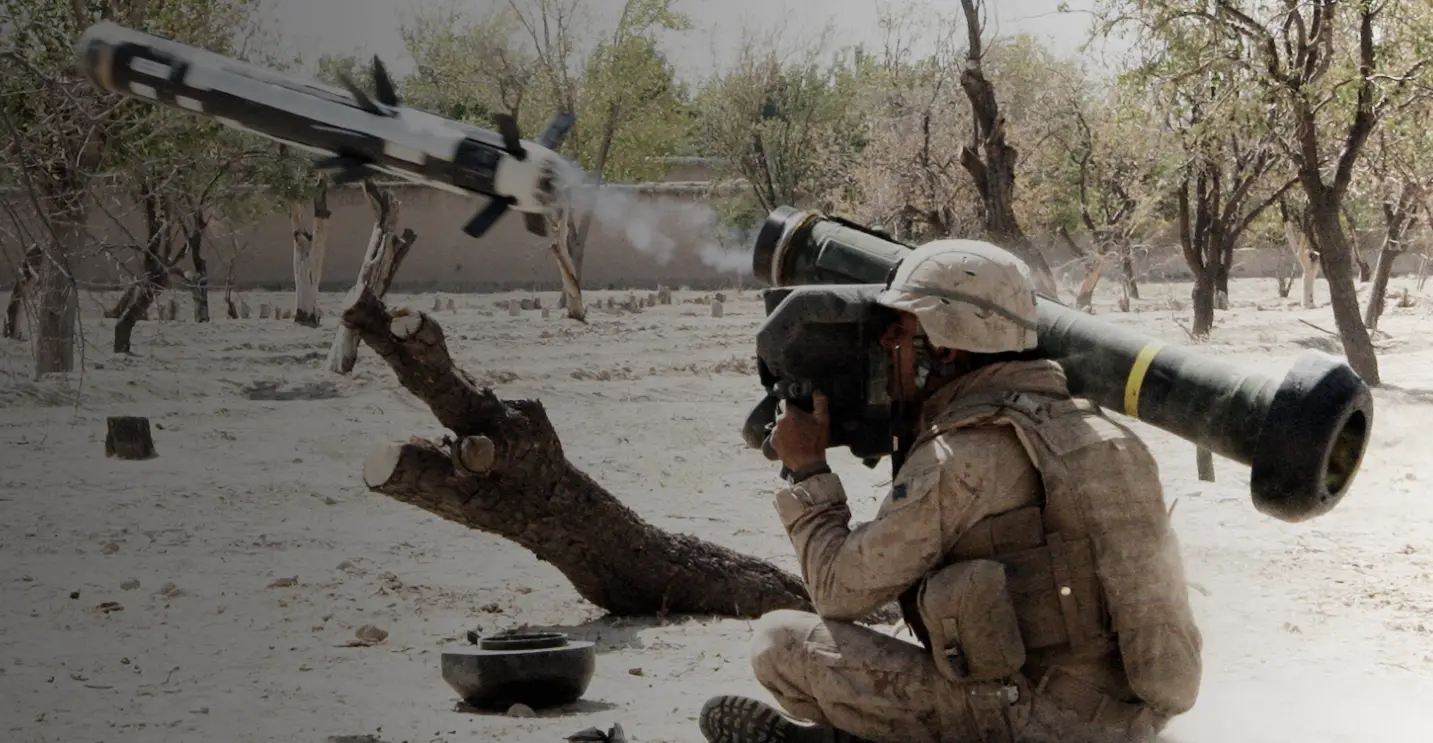
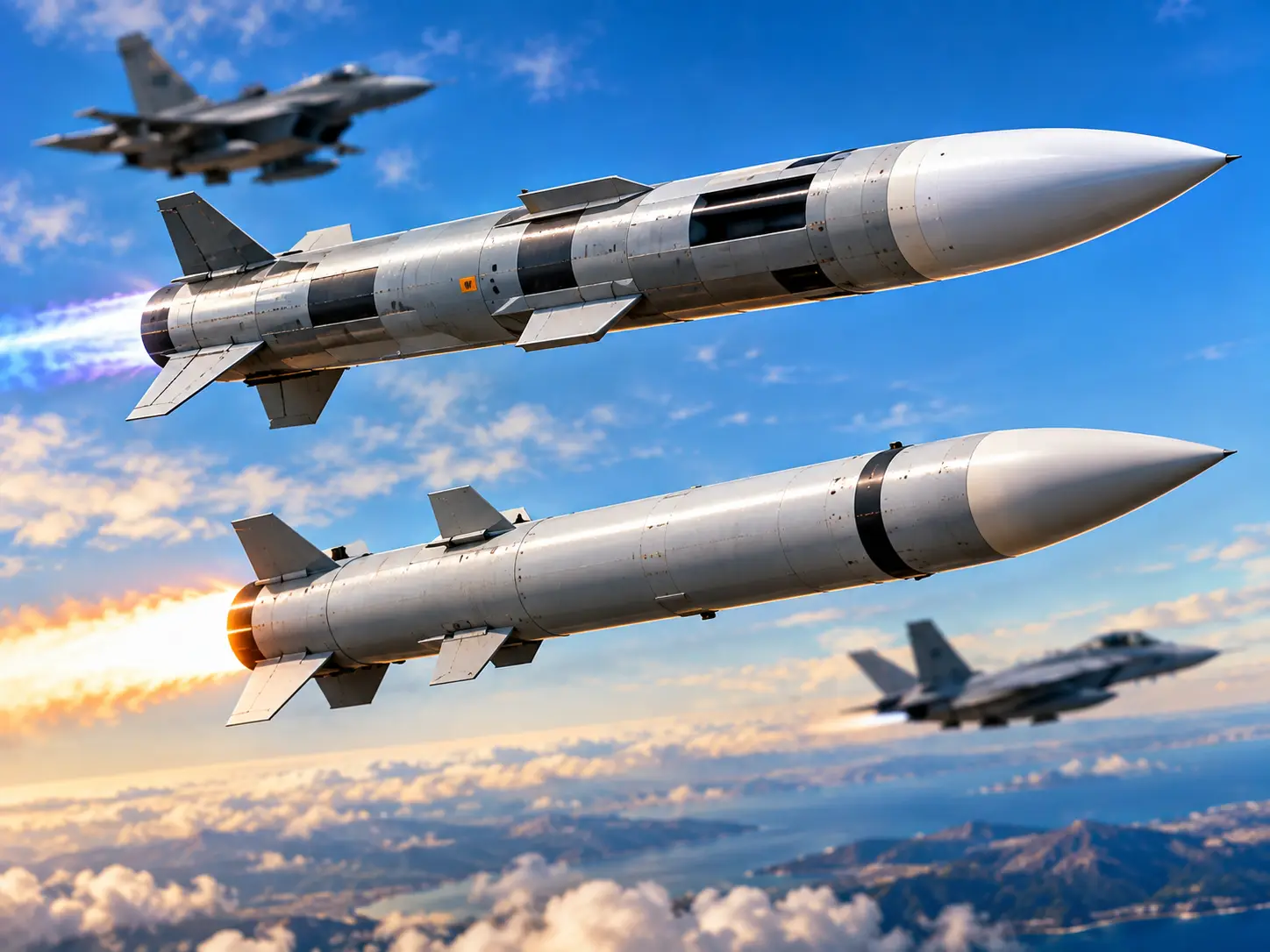
Several systems became benchmarks for fire-and-forget capability. The world's premier shoulder-fired anti-armor system, Javelin used an arched top-attack profiles against battle tanks, while the MBDA Meteor, which is guided by an advanced active radar seeker, brought autonomous terminal guidance to air combat. Naval weapons such as modern anti-ship missiles adopted similar principles to defeat layered defences.
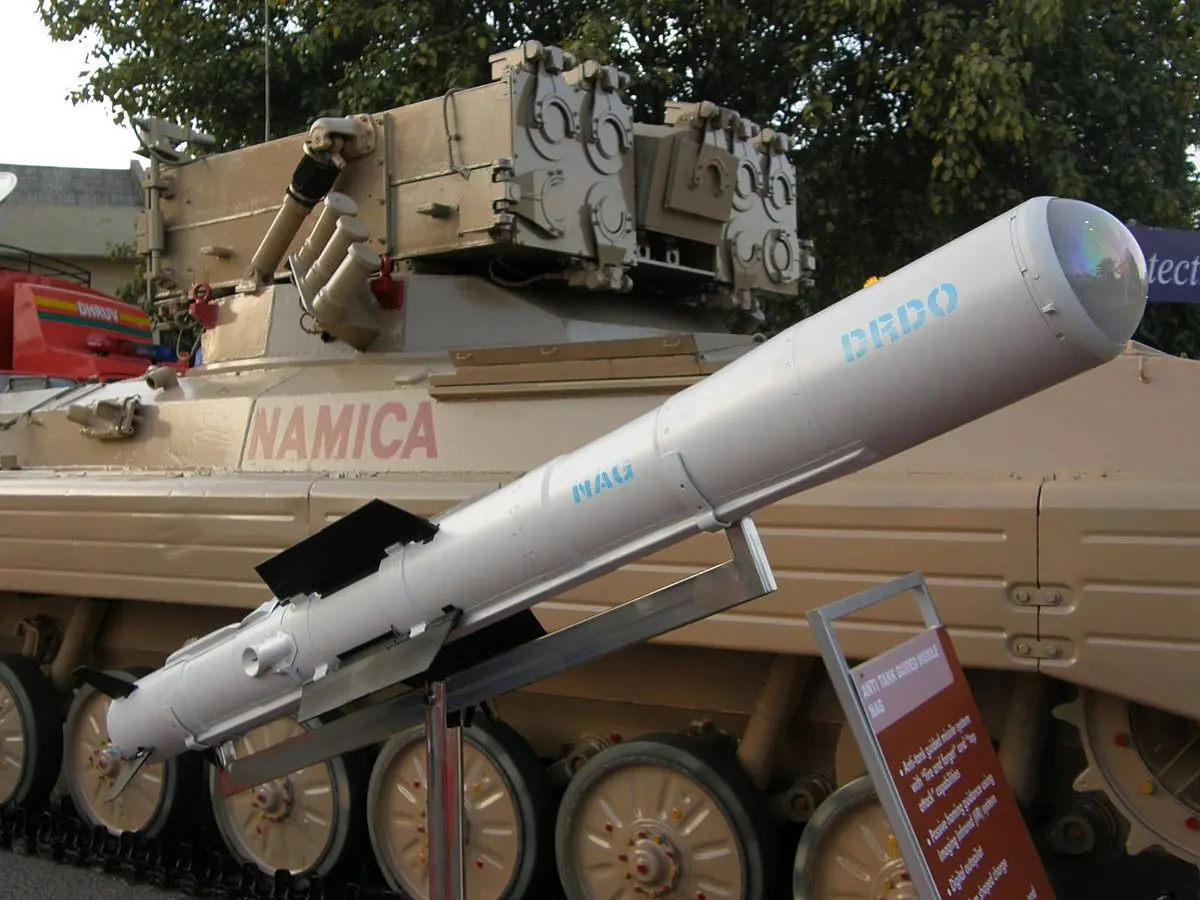
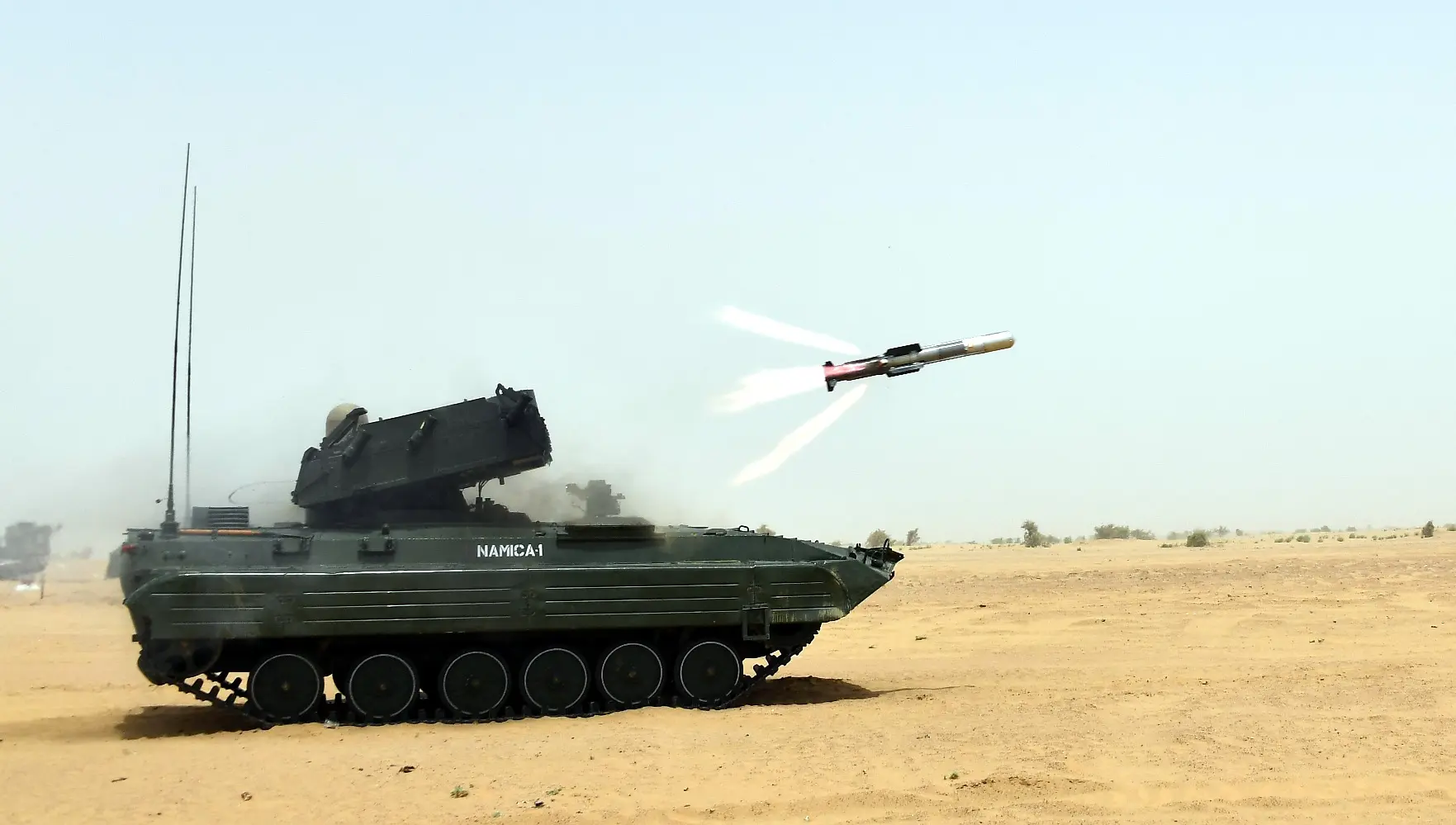
India's NAG
The Nag is India’s indigenous third-generation anti-tank guided missile (ATGM) which was developed by the Defence Research and Development Organisation (DRDO). The missile features a fire-and-forget capability with a top-attack profile, which allows it to engage armoured targets autonomously after launch. The missile uses passive homing through an imaging infrared seeker for target acquisition and tracking, enabling day-and-night operations. This ATGM has an operational range of about 500 metres to 4,000 metres, and a flight speed of approximately 220–230 metres per second.
limits and countermeasures
Despite their autonomy, fire-and-forget missiles are not invulnerable. Electronic countermeasures, infrared jammers and decoys are designed specifically to confuse seekers. This has driven continual upgrades in the processing power, software algorithms and sensor fusion to maintain effectiveness of this technology.
)
)
)
)
)