Light-year-long bridge: Stellar merger that started 1 billion years ago has turned into a cosmic robbery

A cosmic merger that started a billion years ago is still in process. Two galaxy clusters residing in a bigger cluster are pulling stars away from each other, creating a bridge comprising these homeless stellar bodies.
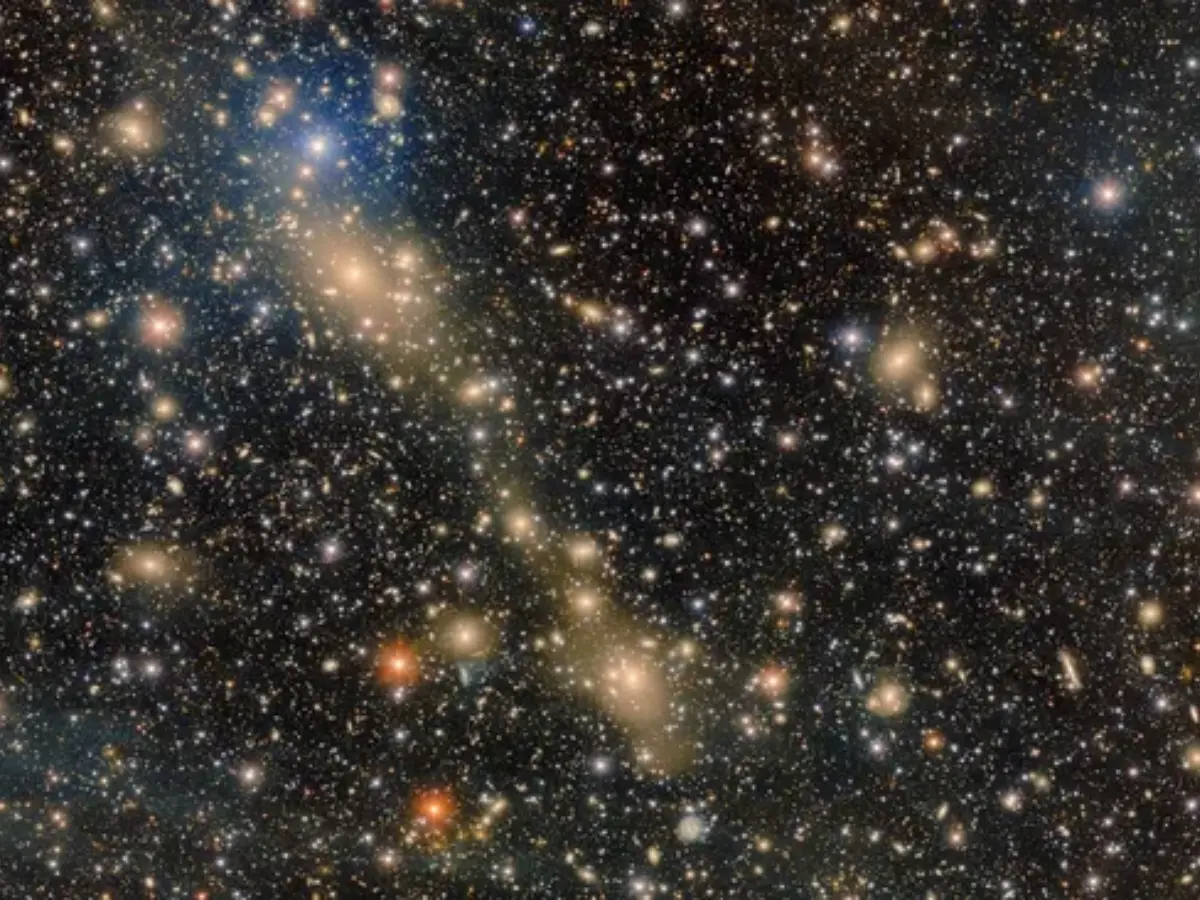
Two merging galaxies have formed a celestial bridge
Two huge galaxies have been observed locked in a battle, pulling stars away from each other as they try to fight each other to death. This has led to the formation of a star bridge that is about a million light-years long. This event is occurring only 700 million light-years from Earth, the first time such an event has been observed in a galaxy so close to home. The tug-of-war is happening in the galaxy cluster Abell 3667.
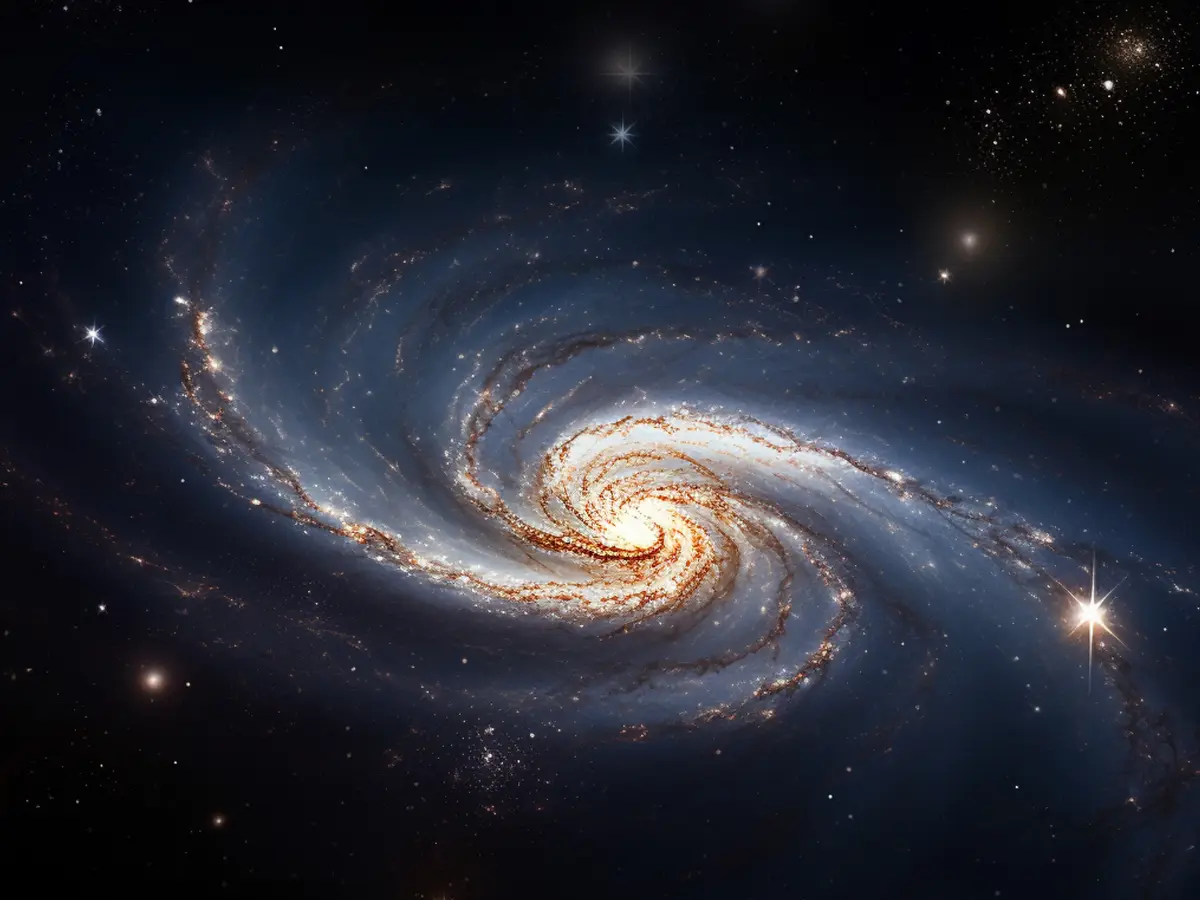
Two smaller clusters merging for a billion years
Observations have revealed that two of the brightest galaxies in this cluster are involved in this tussle, which started about a billion years ago. This finding, published in a paper published in The Astrophysical Journal, proves a theory about the galaxy cluster Abell 3667 - that it formed as a result of the merger of two smaller clusters.
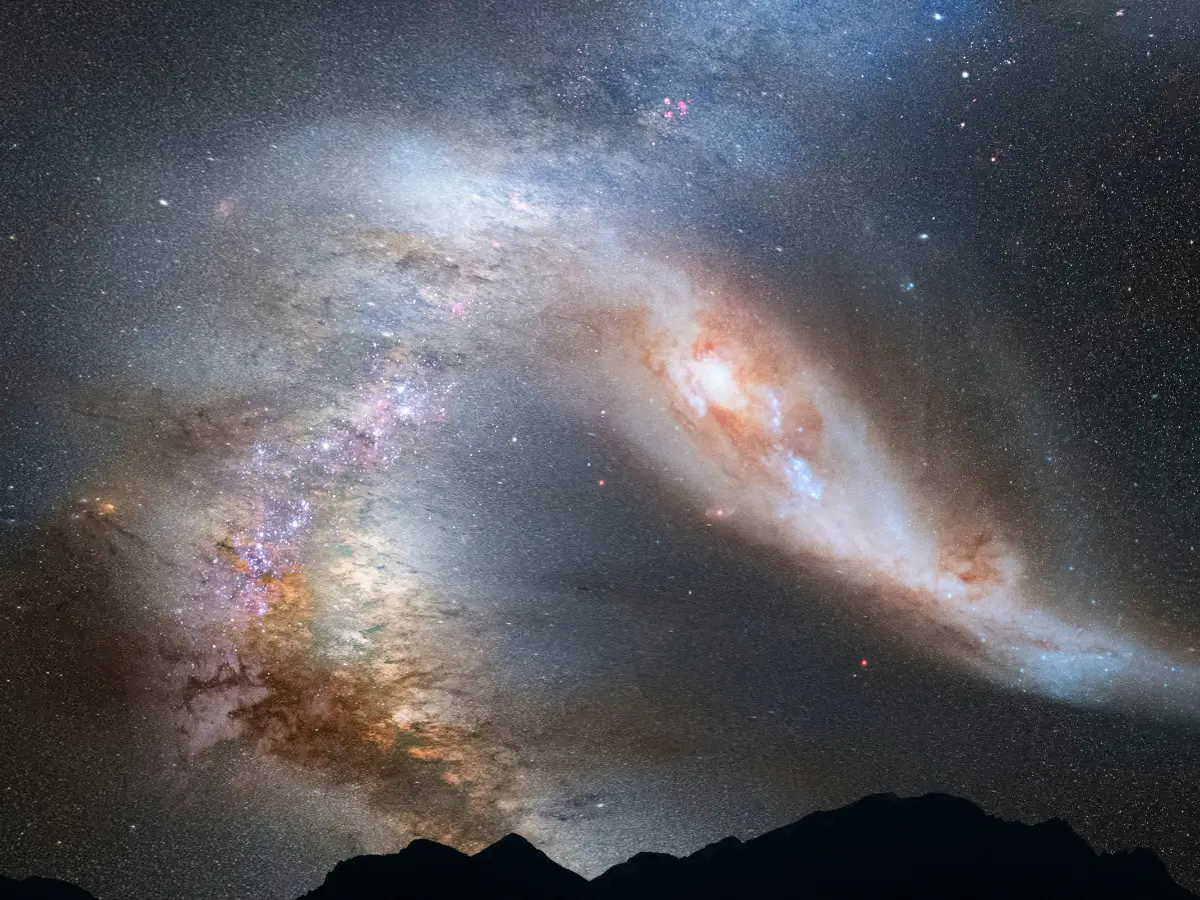
Two galaxies are trying to steal stars from the other
Around one billion years ago, two galaxy clusters, each having its own dominant central galaxy, started crashing into each other. These clusters continue to merge even today, as proved by the bridge of stars connecting two of their galaxies. This process triggered a gravitational clash between them, which has set stars free to create this bridge.
Gravitational forced has left stars homeless
The bridge consists of intracluster light, or ICL, a diffuse glow from stars that were left homeless by the intense gravitational forces. The observation was made by putting together 28 hours of archival observations from the Dark Energy Camera on the Victor M. Blanco 4-meter telescope in Chile. The long exposure allowed them to bring this dim phenomenon into sharp relief.
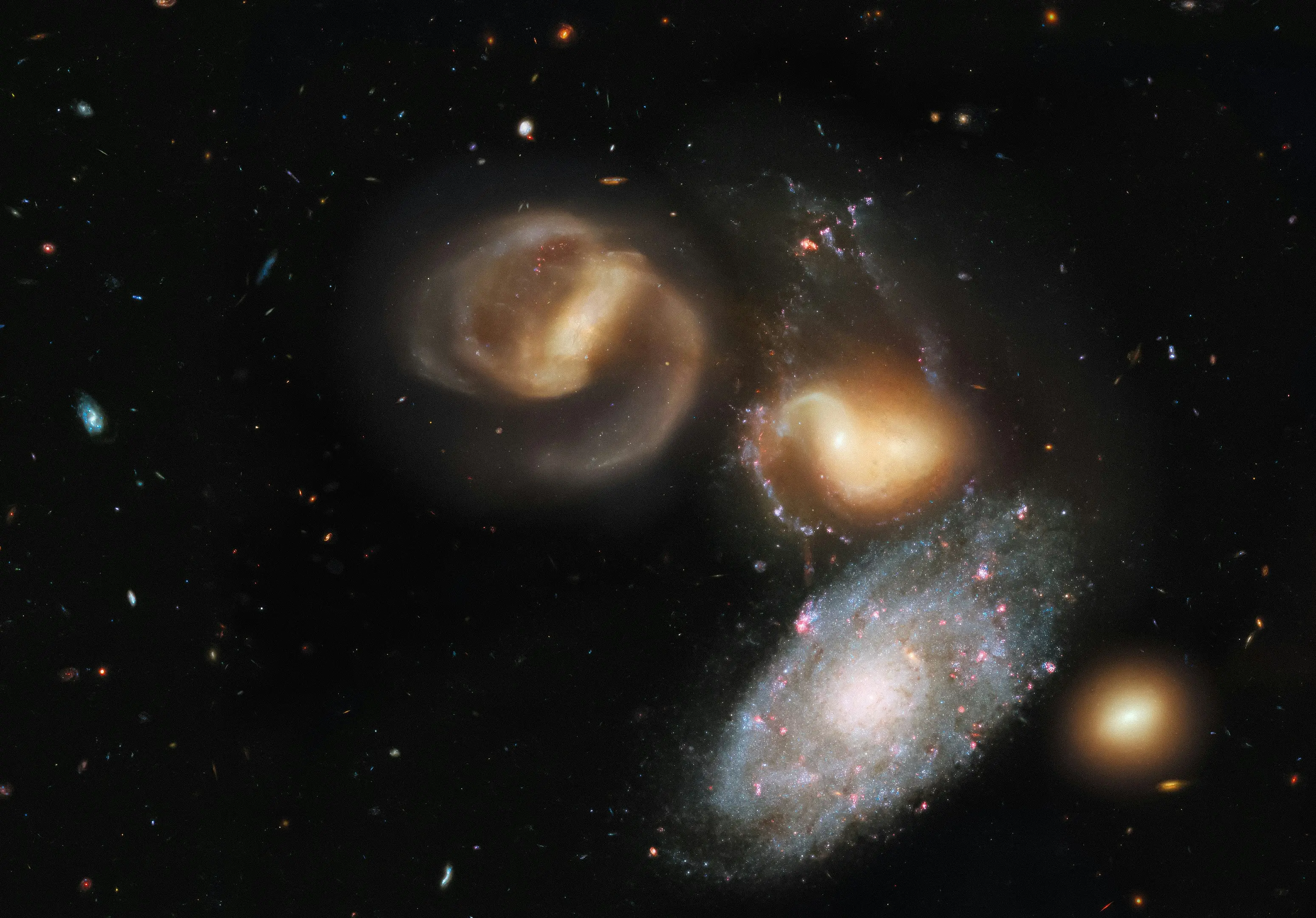
Mapping dark matter
Galaxy clusters are bound together by dark matter, and ICL traces this web that we cannot see. The clustering of the stripped stars along gravitational pathways offers a rare way to map the distribution of dark matter.
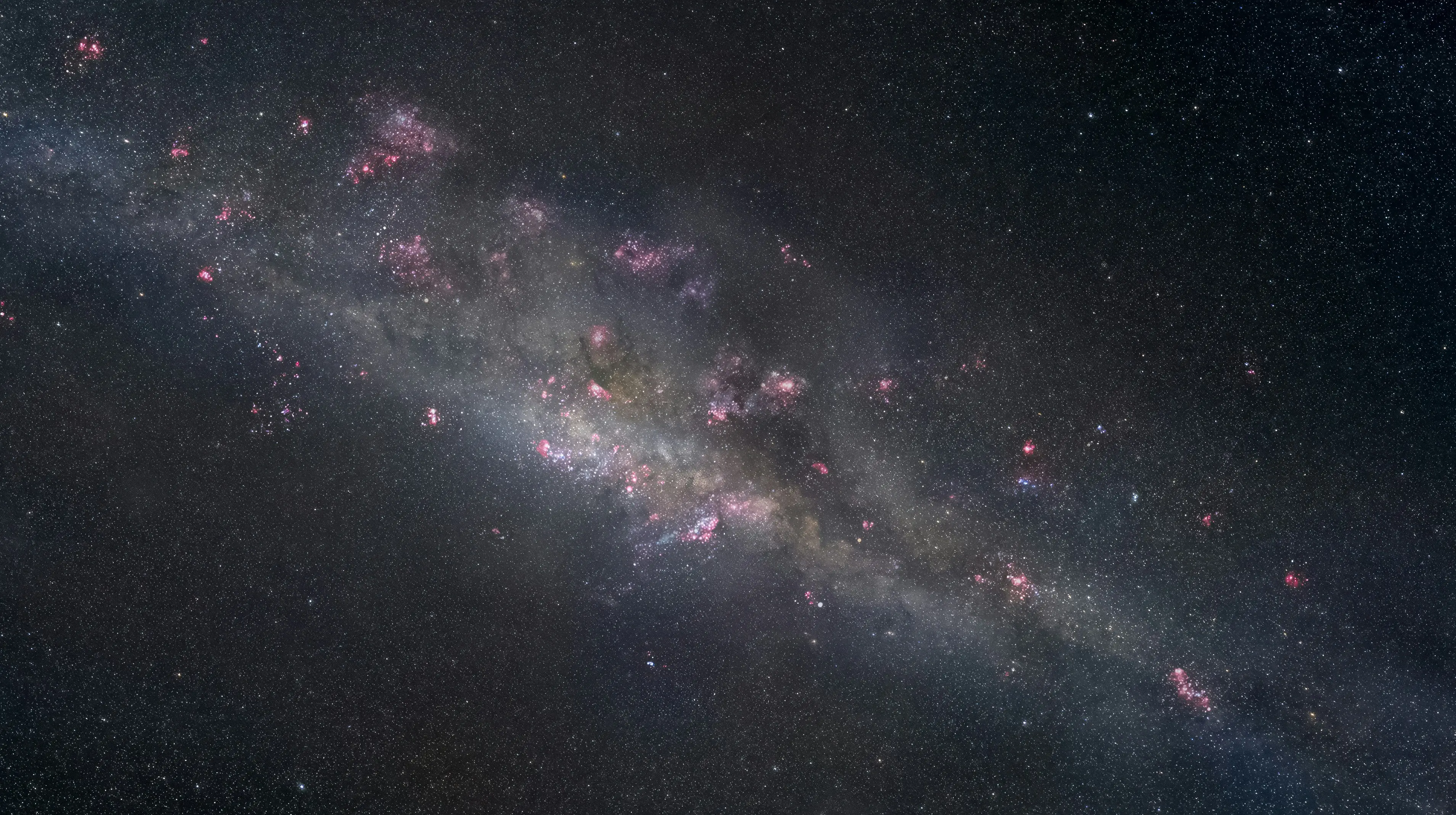
Disc galaxy and a jellyfish galaxy
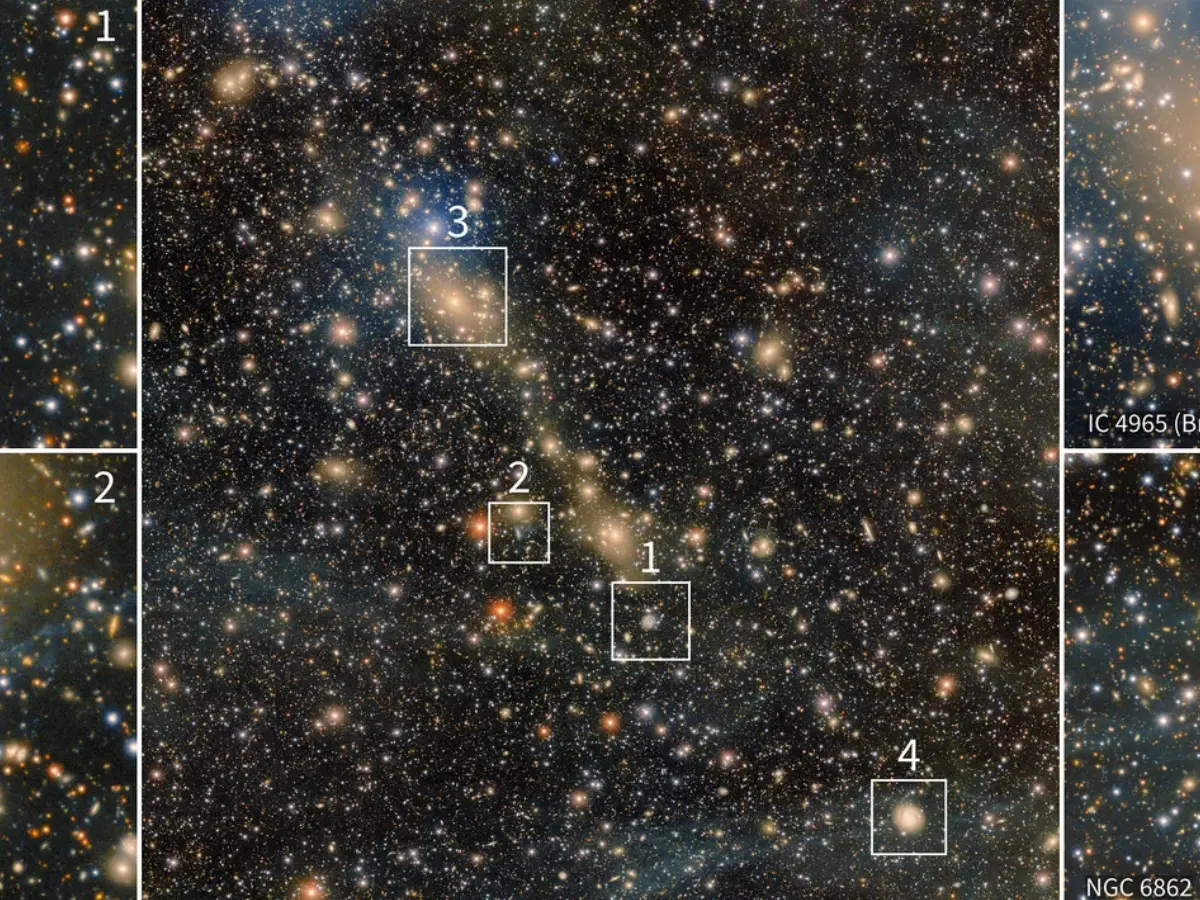
At the top of the bridge is the disc-shaped galaxy IC 4965, followed by a small group of galaxies. At the bottom of it is JO171, a "jellyfish galaxy" with long gas tentacles trailing from one side.
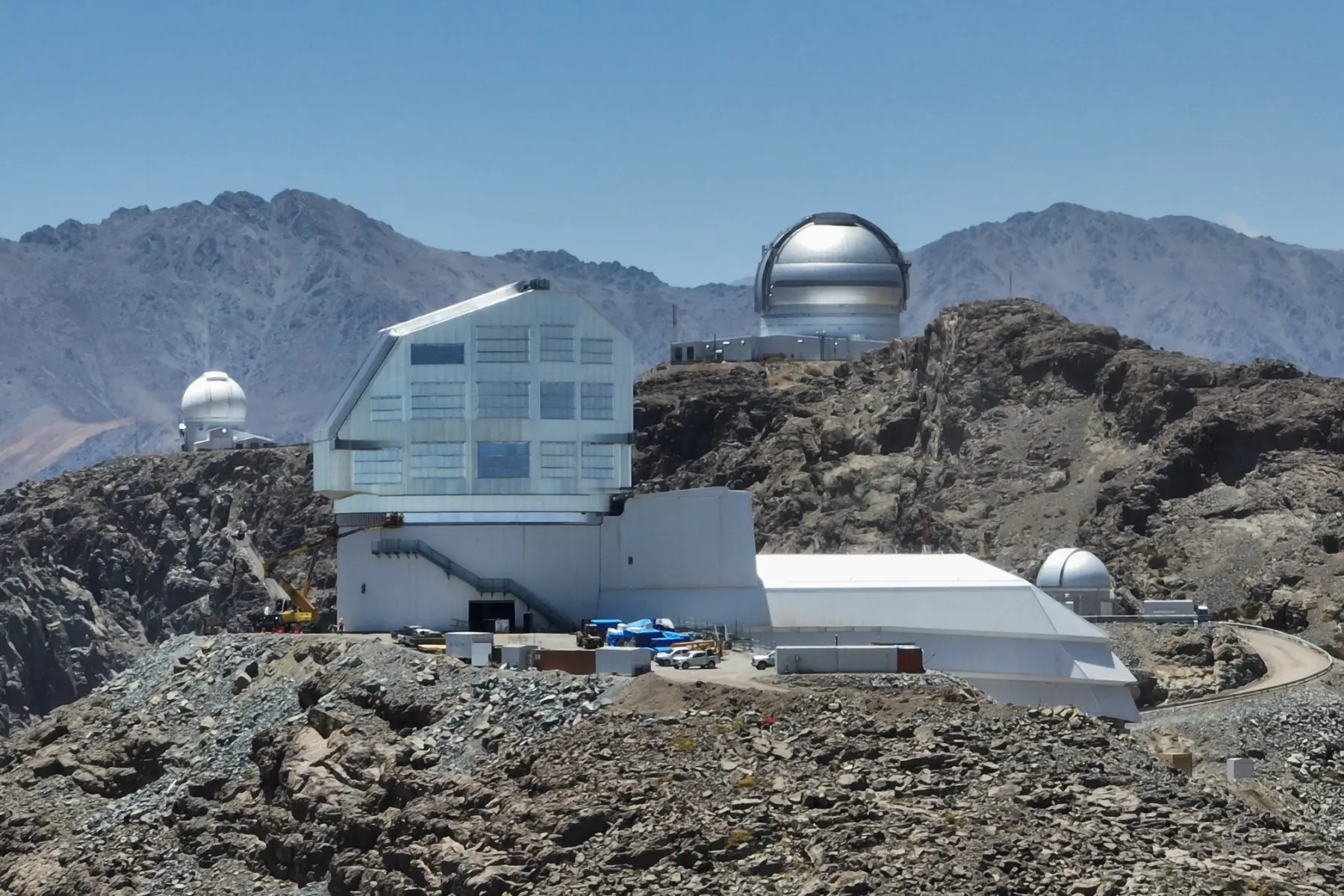
Chile observatory can make more such discoveries
The Vera C. Rubin Observatory, which houses the world's largest telescope and started operation earlier this year, is poised to make more such discoveries - Cosmic wonders and events that have not been captured yet.
)
)
)
)
)