Learning to fly a fighter jet without leaving the ground: The simulator revolution in pilot training

Flight simulators are changing how pilots training, offering safe, low-cost, high-tech practice for fighter jet and airline crews alike. With VR and advanced controls, trainees now prepare for the skies without leaving the ground. Here's how the simulator age is taking off.
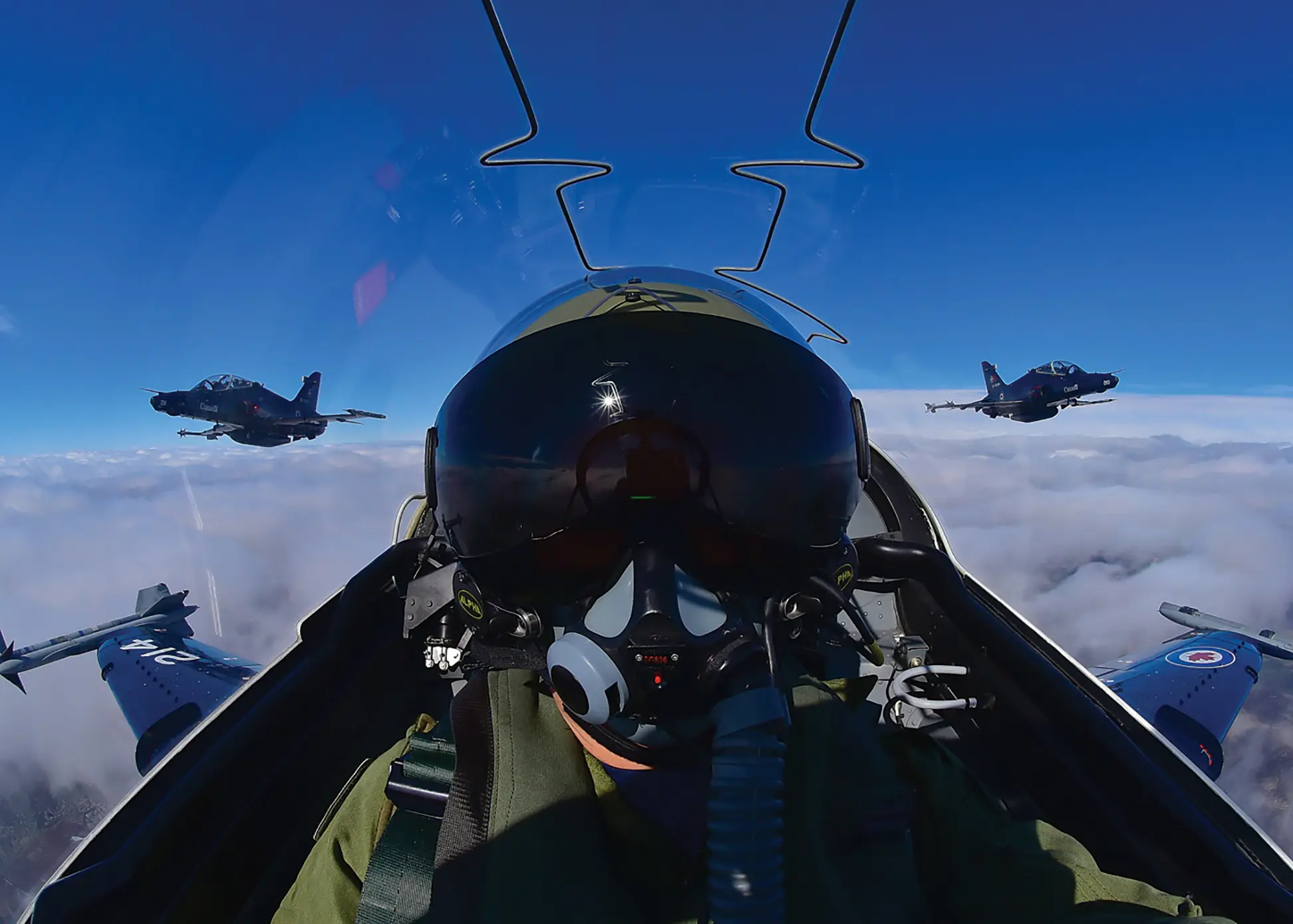
The Rise of Pilot Simulators
Modern pilot training is changing fast. Flight simulators advanced machines that copy real flying let students practise in a safe place on the ground. This technology is now at the centre of pilot education, saving time and boosting safety for air forces and airlines worldwide.
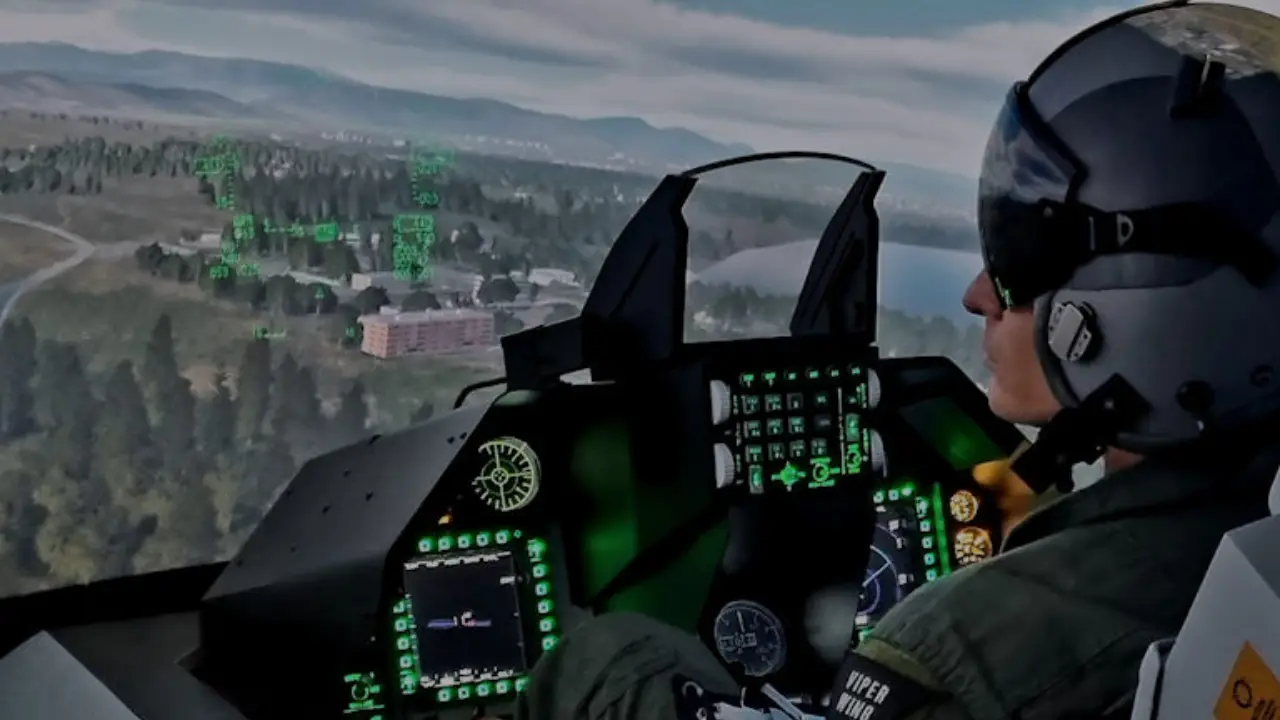
What Is a Flight Simulator?
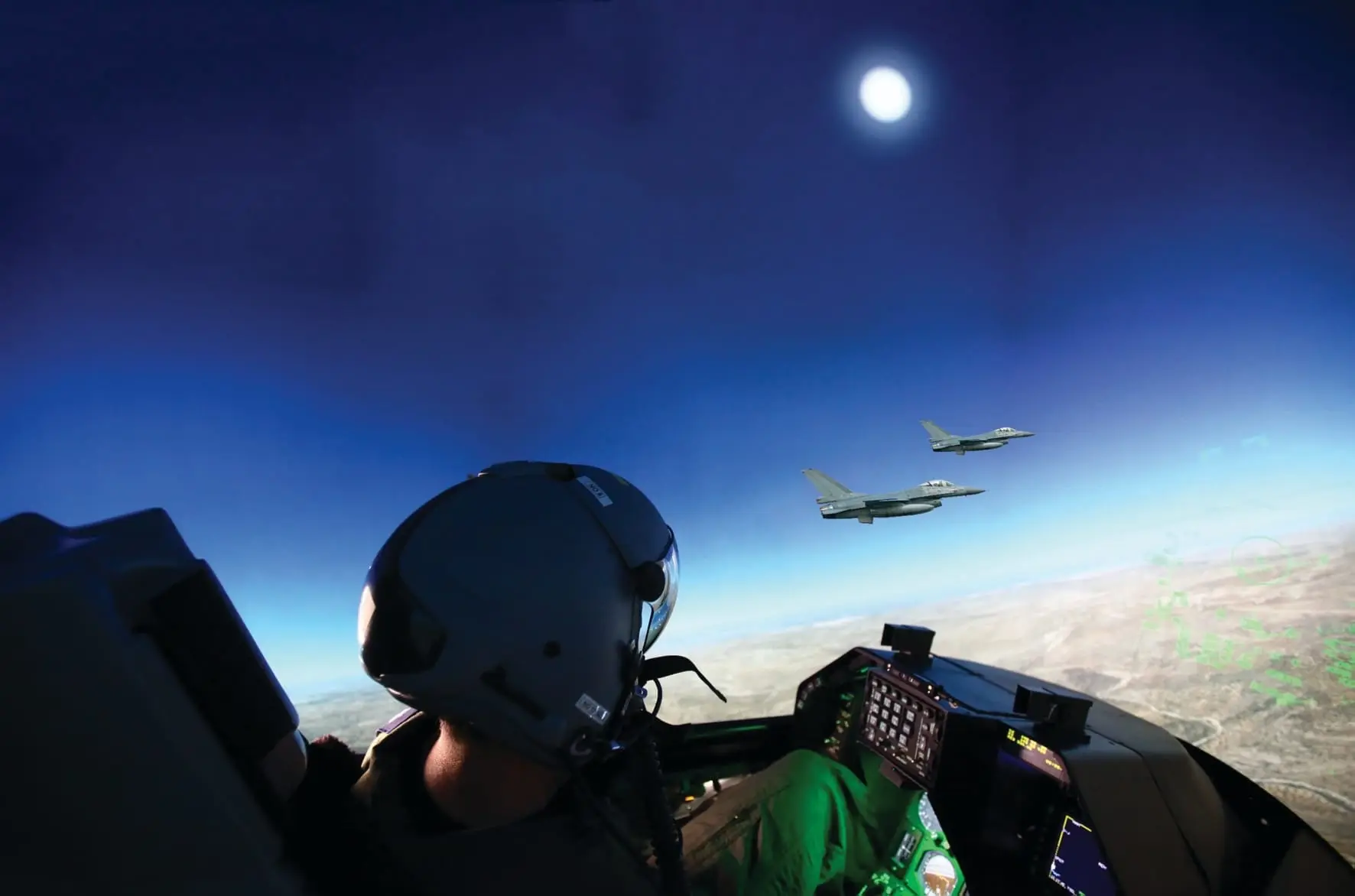
Flight simulators look and feel like a real cockpit, with working controls and screens showing the sky and ground. Pilots can practise flying, landing, and handling problems such as bad weather and emergencies without risk. Simulators use top computers, VR and sometimes moving platforms to add realism.
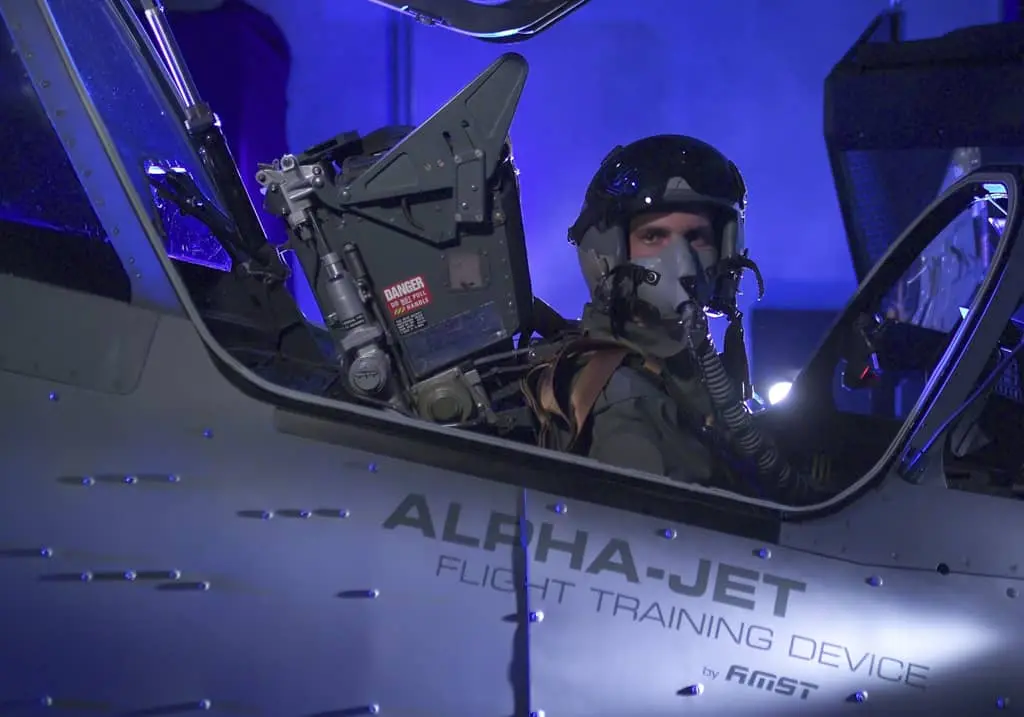
Cutting Training Costs and Time
Training in real jets is expensive and burns fuel. Simulators cut costs, as they use less energy and mean less wear on aircraft. Training can be repeated as often as needed, which speeds up learning and lowers costs for both military and civil pilot schools.
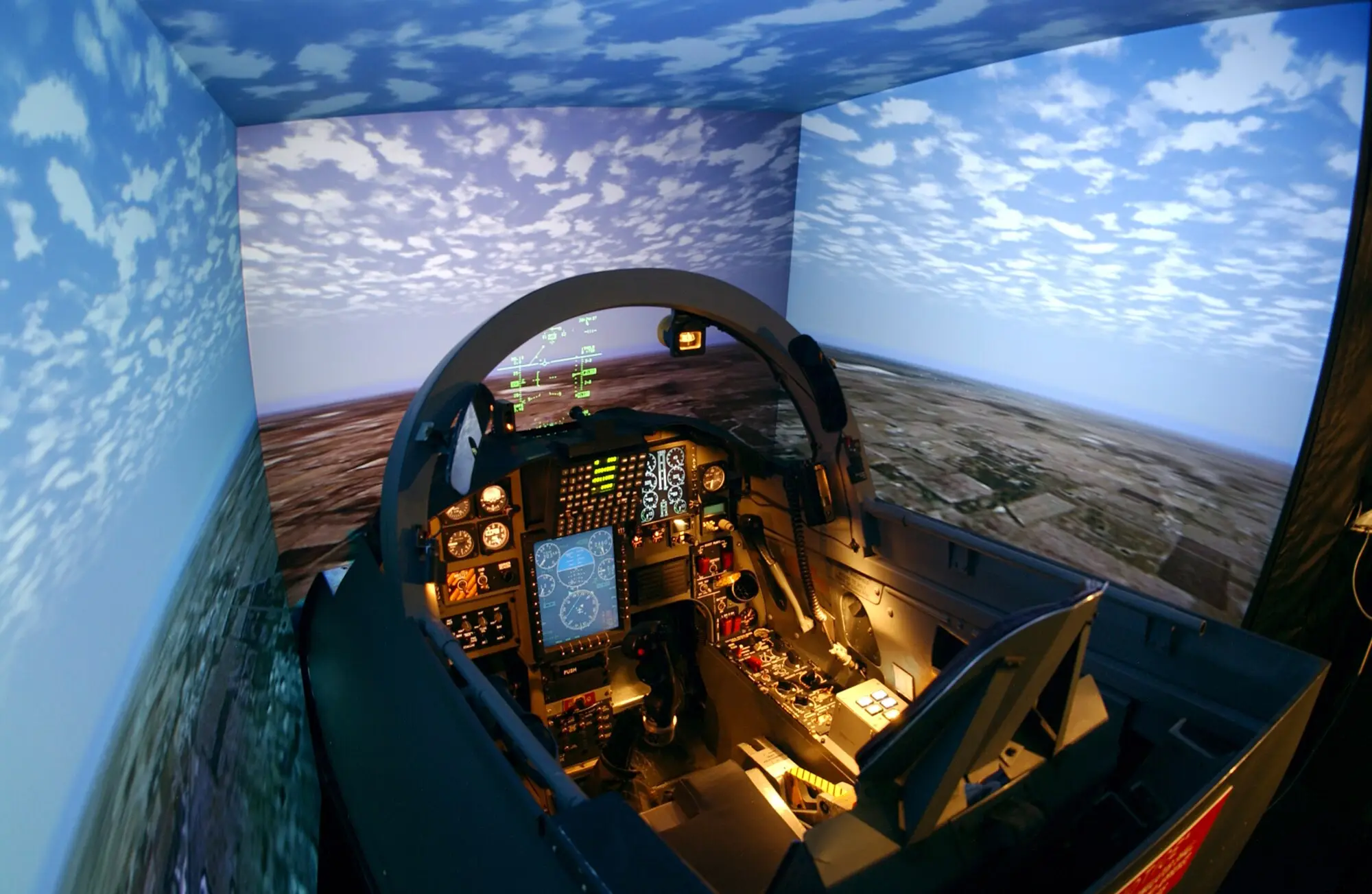
The T-38 Talon Simulator in Action
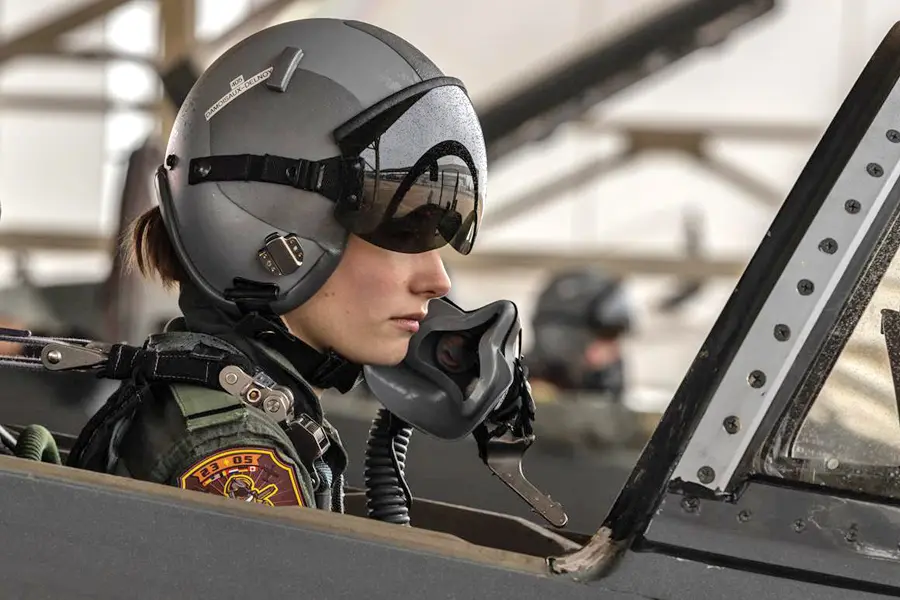
The U.S. Air Force uses the T-38 Talon jet and its simulator for pilot training. The T-38 simulator lets trainees practise high-speed flying and quick decisions just like in a real jet. NASA also uses the T-38N simulator for astronaut readiness and skill building.
Global Standards with the ENJJPT
The Euro-NATO Joint Jet Pilot Training Programme (ENJJPT) at Sheppard Air Force Base trains pilots from 14 countries. Using advanced simulators, student pilots get ready for combat missions in a safe, cost-effective way. This shared training builds skill and teamwork for NATO allies.
Virtual Reality and the Next Frontier
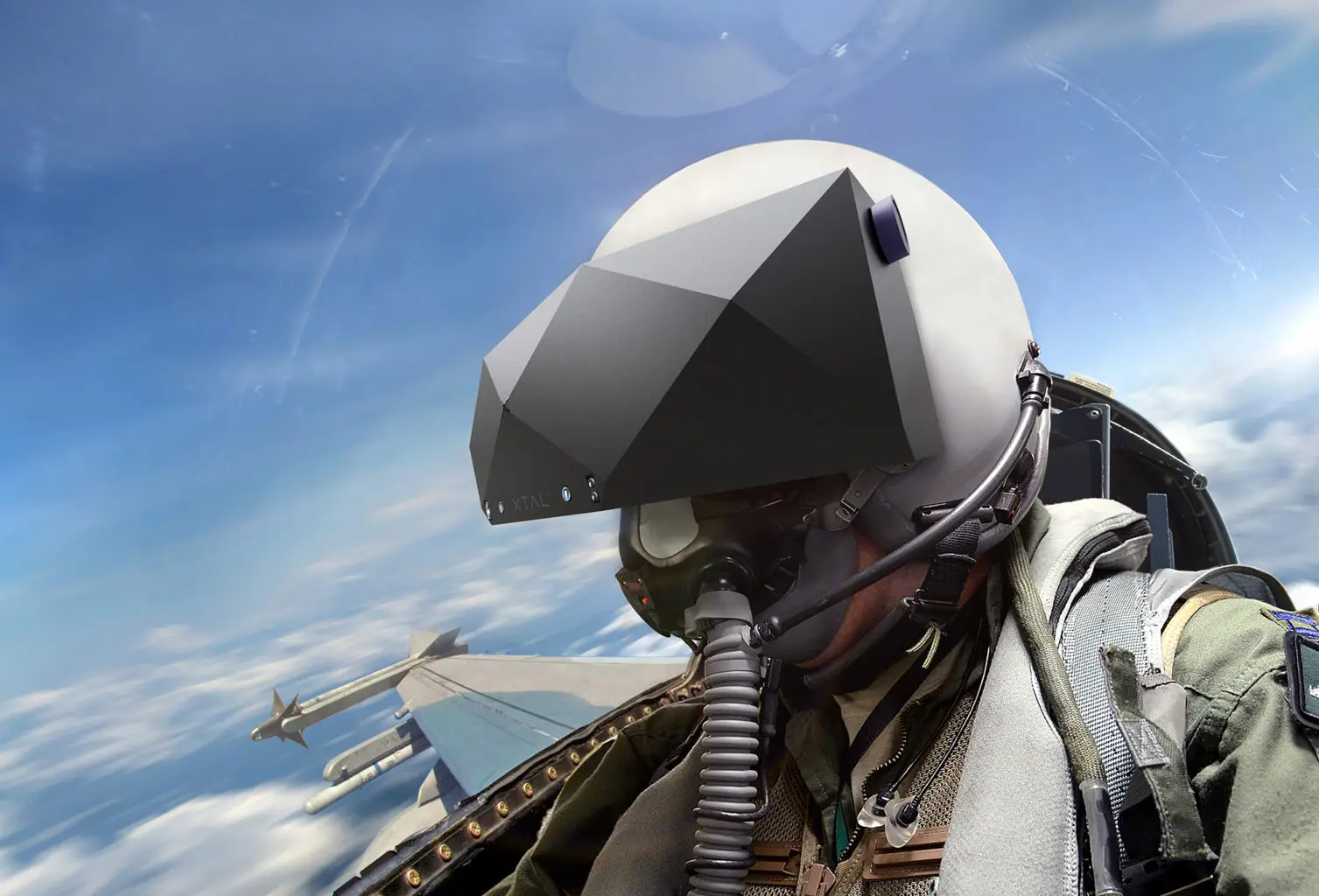
VR and AR simulators are making pilot training even more real. With VR headsets, pilots can experience 360-degree views and practise complex missions. This technology helps address a shortage of pilots by making training faster and more flexible.
The Future Ready for Take-off
Simulators are now vital in making pilot training safer, cheaper, and more effective. They prepare pilots for emergencies and real flights without ever leaving the ground. As technology grows, expect simulators to keep shaping the future of global pilot training.
)
)
)
)
)