LCH Prachand: 6 core features of India’s indigenous attack helicopter

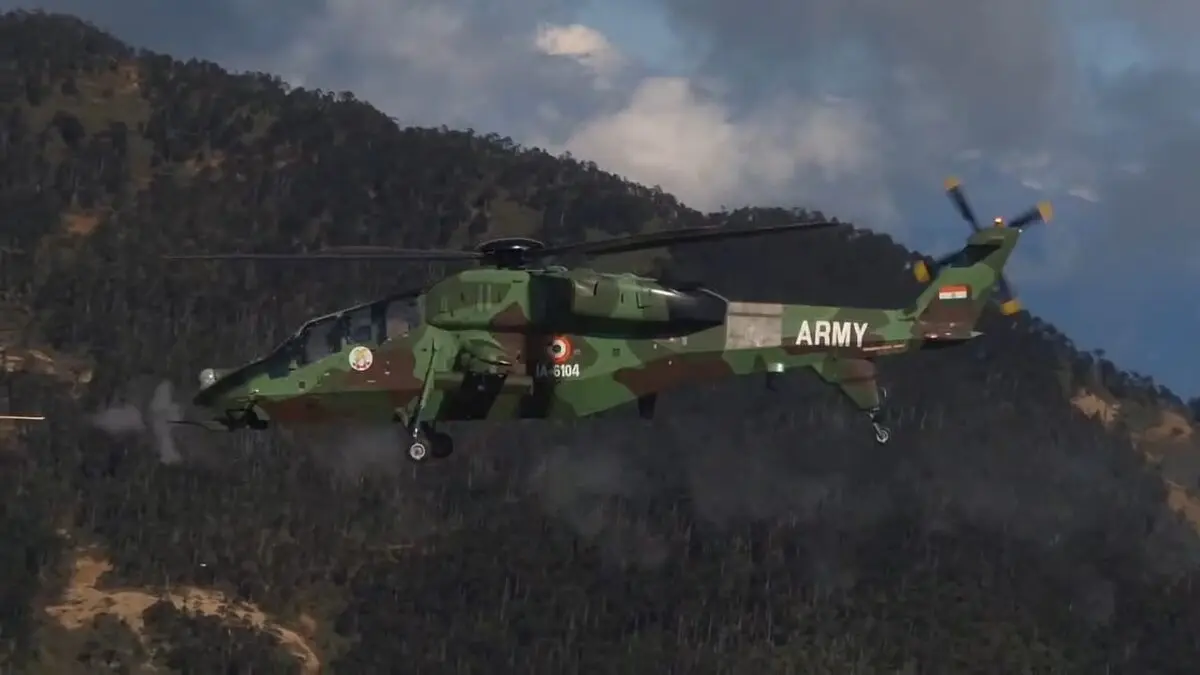
The helicopter was designed with maximum commonality with the Advanced Light Helicopter (ALH), and it features a narrow fuselage with the pilot and co-pilot or gunner seated in tandem.

Purpose and Design Philosophy
The Light Combat Helicopter (LCH) came into being, in order to meet the Indian Air Force’s requirement for a dedicated light helicopter for combat operations. The helicopter was designed with maximum commonality with the Advanced Light Helicopter (ALH), and it features a narrow fuselage with the pilot and co-pilot or gunner seated in tandem. This layout is helpful in allowing enhanced combat visibility along with operational efficiency. Here are six key features of the LCH, which was named 'Prachanda' during it's formal induction in the Indian Air Force in 2022.
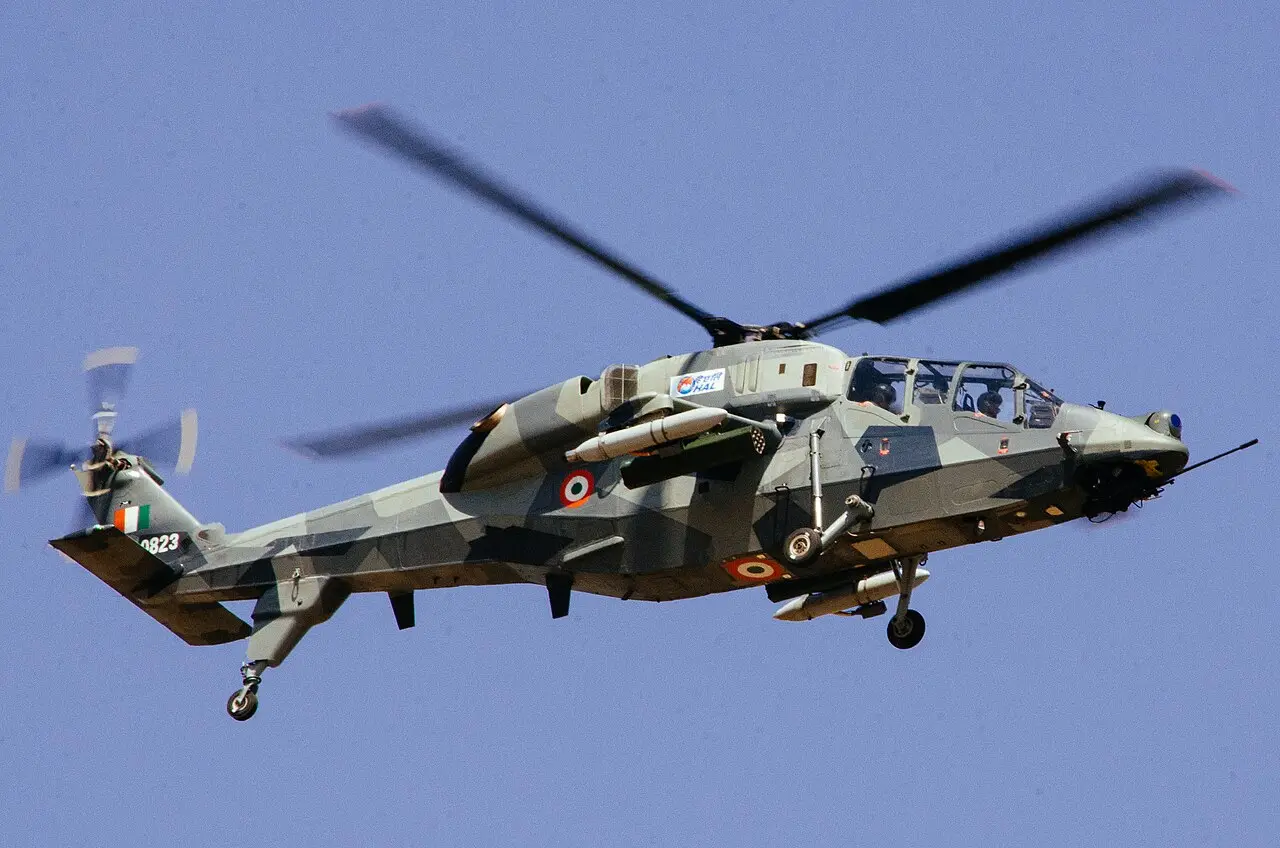
1. Performance and Operational Capabilities
The maximum take-off weight (MTOW) of the LCH is 5,800 kg. It has a top speed of 268 km per hour, and a service ceiling of 6.5 km. With an oblique climb rate of 12 metres per seconds, it has a range of 550 kms. The oblique climb rate allows it to operate in high-altitude environments such as the Himalayas. These parameters, along with its lightweight, agile airframe, and integrated systems, make the LCH suitable for rapid deployment and sustained operations under challenging conditions.
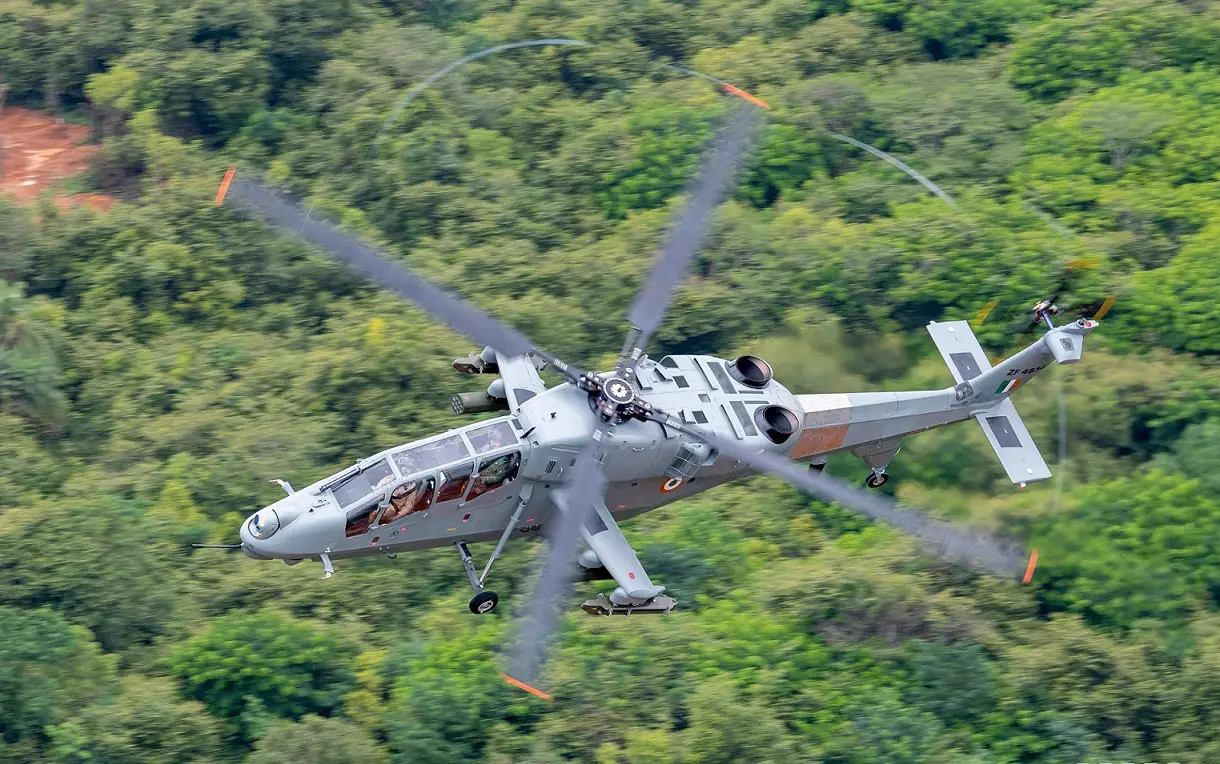
2. Advanced Airframe and Stealth
The incorporation of a narrow fuselage with canted flat panels in the LCH helps in reducing radar cross-section, enhancing its stealth capabilities. Its crashworthy bottom structure and fixed tricycle-type landing gear along with tail wheel improve survivability especially during hard landings, while the integrated dynamic system, hinge-less main rotor, and bearing-less tail rotor provide stability and vibration reduction in flight.
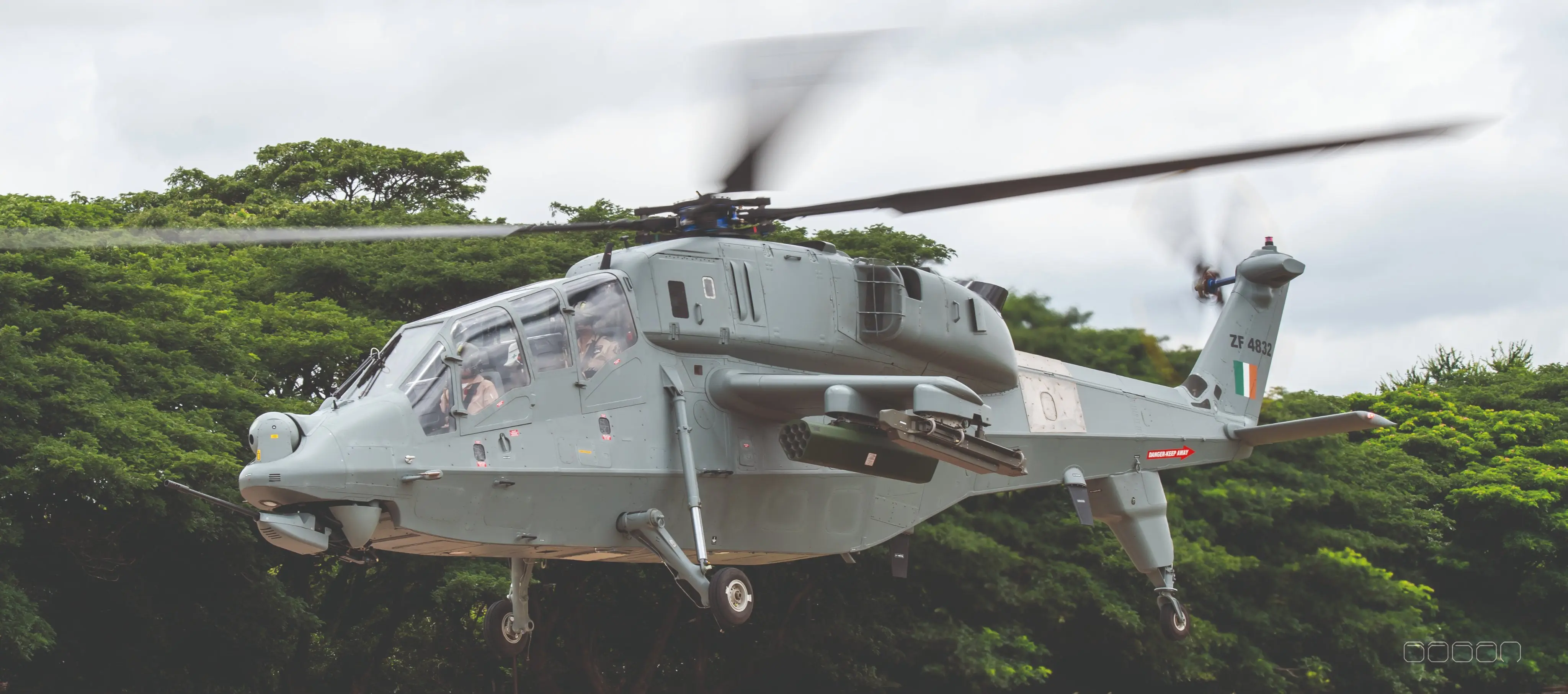
3. Weapons
The LCH has the ability to carry a 20 mm gun, 70 mm rockets, air-to-air missiles (ATAM), and air-to-ground missiles (ATGM), enabling a full spectrum of attack operations. These integrated systems ensure that in a contested environment, the LCH can deliver precision firepower while maintaining situational awareness.
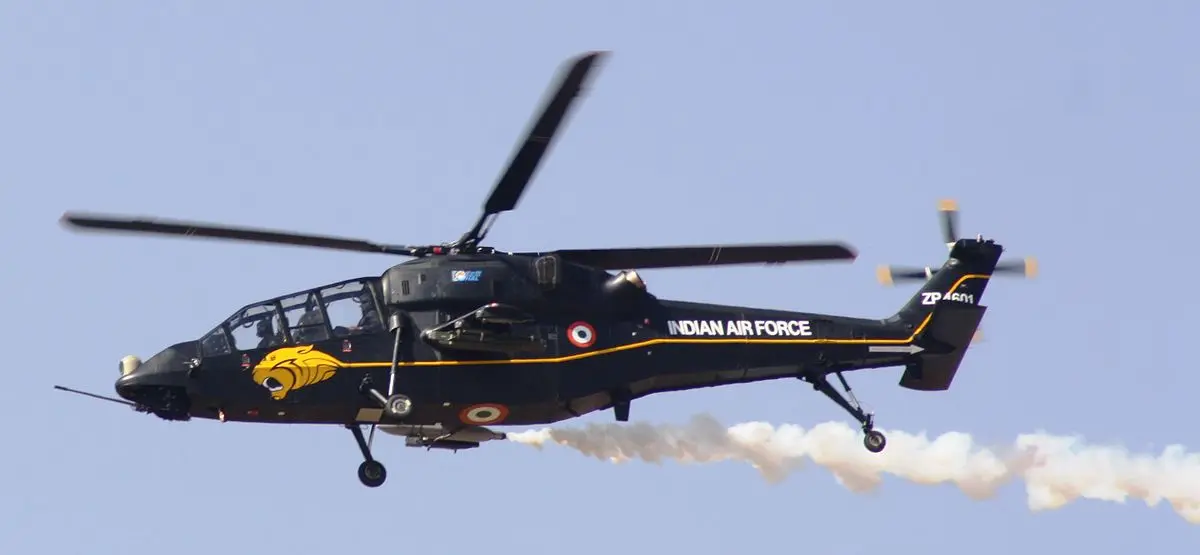
4. Glass Cockpit and Integrated Display
Equipped with a glass cockpit and an Integrated Architecture and Display System (IADS), the LCH provides pilots with comprehensive situational awareness. With the help of this integrated avionics suite- precise navigation, target acquisition and mission management becomes possible, features that are crucial for operations in complex combat environments.
5. Sensors, Avionics and Combat Systems
Aided by its Electro-Optical (EO) pod, Helmet Mounted Display System (HMDS), and electronic warfare suite, the LCH is capable of night operations. These systems help the pilots to detect and engage targets accurately even under low-light conditions, thus ensuring round-the-clock operational readiness.

6. Defensive and Survivability Systems
Survivability of the helicopter has been enhanced with an infrared suppressor and Counter Measuring Dispensing System (CMDS) that proves effective when defending against incoming missiles. Armour protection for crew and critical components further increases resilience, making the LCH capable of withstanding hostile fire while maintaining mission effectiveness.
)
)
)
)
)