Launch, postpone, repeat: All about Shubhanshu Shukla’s bumpy road to the ISS

The mission was initially scheduled to launch on May 29, 2025, marking India’s return to human spaceflight after 41 years. The first Indian to travel to space was Rakesh Sharma in 1984.
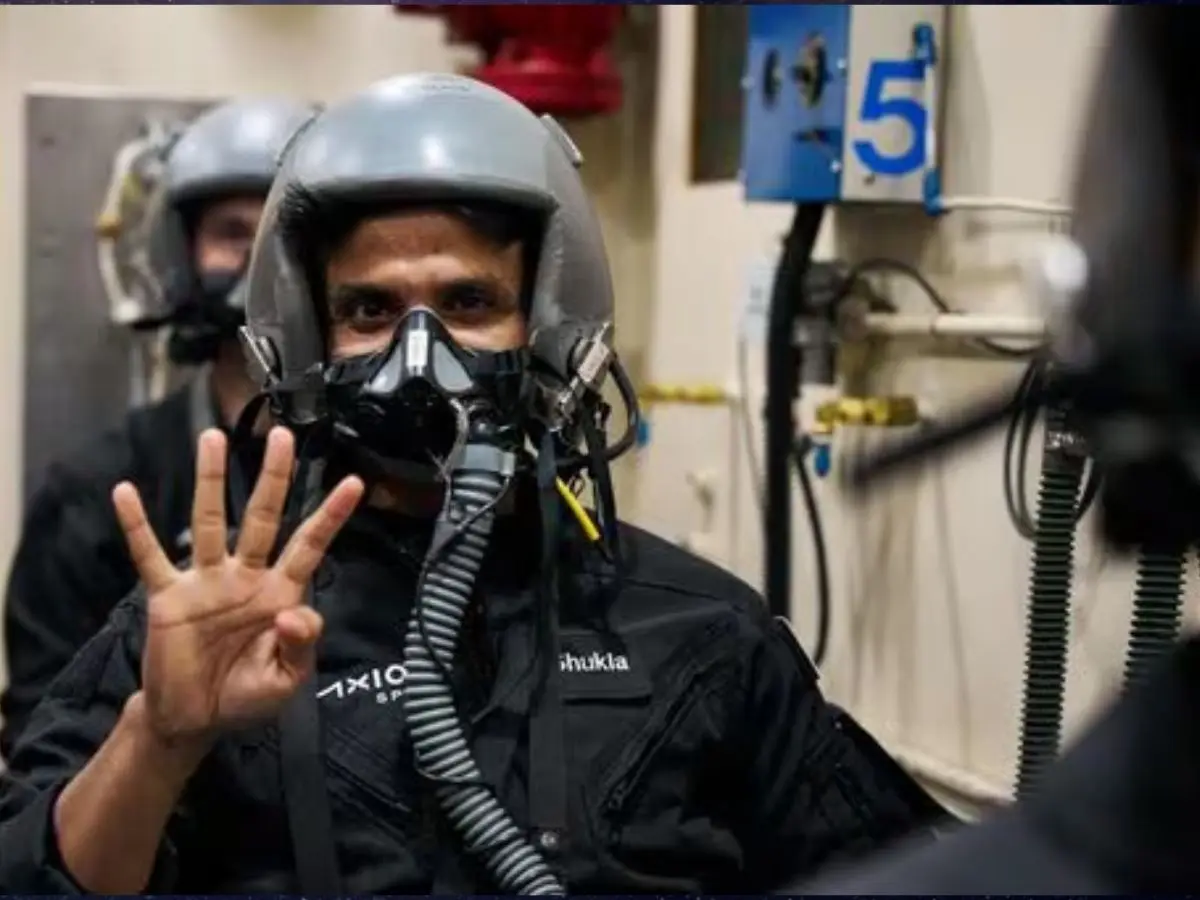
May 29 – Technical Glitch in Crew Dragon Harness
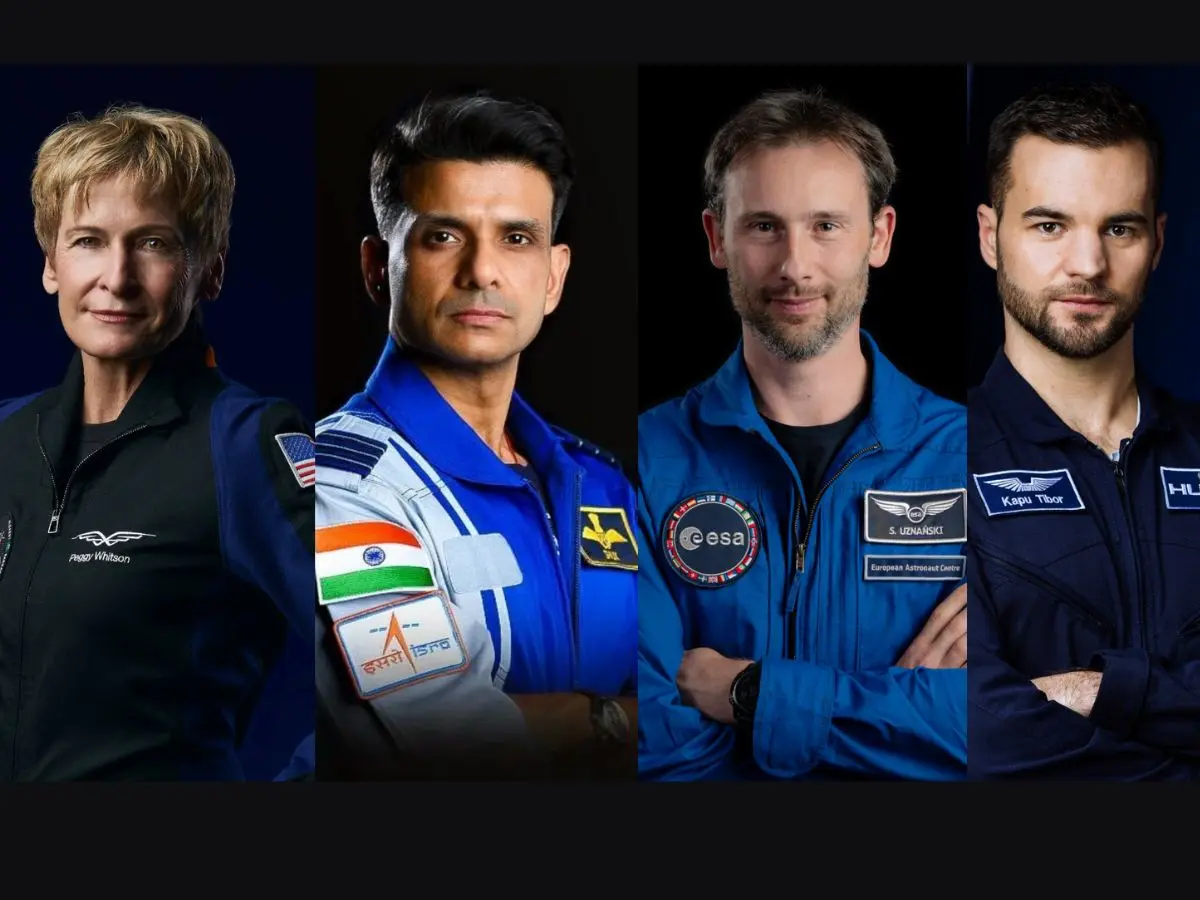
Recently, the launch of the Axiom-4 mission, which includes India's Shubhanshu Shukla along with three other astronauts, was pushed back. The mission was initially scheduled to launch on May 29, 2025, marking India’s return to human spaceflight after 41 years. The first Indian to travel to space was Rakesh Sharma in 1984. However, a pre-launch inspection revealed an issue during the 'observation in the electrical harness' of the SpaceX Crew Dragon spacecraft. This observation led to the initial postponement of the mission, later pushing the mission to June 8, hence allowing time for thorough system checks and the coordination with the International Space Station (ISS).
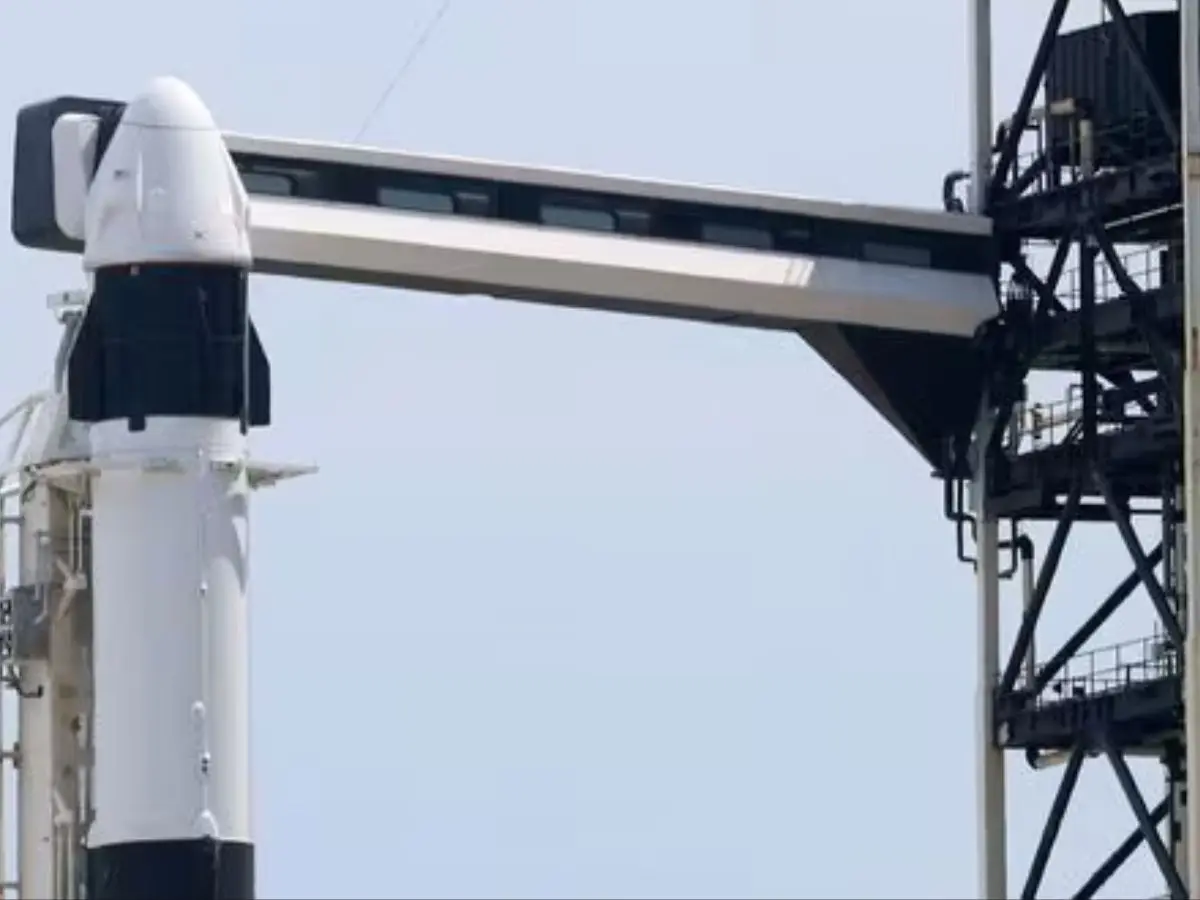
June 8 – Falcon 9 Not Ready
On 8 June, the mission faced its second delay. Though no major anomalies were reported, both Axiom Space and NASA said further system validation was required. In reality it was alleged that the Falcon 9 launch vehicle was not fully ready. The agencies later rescheduled the launch for June 9.
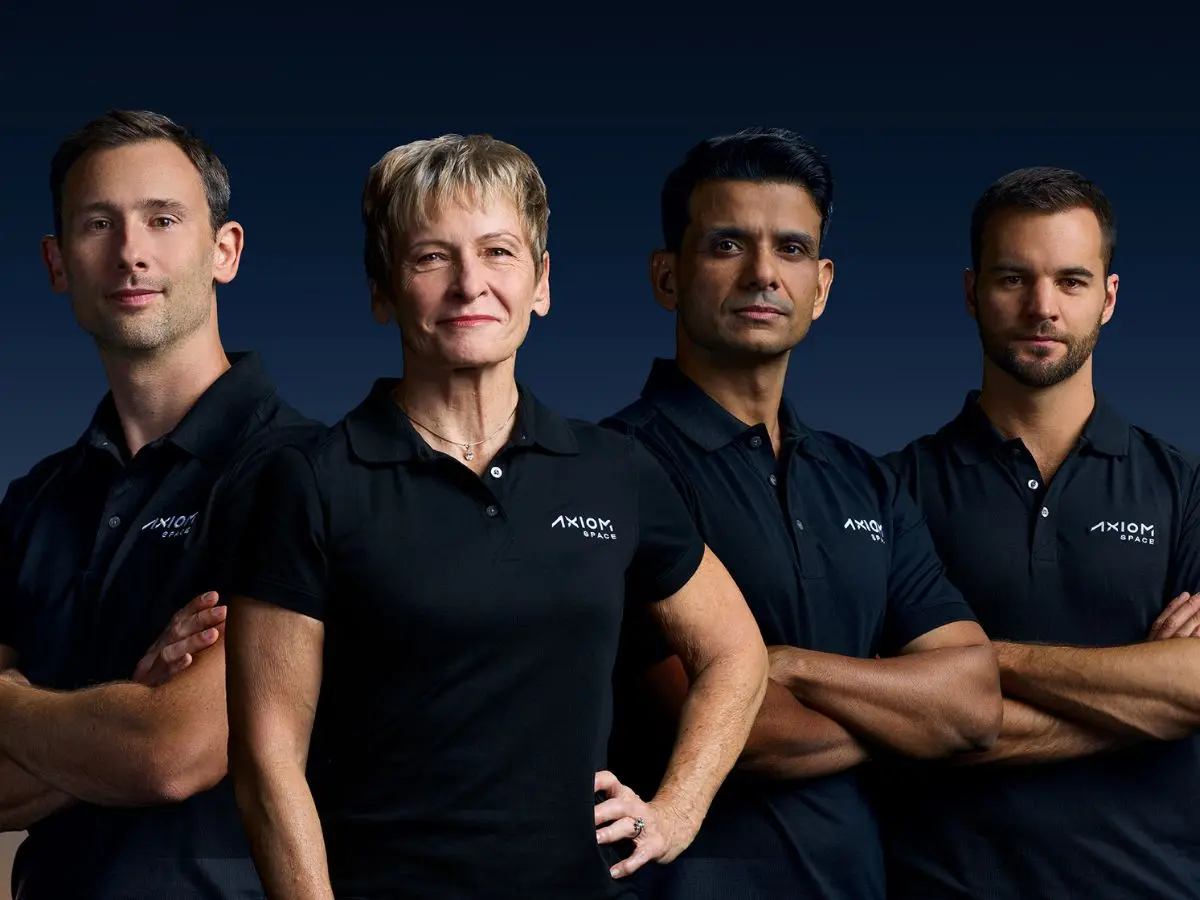
June 9 – Weather Grounds Launch
Though the rocket and spacecraft were technically cleared, the weather conditions along the rocket's ascent path became the next hurdle triggering another 24-hour delay. To ensure crew safety and mission success, the launch was delayed to June 10, due to unfavourable conditions at Cape Canaveral, where the vehicle
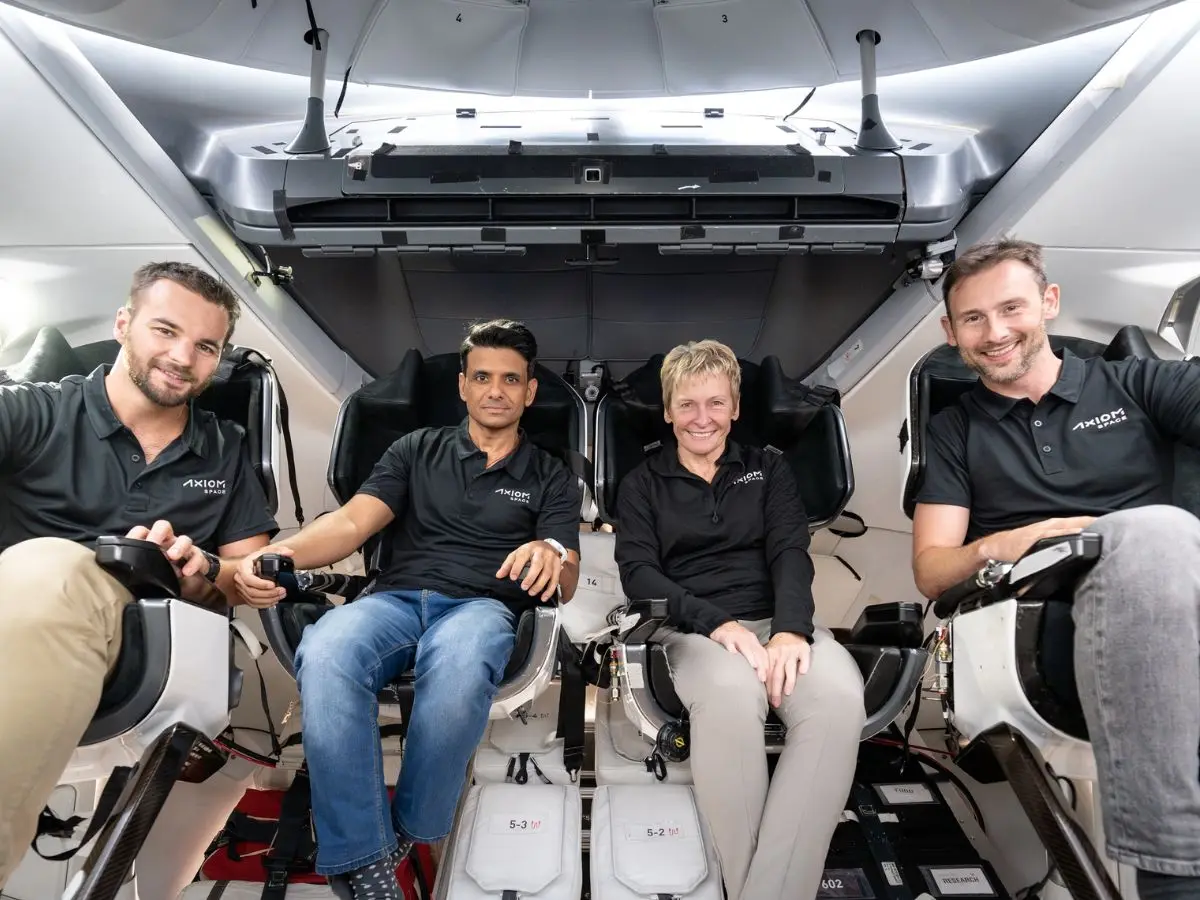
June 10 – Liquid Oxygen Leak Found
Just before the 11 June window, a leak in the liquid oxygen system of Falcon 9 was detected during a static fire test of the rocket. Additionally, one of the rocket’s actuators also showed a minor anomaly, though not critical. Hoping for a quick fix, engineers initially kept the June 11 date, but the technical issues necessitated more time and hence led to another delay as the components were replaced and re-tested.
June 11 – Air Leak in ISS Module
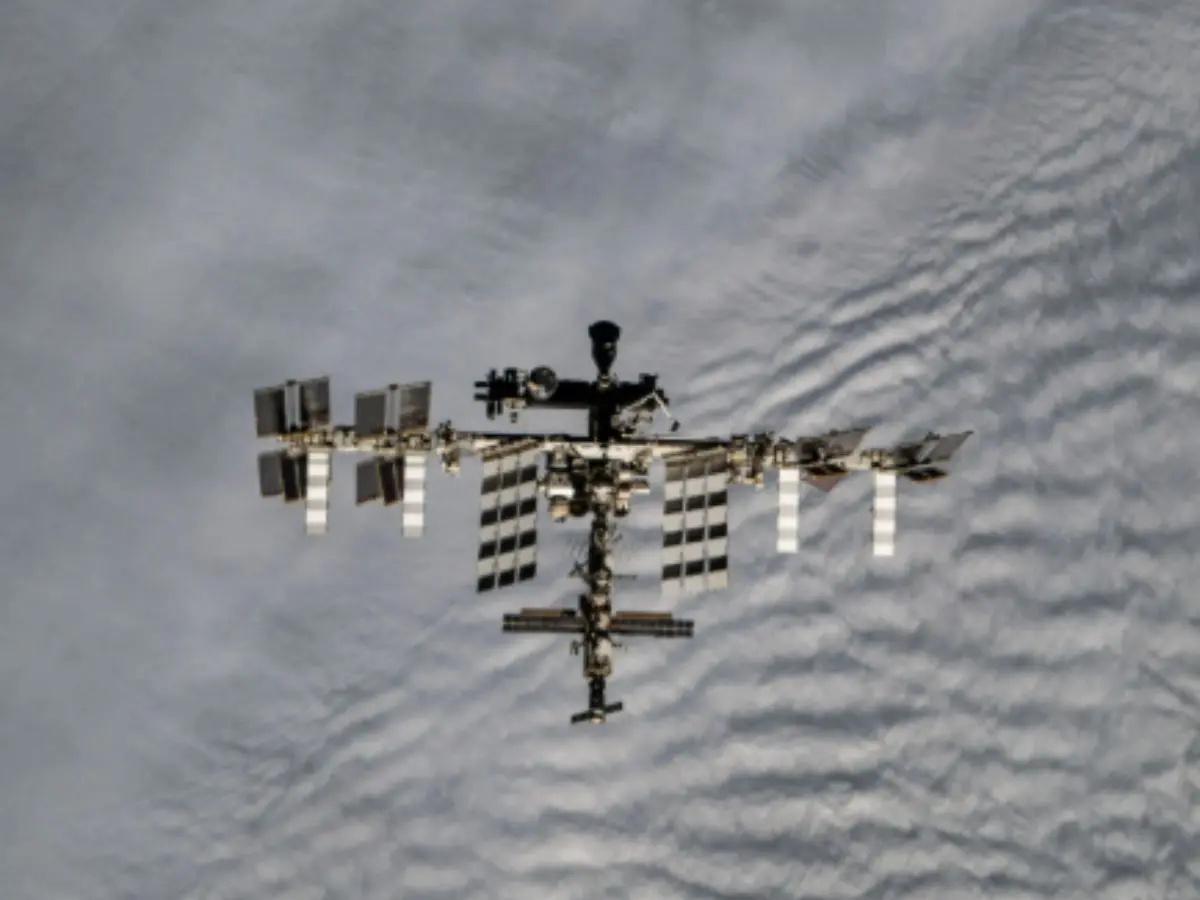
With the Falcon 9 rocket repaired, the focus shifted to the International Space Station itself. A pressure drop was discovered in the Russian Zvezda module pointing to a potential air leak. Both NASA and the Russian space agency, Roscosmos initiated joint inspections. Although the pressure was stabilised, NASA decided to allow more time to monitor the module, thus tentatively rescheduling the launch for June 22.
June 22 – Indefinite Hold Over ISS Readiness
The most recent delay was announced on 19 June, citing the ongoing assessments of recent ISS repairs and operational constraints. NASA cited operational constraints, further stating that the interconnected systems on the ISS required further review before admitting new crew. The launch thus, remains indefinitely postponed, with astronauts, including Indian pilot Shubhanshu Shukla, in quarantine in Florida, ready to fly once conditions permit.
)
)
)
)
)