Latest on 3I/ATLAS: Where is it headed, and what next to expect from interstellar comet?

Latest update on 3I/ATLAS: The interstellar comet is travelling through the solar system after crossing Mars in early October. It is now racing towards the Suna nd will soon reach perihelion. What next to expect from 3I/ATLAS?
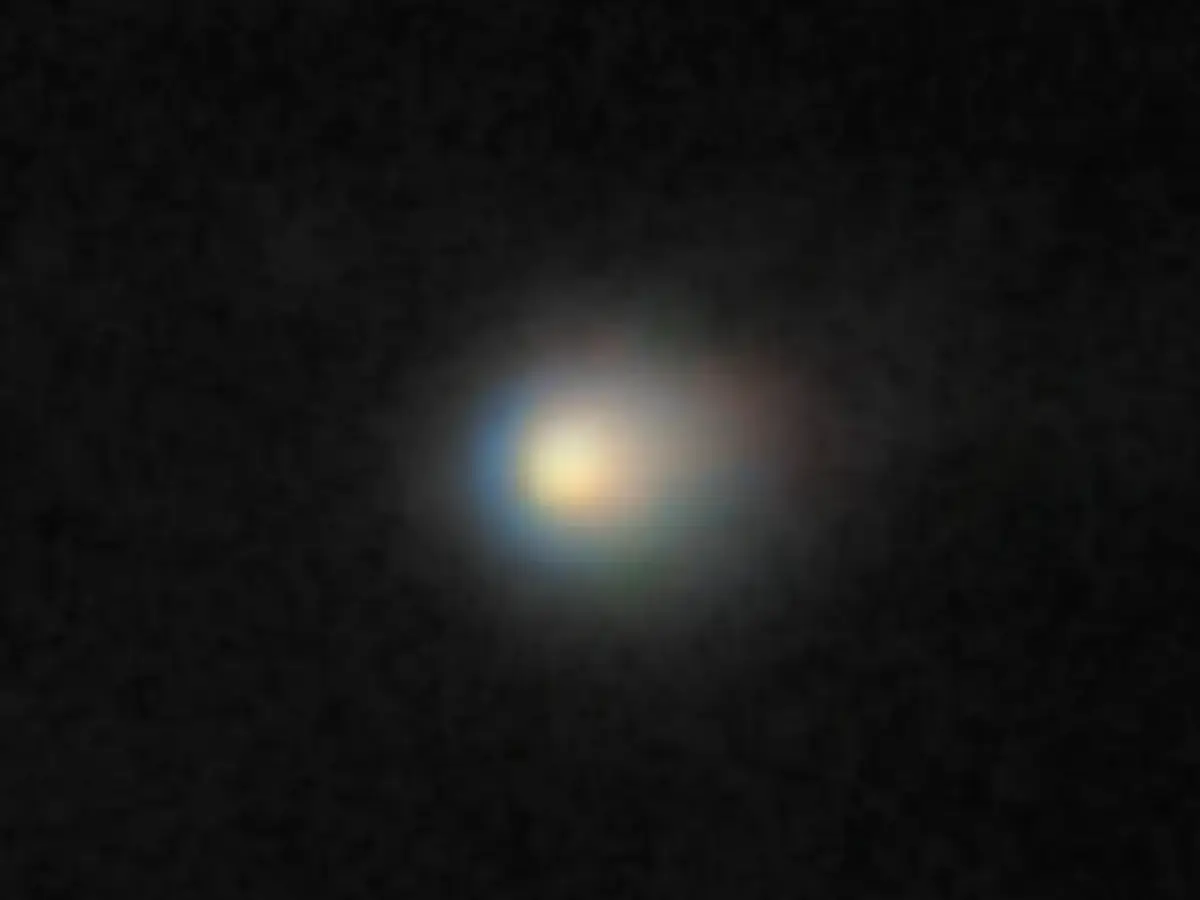
What to expect next from interstellar comet 3I/ATLAS?
Interstellar comet 3I/ATLAS has crossed Mars and is now moving towards the Sun. The mysterious visitor has been fascinating scientists ever since it was discovered on July 1. It is only the third interstellar object spotted in the solar system. The European Space Agency (ESA) released a photo of 3I/ATLAS captured by the Mars orbiter: ExoMars (TGO). We are still waiting for images taken by the Mars Express and NASA's Mars Reconnaissance Orbiter.
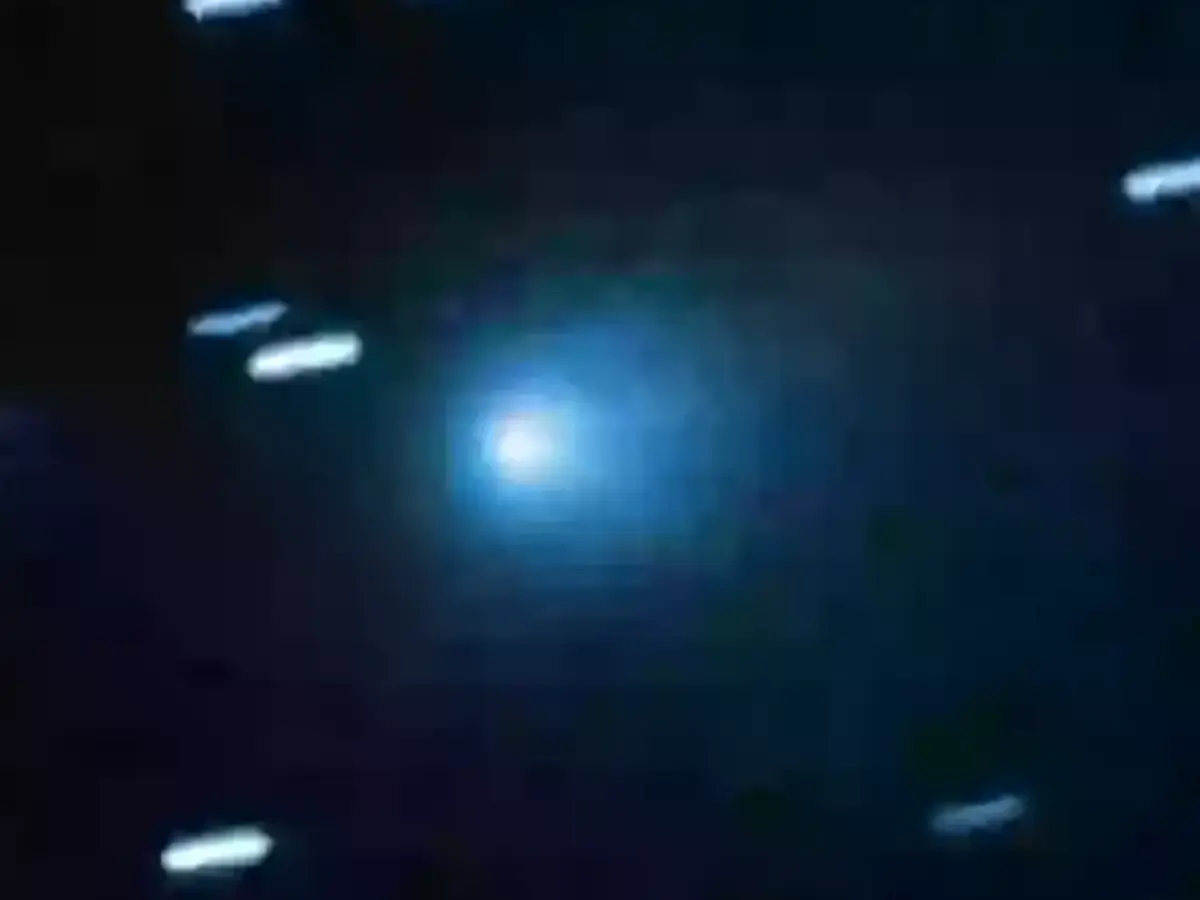
3I/ATLAS and its several anomalies
Scientists have been discussing what could happen next with 3I/ATLAS. Avi Loeb has asked the scientific community to open its mind and look at the anomalies presented by the object, and consider what if it is a piece of alien technology. He has flagged the risk that it could be an "alien mothership" coming to probe the planets.
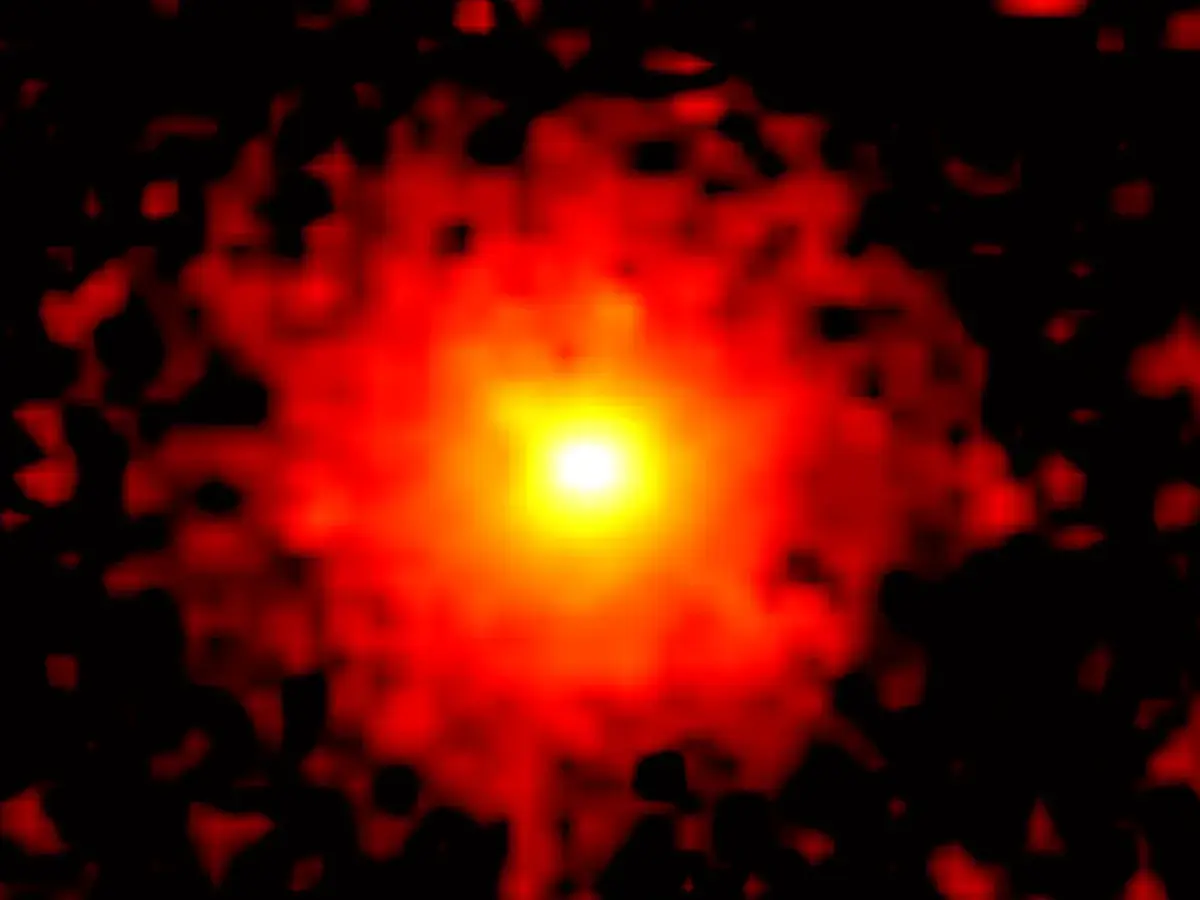
Where is 3I/ATLAS headed?
In this regard, what can we expect from the object believed to be a comet? Where is 3I/ATLAS headed, and could it present a threat to Earth? Here are a few things that could happen in the coming weeks.
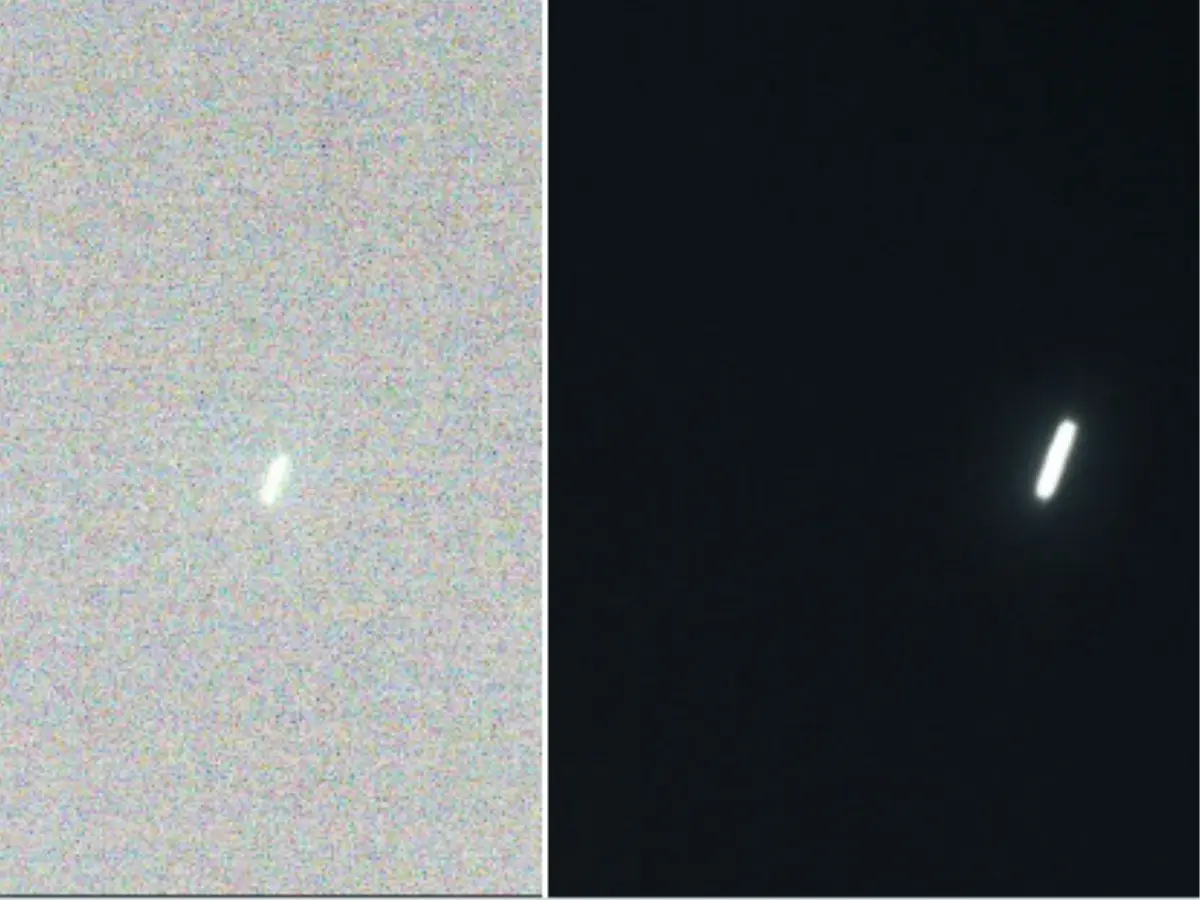
3I/ATLAS Mars flyby photos taken by a rover
3I/ATLAS has already crossed Mars. The flyby happened on October 3, when it was around 30 million kilometres from the Red Planet. This was a crucial date in its journey since this was the first time scientists could get a closer look at it. However, the ESA said it was like watching the Moon from Earth. The image revealed a bright coma with no tail.
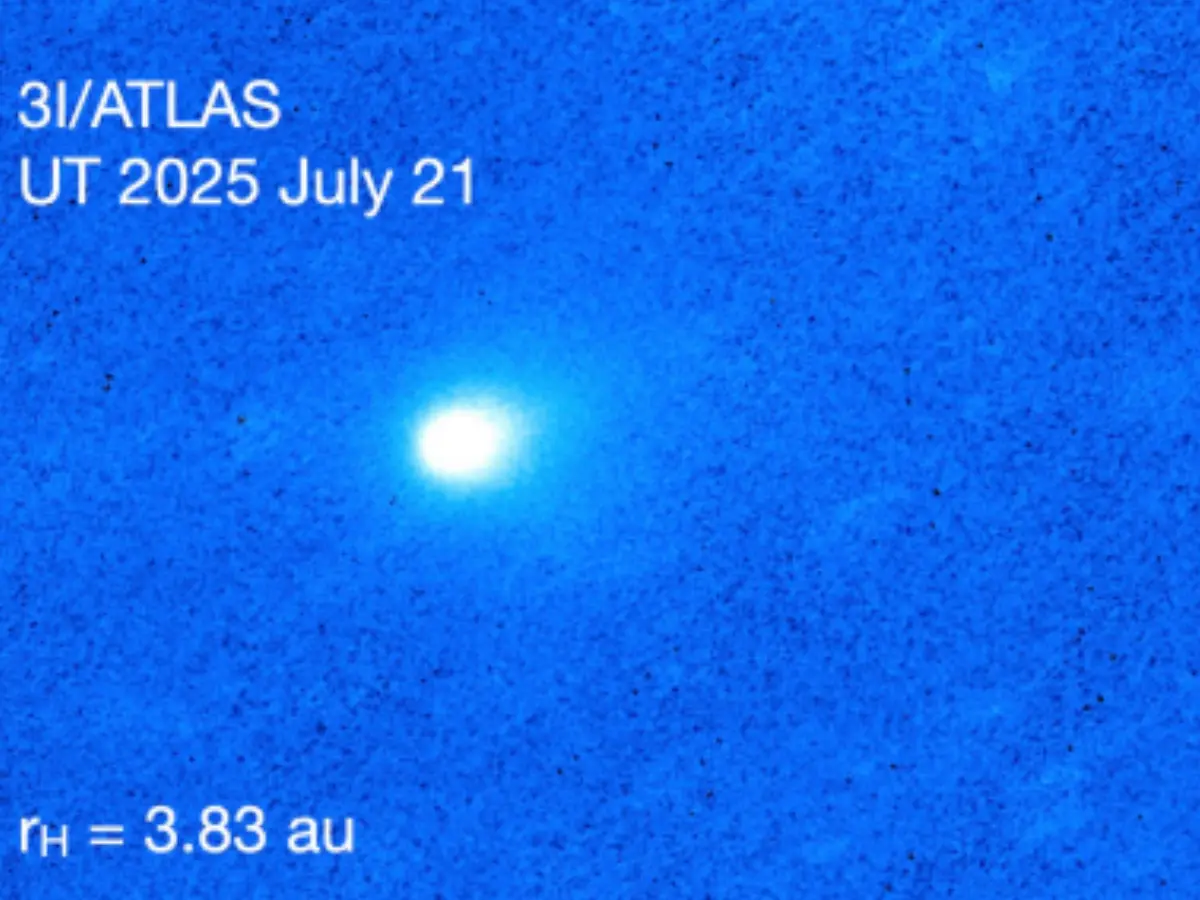
3I/ATLAS near Sun - Perihelion on October 29
Now 3I/ATLAS is travelling towards the Sun and will reach perihelion on October 29. This is another crucial moment in its trip. It will soon hide from our vision, and we won't see it for a long time. Harvard scientist Loeb thinks that if it is an alien spacecraft, it could use the Sun's gravitational force to swing itself towards Earth. This would bring it to our doorsteps, revealing its true nature.

3I/ATLAS could release mini probes
Loeb also claims that, supposing it is not a natural object, 3I/ATLAS could release mini probes which will then seed into the planets. This will be a way to study the bodies in our solar system. These probes could also "self-replicate" to spread far and wide and make the job of studying the planets easier.
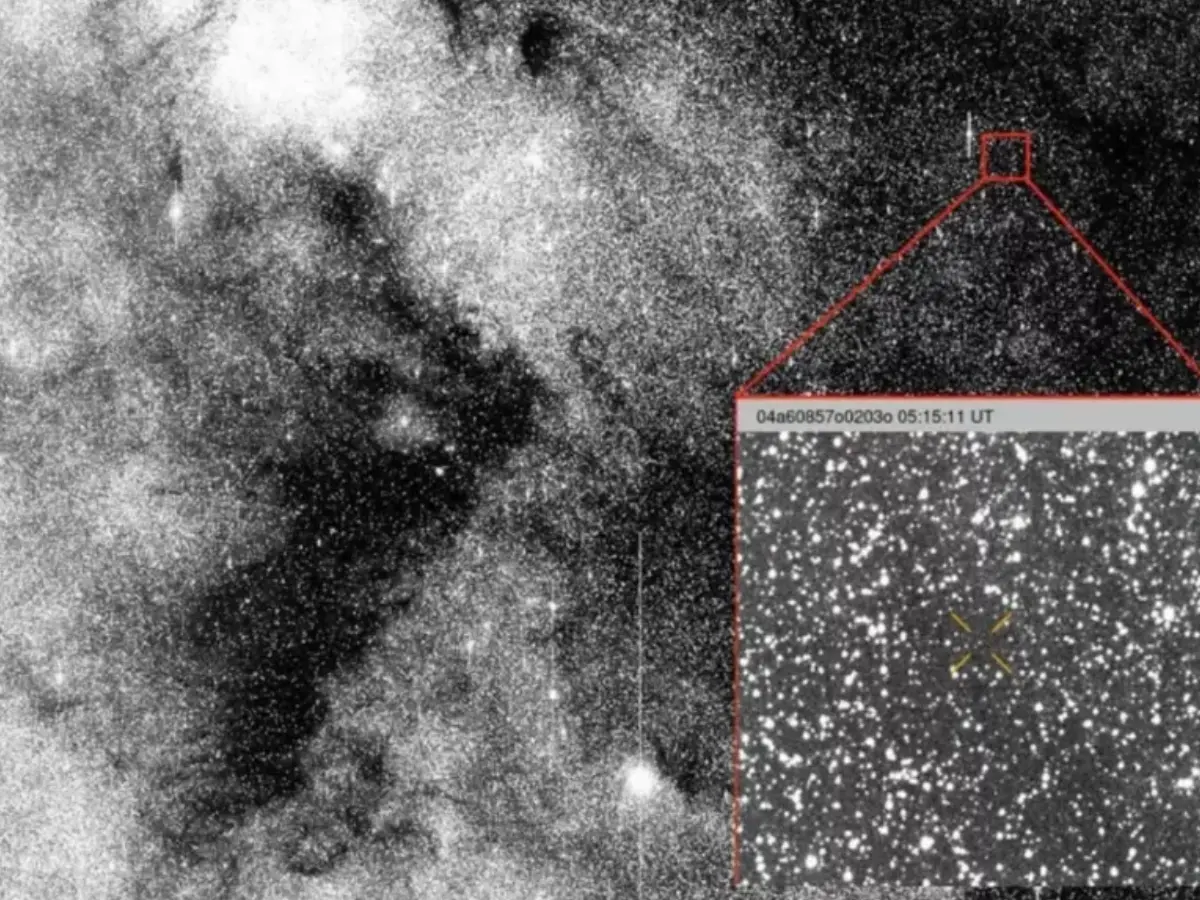
What happens if 3I/ATLAS is a comet?
If 3I/ATLAS is a comet, as is the common belief, it could start disintegrating as it approaches the Sun. This is common for comets due to the process of outgassing or gravitational forces. Comets also break apart because of the rotational stress from outgassing.
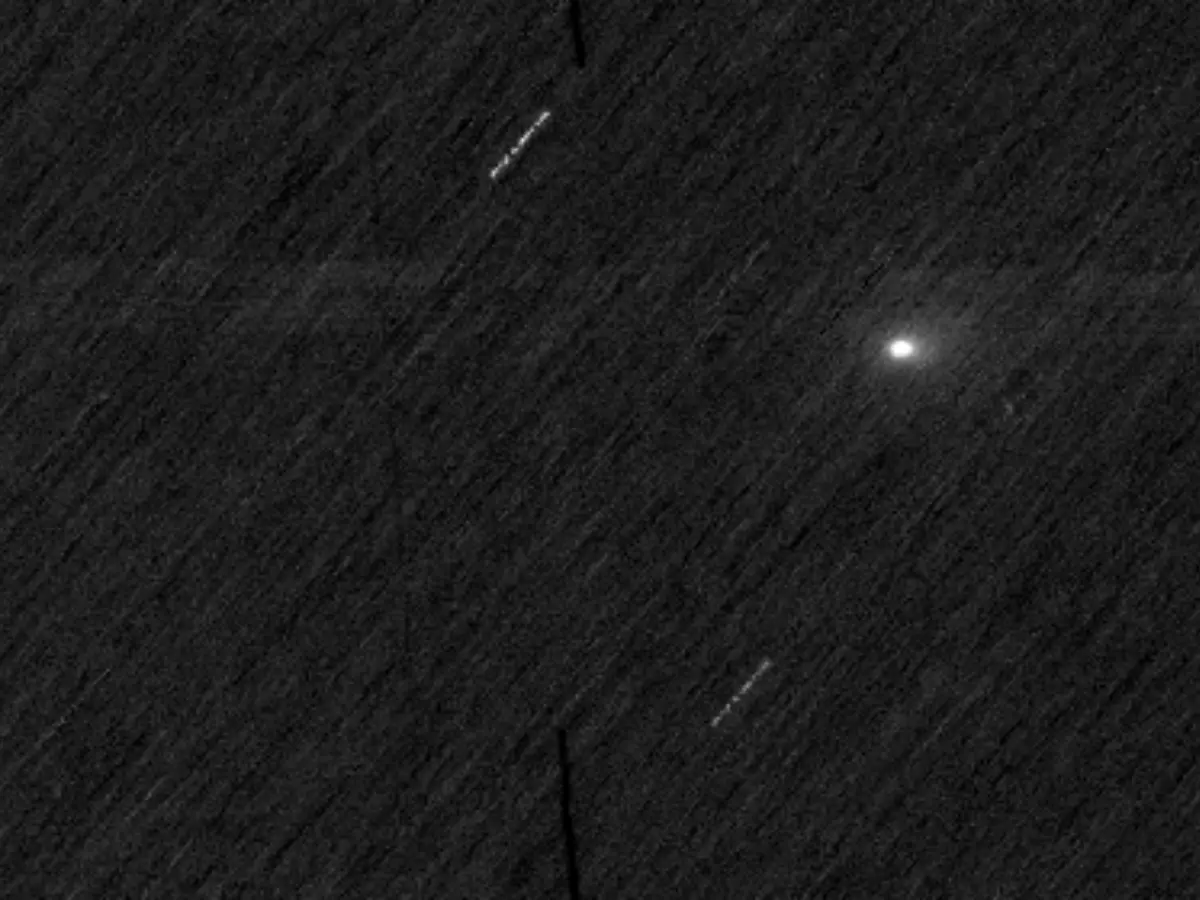
JUICE probe will study 3I/ATLAS in November
In November, ESA's Jupiter Icy Moons Explorer (JUICE) will be turned towards 3I/ATLAS. The spacecraft is best positioned to observe the interstellar object, and the space agency is expecting to get some great data. Since JUICE is positioned on the far side of the sun and uses a slower backup antenna to send data, observations on the comet aren't expected until February 2026.
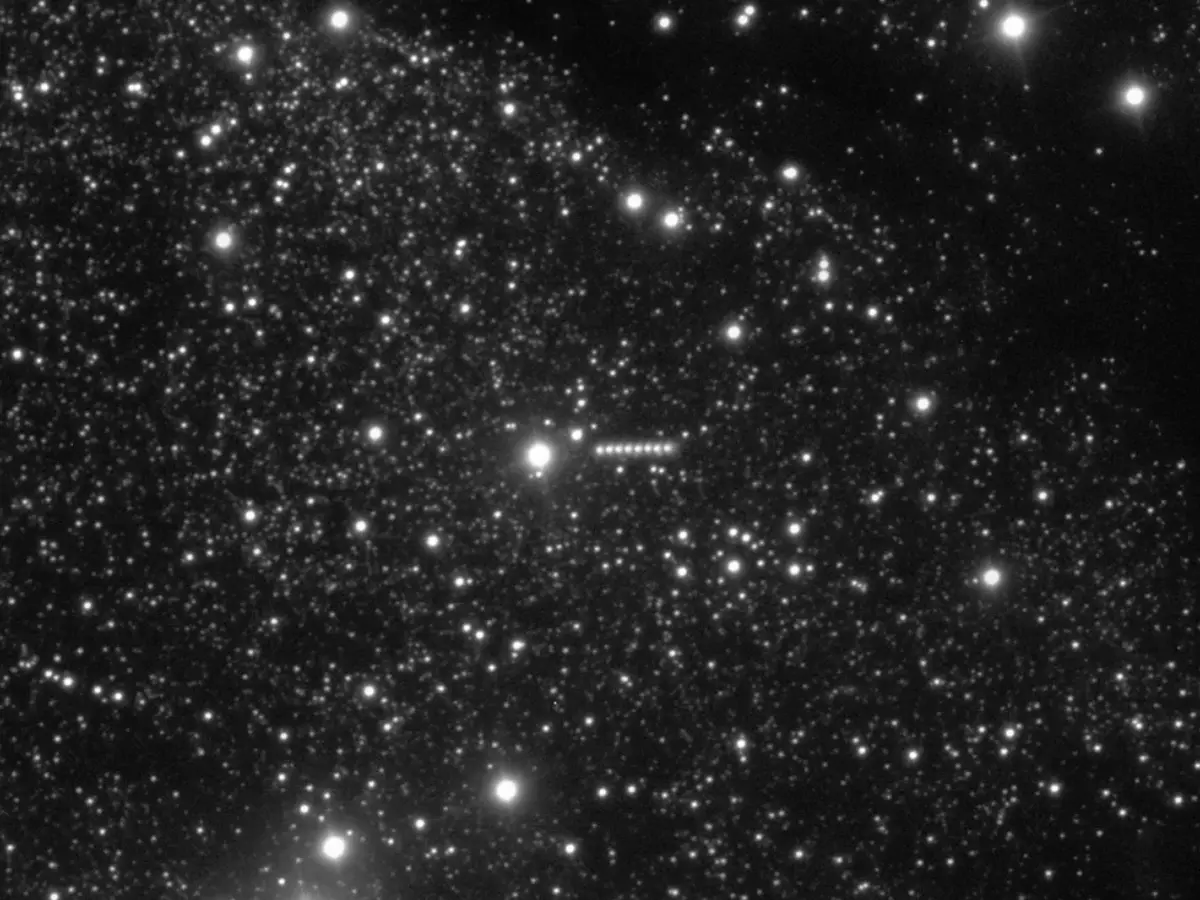
3I/ATLAS Earth arrival
If 3I/ATLAS survives its trip to the Sun, it will become visible once again from Earth. It will then make its closest approach to Earth in early December, when it will be 270 million kilometres from us. As per the current trajectory, 3I/ATLAS poses no threat to Earth.
)
)
)
)
)