Laser weapons at play in US-Iran war? How Space Force is helping locate missiles

The US-Iran war is seeing missiles being hit in the air and exploding soon after being launched. The US Space Force is helping locate these missiles after they are launched, after which ground forces are alerted, who then strike them.
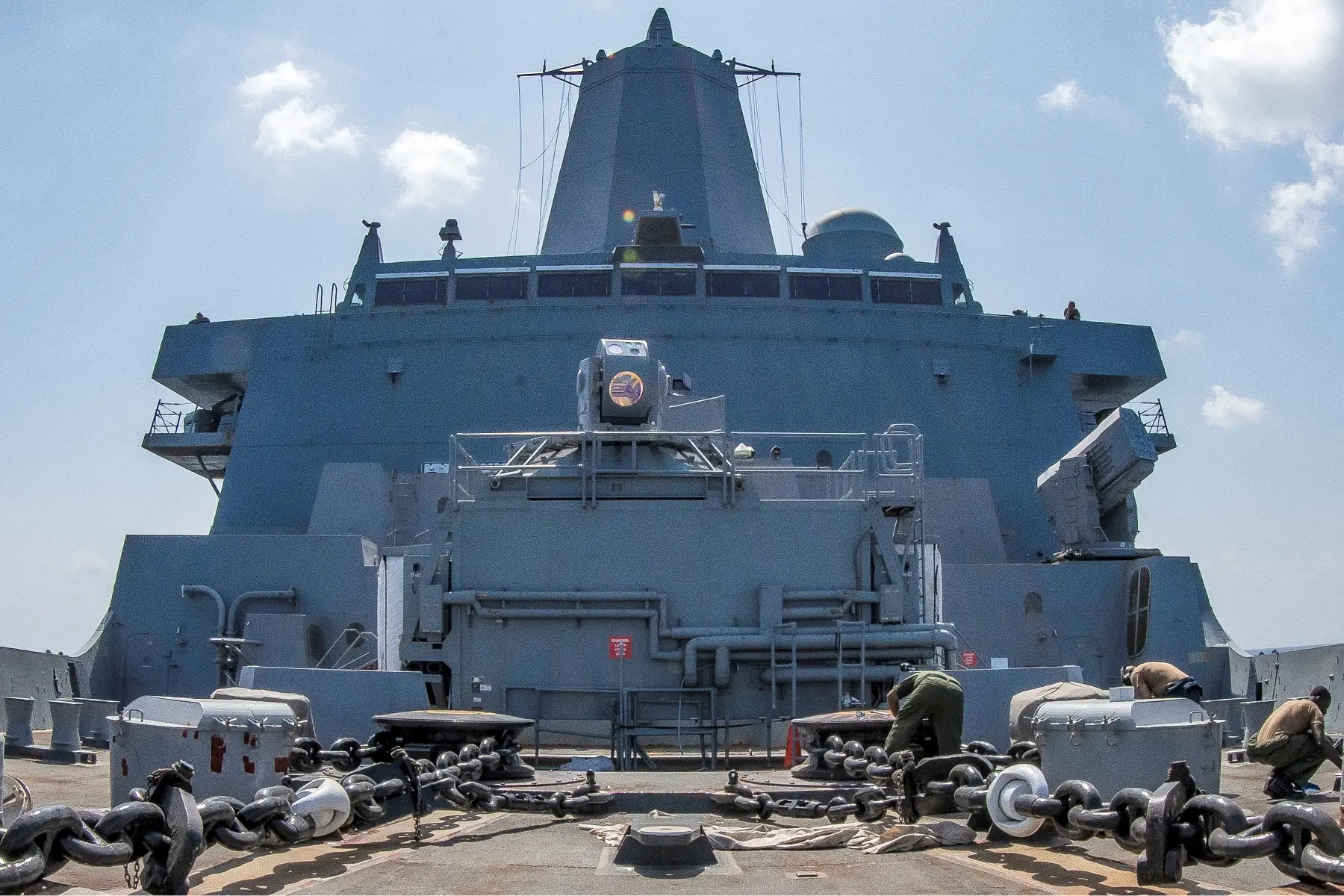
US using laser weapons against Iran?
The United States is reportedly using laser weaponry in Operation Epic Fury, reports suggest. Videos released by the US Central Command show that the High-Energy Laser with Integrated Optical Dazzler and Surveillance (HELIOS) system could have been deployed on a Navy destroyer vessel off the coast of Iran. The laser has a head that can be steered to the desired direction and releases an "intense, tightly focused beam" of energy to destroy drones.
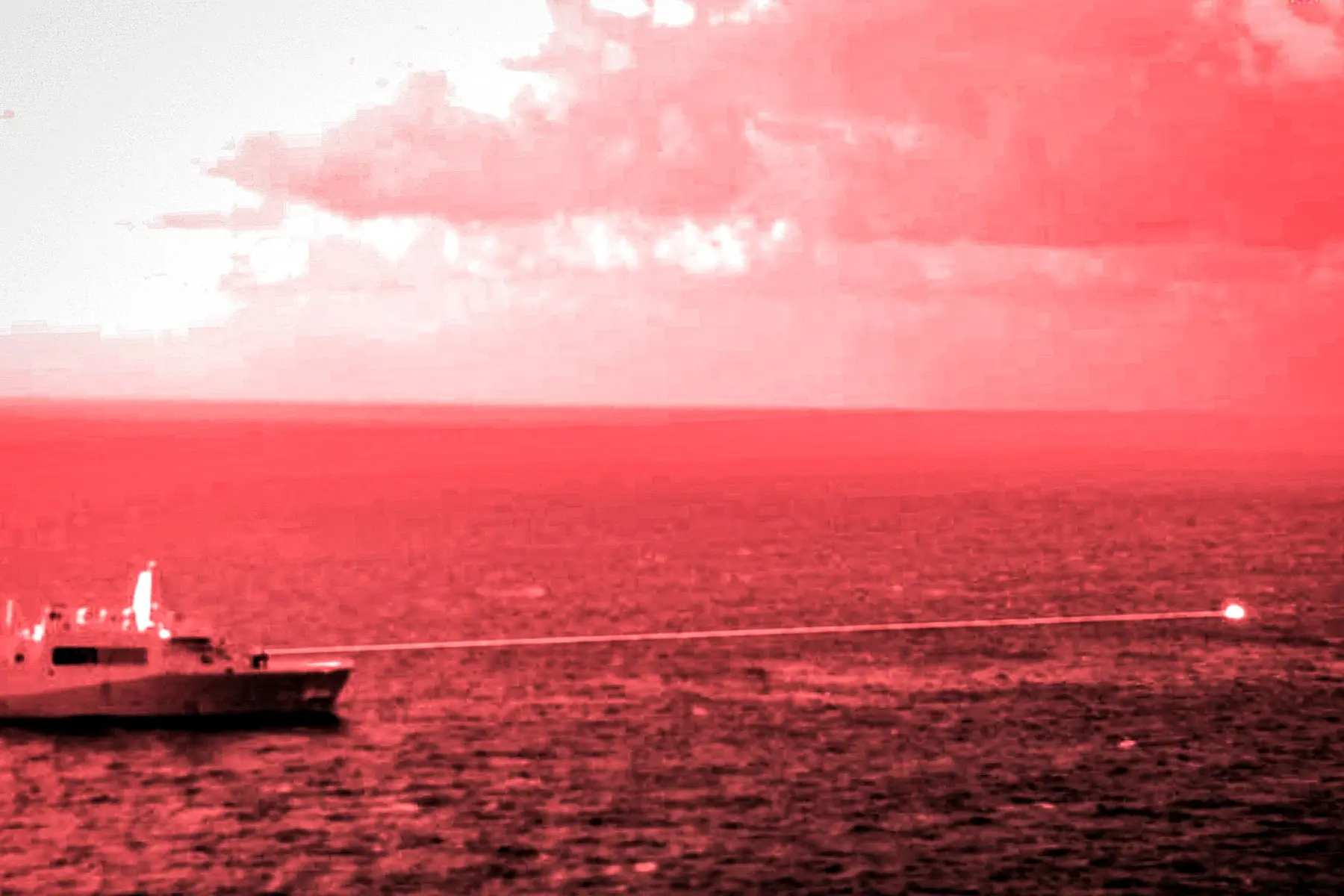
Reports suggest Israel is also using Iron Beam weapons
Israel is also said to have deployed Iron Beam weapons after videos showed rockets being launched and exploding seconds later over the Israel-Lebanon border, The New York Post reported. However, there is no official confirmation on the use of laser weapons by the US Navy or the Israeli military. But the US Navy had tested HELIOS sometime early this year, which took down four drones.
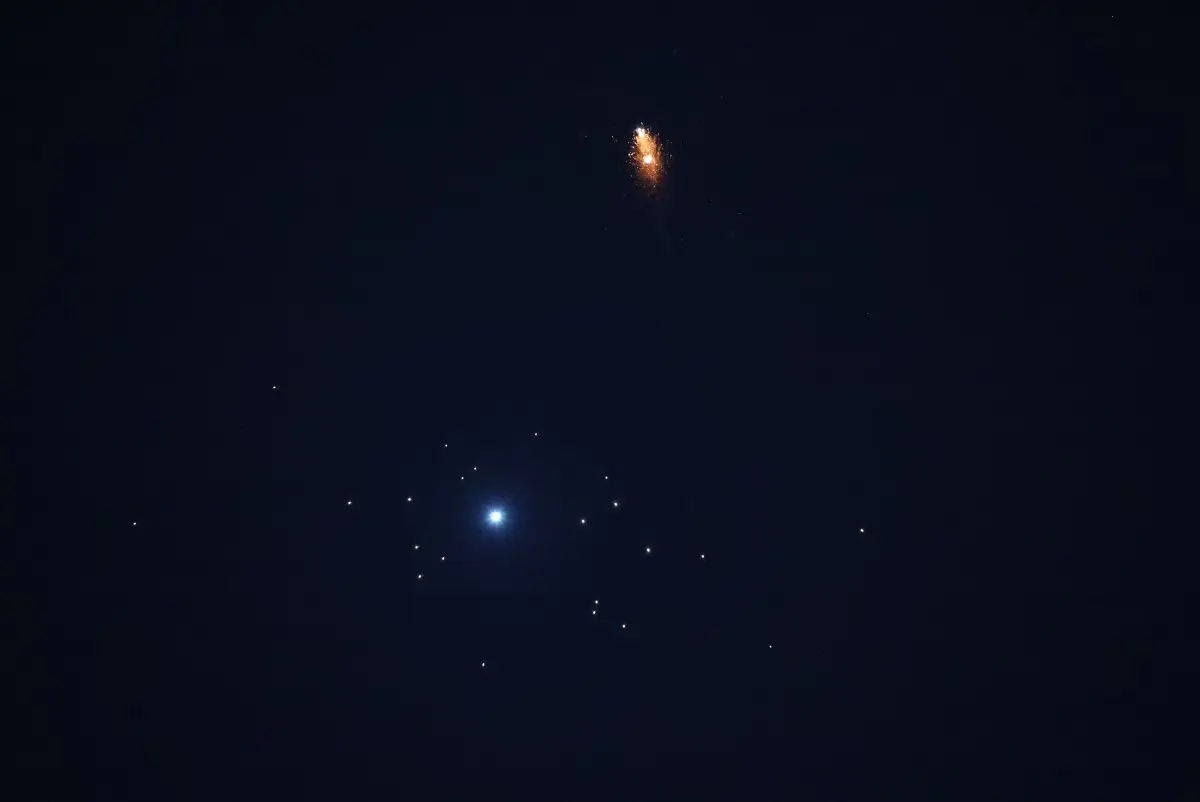
Space Force satellites are helping detect and attack missiles
US forces struck over 1,700 targets in the first 72 hours of the war, including more than 200 ballistic missile launchers in Iran. Many more of them have been left inoperable, while hundreds of missiles have been shot down in the air. All this has been made possible through the use of satellites that detect rockets through infrared sensors and alert ground forces.
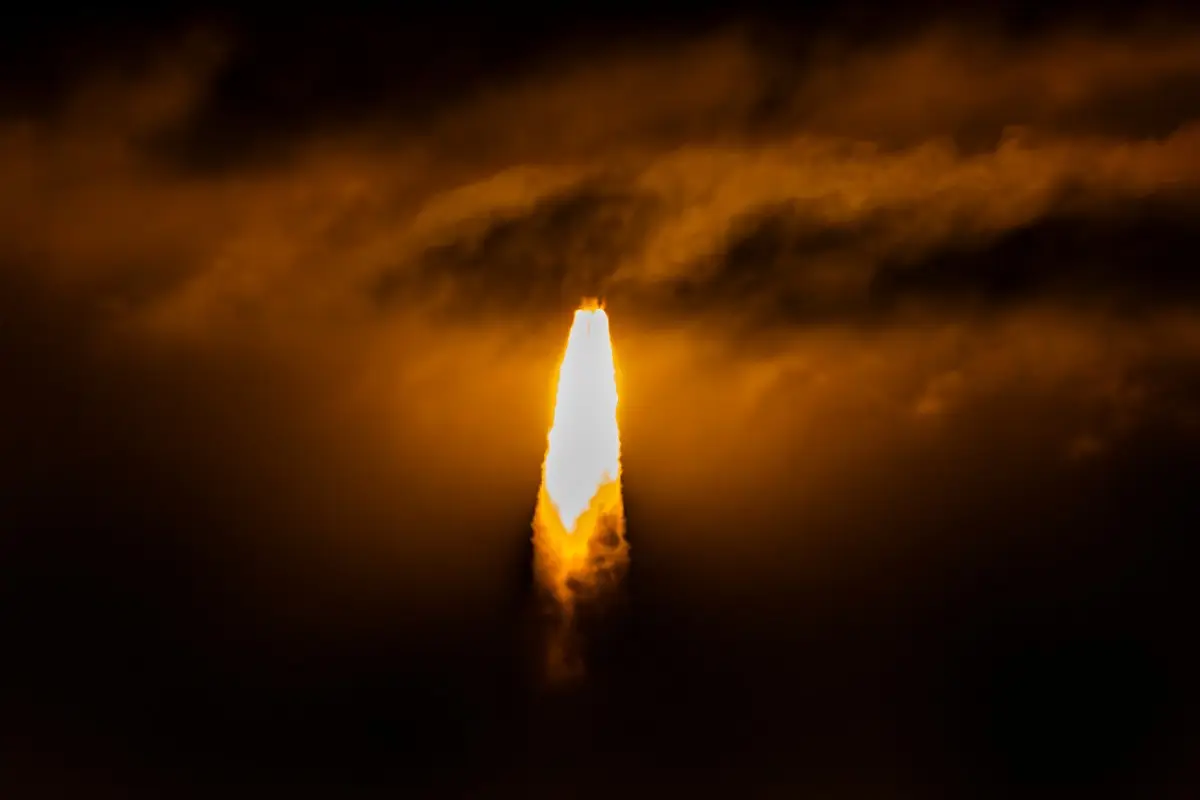
US Space Force helping locate missile sites
The US Space Force plays a major role for air and sea forces, telling them where and when to attack, or if a missile has been launched by the enemy, if they should take cover, and also the locations of missiles and launchers. The space program started in 2019 and is proving extremely helpful in fending off attacks by the enemy.
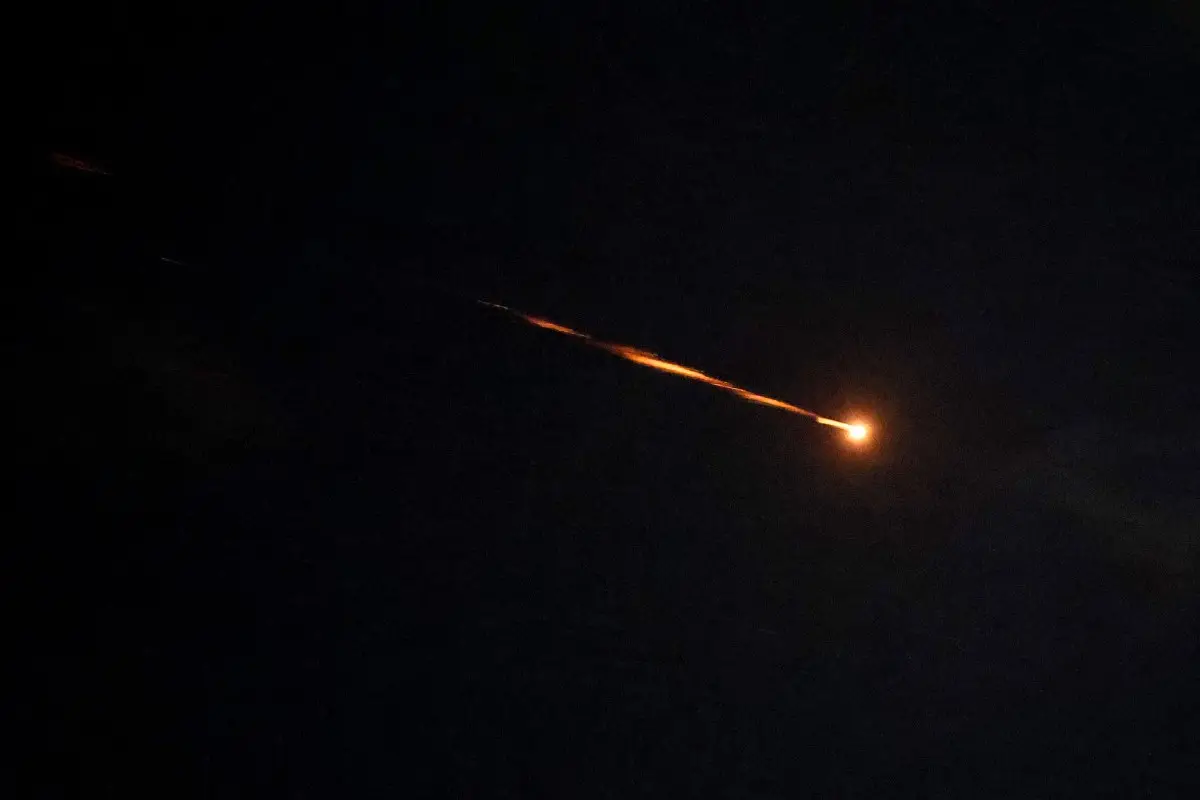
Real-time information on missiles helps calculate trajectory to locate target
The infrared beams from satellites can track the missiles soon after they are launched. They pick up their heat, which is how the Space Force tracks these weapons. Sitting inside radar domes, called Radomes, those working on them get real-time information on missile launches. The trajectory is quickly calculated to know the target, and action is initiated to destroy them in the air.
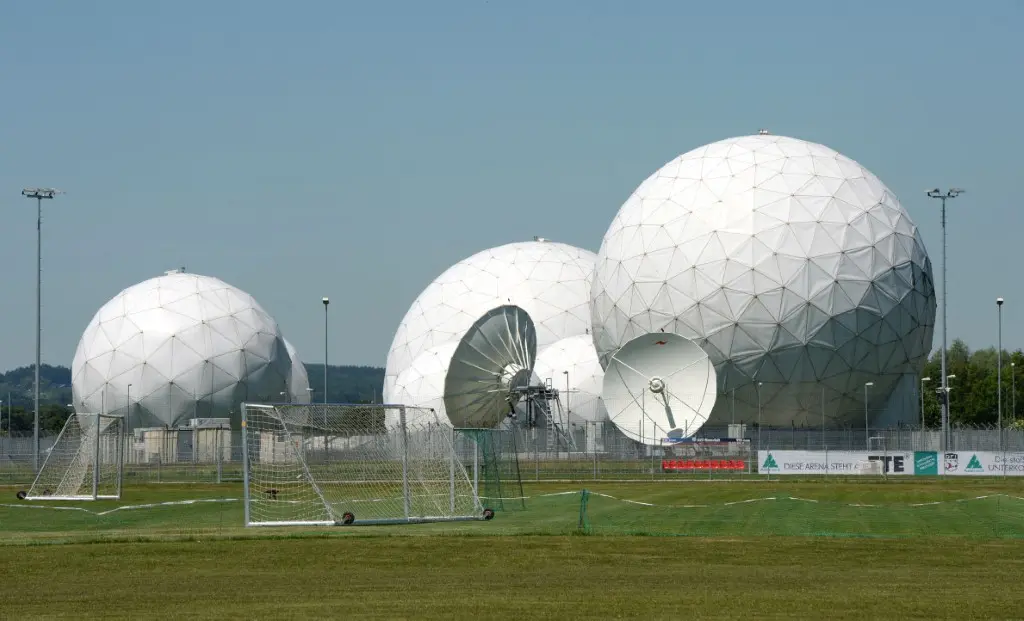
What are Radomes?
Radomes are huge golf ball-like structures inside which the crew working on the beams sit. Satellites, radar and Radomes together form the three layers of the advanced early warning network. Experts attribute minimal casualties and losses on the American side to this advanced tech.
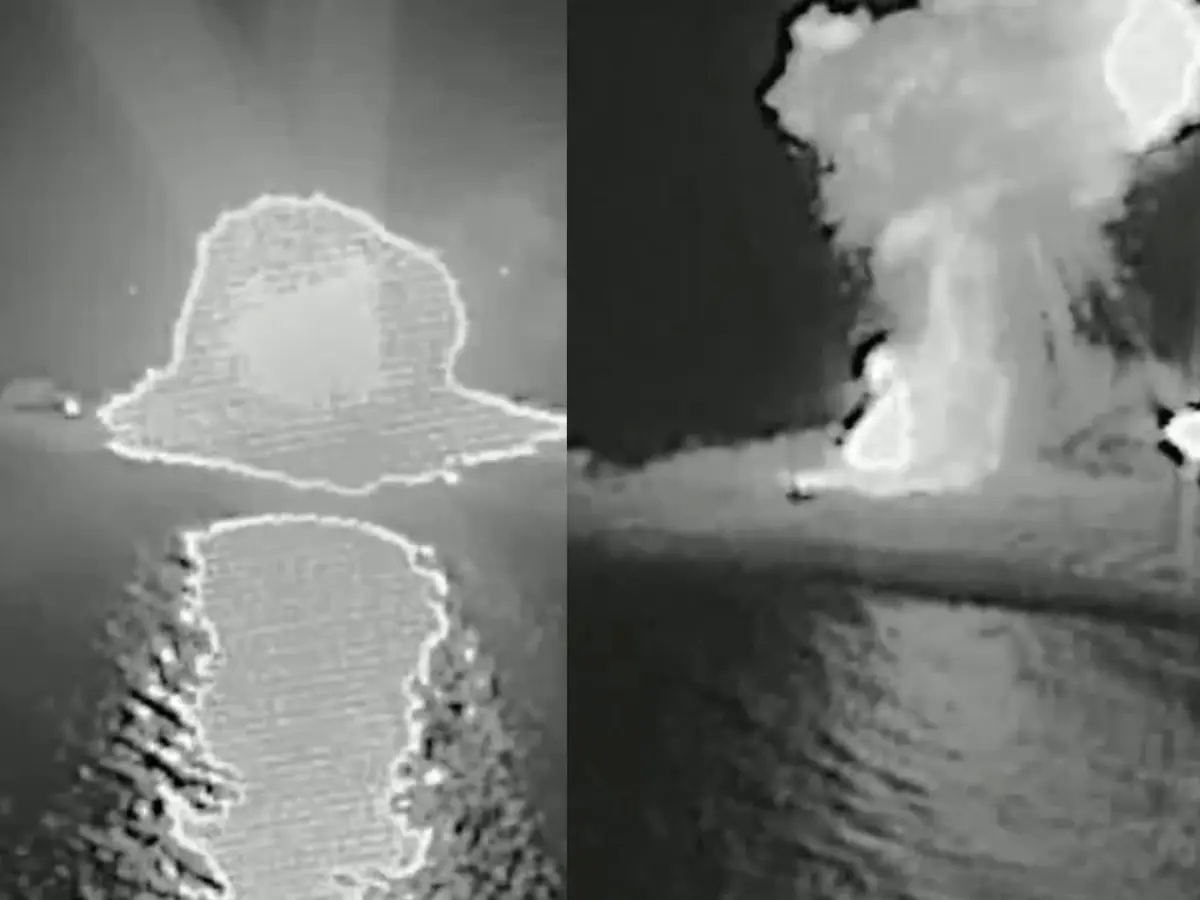
US Cyber Command jams radars
Space Force also works with the US Cyber Command to jam radars. The former detects them, while the latter disables them. It involves infiltrating the system and closing it down. Joint Chiefs of Staff Chairman Gen. Dan Caine said that before the first shots were fired, the cyber command hit "communications and sensor networks" across Iran to create chaos inside enemy territory.
)
)
)
)
)