Top 10 biggest earthquakes ever Recorded in India (magnitude-wise)

Discover the 10 largest earthquakes ever recorded in India, ranked by magnitude. From the devastating 1950 Assam–Tibet quake to the historic Bihar–Nepal earthquake, explore India’s most powerful seismic events with dates, locations, and impact details.
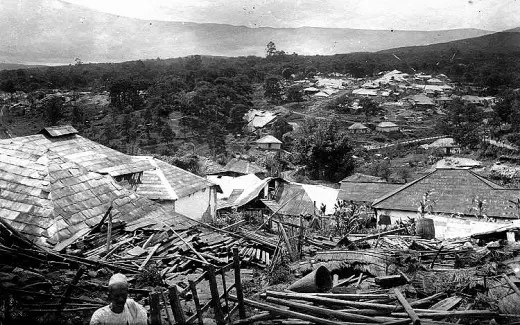
Assam-Tibet earthquake- 1950
The Assam-Tibet earthquake of 1950 was the most devastating one in the history of India with a moment magnitude of 8.7. Approximately 4,800 people were killed. It was the largest earthquake caused by the continental collision instead of subduction. A collision between two plates, the Indian plate and the Eurasian plate.
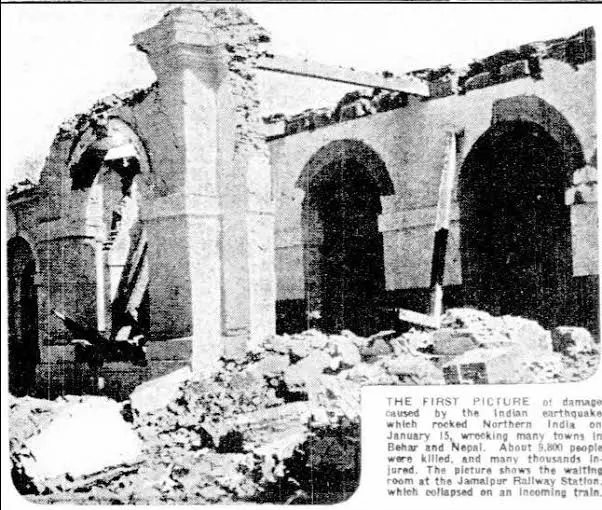
Bihar-Nepal earthquake- 1934
On January 15, 1934 an 8.1 magnitude earthquake shook from Bihar to Nepal. The number of deaths was 10,700–12,000, with 7,253 recorded in Bihar. Many buildings and bazaars were destroyed across Rajnagar, Madhubani, Darbhanga, Bhagalpur, and Patna. In Sitamarhi, not a single house was left standing.

Nepal Earthquake- 2015
Eventhough not in India, it was a 7.8Mw earthquake, with its epicentre in the Gorkha district. It was caused by the collision of the Indian and the Eurasian plate. The earthquake was the worst of the century in the history of Nepal. Nearly 9,000 people died, and over 22,000 were injured across Nepal, India, Bangladesh and China. The estimated cost was around $7.8 billion
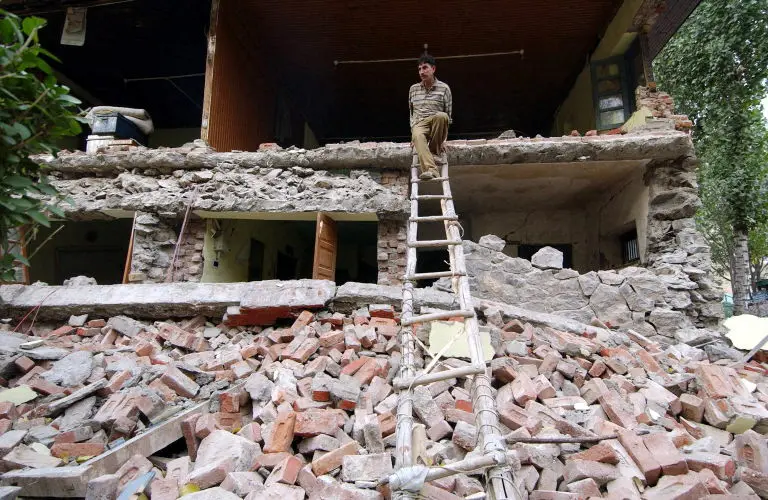
Kashmir Earthquake- 2005
The 7.6 Mw earthquake caused major destruction and a high death toll, primarily in Pakistan-administered Kashmir and the North-West Frontier Province (now Khyber Pakhtunkhwa) of Pakistan, as well as in Indian-administered Jammu and Kashmir. The death toll was estimated at 79,000 to 86,000.
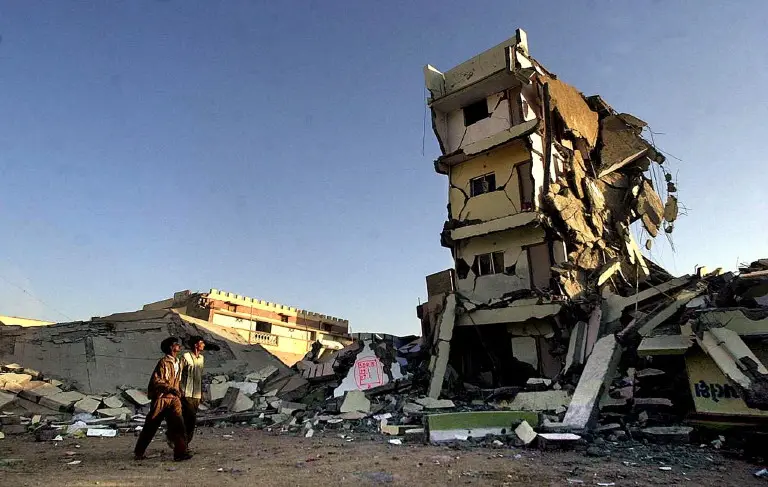
Bhuj Earthquake - 2001
At 7.6 M, the Bhuj earthquake was one of India's destructive earthquakes. It killed nearly 20,023 people, injured another 166,000 and destroyed about 400,000 buildings in Gujarat, India, and Sindh, Pakistan. Nearly 24 per cent of houses were destroyed in Gujarat, and in the Kutch District, 90 per cent of homes were damaged or destroyed.
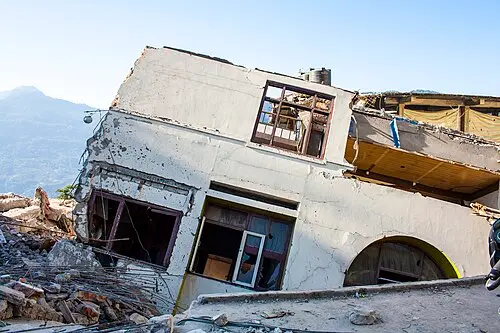
Sikkim earthquake- 2011
It was a 6.9 M earthquake that hit between the Kanchenjunga Conservation Area, near the border of Nepal and the Indian state of Sikkim, on September 18, 2011. The earthquake was felt across India, Bangladesh, Nepal, Bhutan, and China and resulted in the death of 111 people and damage worth $22 billion.
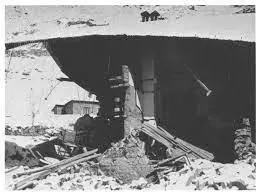
Kinnaur Earthquake-1975
It had a 6.8 on the surface-wave magnitude and shook the Kinnaur district in Himachal Pradesh. It was formed by the collision between the Indian plate and the Eurasian plate. The intensity was marked as violent and approximately 47 people were killed.
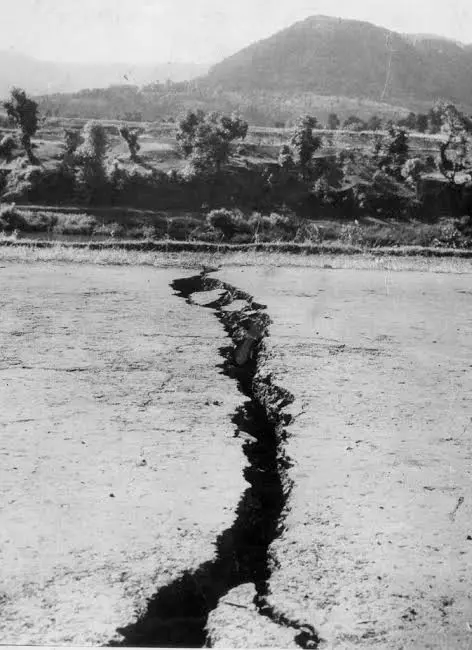
Koyna earthquake-1967
On 11 December 1967, Maharashtra, a 6.6 M earthquake shook with a maximum Mercalli intensity of VIII. The seismic activity was induced by the Koyna Dam, which claimed at least 177 lives and injured over 2,200.
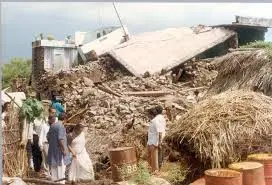
Latur Earthquake- 1993
The devastating earthquake hit Latur, Maharashtra, on September 30, 1993. The magnitude 6.2-6.4 earthquake resulted in the death of 10,000 people and injured another 30,000.
Anjar Earthquake-1956
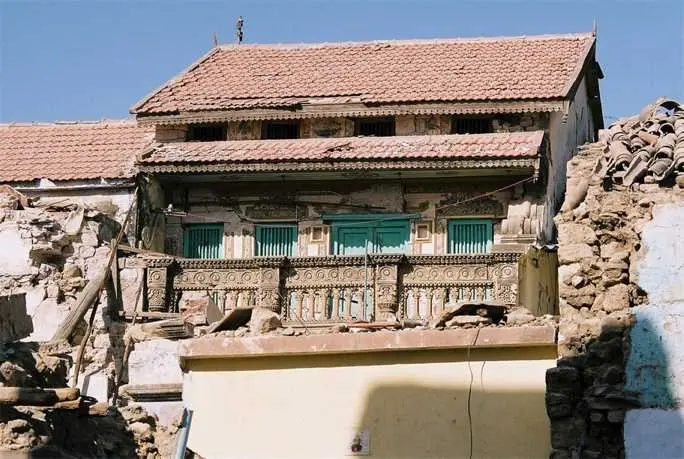
The Anjar Earthquake of 1956 caused maximum damage in the town of Anjar in Kutch, Gujarat. It recorded 6.1 M on the Richter scale, approximately 115 reported dead and 254 injured.
)
)
)
)
)