Ladakh statehood protests: From ancient trade hub to India’s strategic union territory

On September 24, 2025, violence erupted in Leh as protesters set fire to the Bharatiya Janata Party (BJP) office and a CRPF van. In this context, it is essential to understand the history of the region, its recognition as a Union Territory, and the strategic and cultural importance it holds.
Introduction
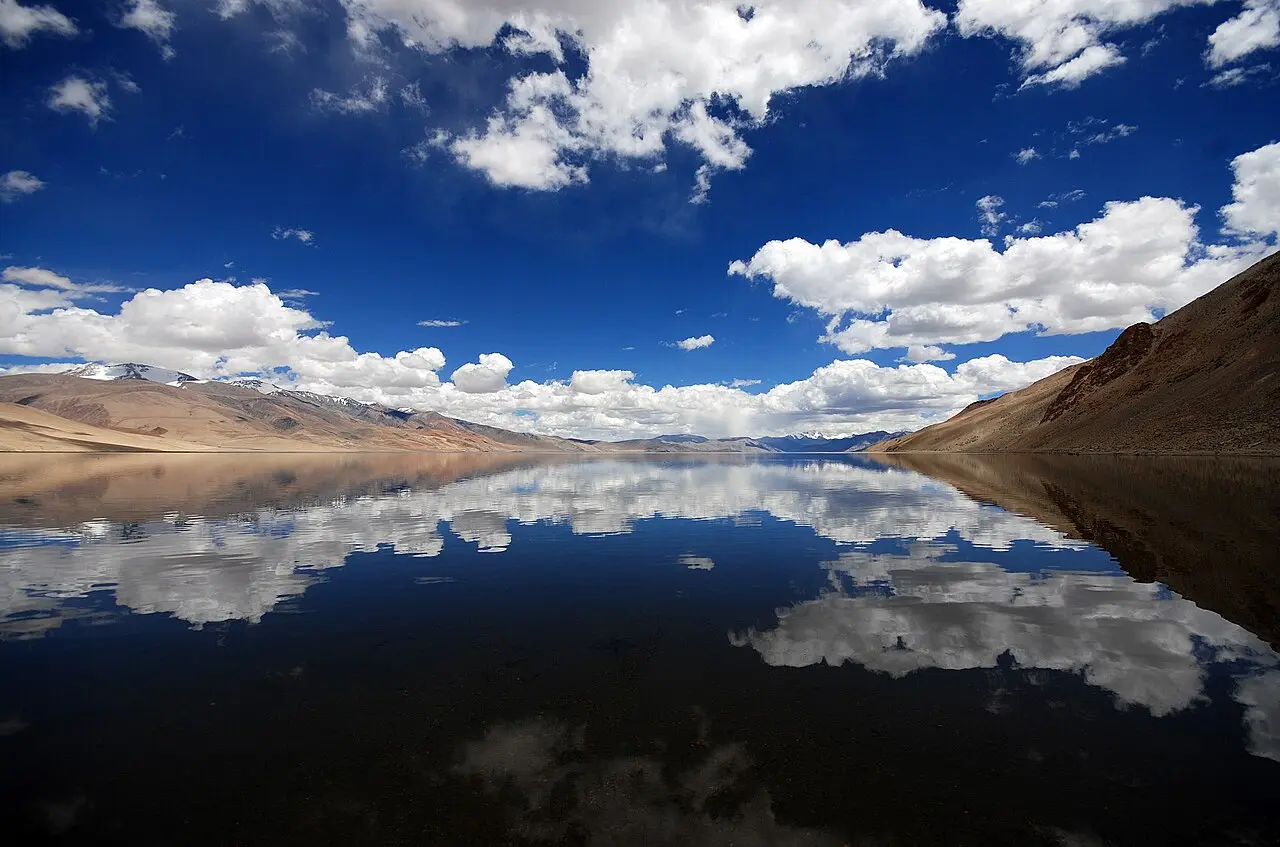
Ladakh, long a vital hub on ancient trans-Himalayan trade routes linking India, Tibet, and Central Asia, has historically held immense strategic and cultural significance. Its rugged terrain and distinctive heritage made it both a centre for commerce and a crossroads of diverse civilizations. In recent years, political unrest has grown among younger residents, demanding greater autonomy and protections for tribal communities. On September 24, 2025, violence erupted in Leh as protesters set fire to the Bharatiya Janata Party (BJP) office and a CRPF van. In this context, it is essential to understand the history of the region, its recognition as a Union Territory, and the strategic and cultural importance it holds.
Early History and the Namgyal Dynasty
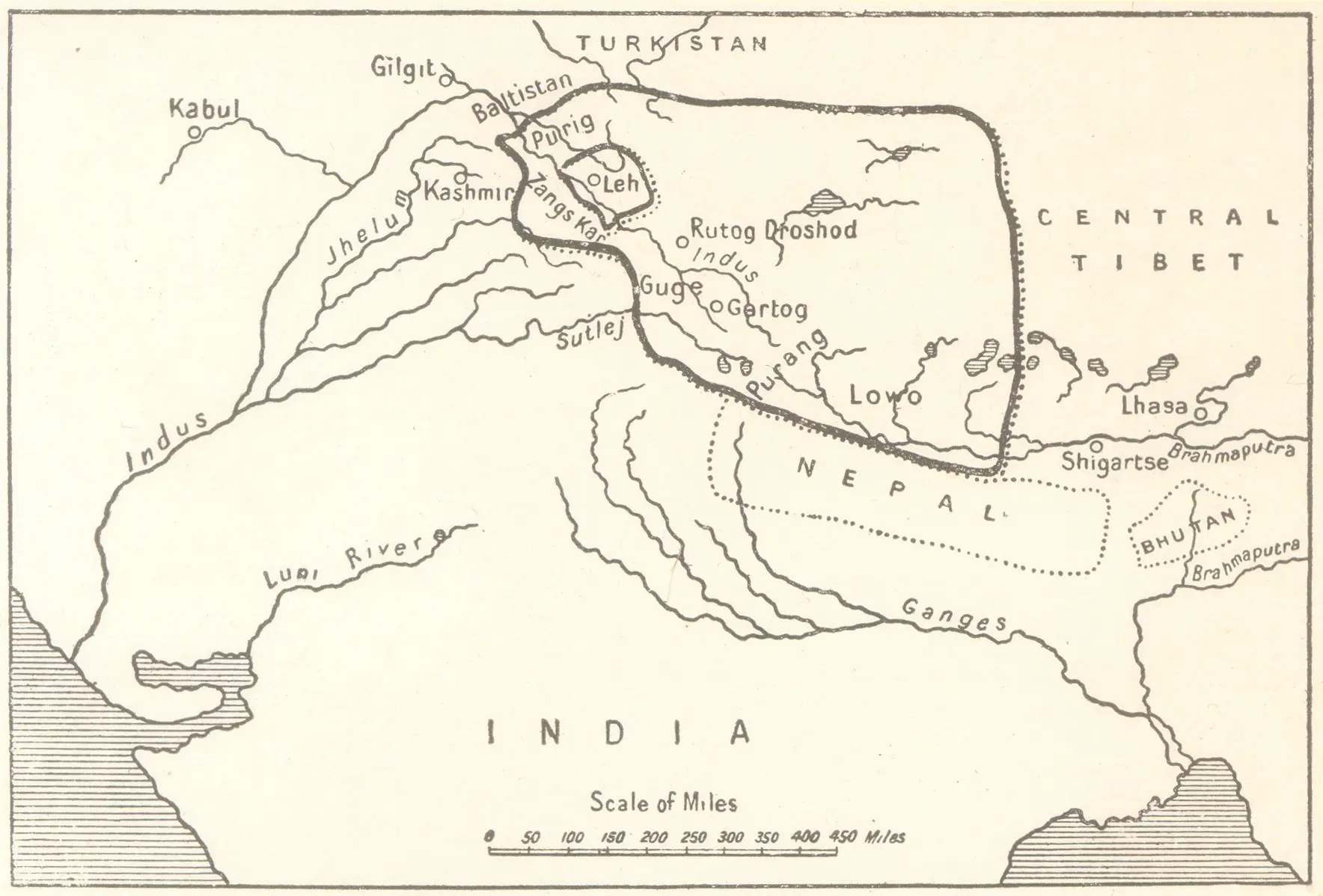
Ladakh, often called the 'Land of High Passes', has a history stretching back over two millennia. Archaeological evidence suggests early Indo-Aryan and Tibetan settlers adapted to the harsh, high-altitude environment along the Indus valley. By the 10th century, Ladakh had emerged as an independent kingdom under the Namgyal dynasty. Sengge Namgyal, one of its most notable rulers, consolidated the region, built the nine-storeyed Leh Palace, and fostered strong ties with Tibet. These centuries established Ladakh as a centre of Tibetan Buddhism, with monasteries and cultural practices that still define the region today.
Trade Routes and Cultural Exchange
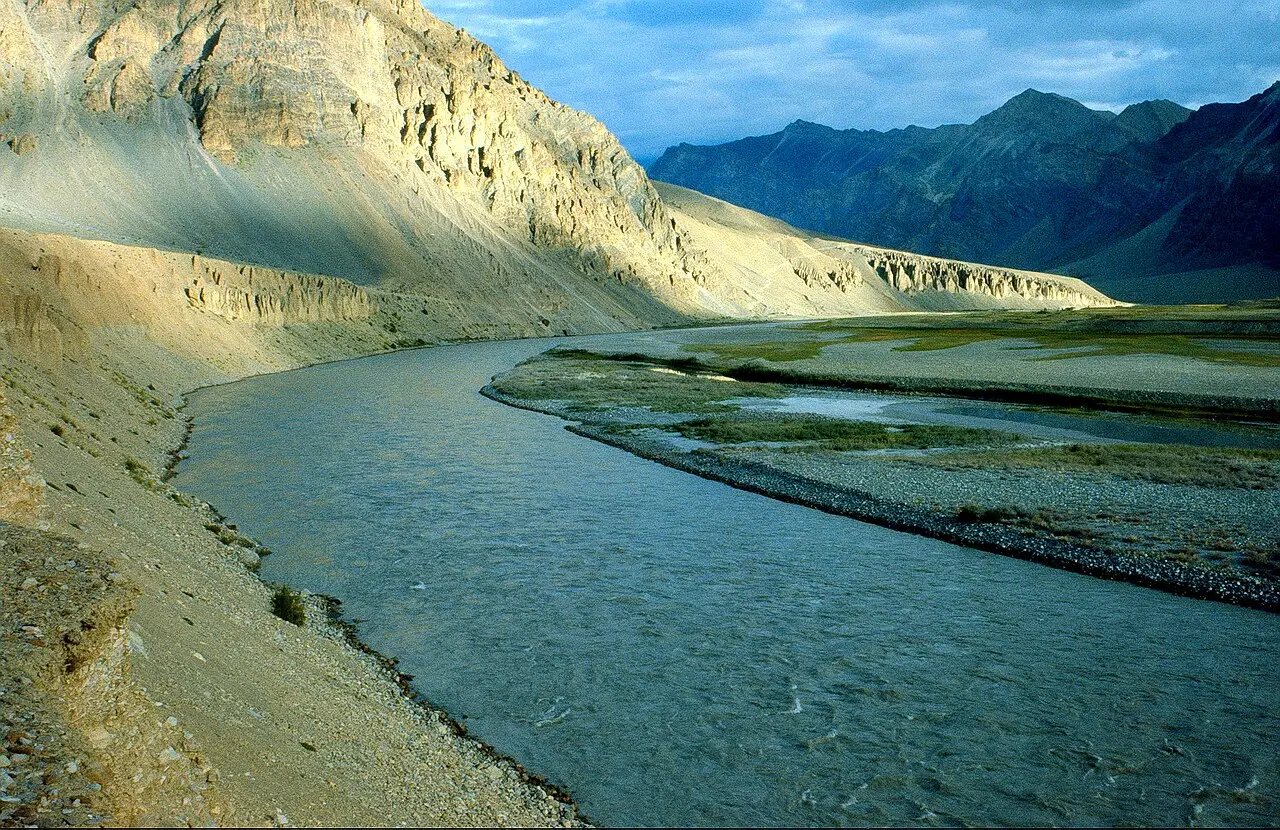
Ladakh’s location along the ancient Silk Route made it a vital hub for trade between India, Tibet, and Central Asia. Merchants transported silk, spices, salt, and precious stones through its valleys, enriching local economies and facilitating cultural exchange. Towns like Leh and Zanskar became bustling centres for commerce, attracting traders, pilgrims, and scholars from across Asia. The interaction along these trade routes left a lasting imprint on Ladakhi culture, art, architecture, and religious practices, blending Tibetan, Central Asian, and Indian influences.
From Dogra Rule to Integration with India
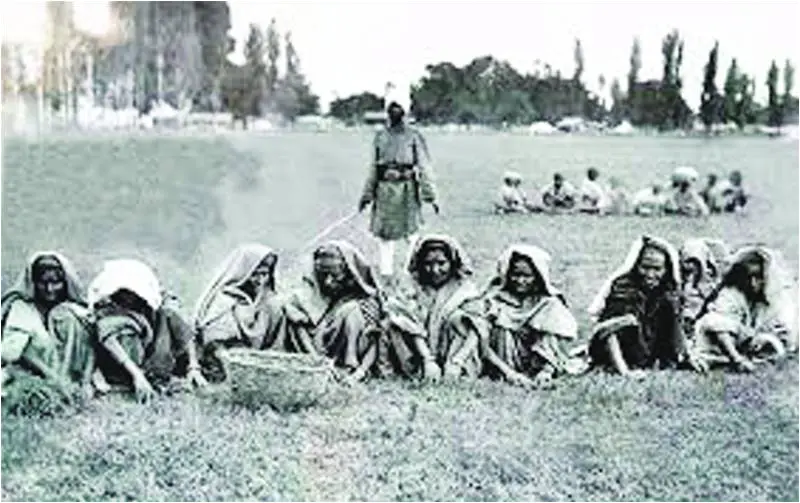
In 1834, Ladakh was annexed by the Dogra rulers of Jammu under General Zorawar Singh. The region retained many of its cultural practices, as evidenced by the Sikh communities and Gurdwaras in Leh and Kargil, alongside the Zorawar Fort in Leh town. Following Indian independence in 1947, Ladakh was incorporated into the state of Jammu and Kashmir. Its strategic location along the Silk Route and borders with China and Pakistan made it a key region in India’s defence planning. Conflicts with China in 1962, and wars with Pakistan in 1971 and 1999, further underscored Ladakh’s geopolitical significance.
Division, Violence, and Demand for Union Territory
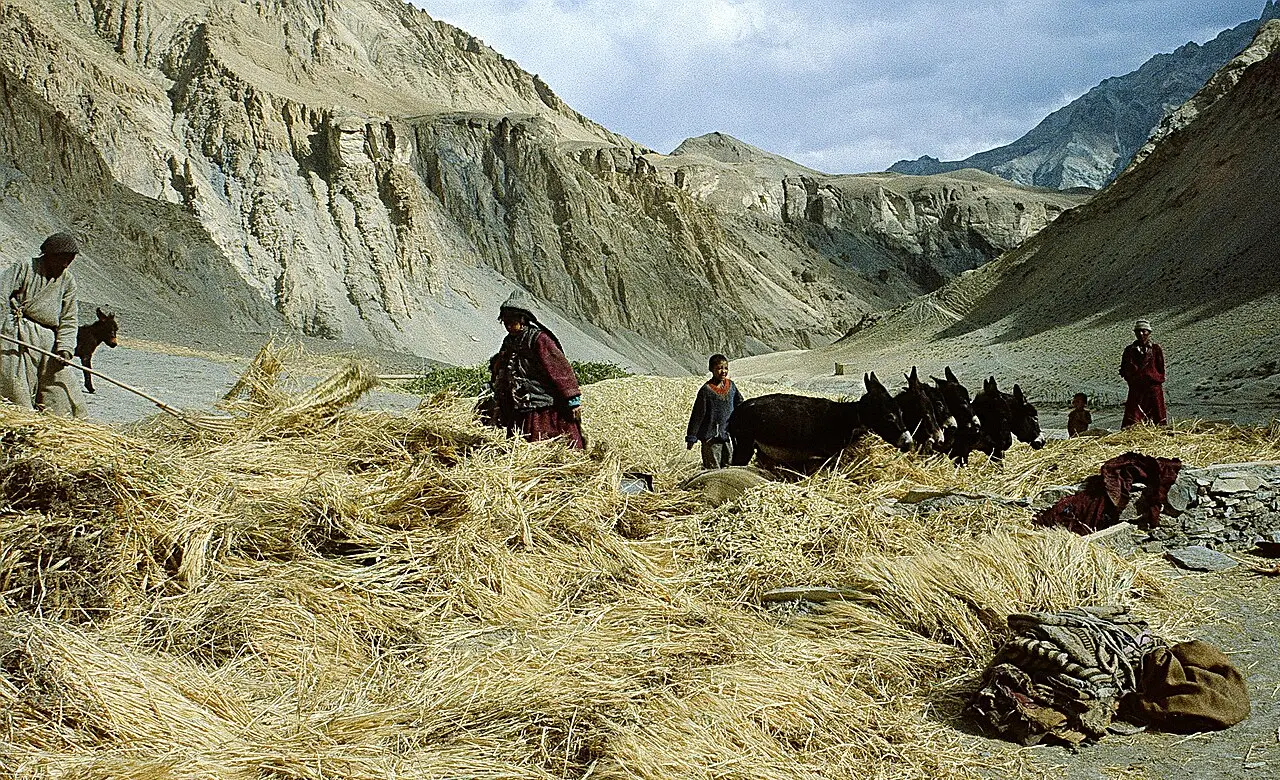
Post-independence, Ladakh’s integration with Jammu and Kashmir created discontent among local communities. In 1979, the state government divided Ladakh into Leh, a Buddhist-majority district, and Kargil, a Muslim-majority district. Religious tensions escalated into violent clashes in 1989, prompting curfews and a boycott led by the Ladakh Buddhist Association. In response, the government established the Ladakh Autonomous Hill Development Councils: Leh in 1995 and Kargil in 2003. Yet, many Ladakhis continued to feel marginalised, fostering decades-long demands for separate Union Territory status.
Union Territory Status and Modern Ladakh
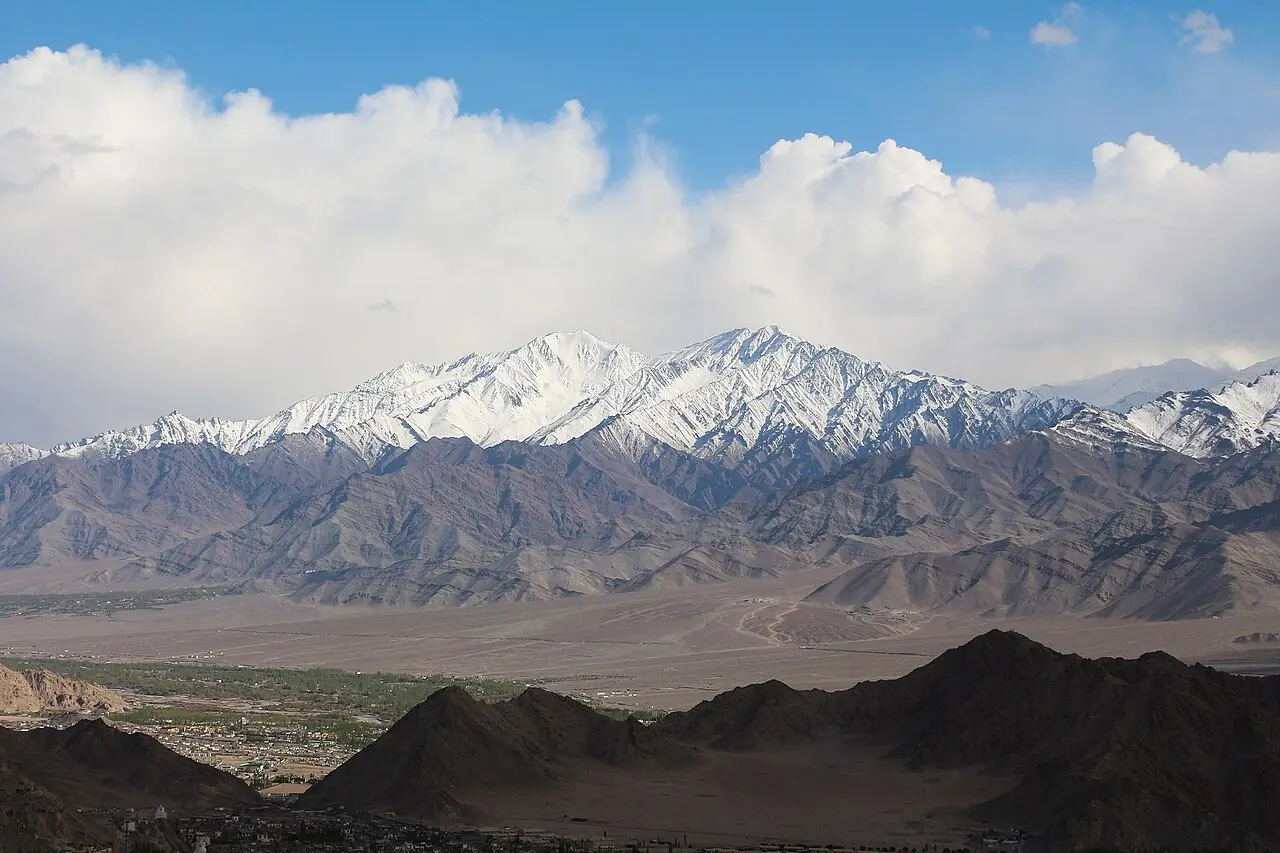
The demand for Ladakh’s political autonomy culminated in 2019, when the Government of India revoked Article 370 and reorganised Jammu and Kashmir into two Union Territories. Ladakh became a Union Territory without a legislature, with Leh as its administrative capital and Kargil as its secondary headquarters. While the change brought direct governance and development opportunities, it also raised questions regarding tribal protections, the functioning of Hill Development Councils, and recognition of the Ladakhi language, Bhoti.
Strategic Significance and Cultural Identity
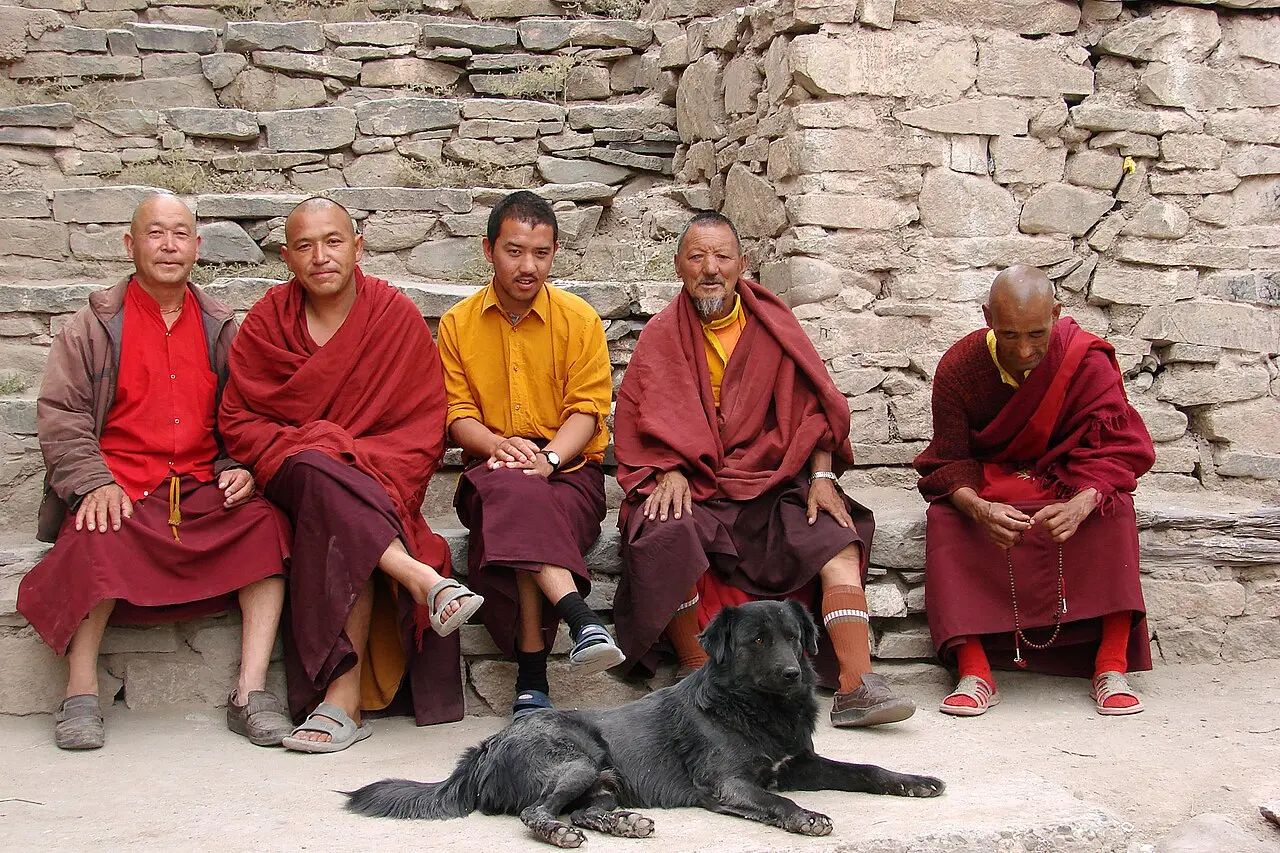
Ladakh’s geography and culture continue to shape its importance. It serves as a critical frontier along India’s borders with China and Pakistan, while hosting key installations like the Siachen Glacier. Its high-altitude deserts, snow-capped peaks, and Tibetan Buddhist heritage have made it both a strategic asset and a hub for adventure tourism. Historical landmarks such as Leh Palace, Shey Palace, and Hemis Monastery draw tourists and scholars alike, while reinforcing Ladakh’s unique cultural identity.
Conclusion
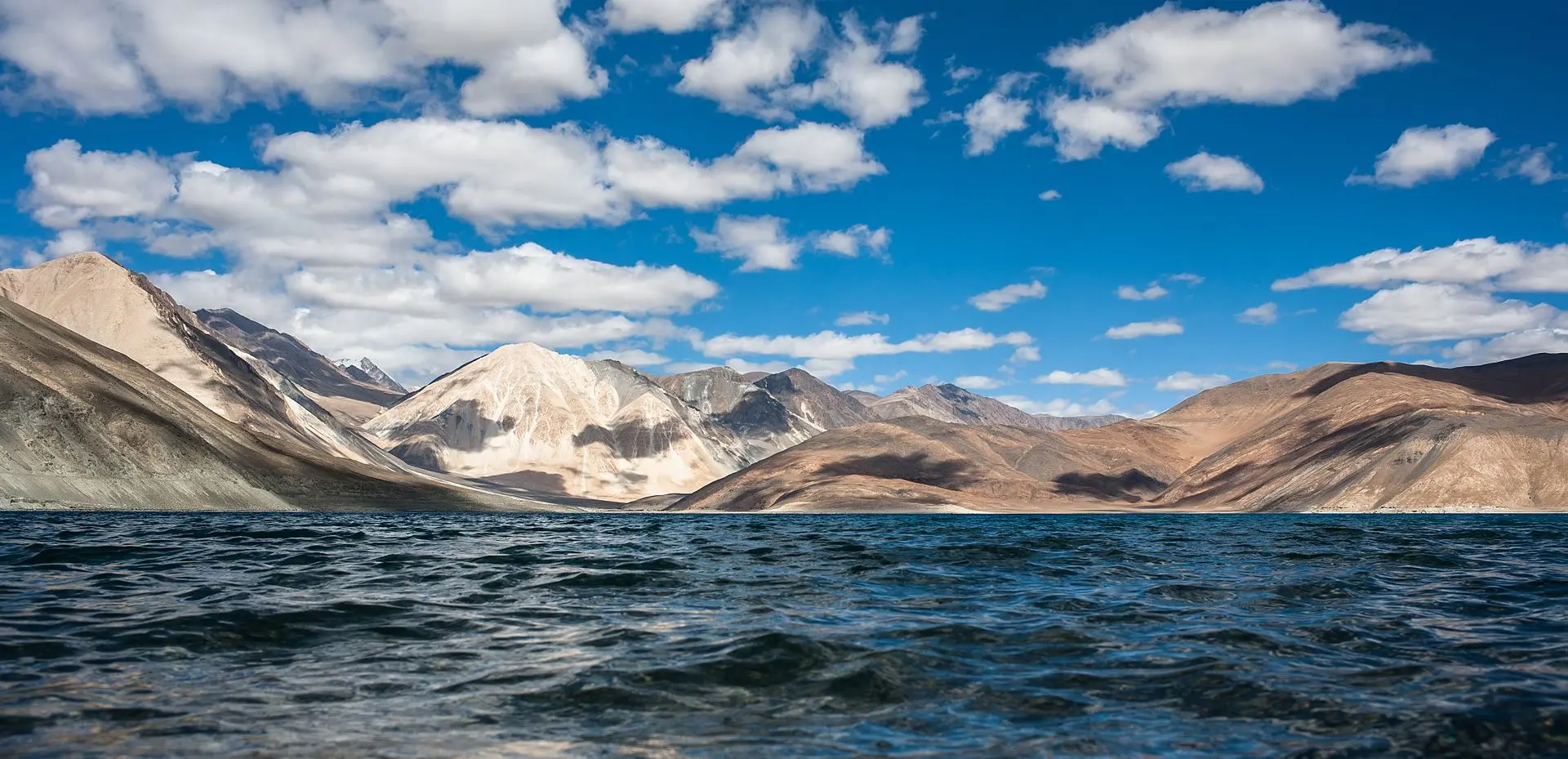
From an independent kingdom, to a major trade route, to a contested border region, Ladakh’s history reflects resilience, strategic importance, and cultural richness. Union Territory status marks a new chapter, balancing development, security, and the preservation of traditions that have defined the region for centuries.
)
)
)
)
)