Kuwait vs. Iran: The border incident nobody is talking about

On May 1, six armed IRGC fighters tried to infiltrate Kuwait's Bubiyan Island. One Kuwaiti soldier was injured, four Iranians were captured, and two escaped. It's the most significant Iran-Gulf border incident in years — and it's barely made headlines.
Six IRGC Fighters on Kuwaiti Soil
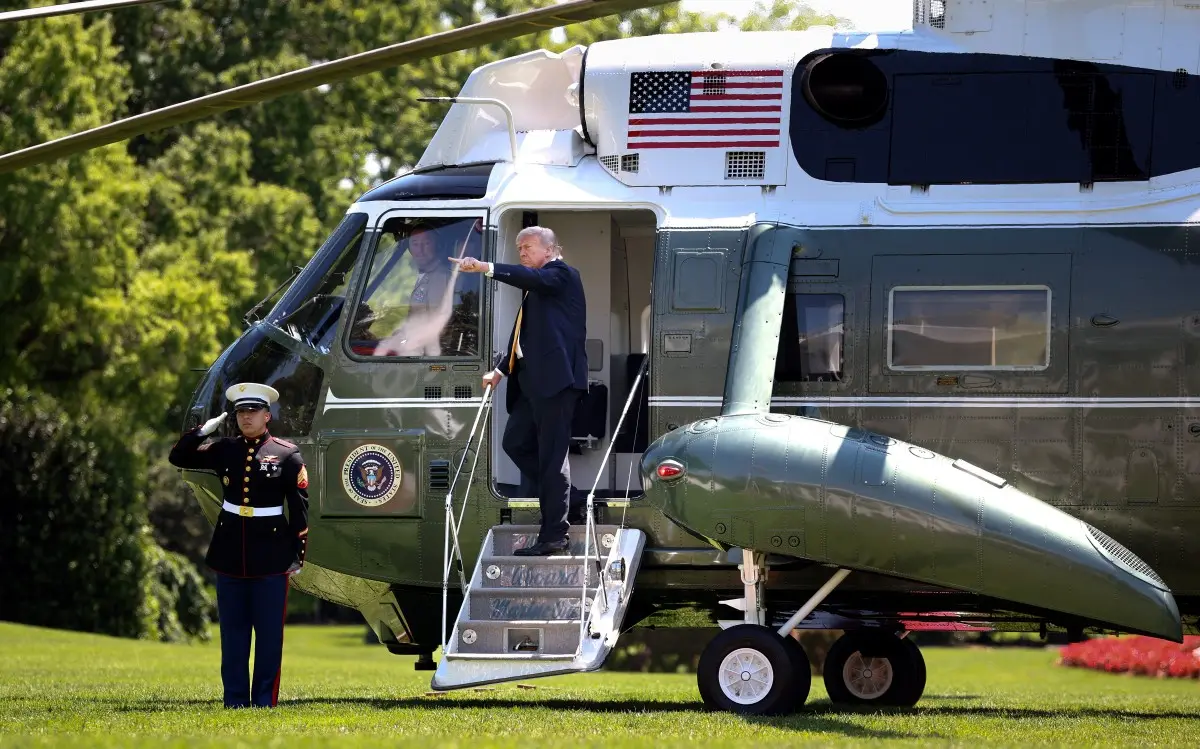
Kuwait's government formally accused Iran of attempting to infiltrate Bubiyan Island on May 1, 2026, with six armed members of the Islamic Revolutionary Guard Corps. The incident, which Kuwait's defence ministry described as a deliberate incursion rather than an accidental border crossing, resulted in a firefight with Kuwaiti border forces. One Kuwaiti soldier was injured. Four of the six IRGC fighters were captured and are currently in Kuwaiti custody. Two remain at large. Iran has not officially acknowledged the incident.
Why Bubiyan Island Matters
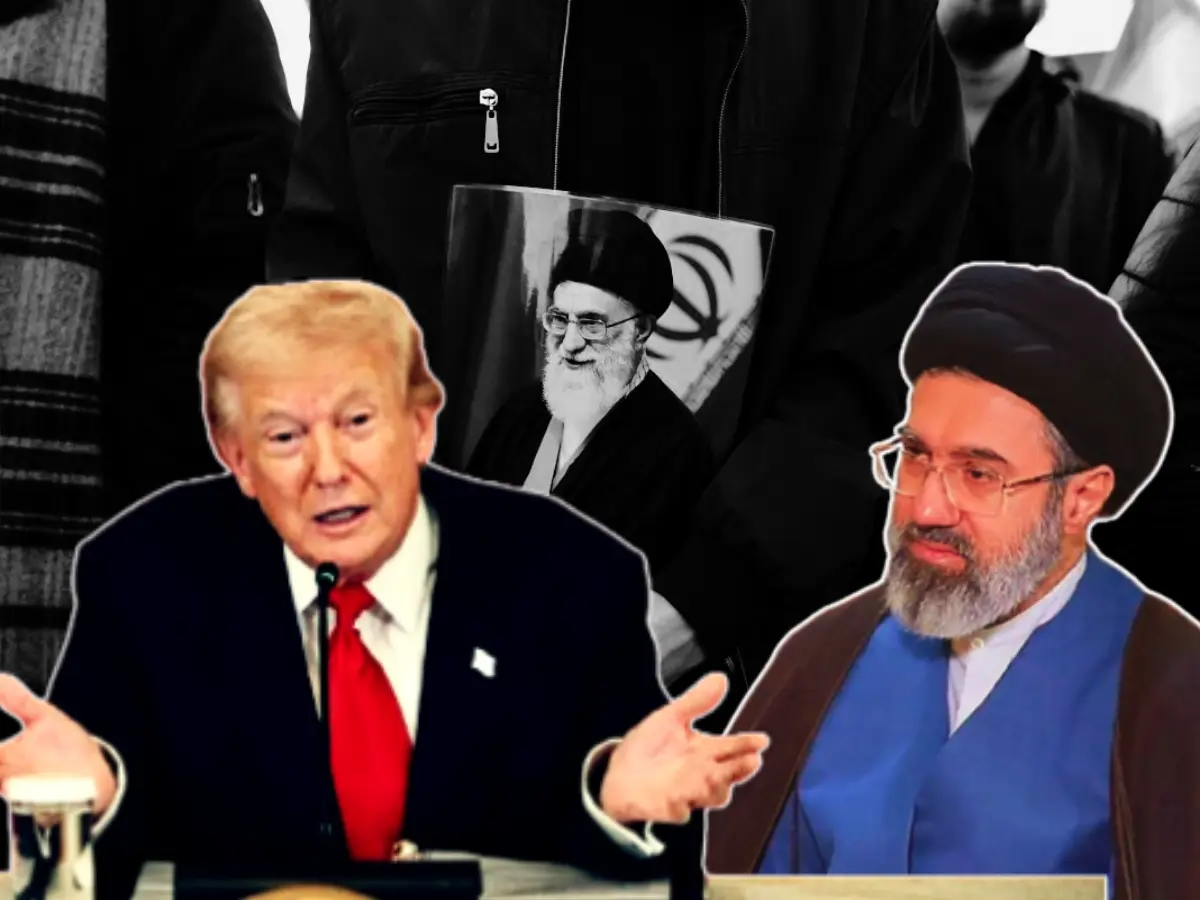
Bubiyan Island is Kuwait's largest island and strategically critical — it guards the approach to Kuwait's main port and lies at the northern tip of the Persian Gulf, close to the Iraqi border and within striking distance of Iranian territorial waters. Kuwait has invested heavily in developing Bubiyan into a major commercial port and naval base. Any Iranian military presence on or near the island would represent a significant strategic threat to Kuwaiti sovereignty and a potential staging point for operations deeper into the Gulf.
Iran's Pattern of Gulf Provocation
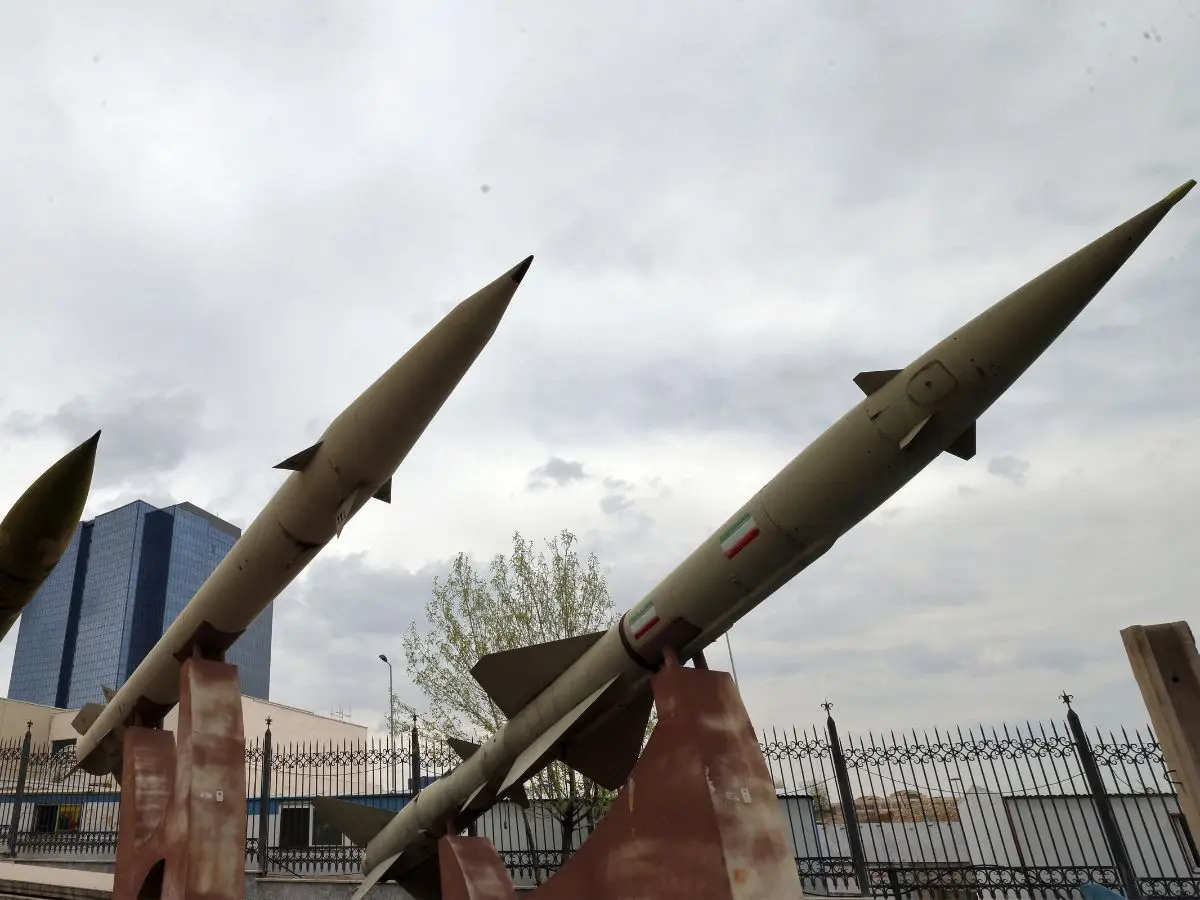
The Bubiyan incident is not isolated. Since the February 2026 outbreak of the US-Iran war, Iranian forces have engaged in a pattern of probing operations across the Gulf — testing the responses of smaller Gulf states that lack the military capacity to push back forcefully. Similar incidents have been reported near Bahrain's territorial waters and in the disputed maritime zones around the UAE. Analysts describe this as classic IRGC asymmetric strategy: create multiple pressure points simultaneously to stretch adversaries thin and extract diplomatic concessions.
Kuwait's Furious But Careful Response
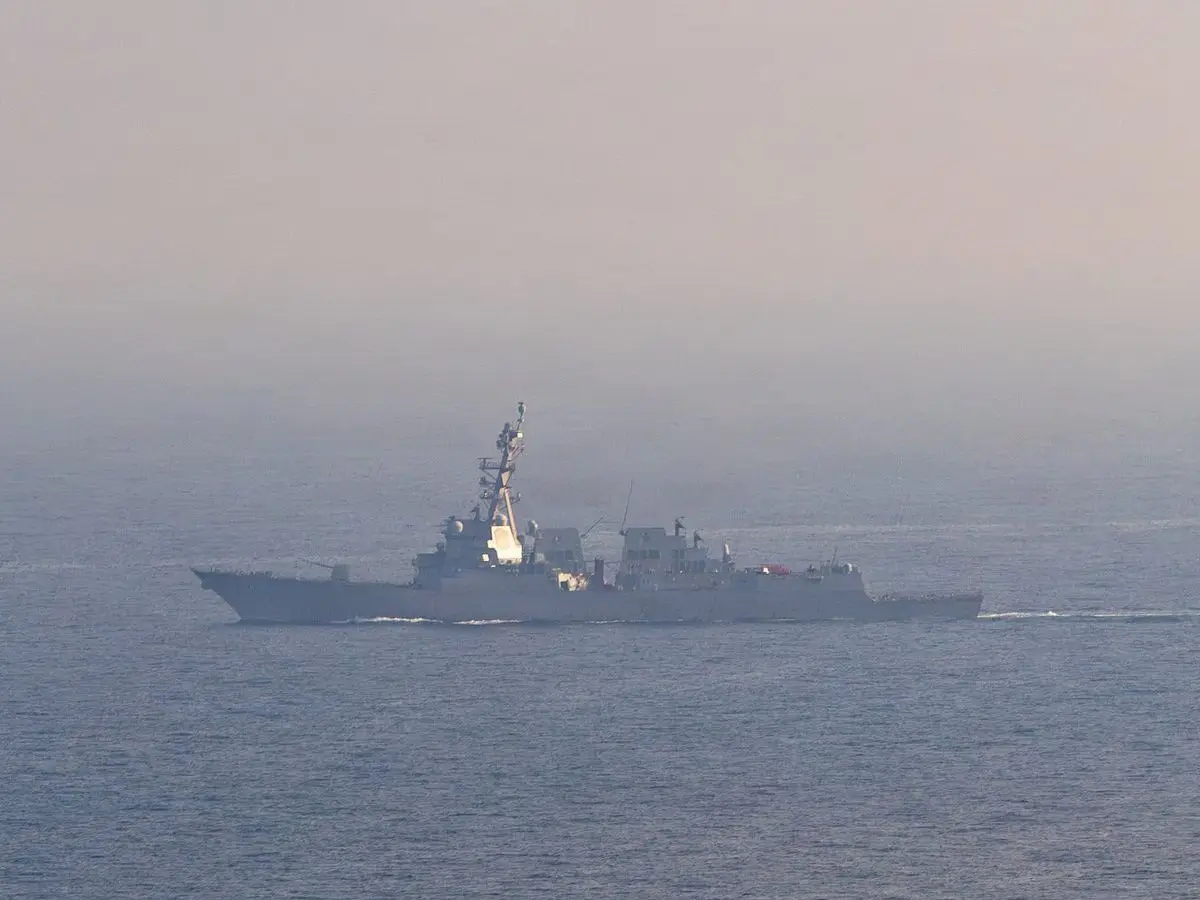
Kuwait has formally summoned Iran's ambassador and filed a diplomatic protest, but has stopped well short of military retaliation — a measured response that reflects both Kuwait's limited military capacity and its historically cautious foreign policy. Kuwait has also briefed the Gulf Cooperation Council (GCC), NATO partners, and the United States, urging that the incident be formally noted in the context of ongoing ceasefire negotiations with Iran. Behind the scenes, Kuwaiti officials are furious, describing the incursion as a deliberate Iranian message to Gulf states: stay neutral or face consequences.
The Four Captured IRGC Fighters
The four IRGC fighters in Kuwaiti custody represent a significant intelligence windfall. Kuwaiti authorities, working with US intelligence assets, are reported to be conducting detailed interrogations to establish the chain of command behind the Bubiyan operation — specifically whether the incursion was ordered at a high level within the IRGC or was an unauthorised field operation by a local commander. The two men who escaped into the waters of the Gulf remain a security concern, with Kuwait's coast guard operating on heightened alert along the island's perimeter.
Why This Story Is Being Buried
The Bubiyan incident has received remarkably little international media coverage relative to its significance. Analysts attribute this to two factors: the overwhelming volume of Iran-related news generated by the Hormuz crisis and ceasefire negotiations, and Kuwait's own preference for managing the incident quietly to avoid further escalation. There is also a structural media bias toward major-power confrontation — a clash between US Navy destroyers and IRGC fast boats gets saturation coverage, while an IRGC incursion on a small Gulf island barely registers globally, even though its strategic implications may be equally serious.
What It Signals for the Broader Gulf
The Bubiyan incident is a warning signal to every Gulf state that the Iran war is not simply a US-Israel-Iran affair — it has the potential to draw smaller regional actors into direct confrontation. Saudi Arabia, the UAE, Bahrain, and Qatar are all watching Kuwait's response closely. If Iran faces no meaningful consequence for the Bubiyan incursion, the message to the IRGC will be that similar operations against other Gulf states carry acceptable risk. The GCC's collective security architecture — never tested at this level — is now facing its most serious stress test in decades.
)
)
)
)
)