Kosovo 1999: The night B-2 bomber went to war for the very first time and nobody was sure it would work

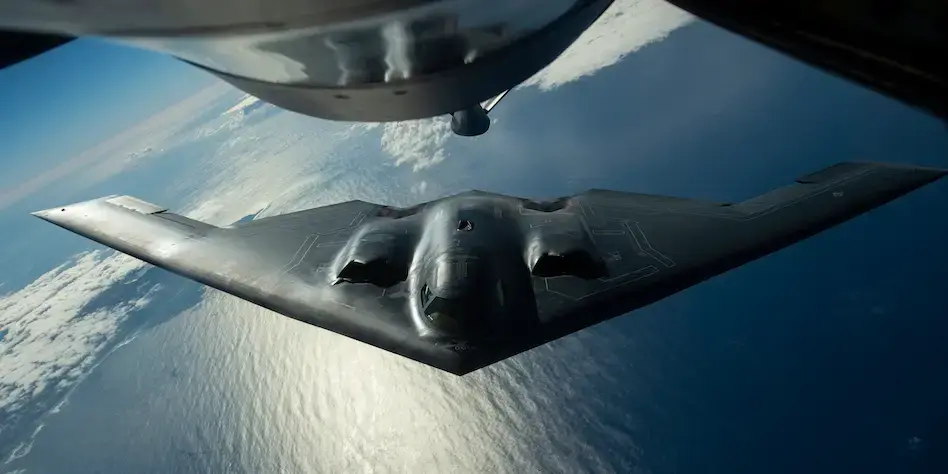
The B-2 Spirit was declared operationally capable in April 1997. Twenty-three months later, on March 24 1999, it flew into combat for the first time over Serbia during NATO's Operation Allied Force. The aircraft was barely two years into service.
The War Nobody Expected To Use The B-2 For
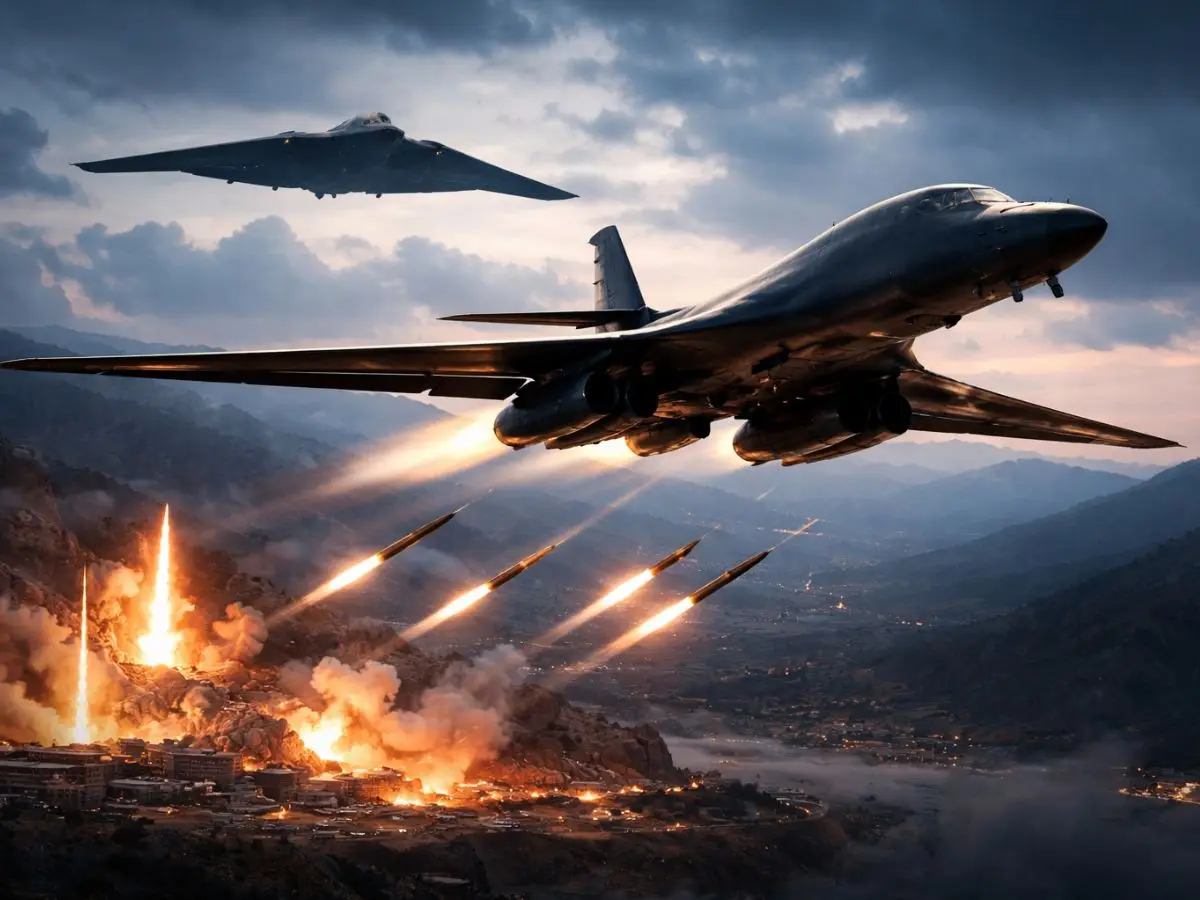
Operation Allied Force — NATO's air campaign to stop Serbian ethnic cleansing in Kosovo — was not the war the B-2 was designed for. The B-2 was built to penetrate Soviet integrated air defences during a Third World War scenario. Kosovo was a limited intervention against a mid-tier military power in southeastern Europe. But Yugoslavia operated a functional Soviet-era air defence network, including SA-3 and SA-6 surface-to-air missiles, early warning radars, and MiG-29 fighters. It was defended enough to matter — and the B-2's stealth was the fastest route to the most important targets.
March 24, 1999: Night One
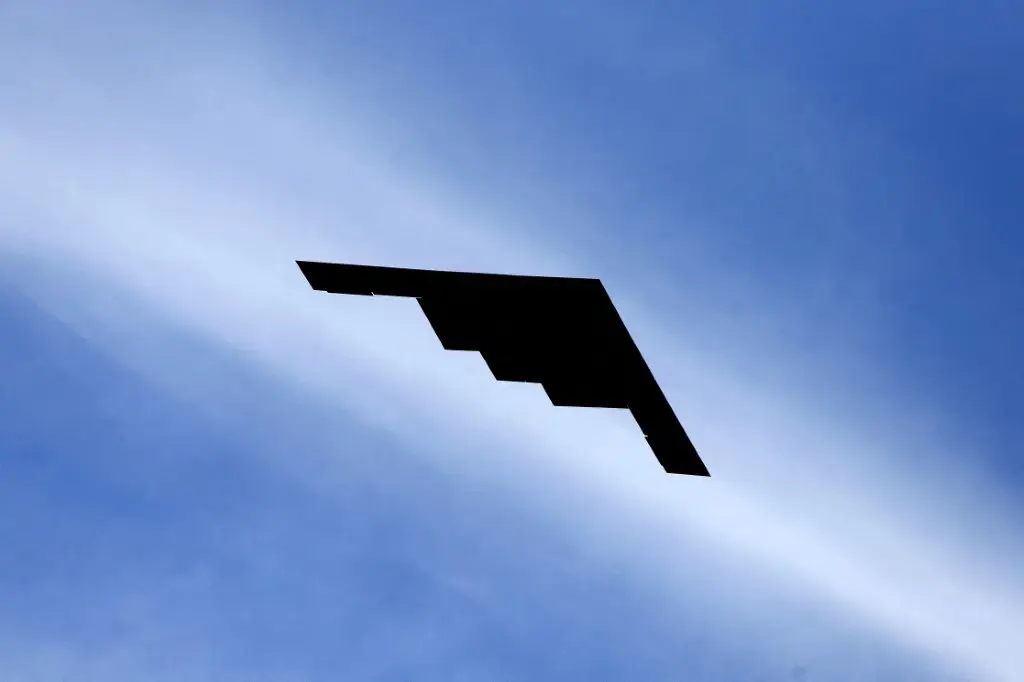
NATO's air campaign began on the evening of March 24, 1999. B-2s flew from Whiteman Air Force Base in Missouri — a round trip of approximately 30 hours to Serbia and back. On the first night, B-2s struck high-value Serbian military targets including command and control facilities, air defence infrastructure, and military airfields. They carried Joint Direct Attack Munitions — GPS-guided bombs — which the B-2 was specifically designed to deliver with precision. Each B-2 could carry 16 JDAMs per mission, more than most conventional aircraft could deliver in multiple sorties.
What The Crews Did Not Know
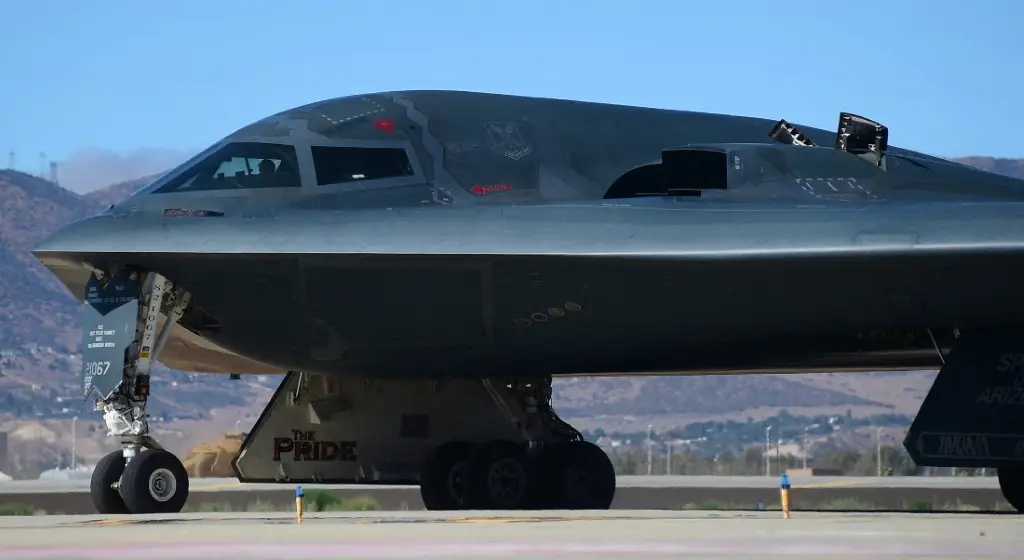
The B-2 had never been fired at before March 24, 1999. Its radar cross-section had been measured in anechoic chambers and over test ranges. Its stealth performance had been validated in controlled conditions. But no controlled test replicates a real air defence system operating under combat conditions, with operators actively searching, with electronic warfare in the environment, with the psychological reality that a miss means a bomber gets through and strikes its target. The crews who flew the first Kosovo missions were testing the aircraft's real-world stealth in the only way that counts.

The Results: 45 Missions, Zero Losses
Over the course of Operation Allied Force, B-2s flew 45 combat sorties, all from Whiteman. They delivered approximately 656 JDAMs — accounting for roughly 11 percent of all precision-guided munitions dropped during the 78-day campaign, despite representing a tiny fraction of the total aircraft involved. Not a single B-2 was detected, engaged, or lost. The stealth worked in combat exactly as it had in testing. The aircraft that had never been shot at emerged from its first war with a perfect record.
The One Night Something Went Wrong
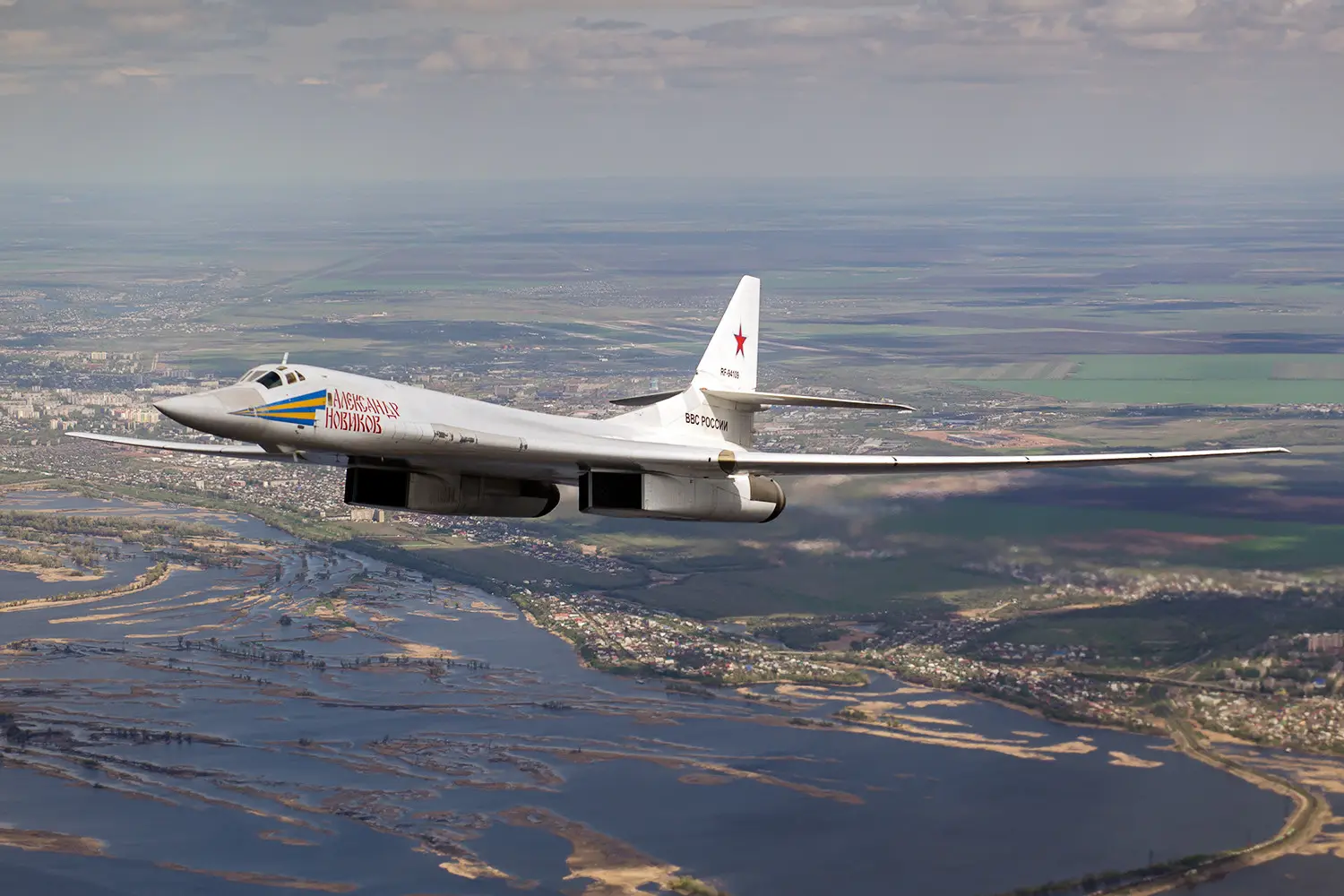
On March 27, 1999 — three nights into the Kosovo campaign — a Serbian SA-3 battery shot down an F-117 Nighthawk stealth aircraft, the first time a stealth aircraft had ever been destroyed in combat. The F-117 was an older, less advanced stealth design than the B-2. Its loss validated concerns about the limits of 1970s-era stealth technology against updated radar and missile systems. The B-2, with its more advanced stealth characteristics, continued flying undetected throughout the campaign. The loss of the F-117 made the B-2's unblemished record more significant, not less.
The Chinese Embassy Incident
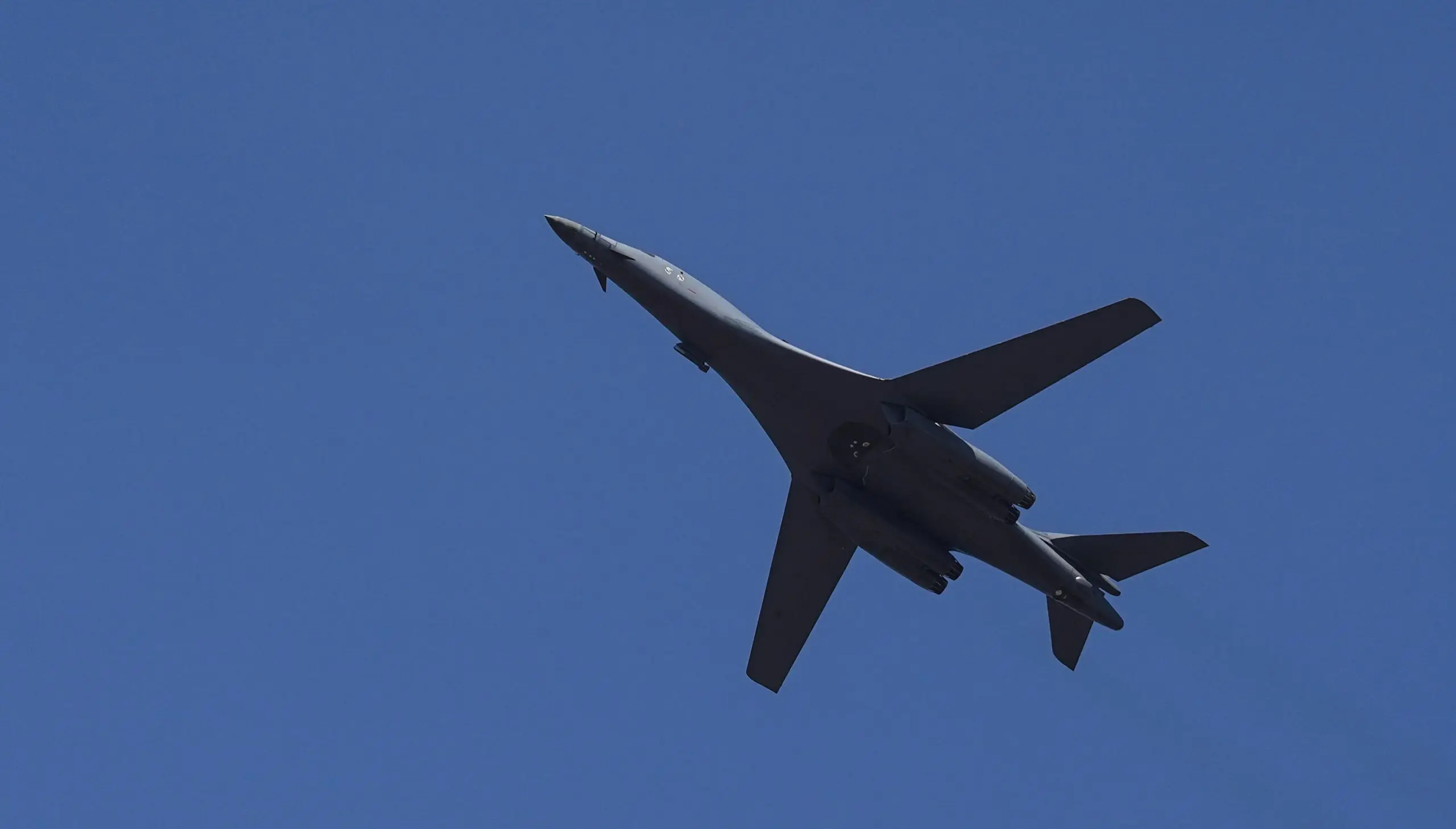
On May 7, 1999, a B-2 dropped five JDAMs on a building in Belgrade that US intelligence had identified as a Serbian military procurement office. The building was the Chinese embassy. Three Chinese journalists were killed, and dozens of embassy staff were injured. The strike was the result of an intelligence mapping error — the CIA was using an outdated map that did not reflect the embassy's location. The incident caused a severe diplomatic crisis between the US and China. It remains the most significant error of the Kosovo air campaign and the most politically consequential mission the B-2 has ever flown.
What Kosovo Proved
The Kosovo campaign settled the central question about the B-2: stealth worked in real combat against real air defences. The aircraft's ability to operate over defended Serbian territory without loss, delivering precision munitions from altitude, validated the entire strategic concept behind the programme. It also established the B-2's operational pattern that has held ever since: long missions from Missouri, precision strike on opening nights, targets that conventional aircraft could not safely approach. The debut was as close to perfect as any new combat aircraft has ever achieved in its first war.
)
)
)
)
)