Deep-fried food from 2,000 years ago? Study finds ancient Romans loved fast food

This discovery now suggests that some quick, affordable meals were part of the daily life for regular Roman citizens, much like fast food today.
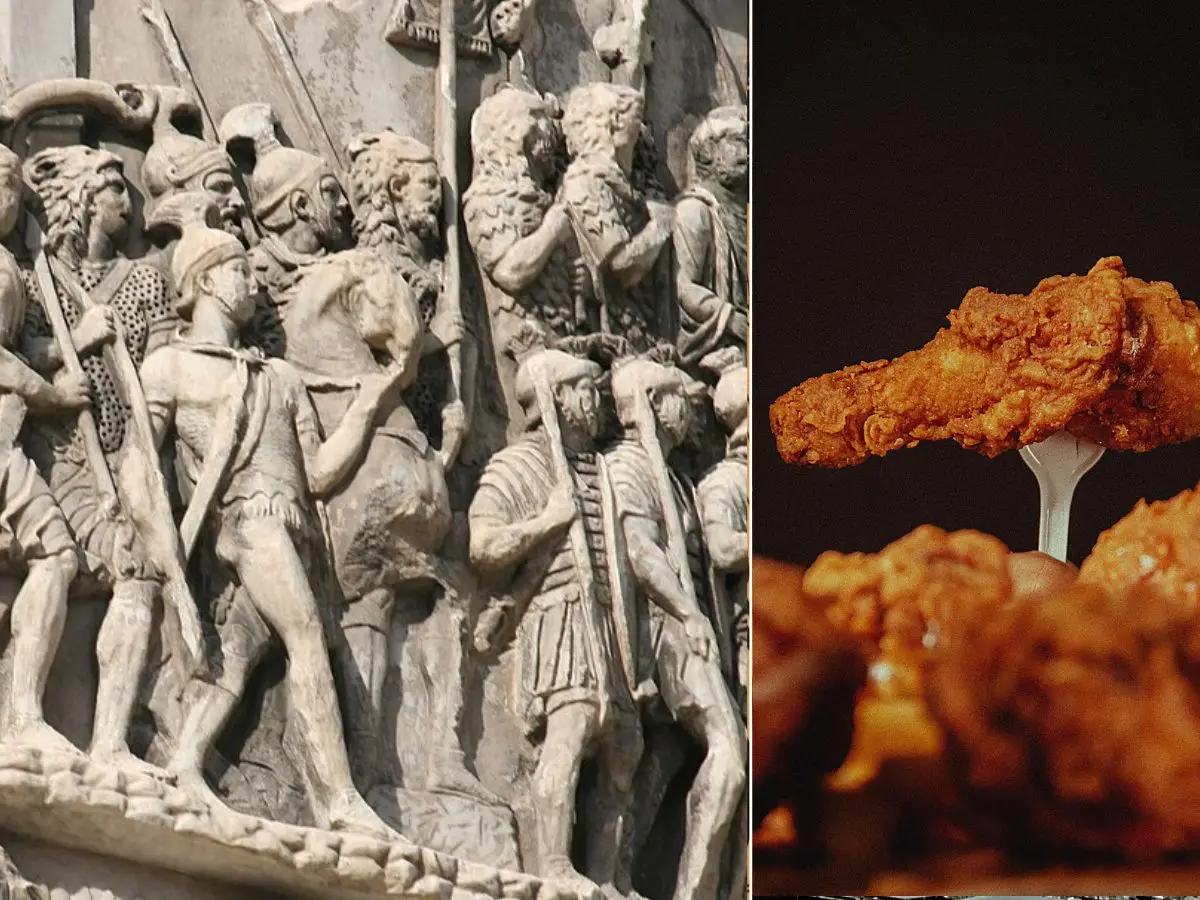
Ancient Origins of Fast Food
Archaeologists have recently uncovered evidence indicating that nearly 2,000 years ago, ancient Romans were eating deep-fried songbirds as street food. Excavations at Pollentia, an old Roman city on the Spanish island of Mallorca, has revealed bird bones near a garbage pit behind a food stall. This discovery now suggests that some quick, affordable meals were part of the daily life for regular Roman citizens, much like fast food today.
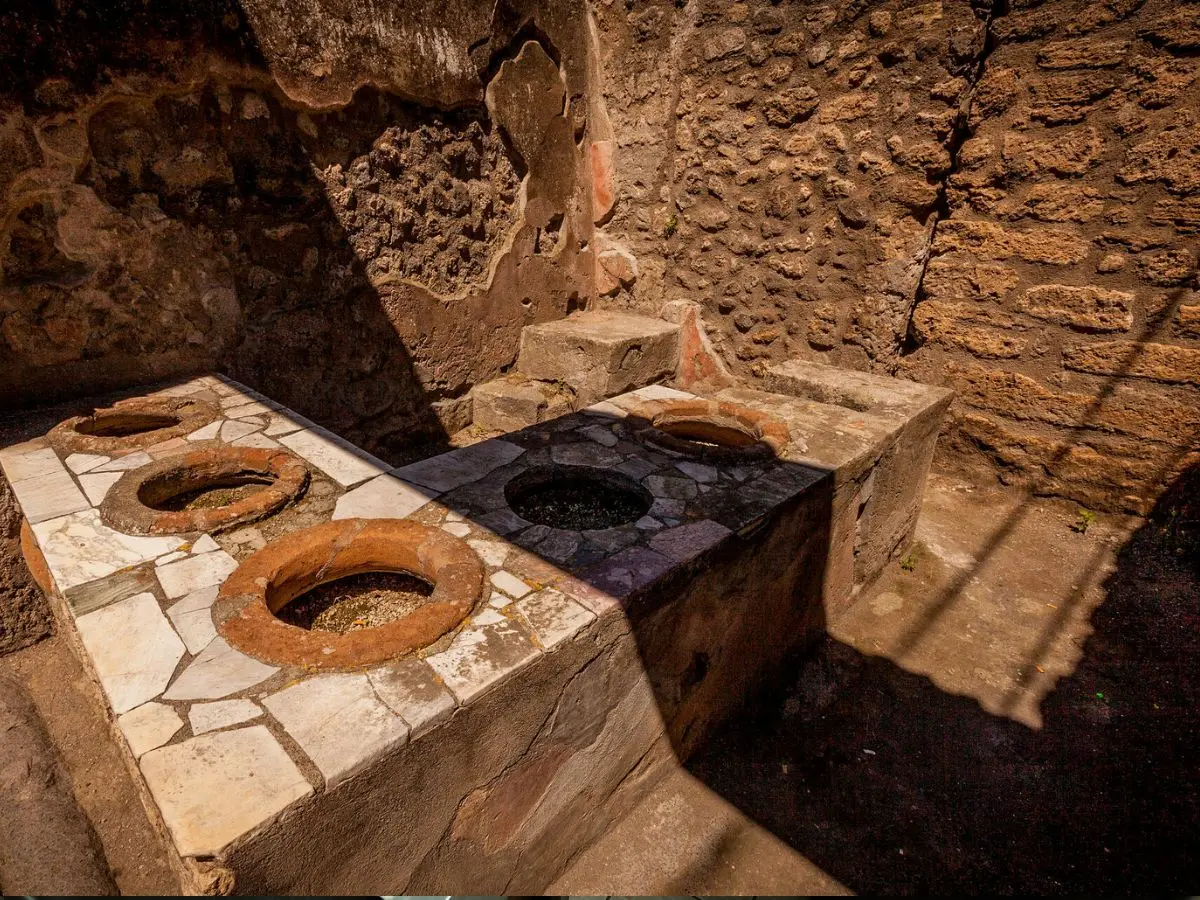
Discovery at Pollentia
The findings come from a 4-metre-deep cesspit which was connected to a Roman food stall, or taberna, in Pollentia. During the study, led by Dr Alejandro Valenzuela of the Mediterranean Institute for Advanced Studies, researchers analysed thousands of bones found in the pit. These dated from 10 BC to AD 30.

Songbirds on the Menu
Among the 3,963 animal remains, about 165 bones came from thrushes, a type of migratory songbird which are still seen in Mallorca. The bones were mostly skulls, or breastbones, and even wing tips—indicating the fleshy parts had been removed before disposing the bones. This suggests the birds were flattened and later, deep-fried whole before being sold.

Everyday Roman Street Food
Although thrushes have been described as elite delicacies in the Roman texts, the remains at Pollentia point to wider public consumption, challenging the belief. These birds were likely caught during in winter using nets or birdlime and sold to vendors, who later fried them quickly for passing customers.
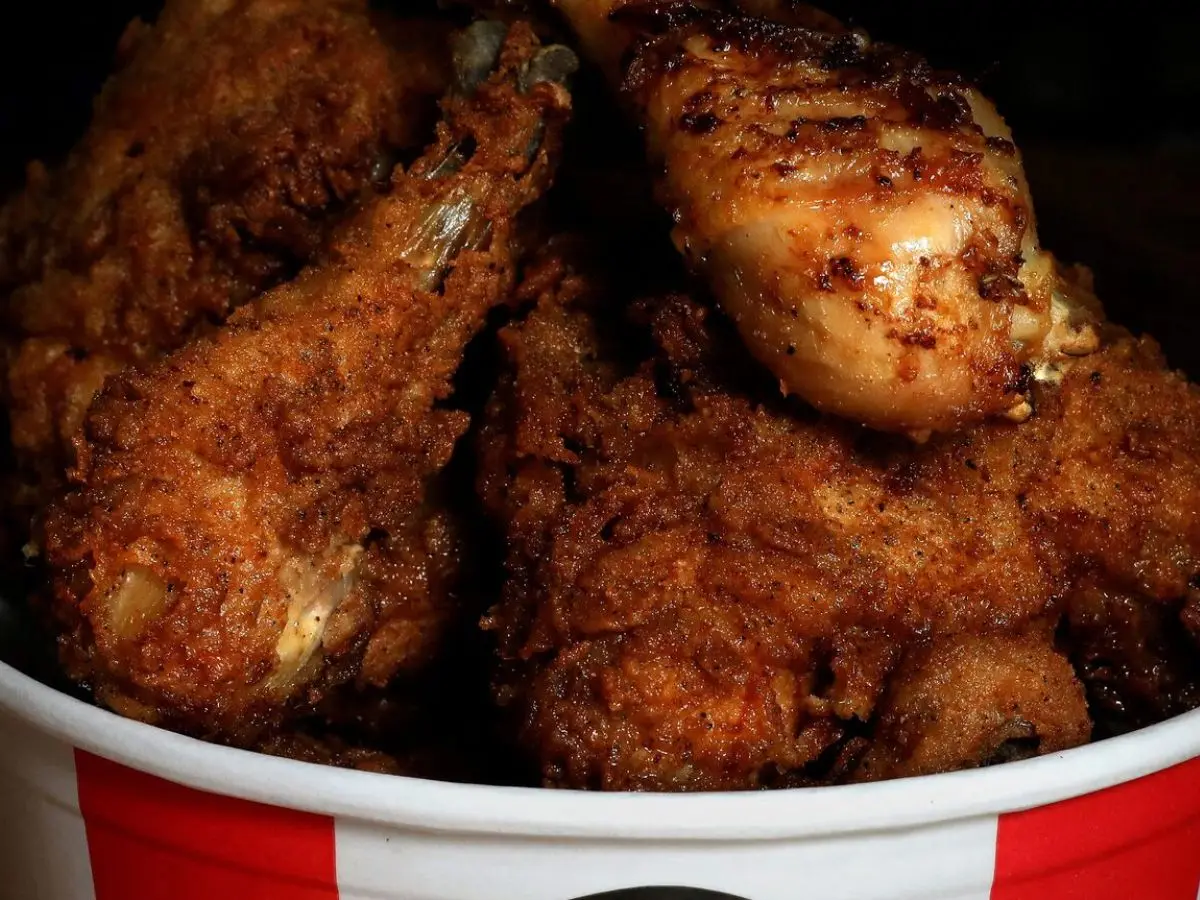
Evidence of Frying Technique
However, there were no cut or burn marks on the bones, thus, ruling out the possibility of grilling or roasting them. The sternums appeared to have been removed before cooking. These findings align with known Roman practices of frying small birds in oil. The preparation style resembles modern methods used for small game birds like quail.
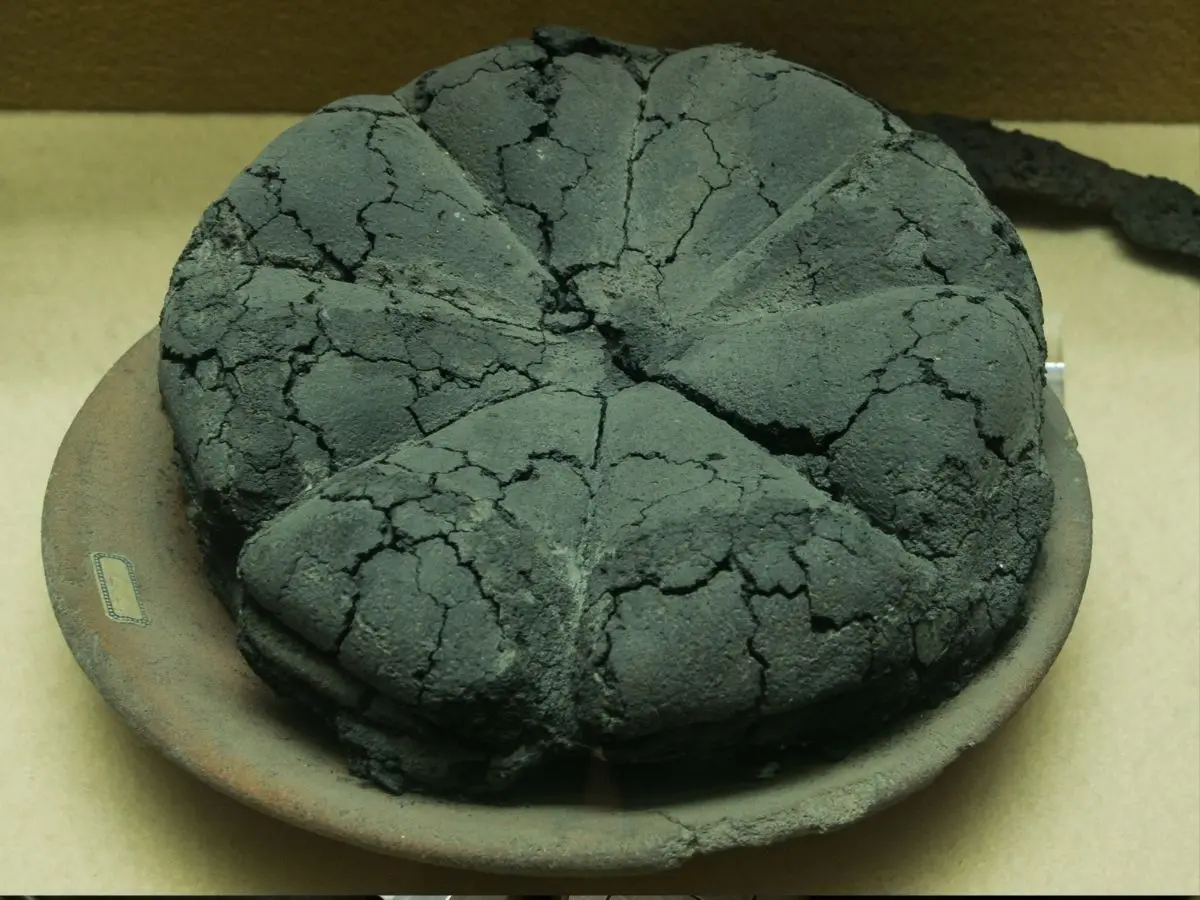
Varied Roman Diet
The cesspit also held remains from pigs (1,151), rabbits (853), sheep/goats (218), cattle (104), fish (678), and marine shells (642), showing a diverse menu from the Roman times. Domestic fowl (126) and pigeons (7) were also present. The absence of predator damage suggests the Romans maintained good waste hygiene. These findings offer new insight into Roman urban diets and the early roots of what we now call fast food.
)
)
)
)
)