Key NATO allies deny support to US military ops on Iran: What that means? Ranking NATO’s top 7 armed forces

Trump also criticised European NATO allies for not backing US military action and suggested he is “absolutely” considering withdrawing the United States from NATO, calling the alliance a “paper tiger.”
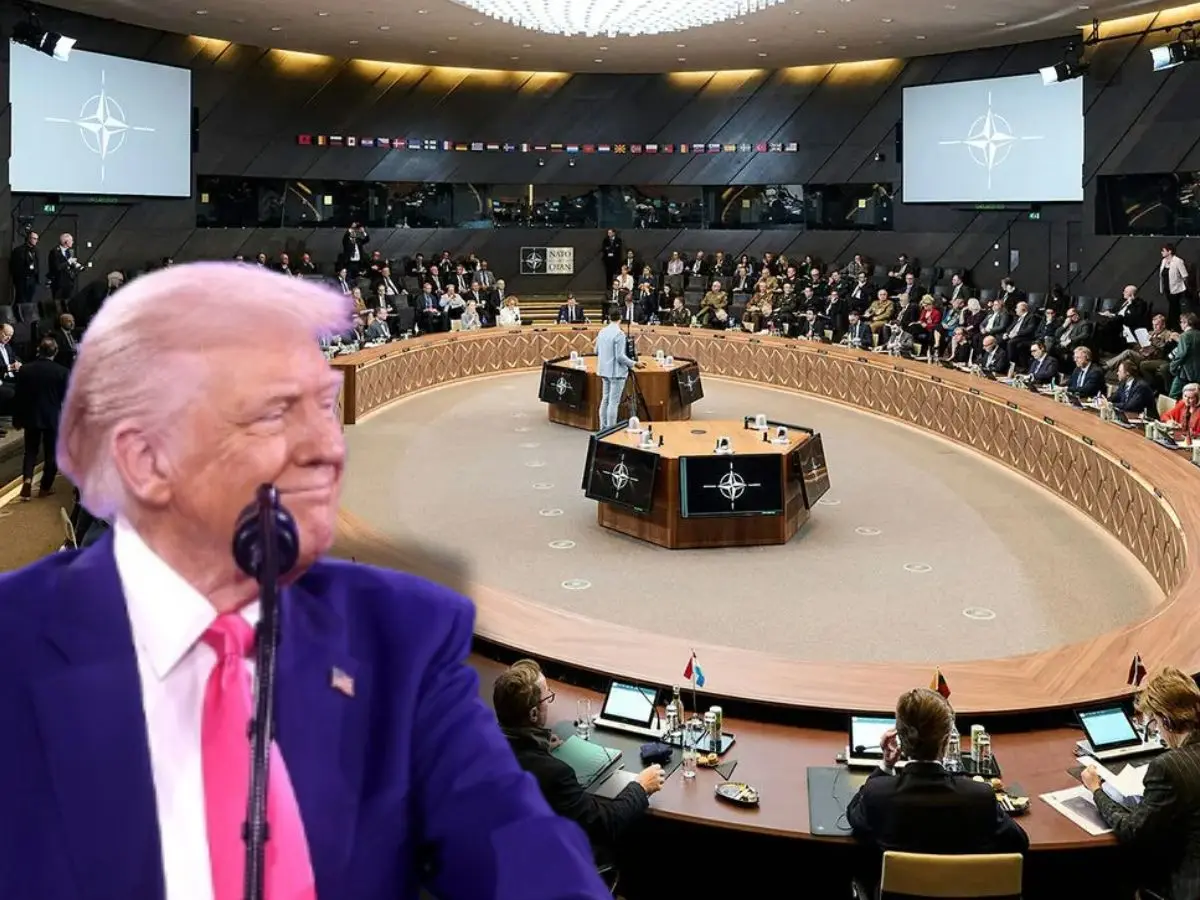
US Withdrawal Plans from Iran
US President Donald Trump indicated that the United States will withdraw from its war with Iran “pretty quickly” but could return for ‘spot hits’ if needed, as the month‑long conflict enters its fifth week. Trump also criticised European NATO allies for not backing US military action and suggested he is “absolutely” considering withdrawing the United States from NATO, calling the alliance a “paper tiger.”
NATO’s Foundations and Current Strain
Established in 1949 to counter Soviet threat and guarantee collective defence, NATO has been the bedrock of Western security. Trump’s recent remarks, including his intent to use his primetime national address to air grievances, follow US frustrations over allies’ refusal to send naval forces to the Strait of Hormuz or grant overflight and basing rights in support of operations linked to Iran.
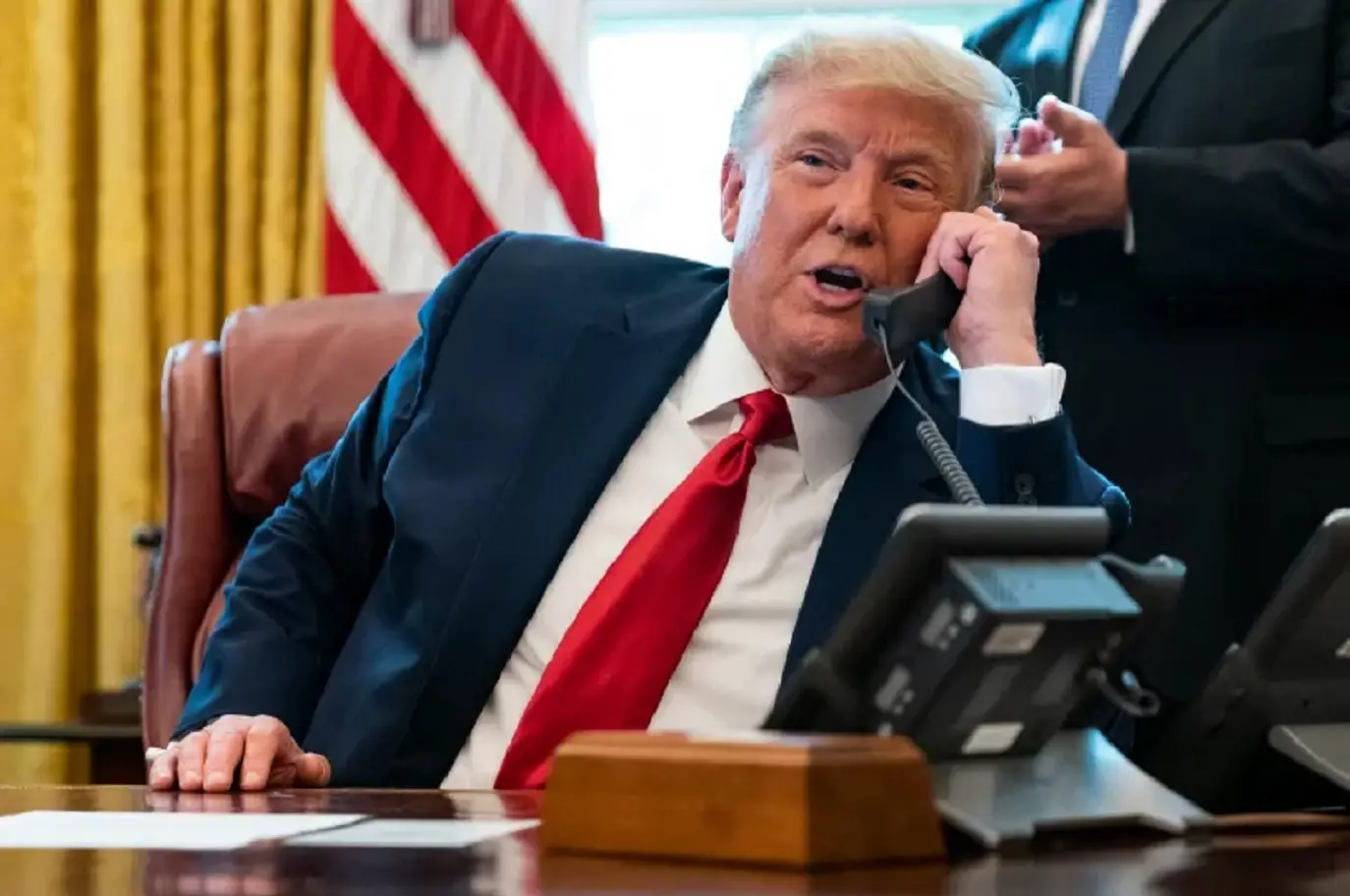
France, Spain and NATO Opposition to Iran War
Trump called longtime NATO allies "cowards" over their lack of support. On Tuesday, he slammed countries that did not help in the US-Israeli strikes. France and Spain have taken firm stances against US and allied military operations in Iran. France has stressed that NATO is oriented towards Euro‑Atlantic defence and not offensive missions in the Strait of Hormuz, and reportedly refused Israeli use of its airspace to ferry US weapons. Spain has officially closed its airspace to US military aircraft involved in the conflict and barred use of jointly operated bases like Rota and Morón de la Frontera for Iran‑related operations. The Defence minister said that Spain will only allow for the use of its bases for the collective defence of NATO allies. Additionally, Italy last week denied permission for US military aircraft to land at the Sigonella air base in Sicily before heading to the Middle East, sources said.
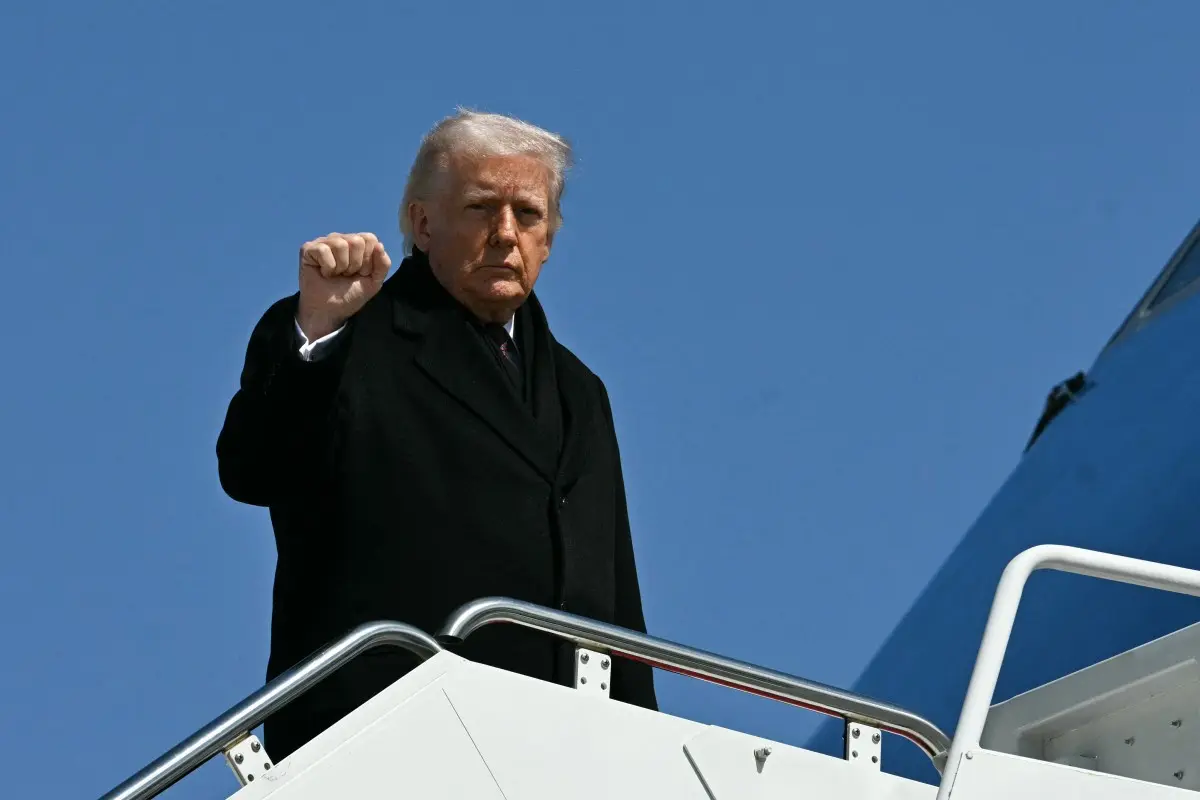
The widening rift
These three nations rank among NATO’s top five military powers. Trump also criticised the United Kingdom, whose modern air force, nuclear deterrent, and professional army remain key to NATO, for refraining from Iran-related operations. He had written on Truth Social: "All of those countries that can’t get jet fuel because of the Strait of Hormuz, like the United Kingdom, which refused to get involved in the decapitation of Iran, I have a suggestion for you: Number 1, buy from the U.S., we have plenty, and Number 2, build up some delayed courage, go to the Strait, and just TAKE IT." Below is the list of the top 5 strongest militaries in the NATO.
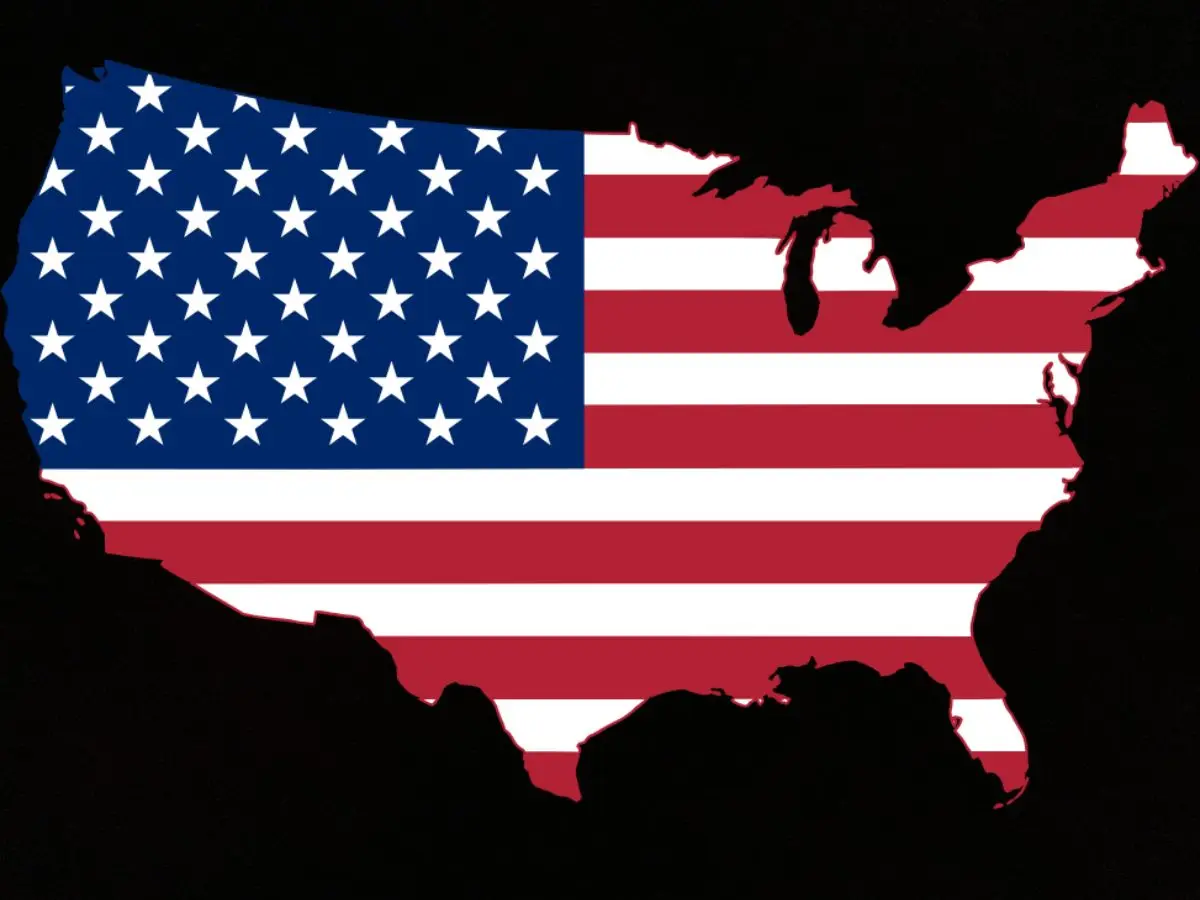
United States – NATO’s Leading Military Power
The United States ranks as the top military power among NATO members in the 2026 Global Firepower index, with the lowest (strongest) Power Index score among alliance states. Its combined strengths in manpower, airpower, naval assets, including aircraft carriers and advanced combat aircraft — give it unmatched conventional capability within NATO.
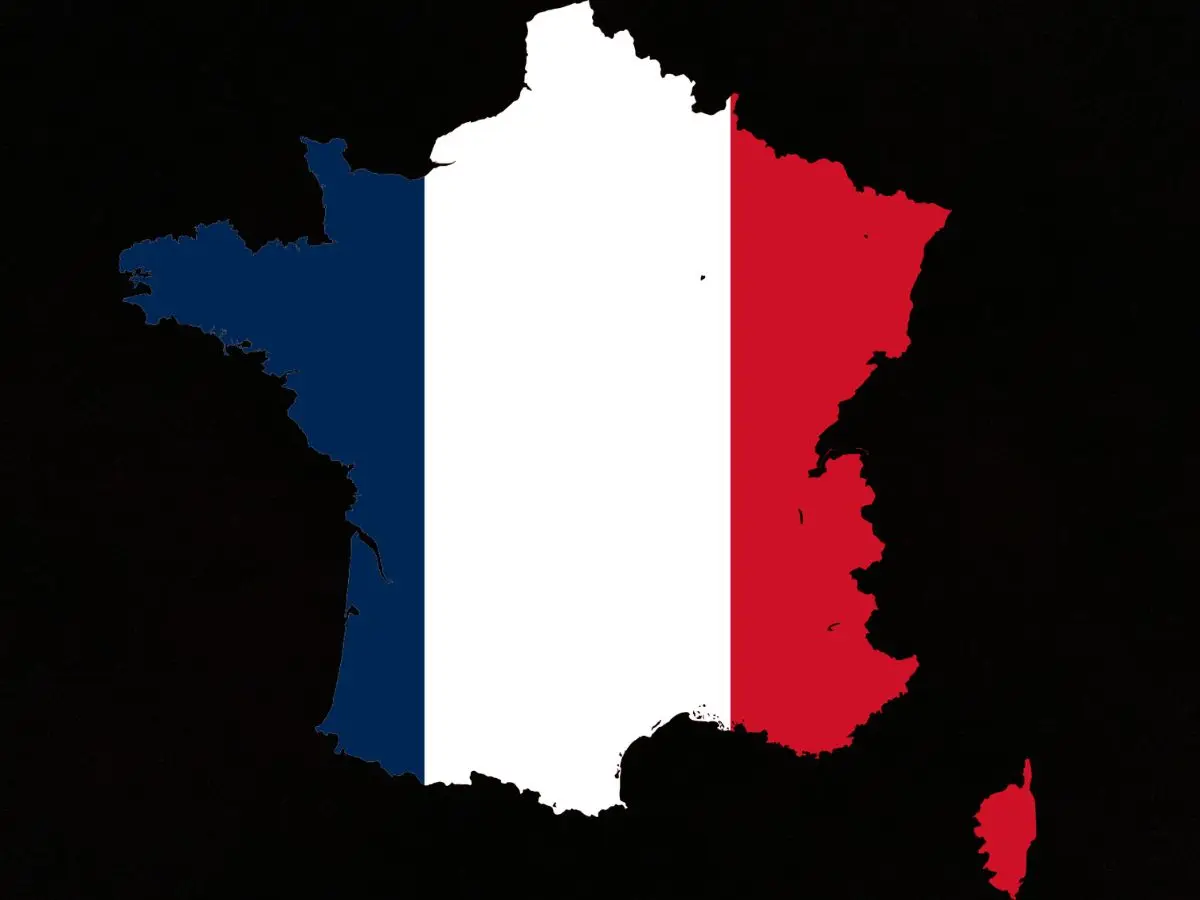
France – Second Strongest NATO Military
France ranks as the second most powerful NATO military in the 2026 Global Firepower index, with a notably stronger Power Index than most European members. The country maintains nuclear capabilities alongside a balanced army and a versatile air and naval force, reflecting its status as a leading European defence power. France has an available manpower of 30,084,820, with 26,400 active personnel. Its air fleet comprises 779 aircraft, including 178 fighters on readiness, while its naval assets include one aircraft carrier and nine submarines, providing a robust and flexible military presence within NATO.
United Kingdom – Third in NATO Military Ranking
The United Kingdom ranks third among NATO members in the 2026 Global Firepower index. It maintains a blue‑water navy with nuclear‑armed submarines, a modern air force, and highly trained professional land forces. The UK has an available manpower of 31,491,165, with 141,330 active personnel. Its air fleet includes 406 aircraft, of which 67 are fighters on readiness, while its naval assets consist of two aircraft carriers and ten submarines.
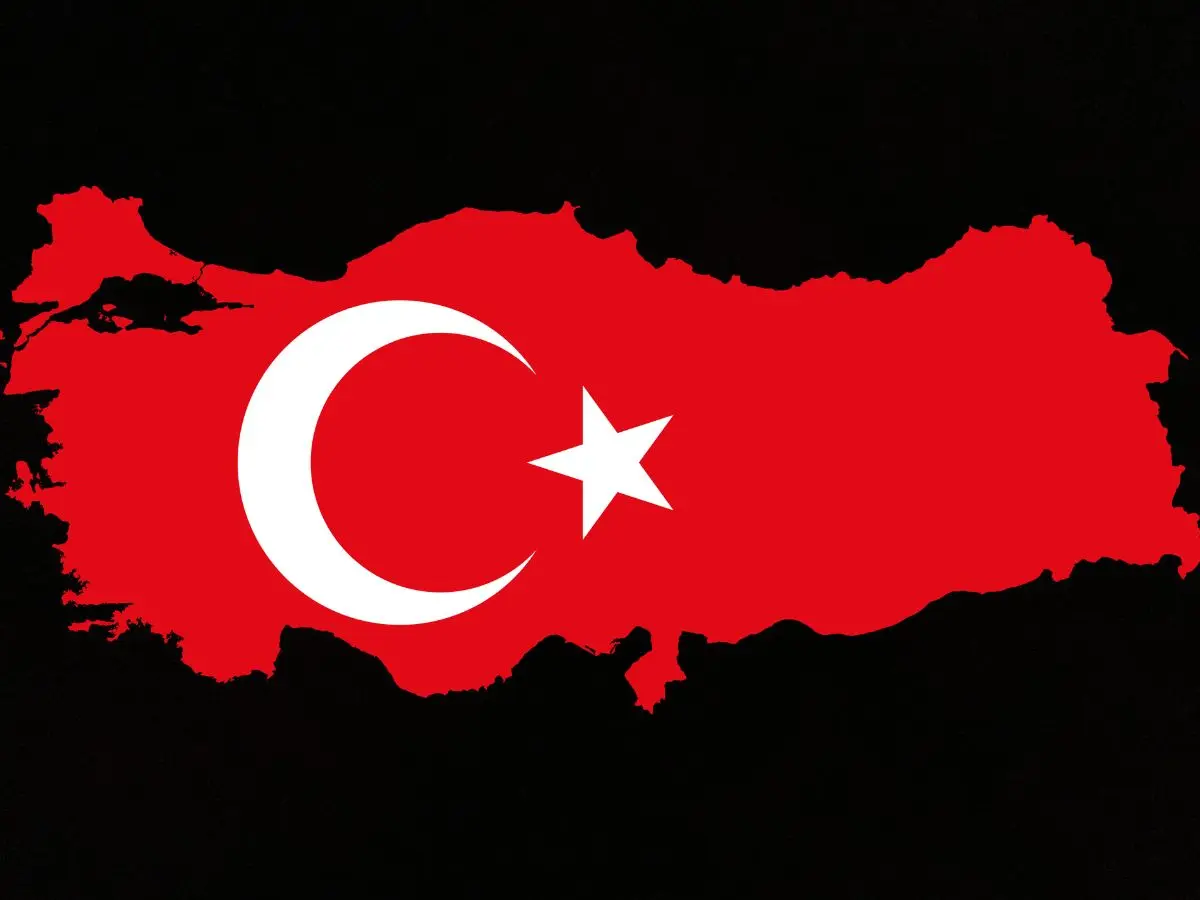
Turkey – Fourth Among NATO Powers
Turkey ranks fourth among NATO members and is considered the world’s eighth most powerful military and the leading regional power, according to Global Firepower. Its national defence comprises a coordinated mix of land, air, and naval assets, blending offensive capabilities with general deterrence. Turkey fields 771 aircraft, including 141 fighters on readiness, and 78 attack helicopters. Its naval forces include 14 submarines, supporting both regional security and alliance commitments. Turkey’s structured, Western-aligned military provides a flexible approach to NATO operations, while maintaining strong national deterrence and battlefield readiness.
Italy – Fifth NATO Military Strength
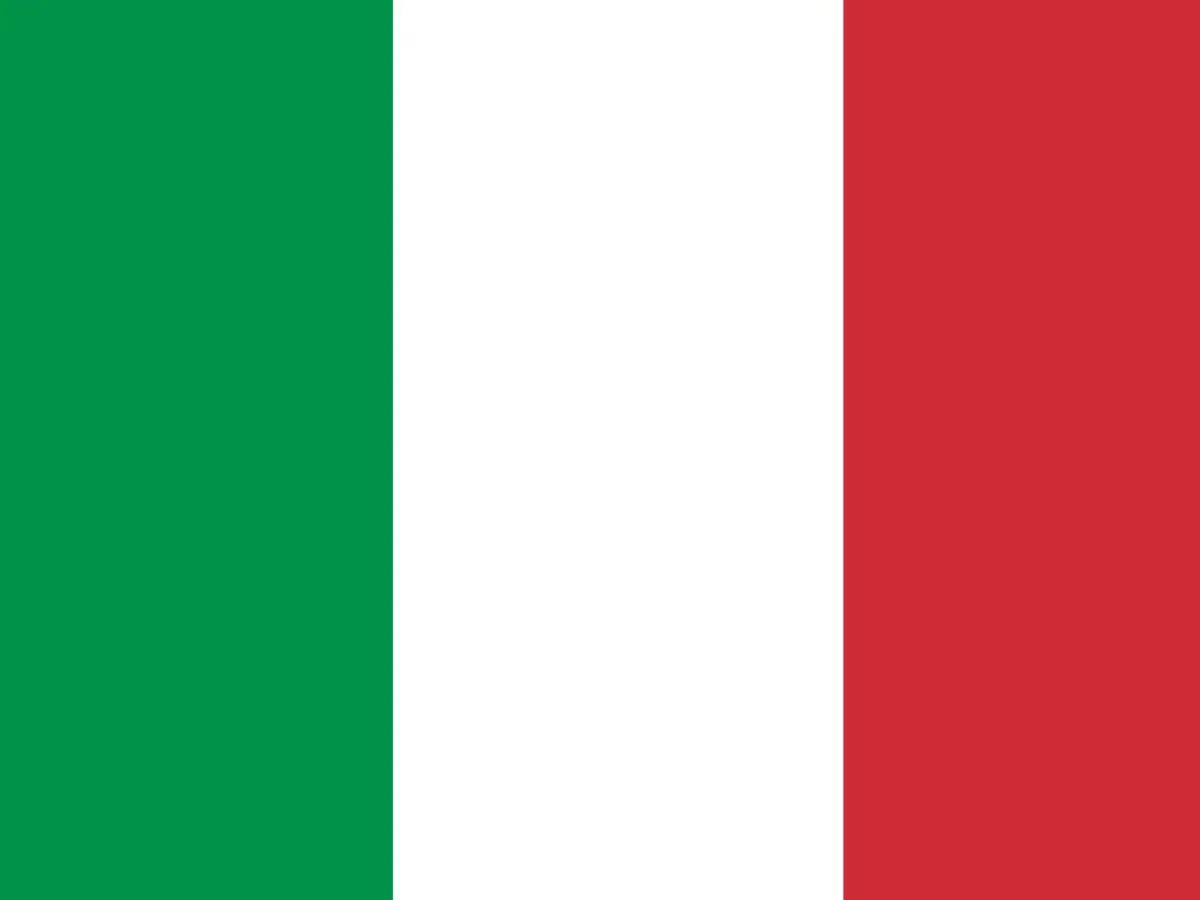
Italy ranks fifth among NATO military powers, with a balanced mix of army, air, and naval forces. Recent decisions, including the denial of access to U.S. aircraft at Sigonella air base for Iran‑related missions, highlight divisions within the alliance. Italy fields 500 aircraft, including 62 fighters on readiness, and maintains two aircraft carriers alongside eight submarines. Its armed forces include 165,500 active personnel, providing a versatile and capable military presence within NATO, particularly in European and Mediterranean theatres.
Germany – Sixth Strongest NATO Military
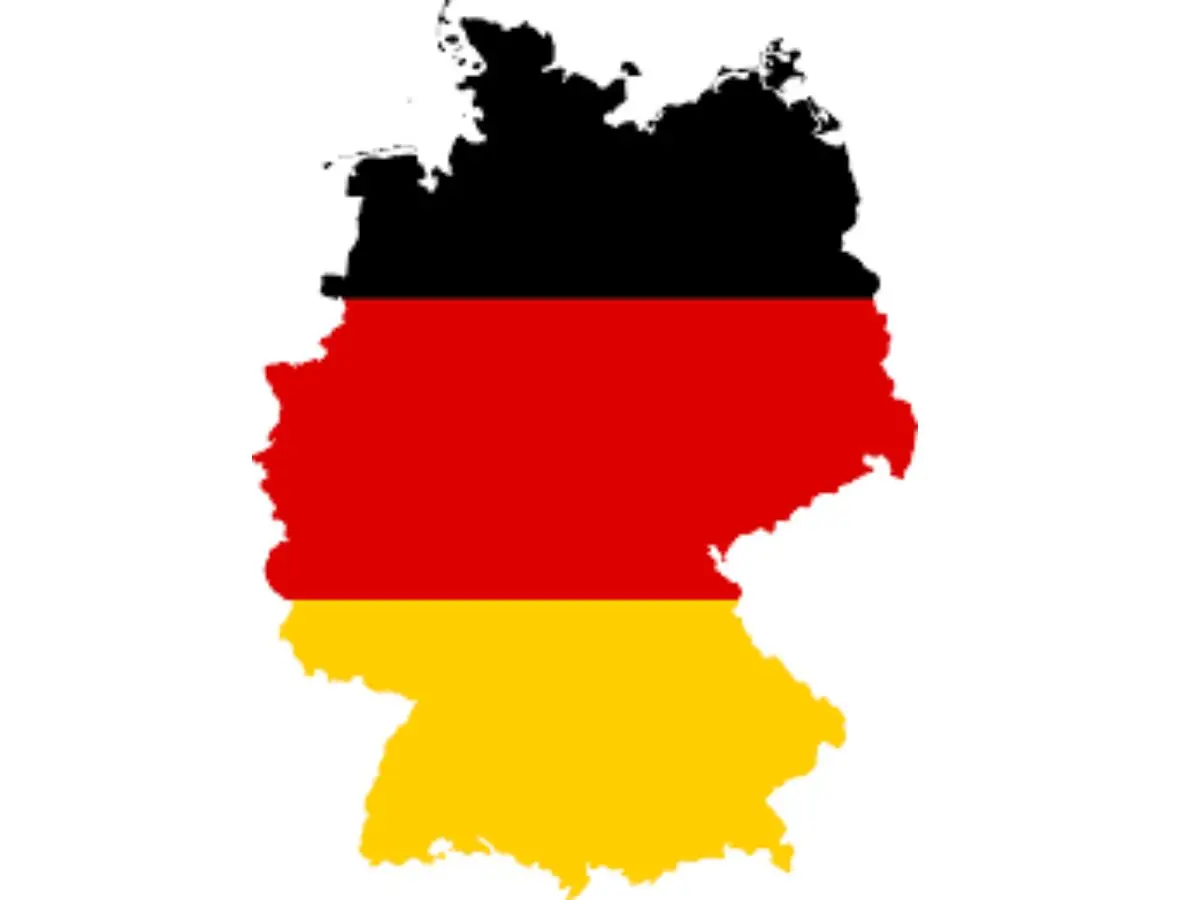
Germany ranks sixth among NATO members and 12th globally in the 2026 Global Firepower index. Its armed forces include 184,324 active personnel. The air fleet comprises 95 fighter jets and 37 attack helicopters on readiness, while the navy operates a total of 96 vessels.
Spain – Seventh Strongest NATO Military
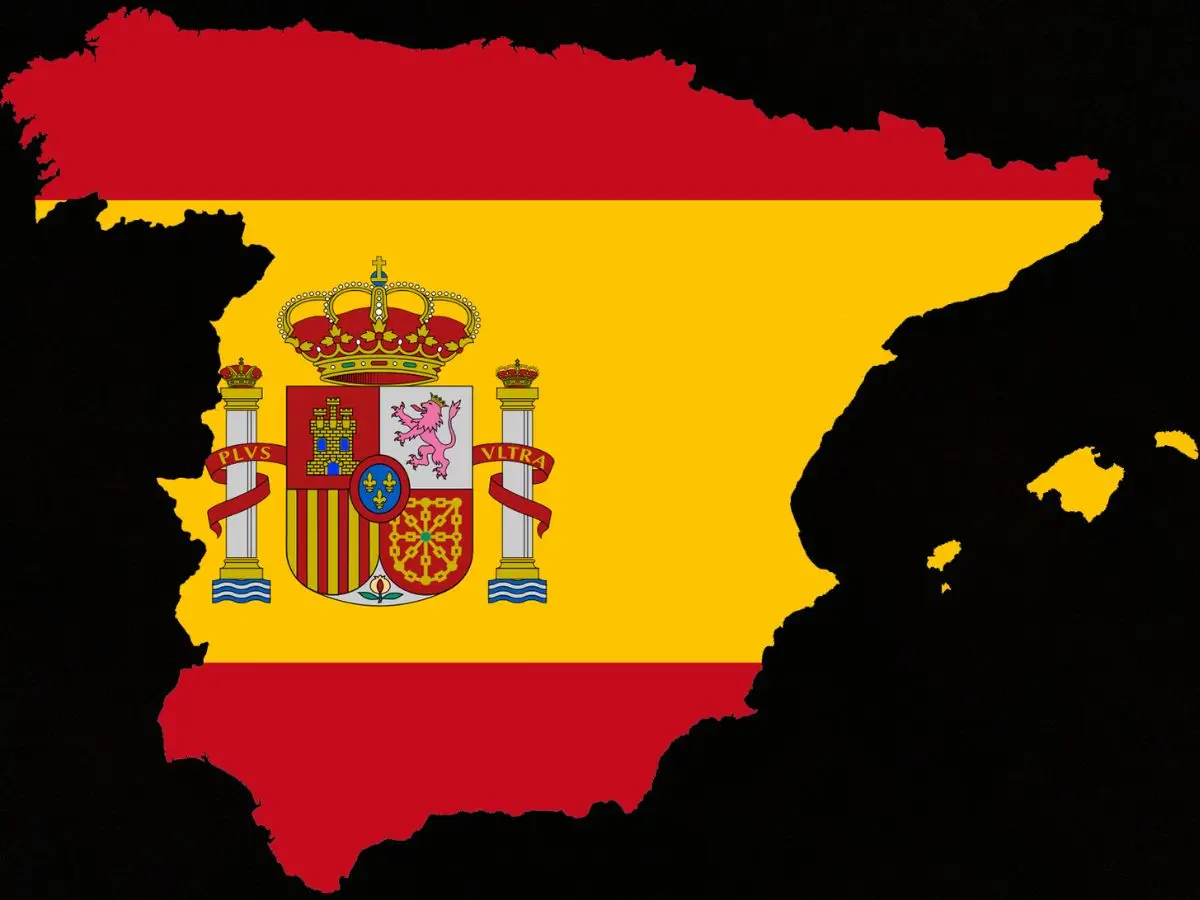
Spain ranks seventh among NATO members and 18th globally according to the 2026 Global Firepower index. It has an available manpower of 21,748,999, with 121,802 active personnel. Its air force operates 286 aircraft, including 88 fighters on readiness and 11 attack helicopters, while the navy fields 175 vessels.
Broader NATO Response to US Demands
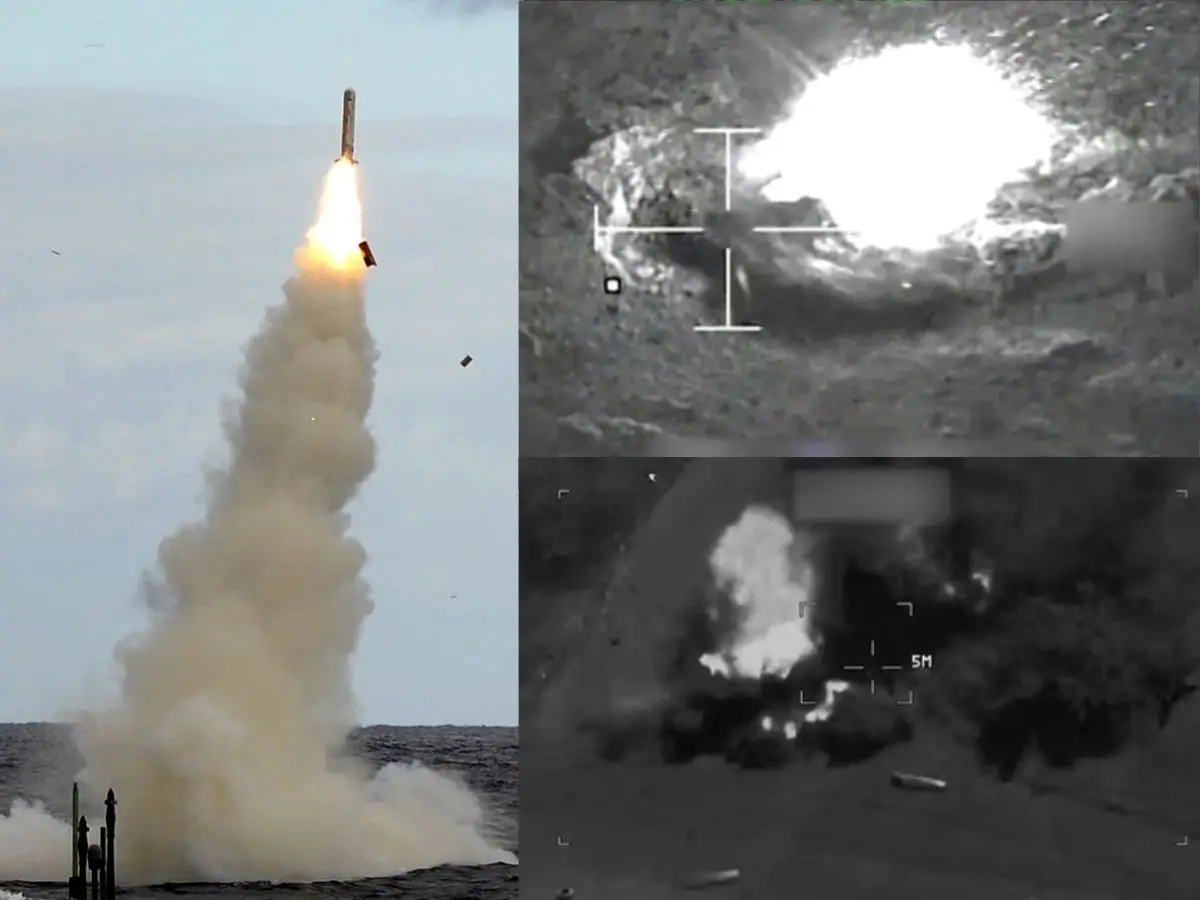
Other NATO members, including Germany, have echoed positions that NATO’s mandate is defensive and not intended for external conflicts such as the Iran war. The refusal to deploy warships or grant operational support has accentuated doubts in Washington about alliance reciprocity. While the United States remains NATO’s dominant military power, European members have emphasised legal limits and defensive obligations, triggering debate over NATO’s cohesion and future strategy.
)
)
)
)
)