Retired Kepler Telescope was hiding a 'cold Earth' candidate 146 light-years away. Here is why it matters

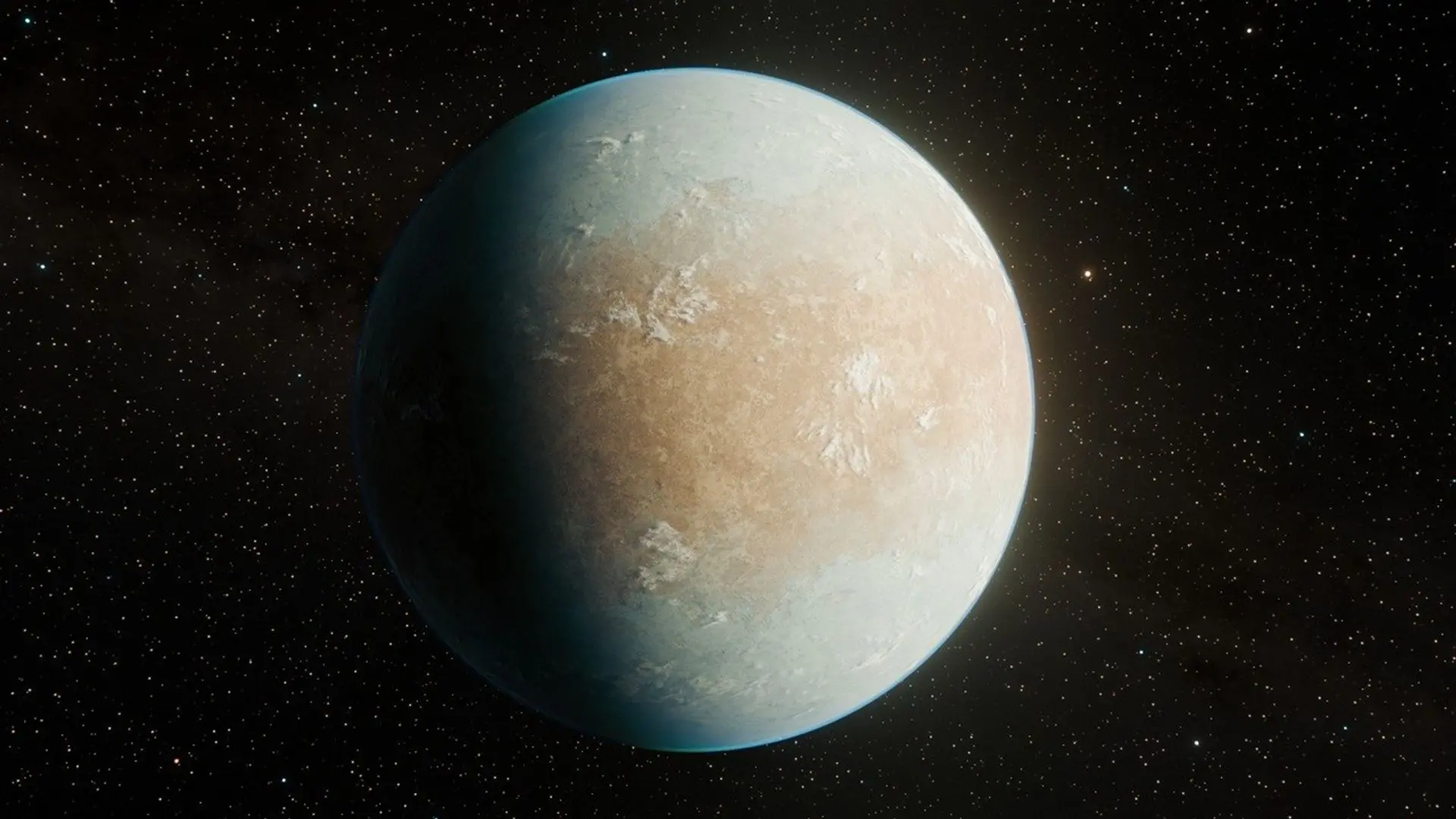
Cold Earth candidate HD 137010 b is similar to our planet in size. It orbits around its star in 355 days, meaning it is almost the same distance from its star as Earth is from the Sun. However, it is colder than Mars because its star is colder than the Sun.
Earth-like planet discovered?
Astronomers have discovered an "ice-cold Earth" candidate with an orbital period similar to that of our planet and just the right distance from its star, making it a prime candidate for future observations. NASA announced HD 137010 b was detected while scanning data from the Kepler Space Telescope, which retired in 2018. The finding was published in The Astrophysical Journal Letters, and make it the perfect candidate to study life outside the solar system.

About the 'ice-cold Earth' HD 137010 b
The planet is almost exactly the size of Earth, and takes 355 days to complete an orbit of its star. The star is bright and just 146 light-years away, making detailed observations with future telescopes possible. However, the planet is colder than Mars since its star is a K-dwarf, bright but about 1000°C cooler than the Sun. It might still be on the edge of the star’s habitable zone, receiving just the right amount of sunshine for water to potentially be liquid on its surface.
Why HD 137010 b discovery matters
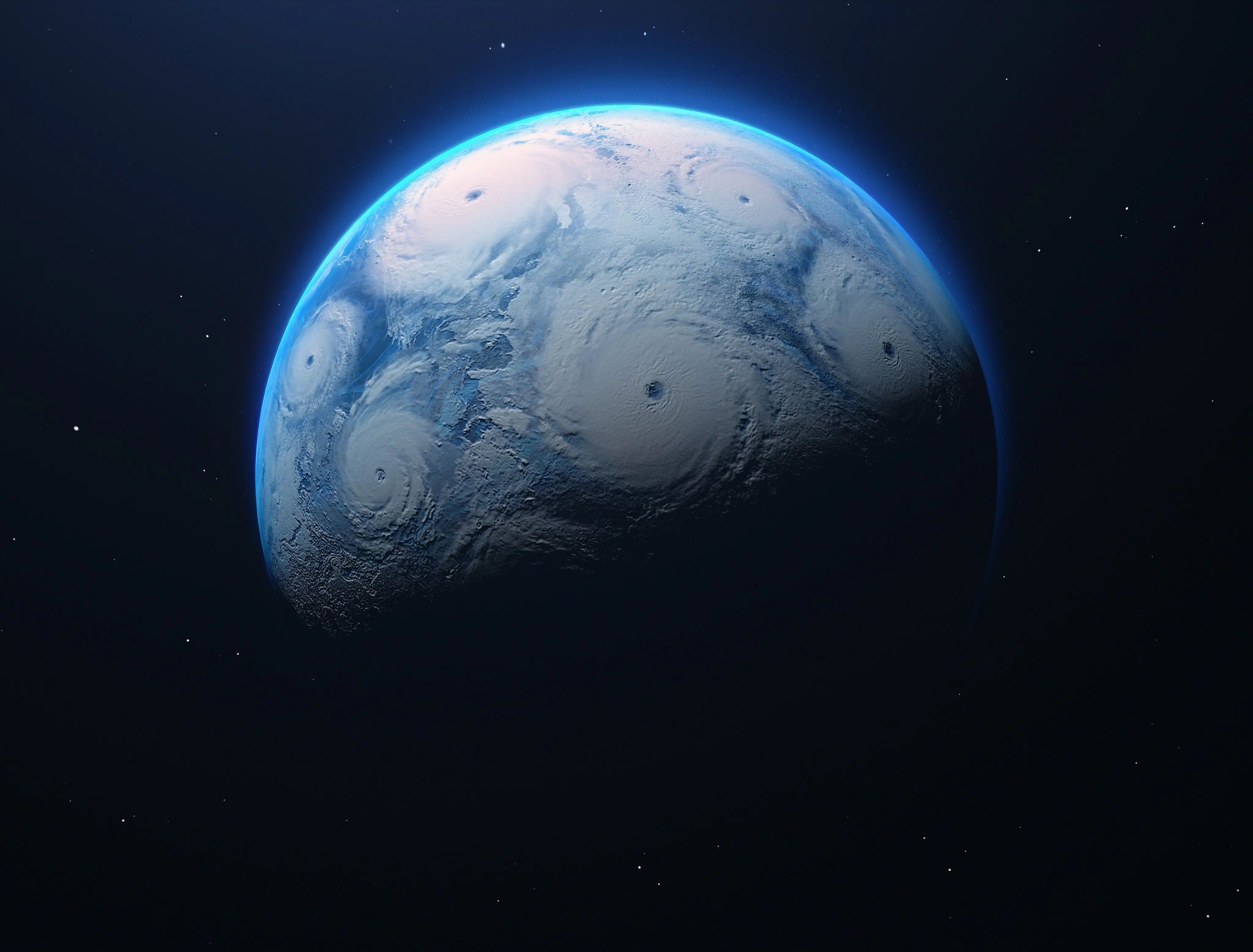
Kepler's observation of this exoplanet candidate is crucial in the study of life outside the solar system. Its location around its star and the orbit period make it a prime target for further observations. It is slightly larger than Earth and possibly a rocky planet. Most of the exoplanets found are "hot Jupiters", extremely large and hot. What's even more rare is that HD 137010 b completes an orbit in 355 days, something rarely detected in any other Earth-like planets.
Top candidate for "follow-up" observations
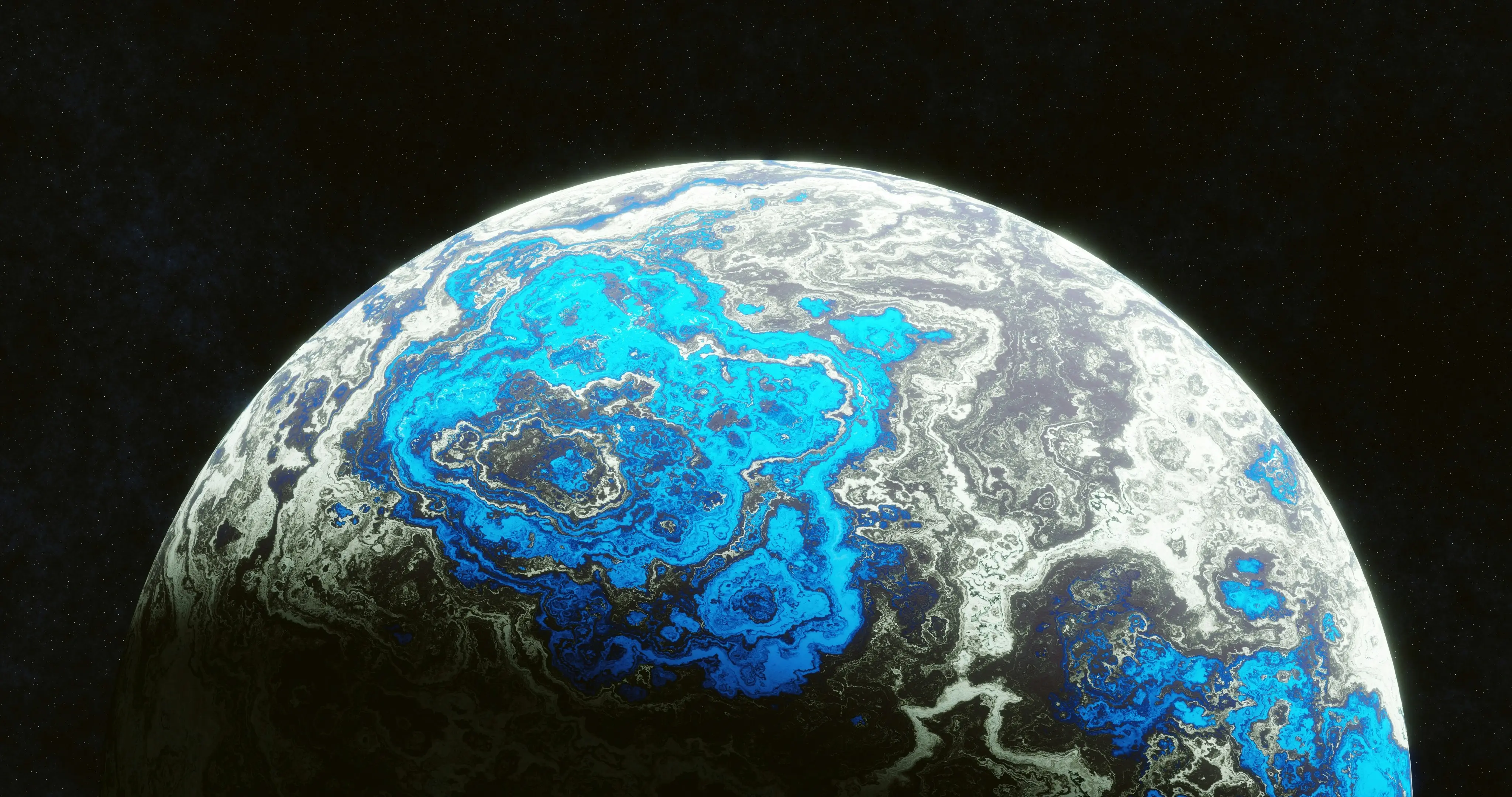
The distance of the planet and its star from Earth makes it a prime target for observations. The star is located only 146 light-years away and is similar to our Sun. This makes future analysis easier, and James Webb (JWST) or the upcoming Roman Space Telescope can peer through the atmosphere of the planet to study its atmosphere.
Testing habitable zone limits
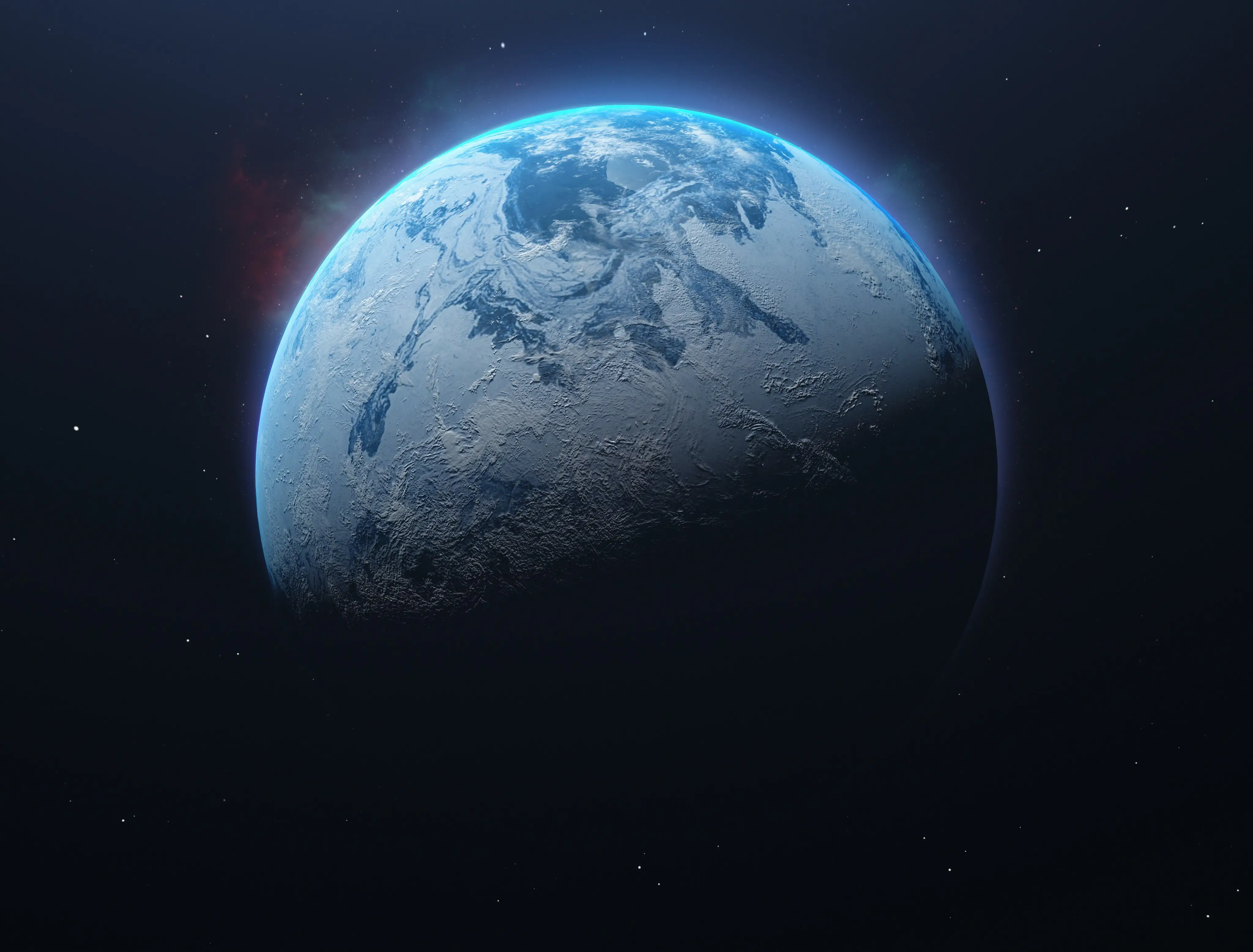
Even though the planet is located at a similar distance from its star, as Earth is from the Sun, it is way colder than even Mars. Temperatures might stand at an estimated -68°C. This would normally translate to a frozen world. However, astronomers believe it could still be a "watery world" if it has a thick enough atmosphere. This is because of the Greenhouse effect that would be created in this scenario, with high levels of carbon dioxide trapping heat, allowing for liquid water. Scientists can use the data to refine their models of what makes a planet habitable.

Importance of zombie data
Scientists stumbled upon HD 137010 b while going through data collected by NASA's Kepler Telescope that is no longer functional. It has been out of service for eight years, and yet wit as hiding an Earth-like planet that was only found now. This shows that many more such discoveries could be made by scanning past data of similar equipment.

Middle ground between Mars and Earth
This exoplanet, which is rocky like Earth and Mars, has an orbit period like our planet, but is colder than the Red Planet, and offers a chance to observe a body that falls in the middle of the scale. It could help understand the diversity of rocky planets and whether it is common for Earth-sized planets to move into a state of "deep freeze". It can also show if such planets can maintain warmth through their atmosphere.
)

)
)
)