Kenya opens Chinese-built railway linking Rift Valley town and Nairobi

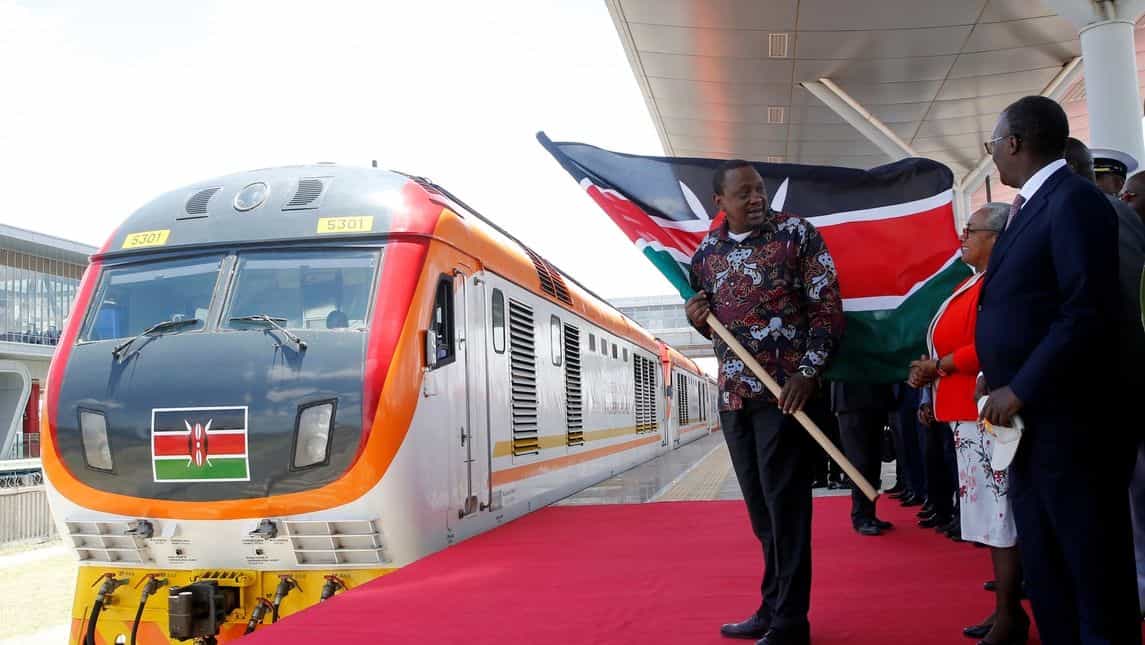
Kenyan President flags off train
Kenya's President Uhuru Kenyatta flags off the train linking Nairobi and Naivasha at the Nairobi Terminus operating the Standard Gauge Railway (SGR) line constructed by the China Road and Bridge Corporation (CRBC) and financed by Chinese government in the outskirts of Nairobi, Kenya.
''One Belt, One Road''
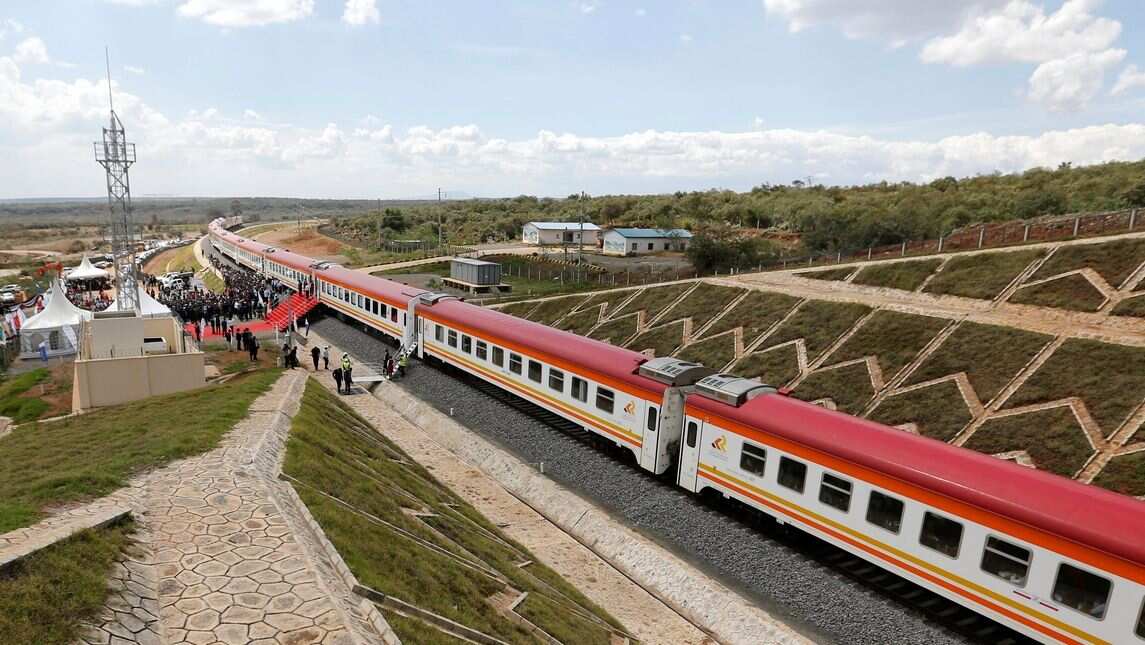
Upgrading Kenyan railways has been part of Beijing's "One Belt, One Road" initiative, multi-billion dollar infrastructure projects aimed at improving land and maritime trade routes between China and Europe, Asia and Africa.
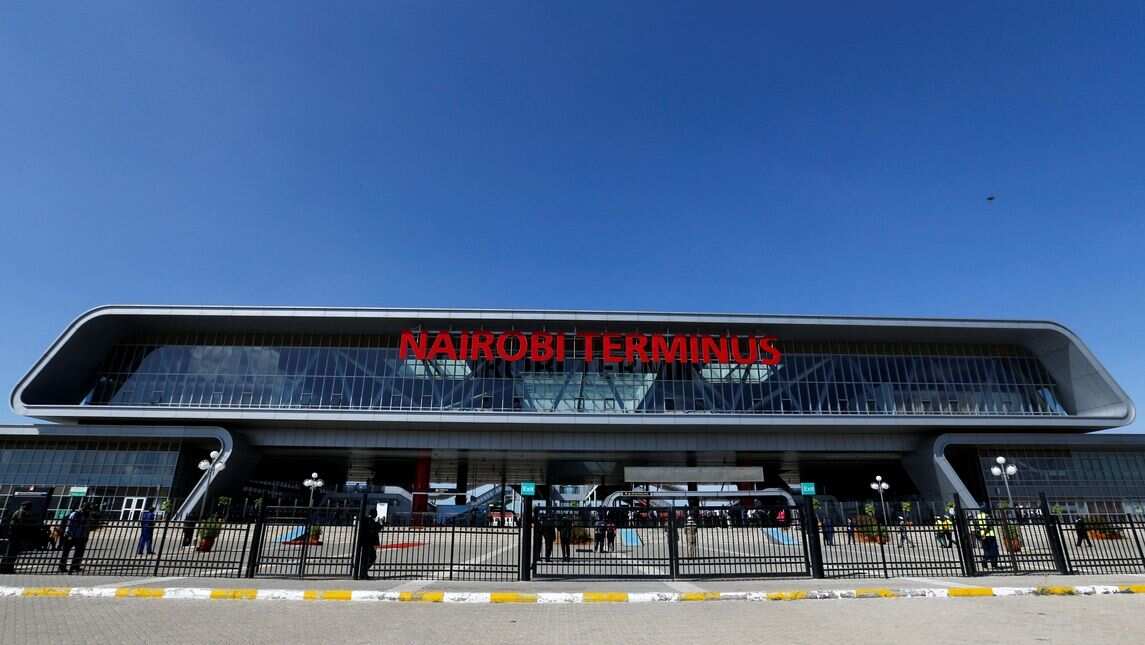
Nairobi terminus
Kenya had planned to open an industrial park in Naivasha, offering companies tax breaks for investing in manufacturing, and preferential tariffs for electricity generated in the nearby geothermal fields. But that has been delayed.
China's second attempt
In April, China refused to fund the planned $3.7 billion extension from Naivasha to the Ugandan border town of Malaba. Transport Minister James Macharia said then that the government would spend $210 million to rehabilitate the colonial-era Malaba line instead.
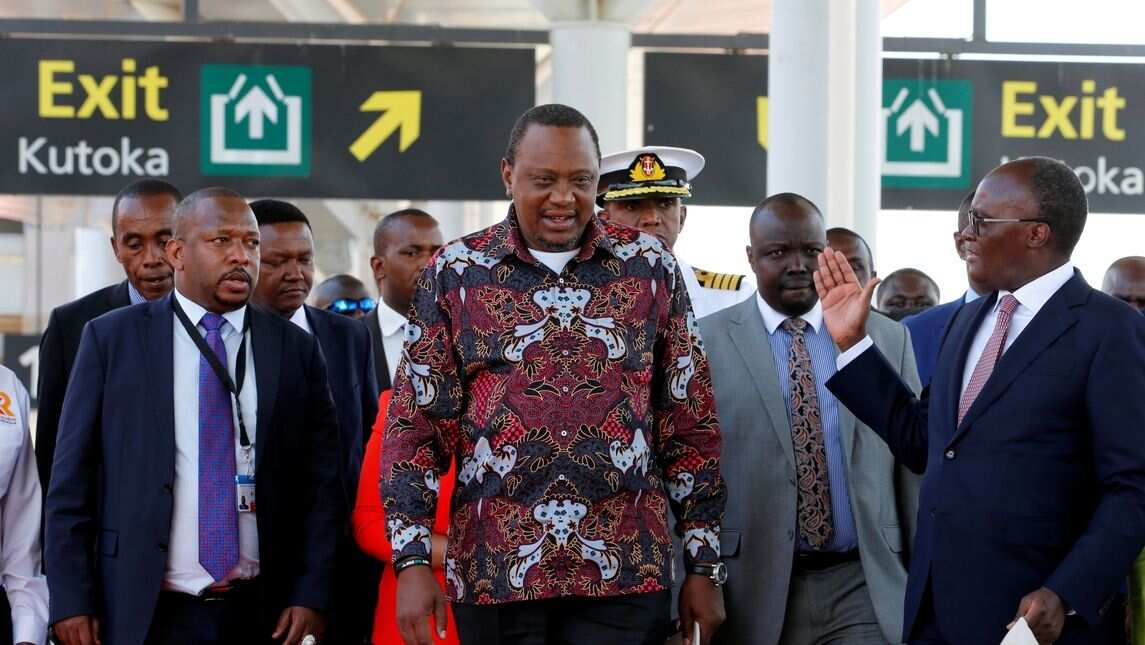
Kenyatta rejects criticism
Kenyatta rejected criticism of his plans, likening suggestions that the new railway was to "nowhere" to criticism of the original Uganda-Kenya railway by politicians during the British colonial era, who called it the "lunatic express". Wu Peng, the Chinese ambassador to Kenya, said the railway from Mombasa had already had a positive impact on the economy, citing tourism, investments and communications.
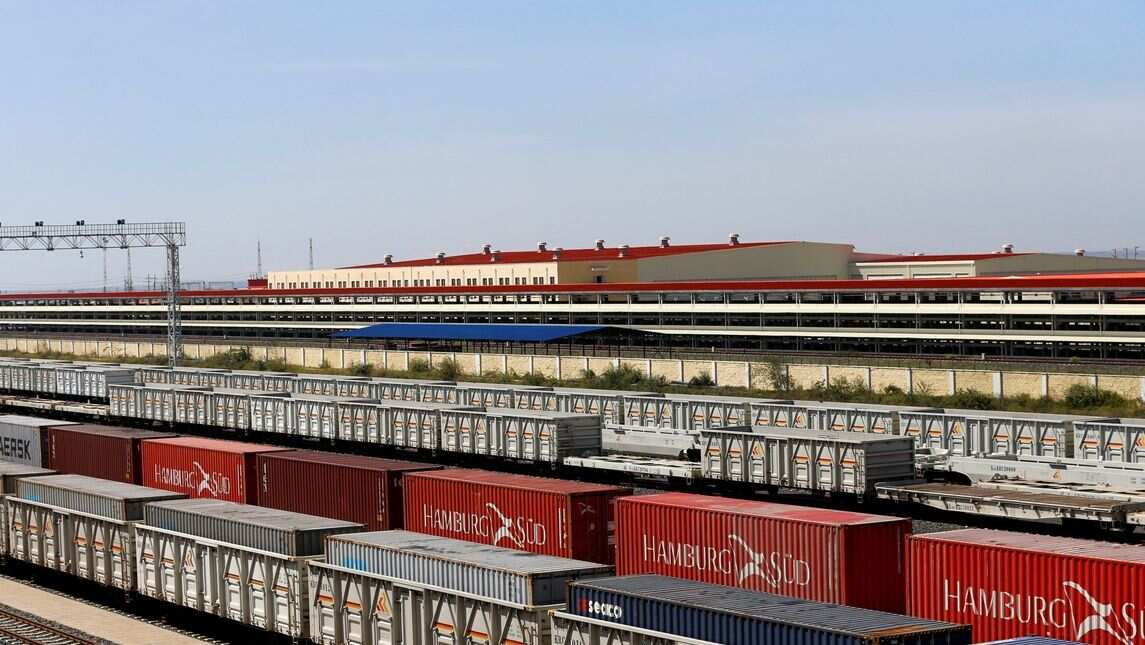
Some believe it's too expensive
Many importers say the new Mombasa to Nairobi railway is too expensive to move freight and have been angered by government attempts to force them to use it. It costs about $800 to truck a container from Mombasa to Nairobi, but $1,100 by rail, mainly due to extra costs for moving goods from the rail terminus to an inland depot.
)
)
)
)
)