Kazakhstan bans niqab – Find out which other Muslim majority nations have said no to Islamic veils

The law states that the clothing that “interferes with facial recognition” will be banned in public, with exemptions for medical reasons, in adverse weather conditions, and at sporting and cultural events.
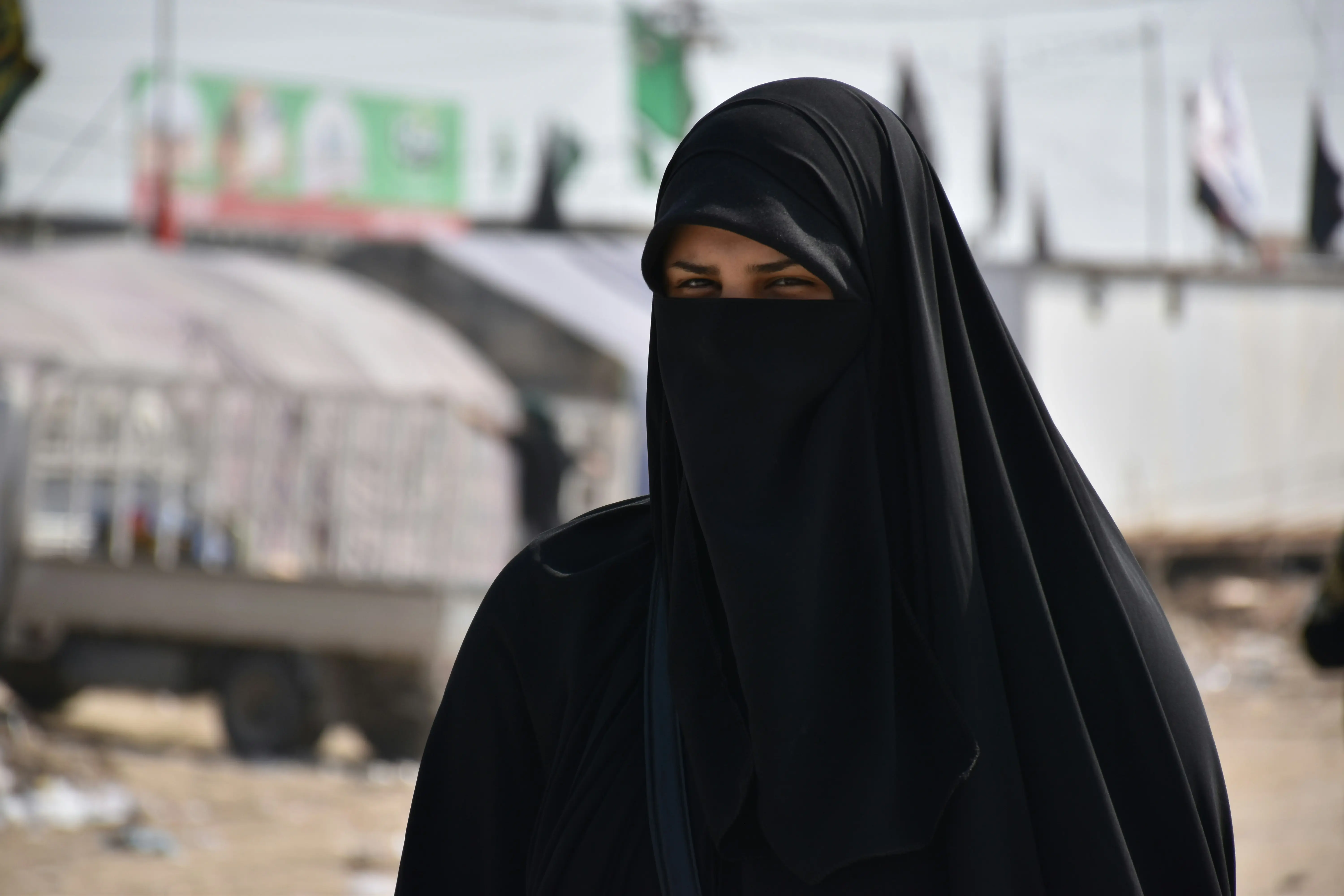
Kazakhstan bans niqab
Kazakhstan has joined the rising Central Asian trend of banning face-coverings in public places. On Monday (Jun 30), Kazakh President Kassym-Jomart Tokayev signed a law prohibiting individuals from wearing clothing in public places that covers their faces. The law states that the clothing that “interferes with facial recognition” will be banned in public, with exemptions for medical reasons, in adverse weather conditions, and at sporting and cultural events.
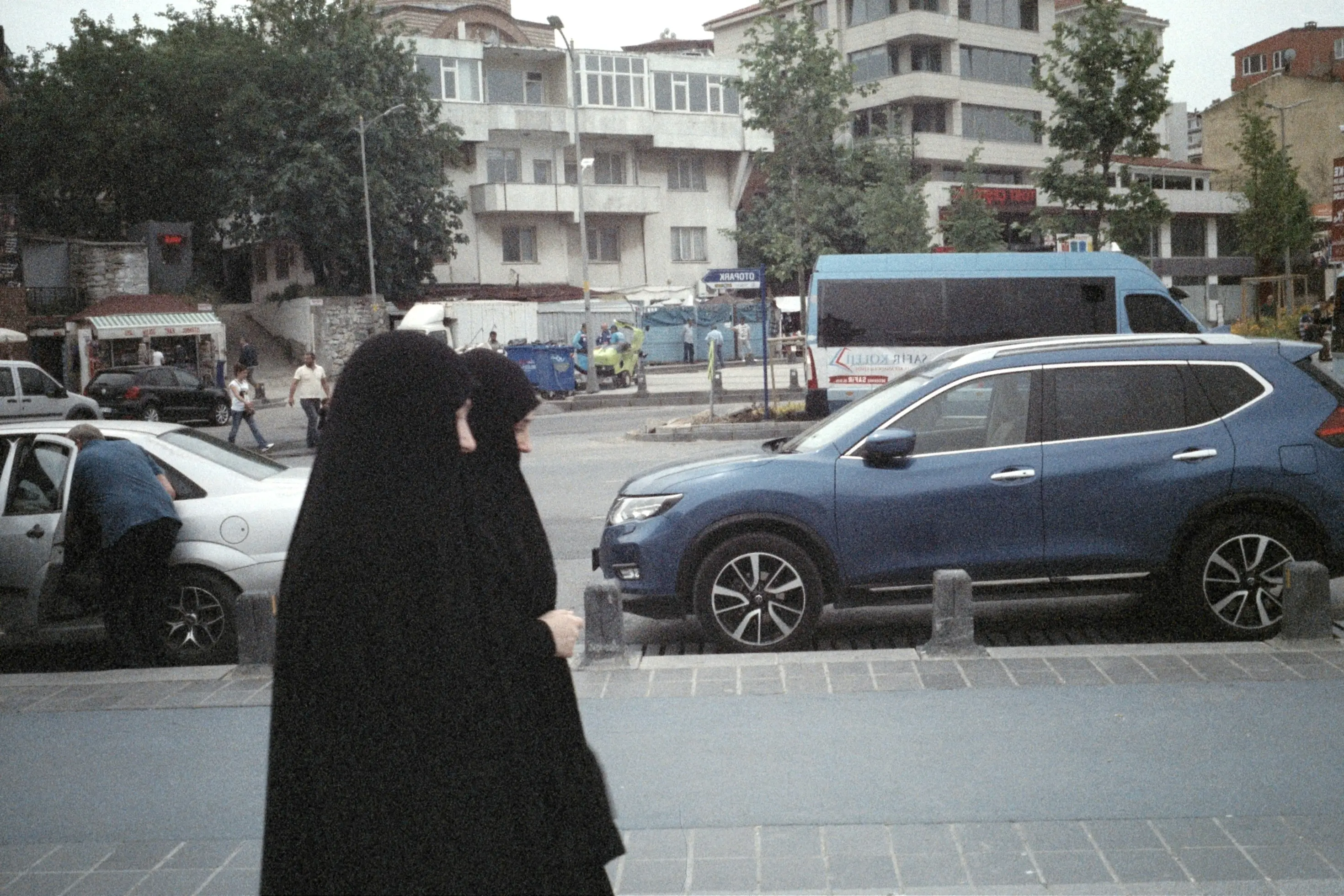
Wear clothes in national style
“Rather than wearing face-concealing black robes, it’s much better to wear clothes in the national style,” Tokayev said as quoted by Kazakh media earlier this year. “Our national clothes vividly emphasise our ethnic identity, so we need to popularise them comprehensively.”
Here are other muslim majority nations that have banned face-coverings:
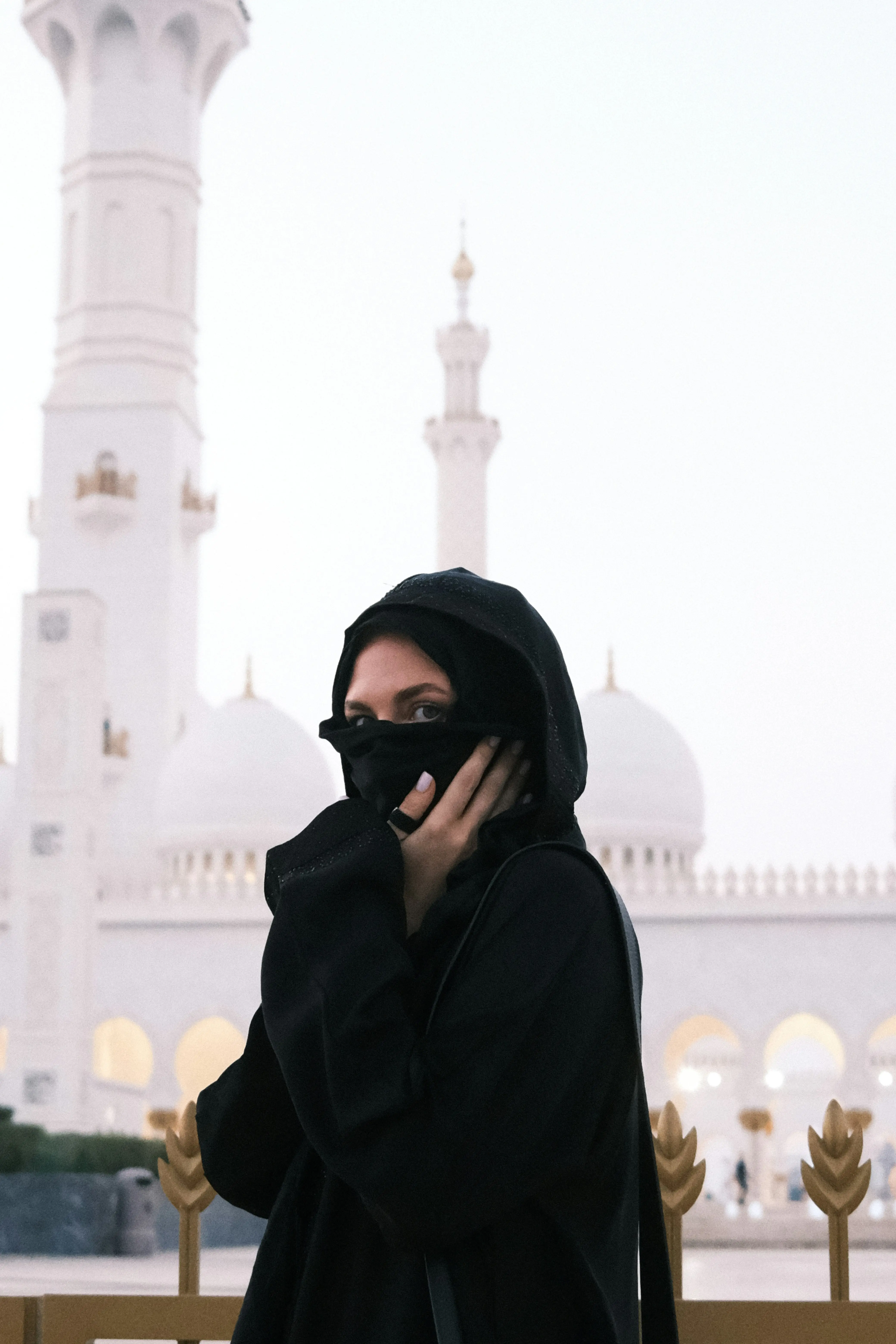
Tajikistan
In 2024, Tajikistan’s government passed a law to formally ban the hijab. The government described the move as “protecting national cultural values” and “preventing superstition and extremism.” The law bans wearing of “foreign clothing”, including the hijab, or head covering worn by Muslim women. Violating the law can result in heavy fines. The government encourages citizens to wear the Tajik national dress.
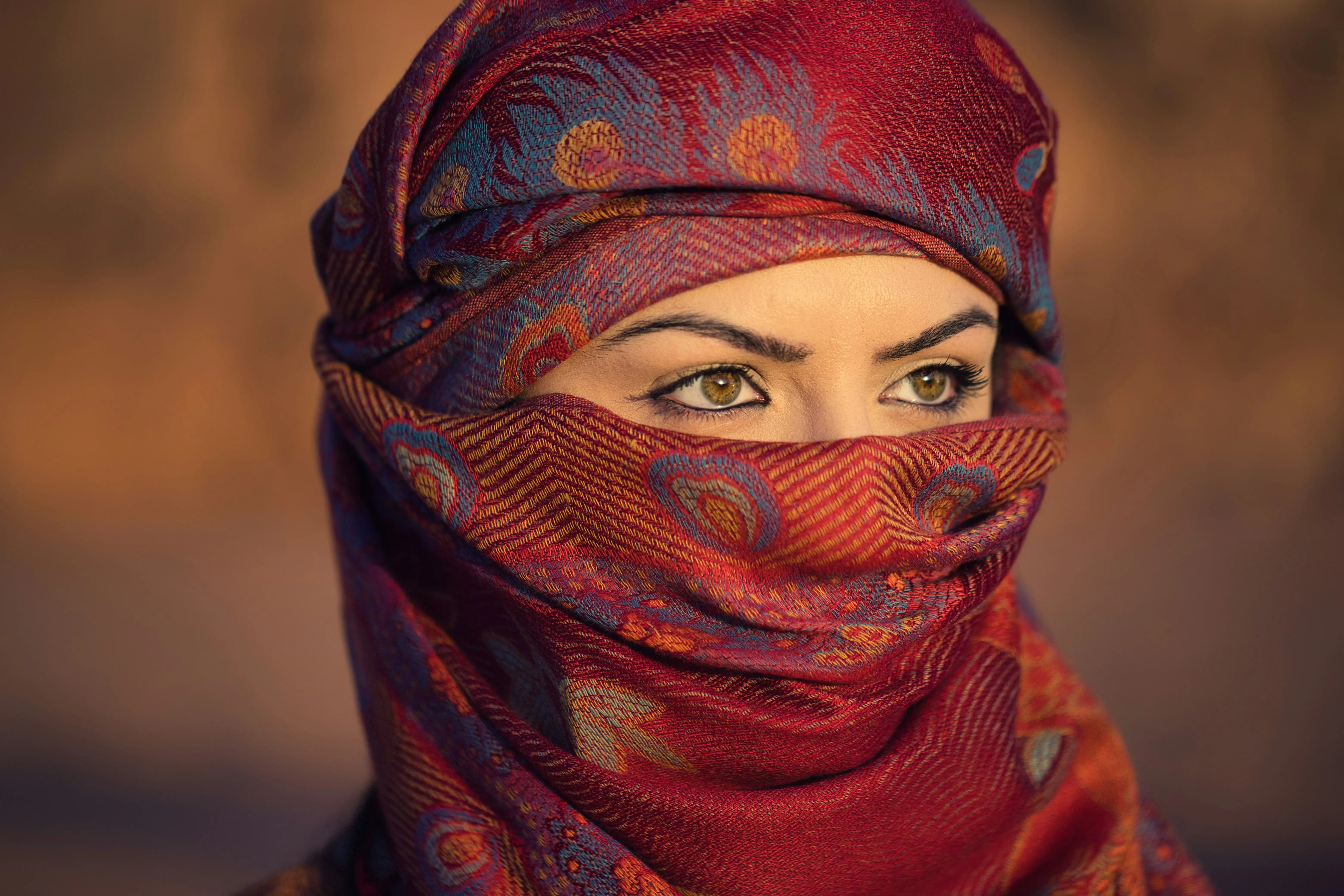
Kyrgyzstan
Earlier this year, Kyrgyzstan passed a law prohibiting face veils from public spaces. The Muslim-majority country banned the Islamic niqab, a long garment that covers the body, hair, and face, except the eyes. Violating the law would result in a fine of $230. The Kyrgyz lawmakers said that the ban is needed for security reasons, so people can be identified.
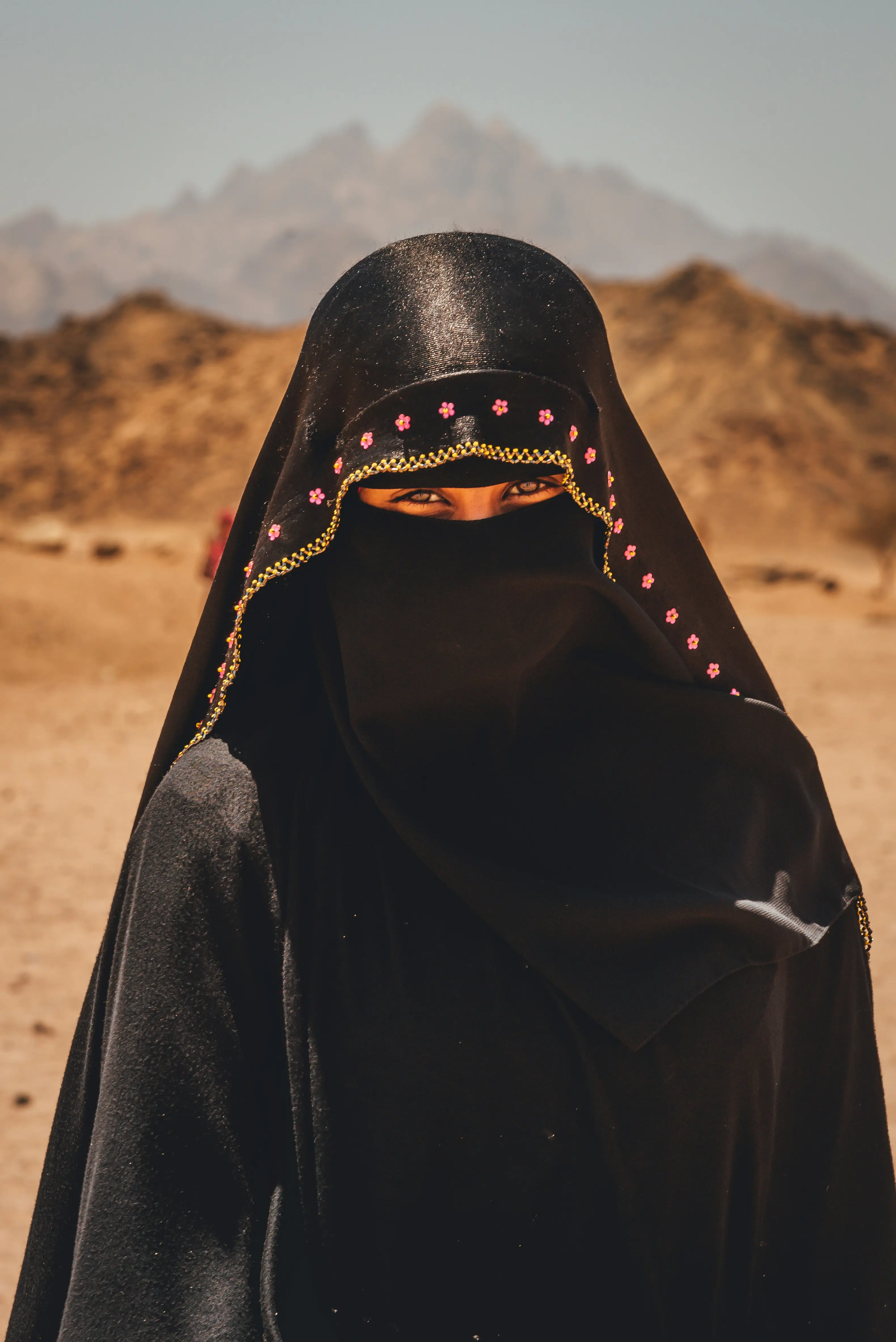
Uzbekistan
In Uzbekistan, wearing burqas and veils in public places is banned. The government has imposed a fine of over $250 for any violation. Earlier in 2021, the government lifted a ban on wearing hijabs in public places, but it remains restricted in specific settings in schools and government buildings. The ban on face-covering garments is due to security reasons. Additionally, such garments oppose their secular constitution and are a challenge to national integration, according to the government.
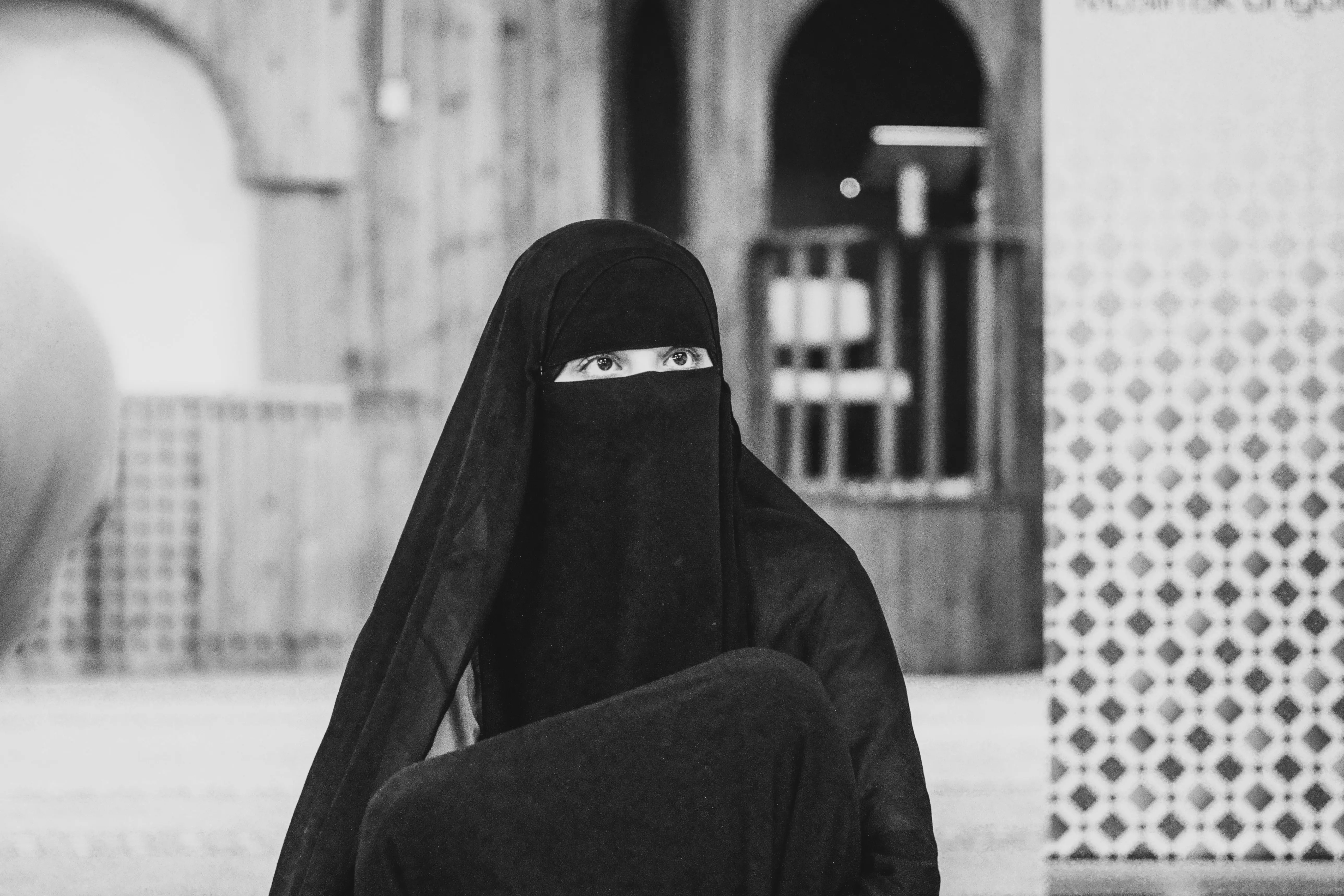
Tunisia
Wearing the niqab, the full face veil, is banned in Tunisia in public institutions for security reasons. The ban was imposed in 2019, after three suicide bombing incidents in the country within a week. Witnesses said the 2019 suicide bomber was disguised in a niqab, but the Interior Ministry denied the claim. The country also saw a decade-long ban on Islamic clothing in the past under secular presidents Zine El Abidine Ben Ali and Habib Bourguiba, but the ban was lifted in 2011.
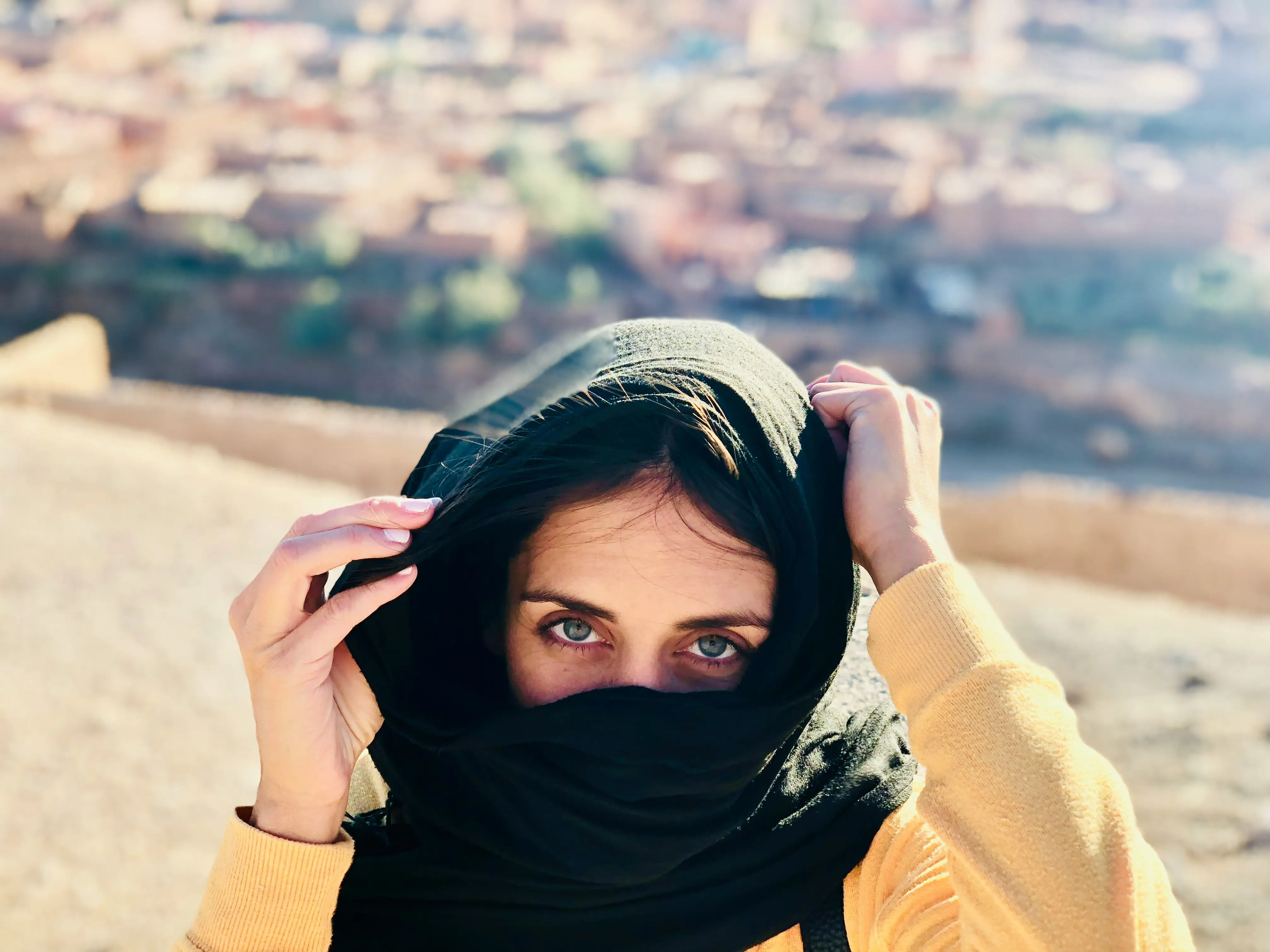
Algeria
The government of Algeria banned women from wearing full-face veils, or niqabs, at work. The ban, which was imposed in 2018, was implemented for identification purposes. The African nation allows wearing hijab, which covers the head and neck, but restricts wearing niqab, which covers the face.

Egypt
In 2023, Egypt announced a ban on wearing of face-covering niqab in schools. While the country allows wearing a hijab, as long as it does not cover the face, wearing a niqab is not allowed in schools.
)
)
)
)
)