Kargil Vijay Diwas: 7 untold facts that redefined India’s most daring war

As the nation reflects on this defining chapter, here are seven compelling facts that reveal why the Kargil War endures as a symbol of courage, resilience, and unwavering commitment to safeguarding the motherland.
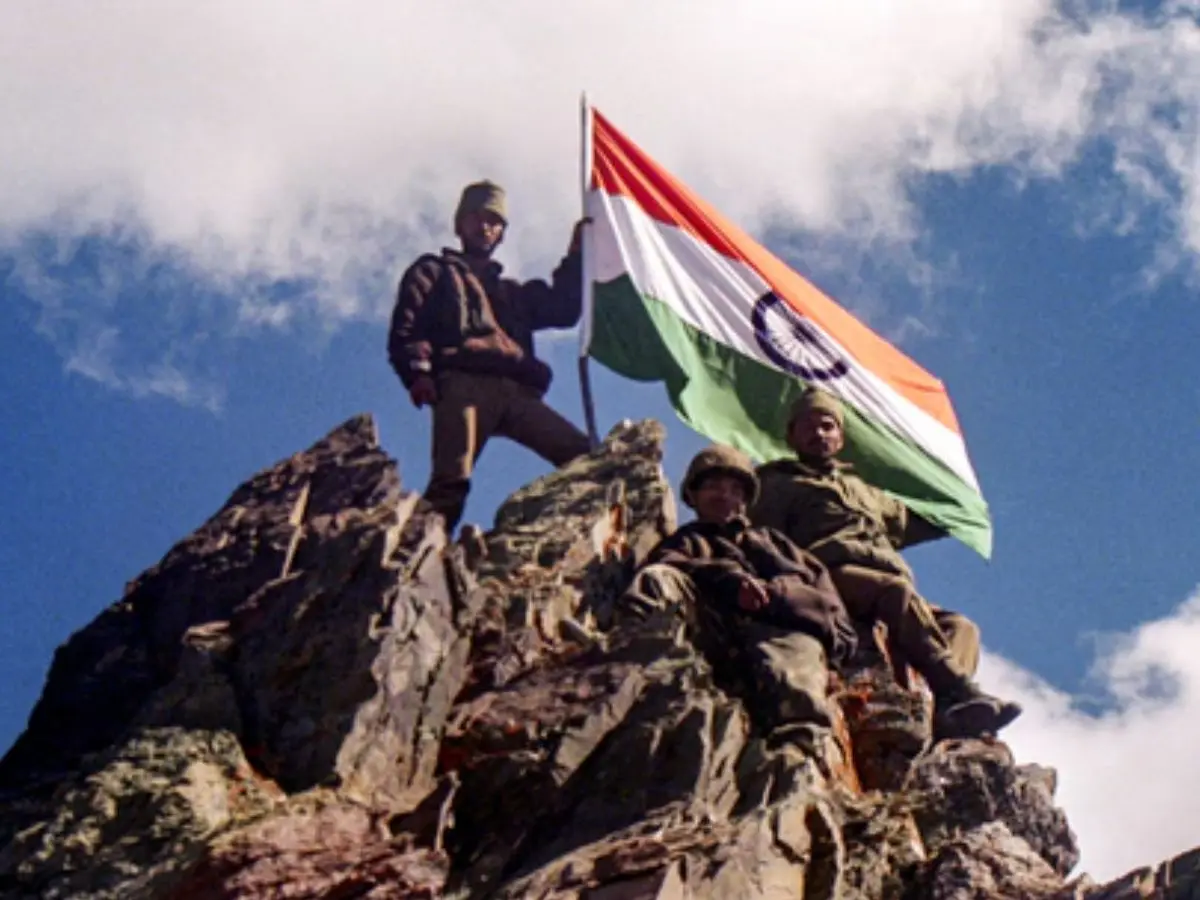
Reflecting on 26 years of valour
n 26 July 2025, India solemnly marks Kargil Vijay Diwas, honouring the valour and sacrifice that turned the tide of the 1999 Kargil War. Fought on some of the world’s highest battlefields, this conflict saw Indian forces recapture strategic peaks against formidable odds. Beyond the battlefield heroics, it reshaped military strategy, media reporting, and public consciousness alike. As the nation reflects on this defining chapter, here are seven compelling facts that reveal why the Kargil War endures as a symbol of courage, resilience, and unwavering commitment to safeguarding the motherland.
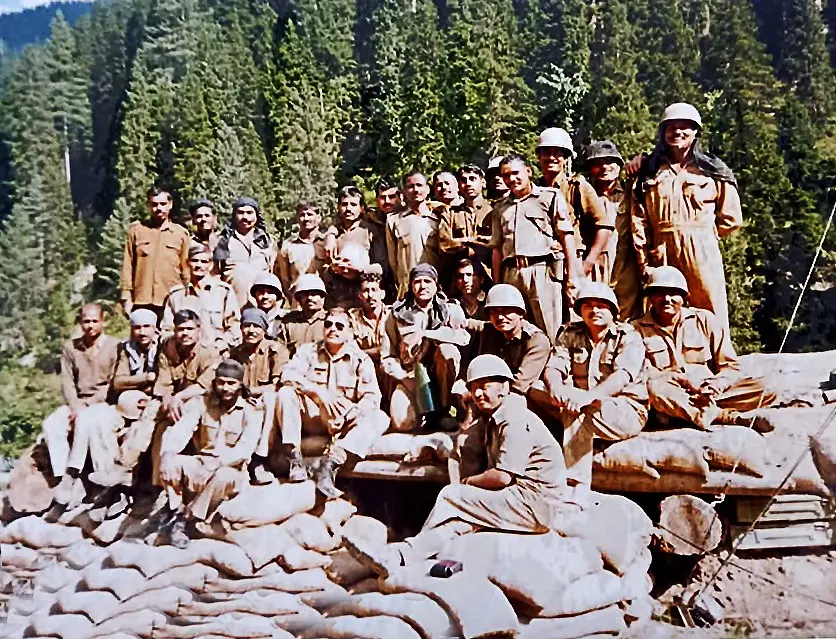
1. The origins of conflict
The Kargil conflict erupted in May 1999 when Pakistani soldiers and Islamabad-backed militants crossed the Line of Control (LoC) into the Indian side of the Kargil district, Ladakh. Their aim: to occupy strategic mountain posts overlooking the Srinagar–Leh highway (NH1), threatening to isolate Ladakh from the rest of India. Over nearly three months, fierce combat at altitudes exceeding 18,000 feet resulted in India recapturing key positions by July 26. Official records state that around 500 Indian soldiers and over 1,000 Pakistani troops lost their lives.
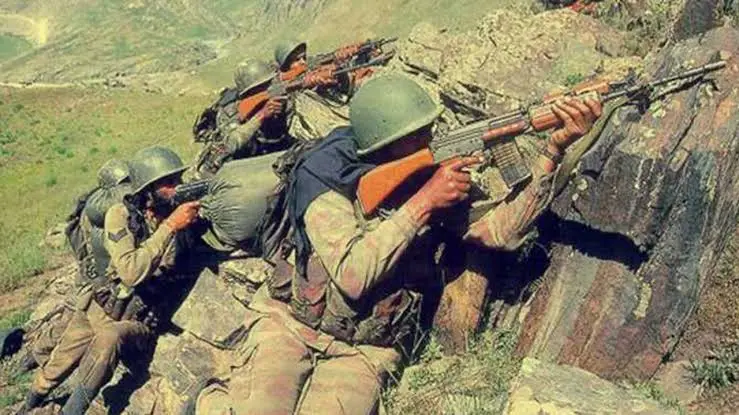
2. Operation Vijay and air power
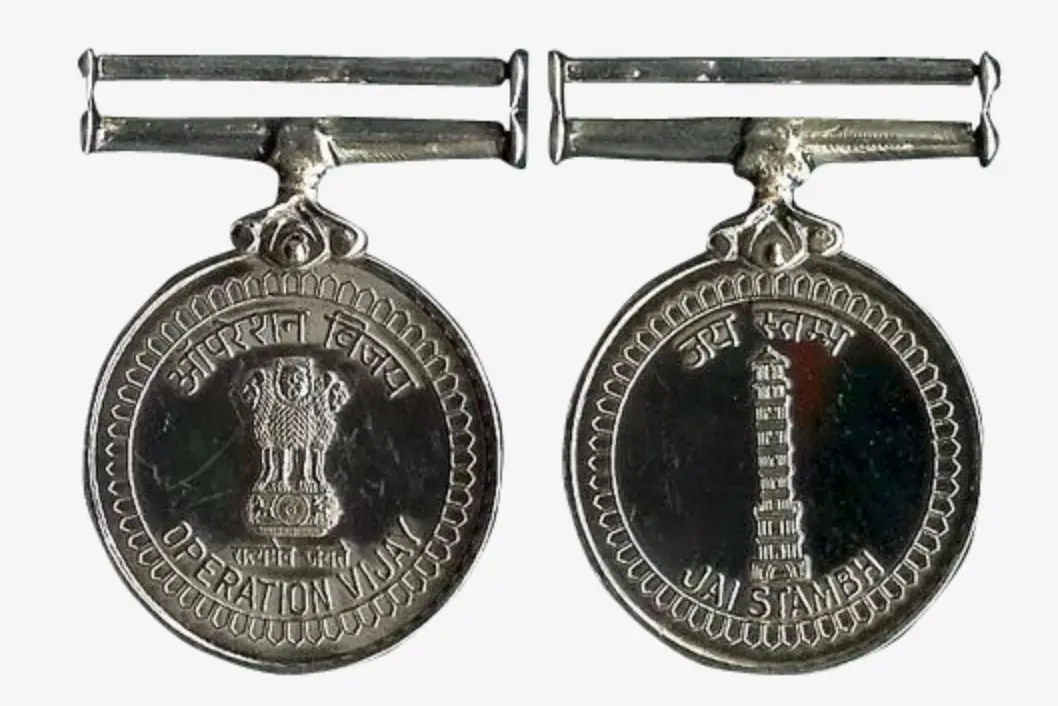
In response, the Indian military launched Operation Vijay, a comprehensive campaign involving the Army, Air Force, and intelligence agencies to reclaim occupied peaks. The Indian Air Force’s parallel mission, Operation Safed Sagar, deployed precision strikes against enemy positions despite the challenges of thin air and rugged terrain. These combined operations successfully restored India’s control over the infiltrated territory.
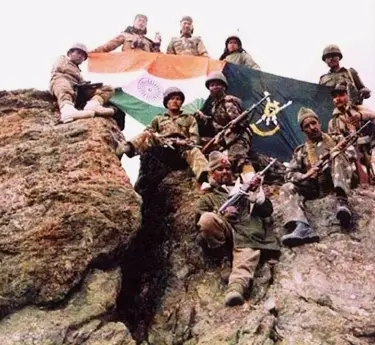
3. Battles across unforgiving terrain
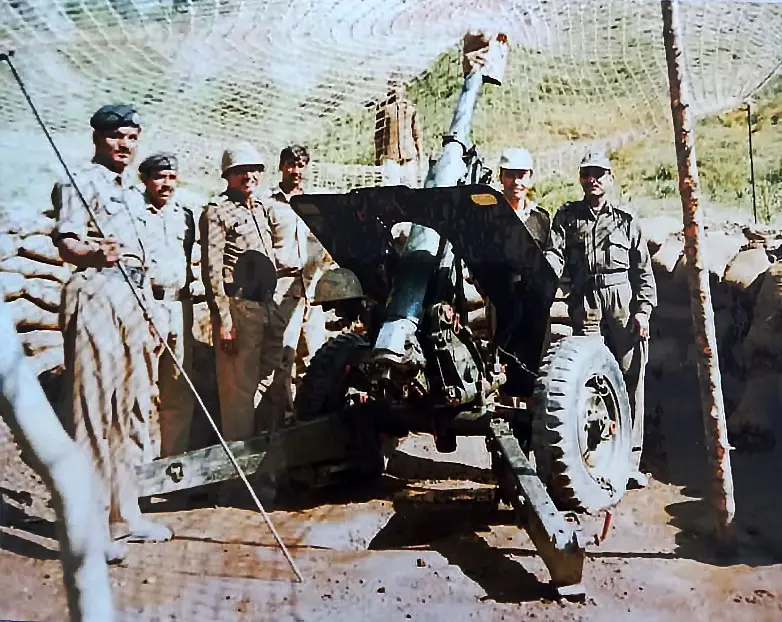
The conflict was fought under severe conditions: bone-chilling cold, steep cliffs, and scarce cover. Indian soldiers advanced uphill under enemy fire, recapturing iconic heights such as Tiger Hill, Tololing, and Point 4875. The controversial Bofors FH-77B howitzers proved instrumental, firing thousands of shells to dislodge entrenched intruders.
4. Heroes of exceptional courage
The Kargil War showcased acts of extraordinary gallantry. Captain Vikram Batra, Lieutenant Manoj Kumar Pandey, Rifleman Sanjay Kumar, and Grenadier Yogendra Singh Yadav were awarded the Param Vir Chakra for supreme bravery. As Captain Batra famously declared, 'Yeh dil maange more', capturing the spirit of India’s soldiers. Additionally, eleven Maha Vir Chakras recognised other acts of exceptional valour.
5. Strategic stakes in the Kargil sector
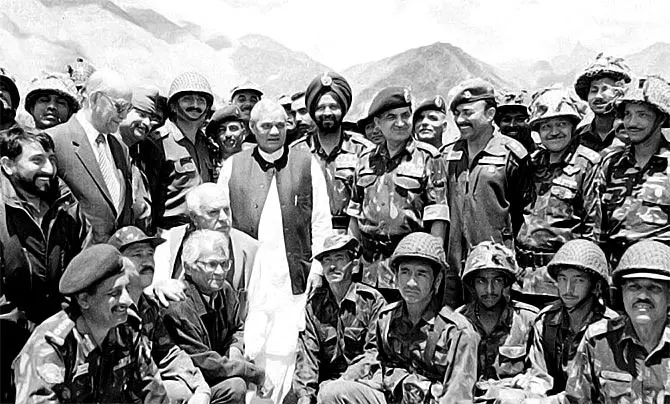
The infiltrators’ objective was to disrupt the Srinagar–Leh highway, cutting Ladakh off from Kashmir. Recapturing these heights was vital to securing the supply route and upholding India’s territorial integrity. The campaign reaffirmed India’s resolve to defend its mountainous borders despite formidable odds.
6. The first war on live television
For the first time in Indian history, the conflict unfolded live on television. Images from the frontline brought the realities of combat into homes nationwide, deepening public understanding of military strategy and sacrifice, and shaping how modern India perceives war.
7. Memorial and enduring legacy
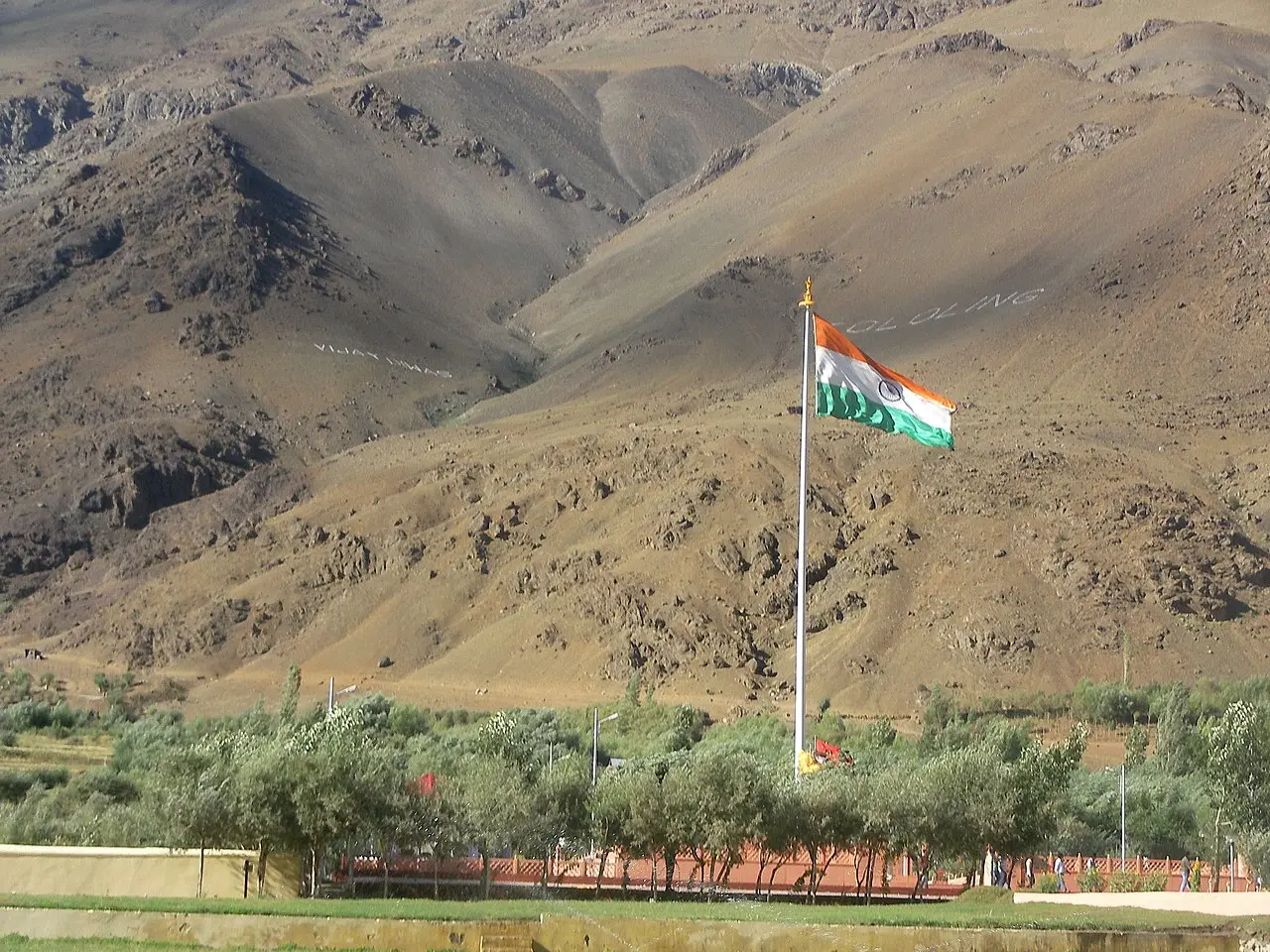
Today, the Kargil War Memorial at Dras stands as a poignant tribute, engraved with the names of fallen heroes. On Kargil Vijay Diwas, it becomes a site of national remembrance. Reflecting 26 years on, the legacy of the Kargil War remains a testament to courage, sacrifice, and the hope that future generations will pursue peace with the same determination with which these heights were reclaimed.
)
)
)
)
)