'Dark Web of USS Abraham Lincoln': Inside 'AbeWeb,' the private internet built specifically for the middle of the Ocean

Explore the classified, air-gapped intranet of the USS Abraham Lincoln. Discover how ‘Digital Abe’ keeps a floating city of 5,000 connected, trained, and lethal without ever touching the public web.
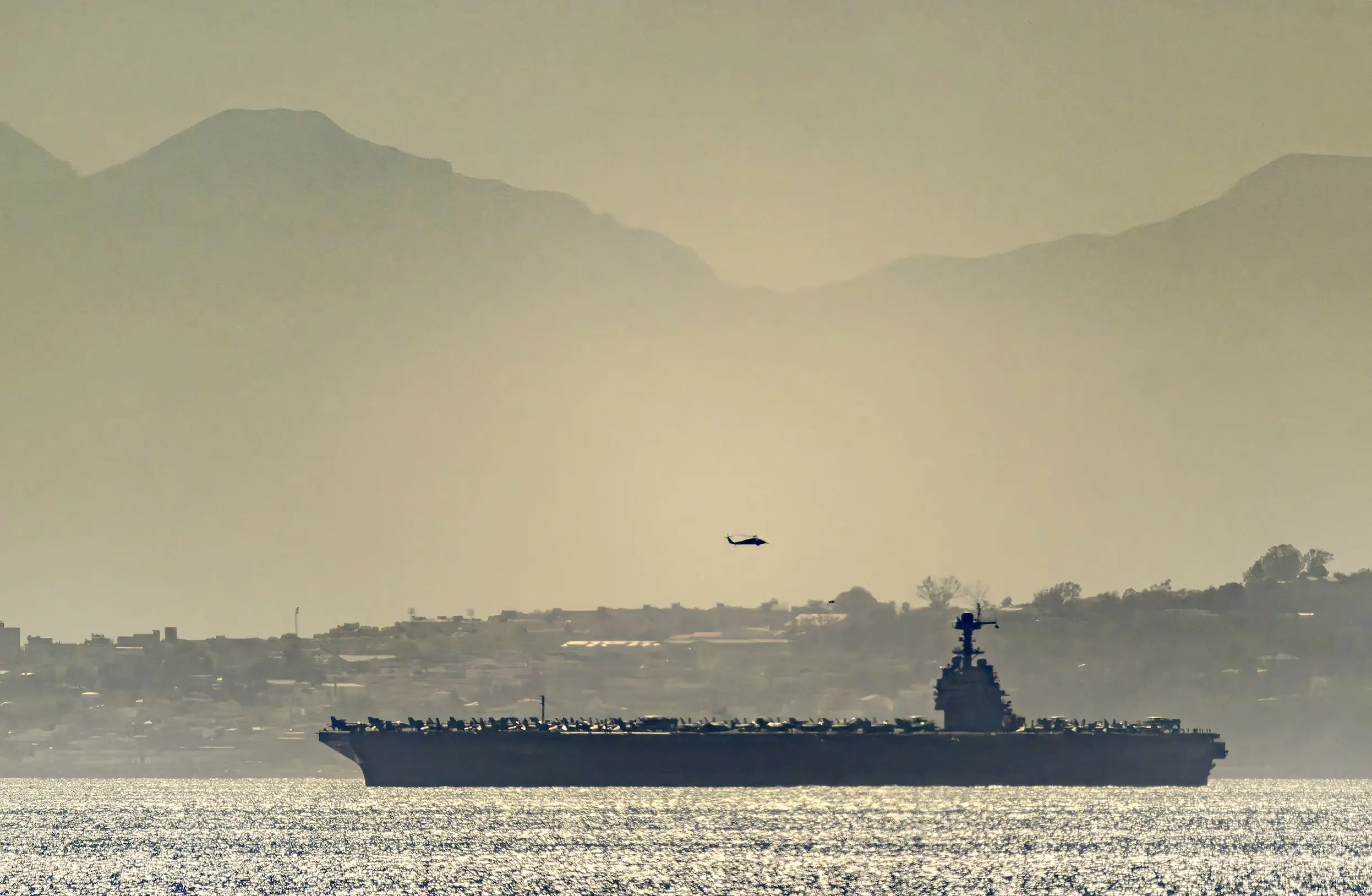
The 'Digital Abe' Infrastructure
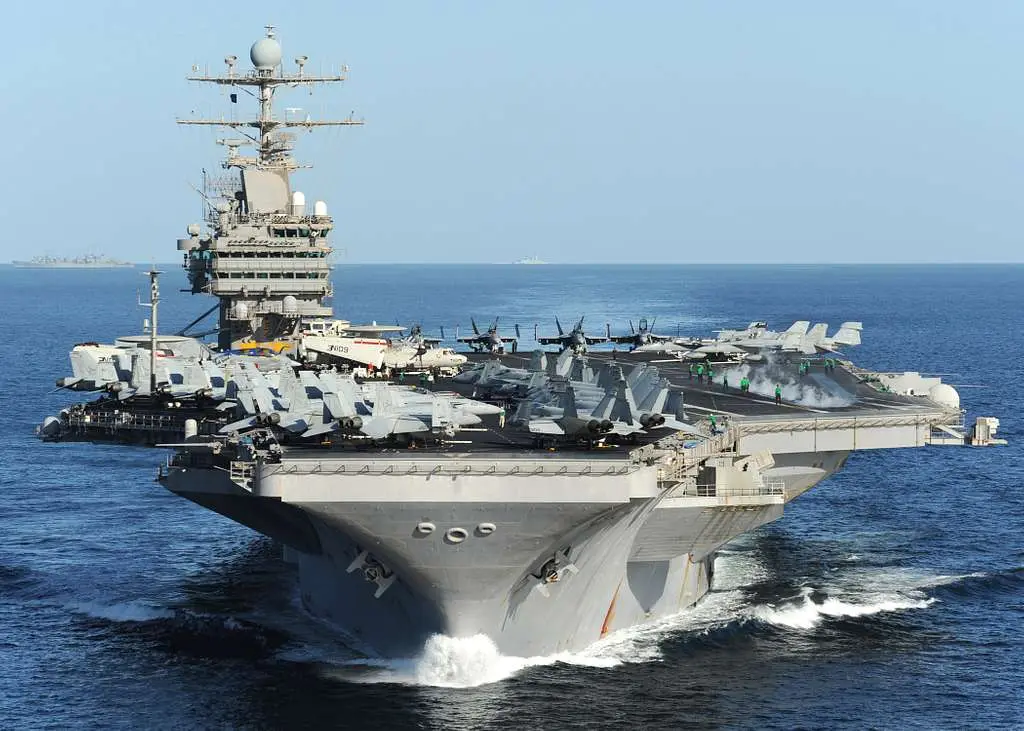
You can't just run an Ethernet cable to the middle of the Pacific. The USS Abraham Lincoln operates on a massive, highly customized network known as CANES (Consolidated Afloat Networks and Enterprise Services). Through a pilot program internally dubbed ‘Digital Lincoln,’ the ship effectively functions as its own localized, floating data center, processing massive amounts of data entirely independent of the global internet.
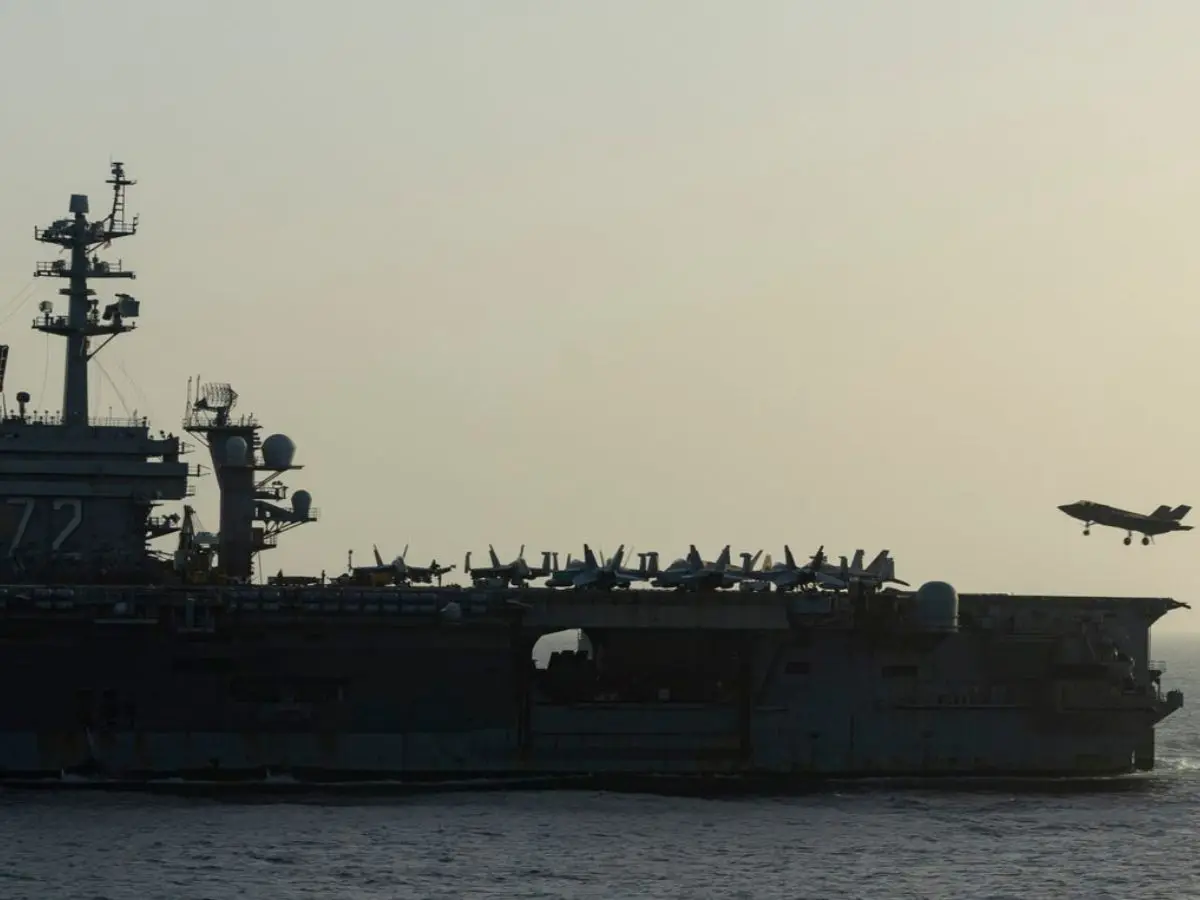
An Air-Gapped Floating Cloud
To protect a 100,000-ton nuclear warship from cyber warfare, its internal network must be physically isolated, or ‘air-gapped,’ from the public internet. While satellite uplinks exist for encrypted military communication, the day-to-day digital life of the ship operates in a closed loop. Hackers can't easily breach a server that is physically floating thousands of miles away from a fiber-optic node.
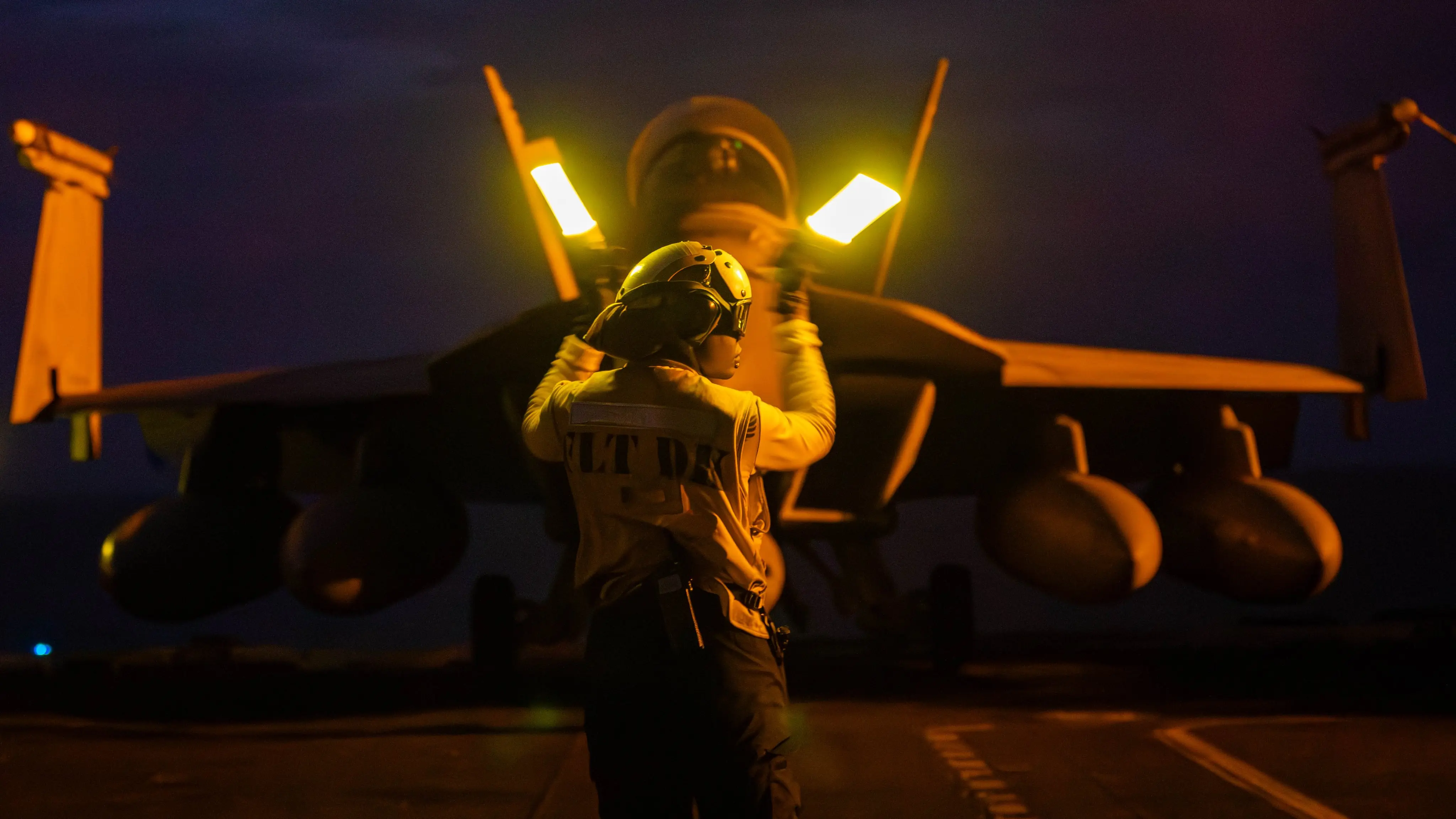
The University of the Pacific
Without access to regular web browsers, the crew relies on Navy e-Learning and the ship's internal digital library. This massive database hosts thousands of gigabytes of training manuals, college courses, and technical schematics. It allows sailors to earn degrees, study for promotions, and troubleshoot complex nuclear and aviation engineering problems without ever pinging a terrestrial server.
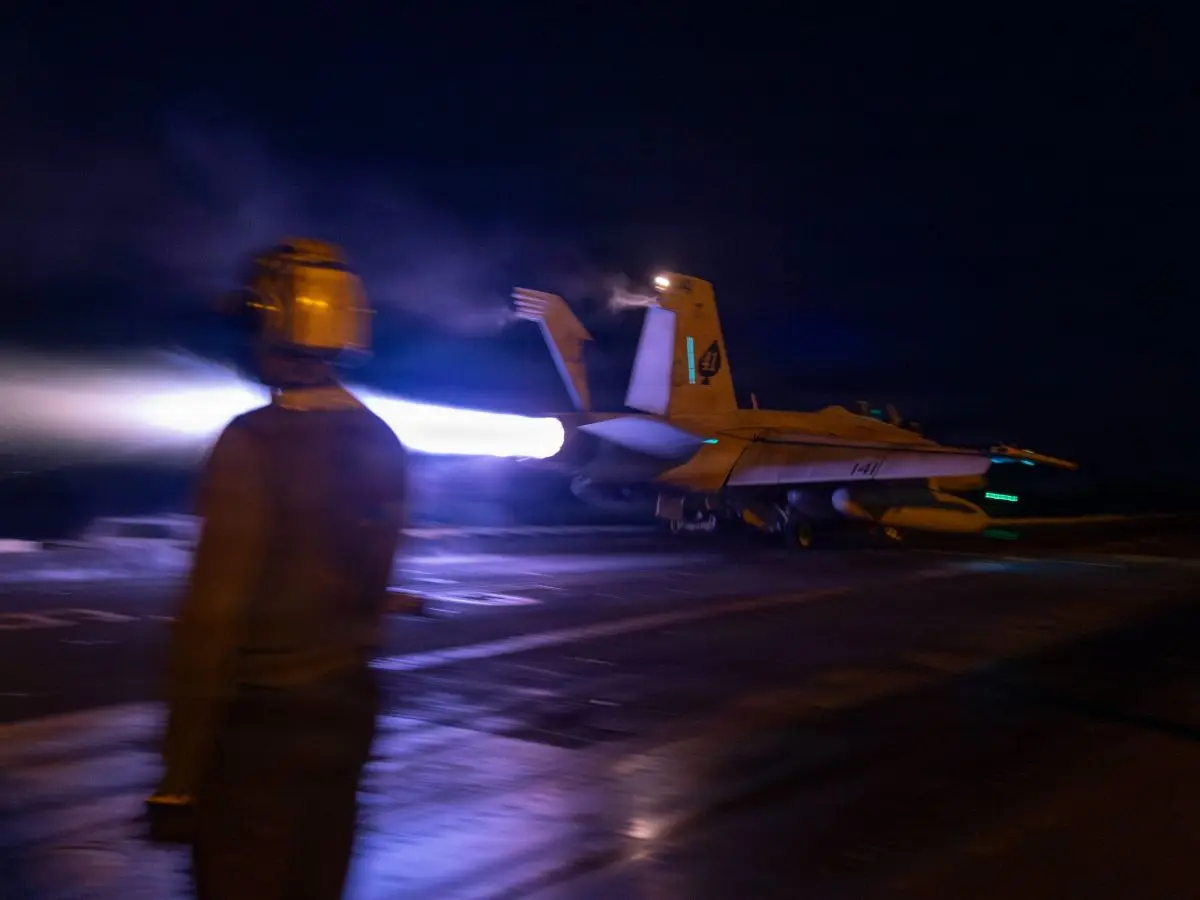
The 5,000-Person Intranet
At the center of daily life is the ship's localized portal. This internal hub is where the 5,000 personnel manage their existence. From checking their military pay and scheduling medical appointments to seeing the daily galley menu and reading the ship's internal newspaper, the portal acts as the digital town square for a city that never stops moving.
The 'River City' Blackout
When the ship engages in sensitive operations, it enters a state of digital lockdown known as ‘River City.’ During these periods, all non-essential outbound communications—including emails home to families—are completely severed. This strict emission control prevents operational security leaks and ensures that all available satellite bandwidth is dedicated entirely to combat systems and intelligence gathering.
Bandwidth Rationing and the 'Sneakernet'
You can't stream Netflix on a supercarrier. Because satellite bandwidth is heavily restricted and prioritized for warfare, downloading consumer media is impossible. Instead, sailors rely on the ‘sneakernet’—the physical exchange of massive hard drives loaded with movies, music, and podcasts, traded by hand in the ship's berthing compartments to keep morale high during long deployments.
The Combat Nervous System
This internal web isn't just for administrative tasks; it is the tactical nervous system of the strike group. The network hosts the Global Command and Control System-Maritime (GCCS-M), a high-fidelity interface that fuses radar, sonar, and aerospace data in real-time. It allows the commander to track friendly jets, hostile submarines, and incoming missiles on a single, unified digital board.
)
)
)
)
)