• Wion
  • /Photos
  • /Jupiter’s hidden secrets: 5 shocking facts about the gas giant bigger than all planets combined

Jupiter’s hidden secrets: 5 shocking facts about the gas giant bigger than all planets combined

Its immense gravitational pull shapes the solar system, shielding inner planets from deadly asteroids while also redirecting objects into dangerous new paths. This dual role makes Jupiter both protector and potential threat.
A Colossal World Beyond Compare
1 / 7
(Photograph: NASA)

A Colossal World Beyond Compare

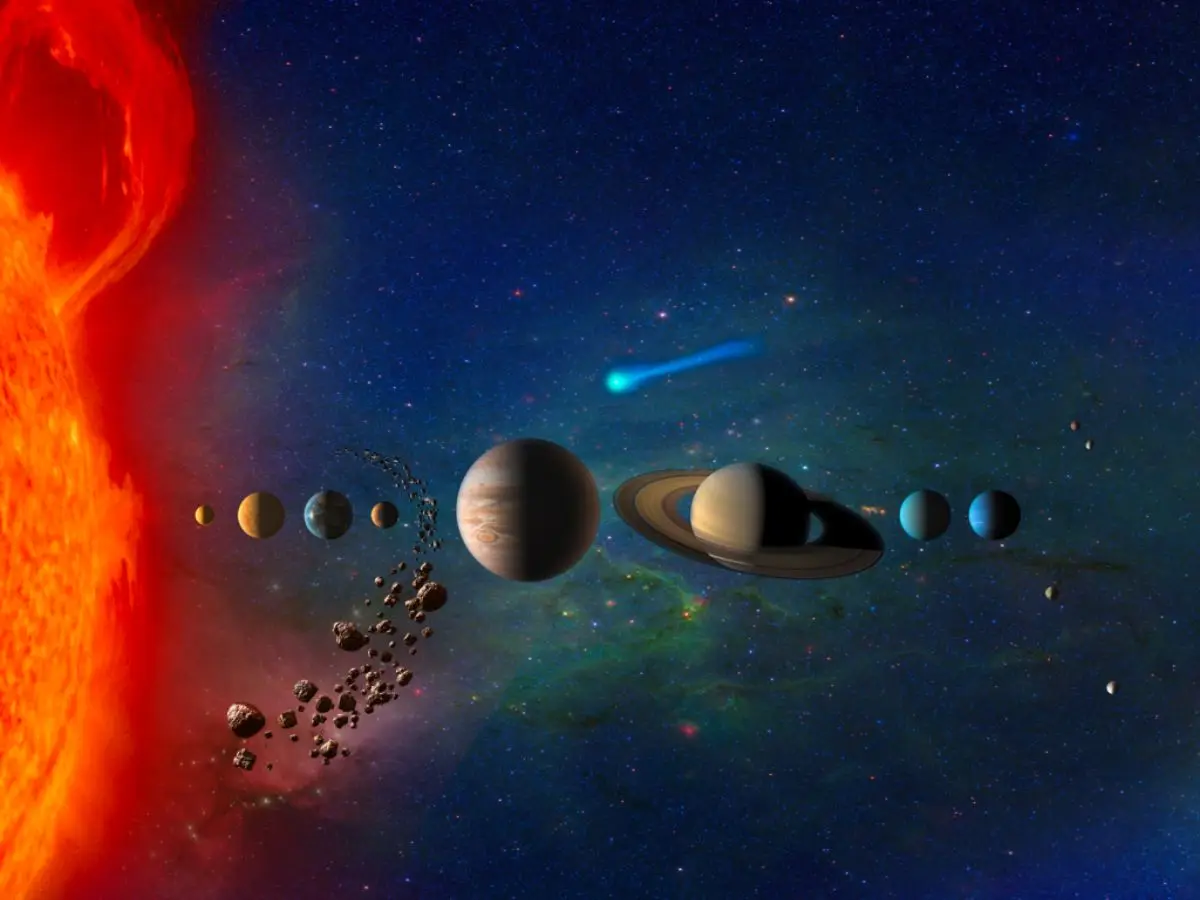
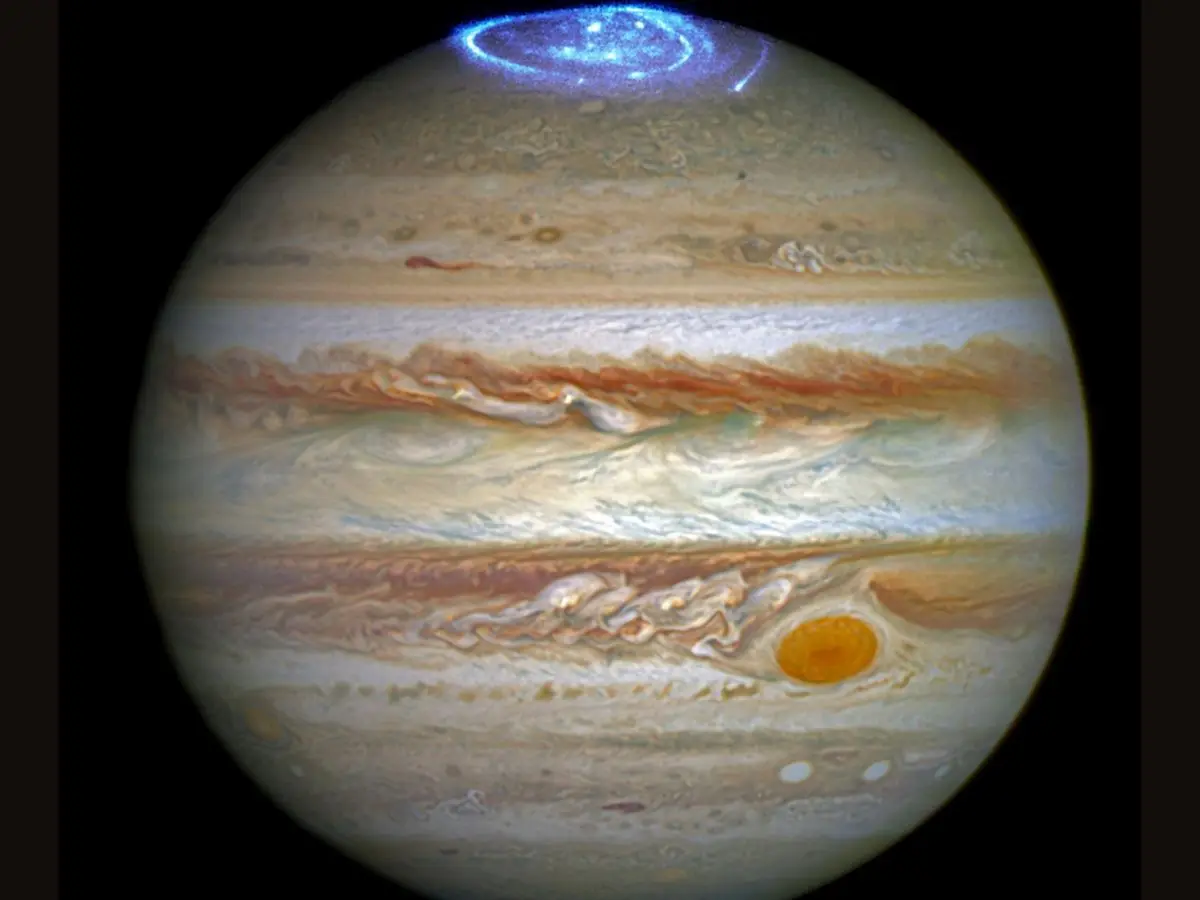
Jupiter, the largest planet in our solar system, is more than 11 times wider than Earth and holds over 1,300 Earths within its immense volume. Despite its size, Jupiter is mostly hydrogen and helium, resembling a star that never ignited. Its immense gravitational pull shapes the solar system, shielding inner planets from deadly asteroids while also redirecting objects into dangerous new paths. This dual role makes Jupiter both protector and potential threat.
The Great Red Spot and Superstorms
2 / 7
(Photograph: NASA)

The Great Red Spot and Superstorms

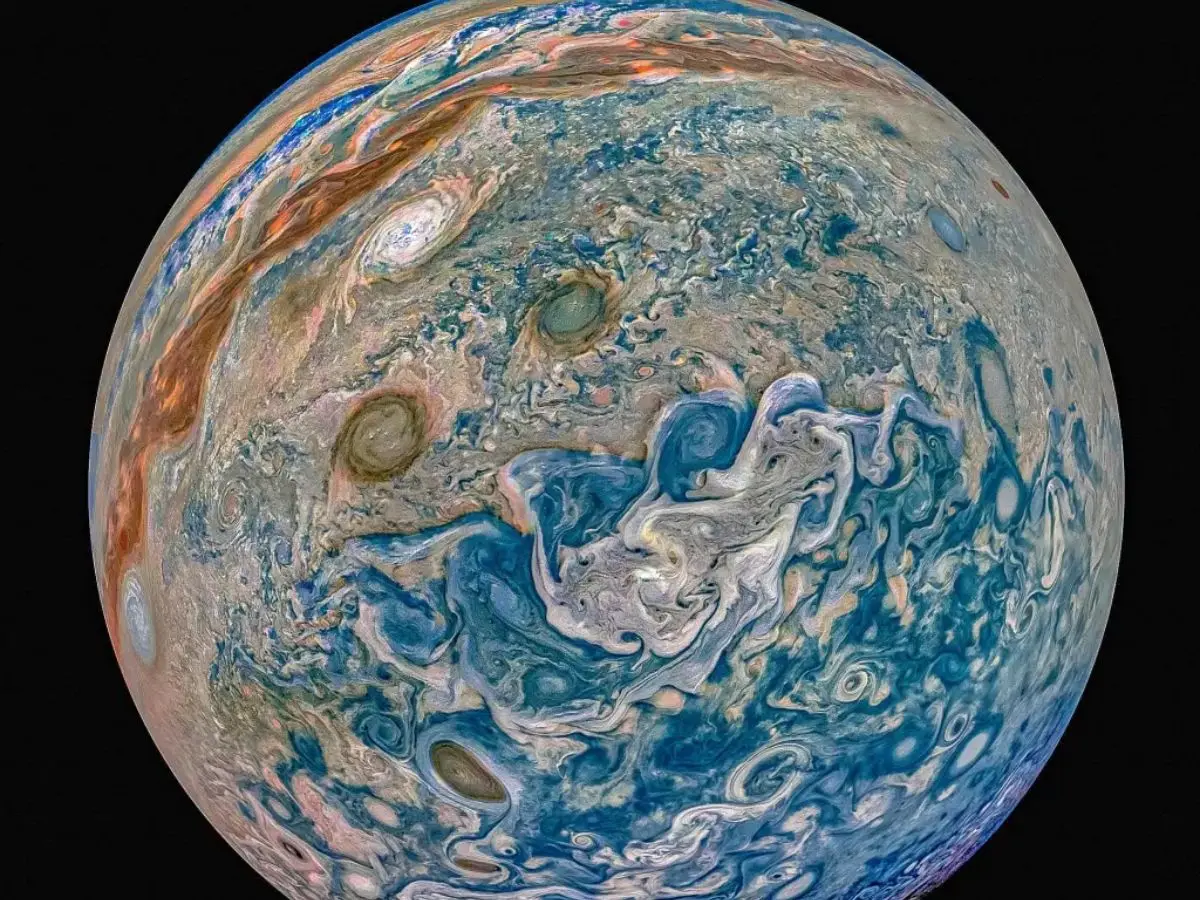
Perhaps Jupiter’s most famous feature is the Great Red Spot, a storm larger than Earth that has raged for at least 350 years. Winds within the storm reach speeds of 430–680 km/h (270–425 mph), dwarfing any hurricane on Earth. More recently, astronomers have discovered other giant storms on Jupiter, some of which interact, merge or even consume each other, offering a glimpse into chaotic weather systems beyond our own atmosphere.

Rings You Might Not Notice
3 / 7
(Photograph: NASA)

Rings You Might Not Notice

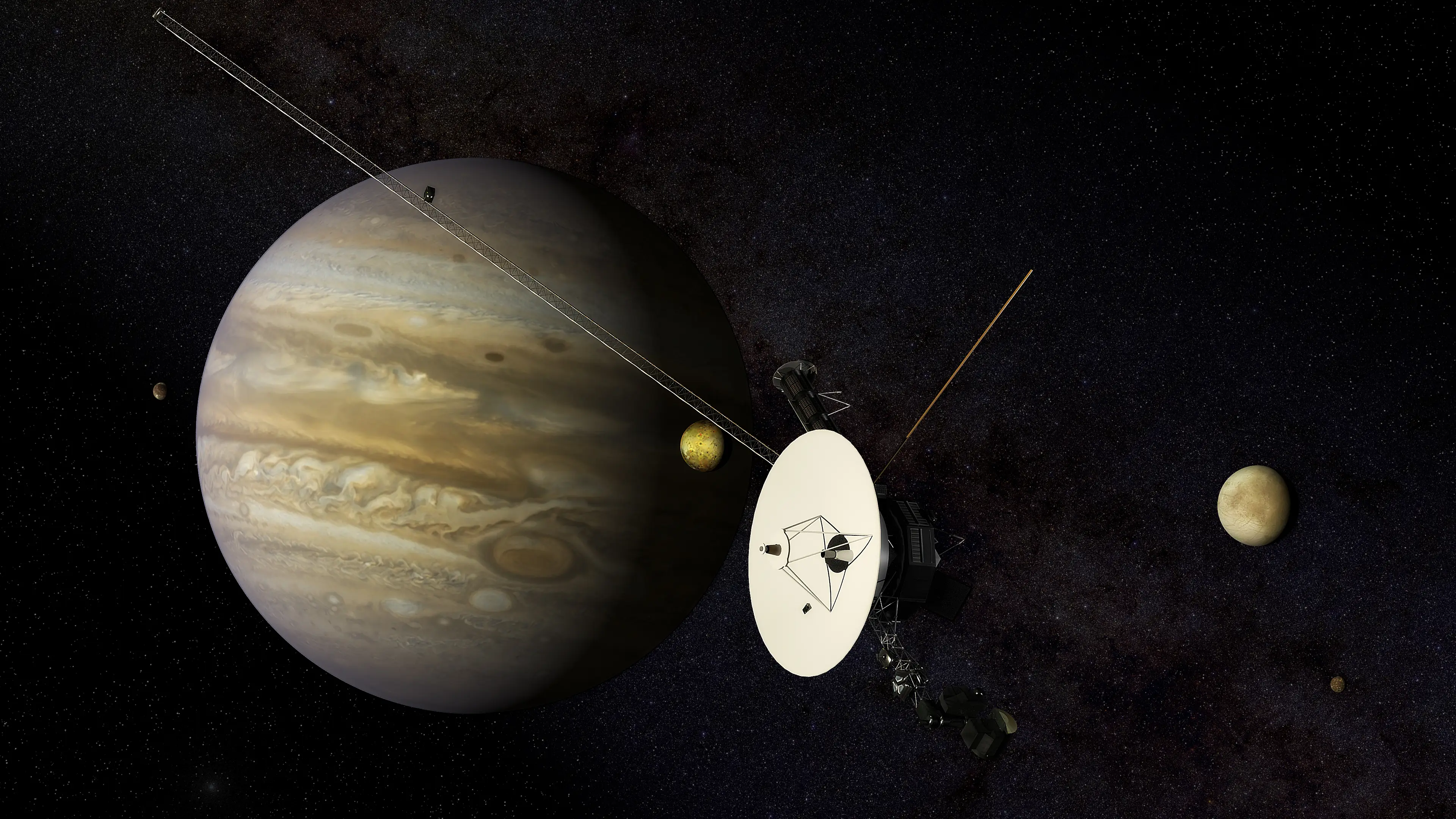
Saturn is famous for its spectacular rings, but Jupiter has its own faint ring system. First discovered in 1979 by NASA’s Voyager 1, Jupiter’s rings are primarily made of dust particles ejected from its small inner moons when struck by meteoroids. Unlike Saturn’s icy rings, these are thin, dark and easily overlooked, but they remind us that Jupiter is not just a planet of storms but also a world with hidden structures.

A Planet of Moons
4 / 7
(Photograph: NASA)

A Planet of Moons

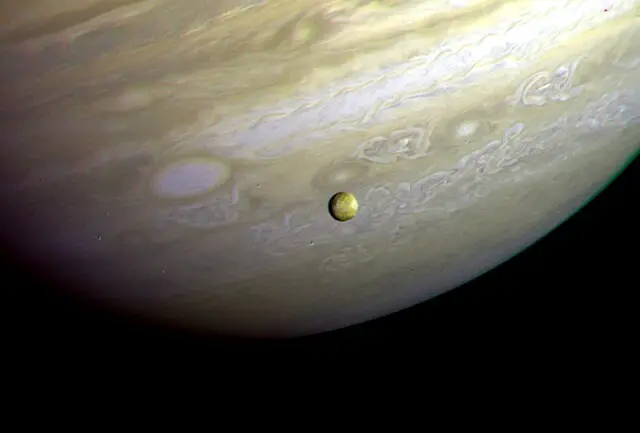
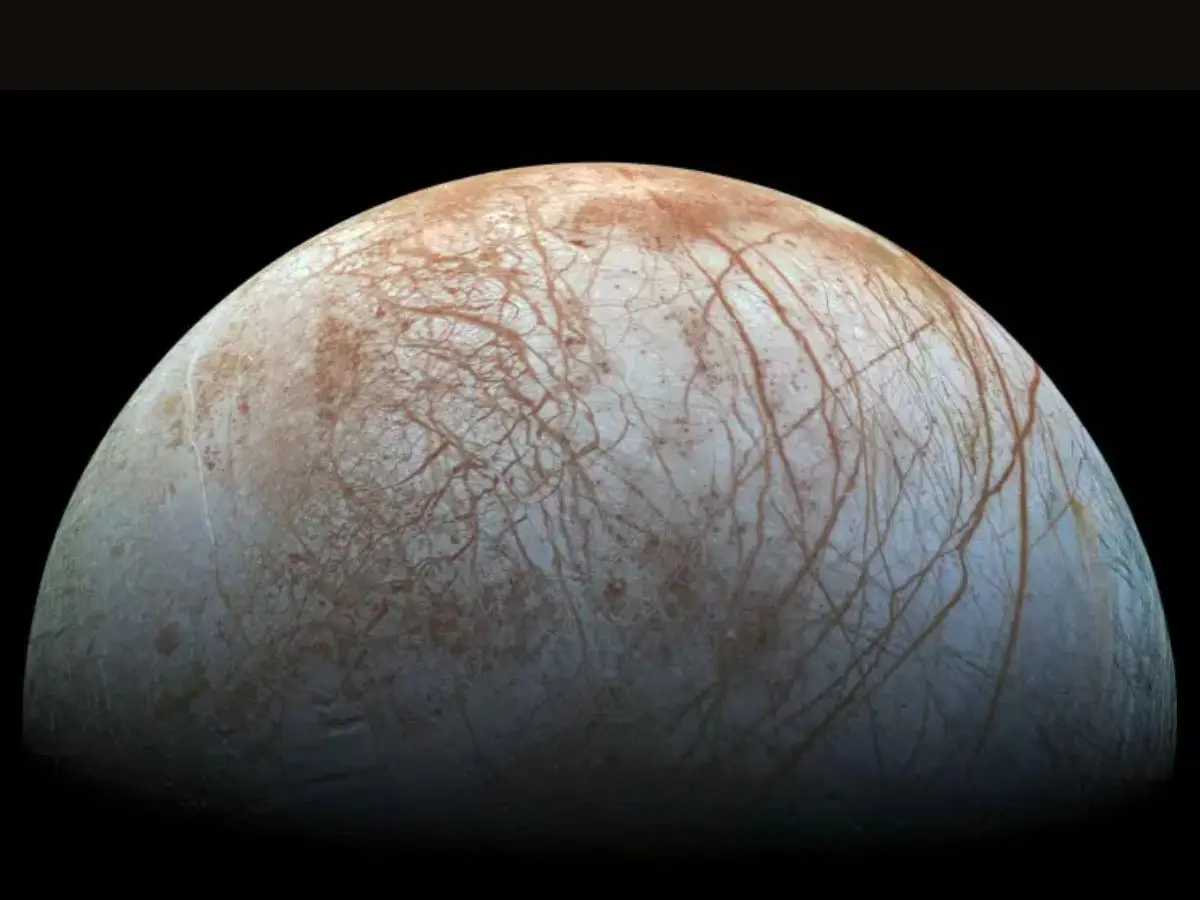
Jupiter has at least 95 confirmed moons, ranging from tiny irregular fragments to massive worlds that could rival planets in their own right. The four largest, known as the Galilean moons, Io, Europa, Ganymede and Callisto, are worlds of extraordinary diversity. Io is the most volcanically active body in the solar system; Europa harbours a subsurface ocean that may contain more water than Earth; Ganymede is the largest moon in the solar system; and Callisto’s battered surface records billions of years of solar system history.

Jupiter’s Magnetic Fortress
5 / 7
(Photograph: NASA)

Jupiter’s Magnetic Fortress

The planet’s magnetic field is the strongest of any in the solar system, around 20,000 times more powerful than Earth’s. This immense magnetosphere stretches millions of kilometres into space and traps charged particles in belts of radiation so intense they would disable spacecraft within hours without heavy shielding. These radiation belts also generate auroras far larger and more powerful than any seen on Earth, visible at Jupiter’s poles.

Secrets Beneath the Clouds
6 / 7
(Photograph: NASA)

Secrets Beneath the Clouds

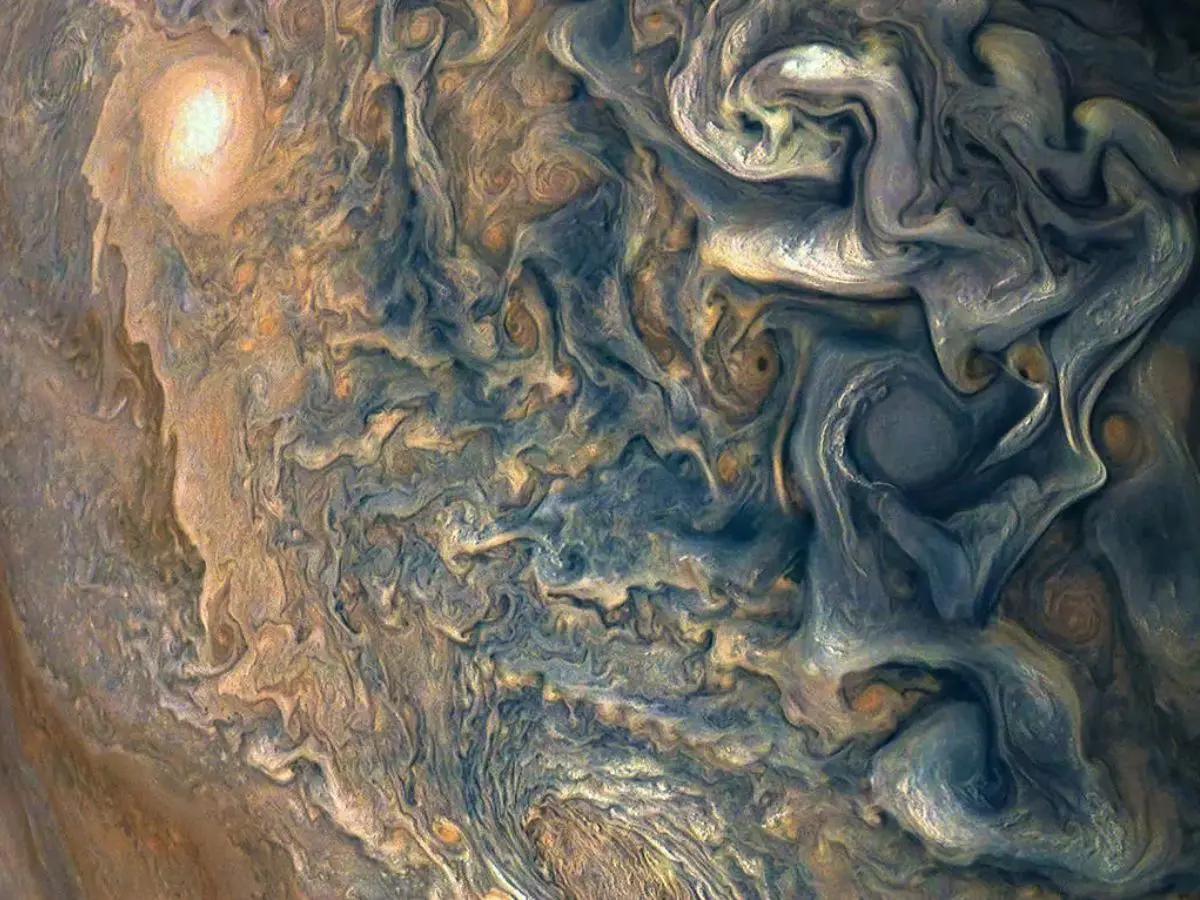
Despite centuries of study, Jupiter still hides its deepest secrets. It has no solid surface, only layers of dense gas and possibly a core of rock or metallic hydrogen under immense pressure. Recent missions, particularly NASA’s Juno spacecraft, have revealed that Jupiter’s atmosphere is far more complex than previously thought, with ammonia storms, jet streams running thousands of kilometres deep, and strange 'cyclone clusters' circling its poles.

Why Jupiter Matters
7 / 7
(Photograph: NASA)

Why Jupiter Matters

Jupiter is not just a planetary giant; it is a key to understanding our solar system. Its gravitational influence has shaped the orbits of planets, asteroids and comets for billions of years. Studying Jupiter helps scientists unravel how gas giants form and how similar worlds might exist around other stars.