Journey to the Moon begins! NASA Artemis 2 launches with 4 astronauts for a round trip of the Moon

NASA’s historic Artemis II mission has successfully lifted off from the Kennedy Space Center, sending a diverse crew of four astronauts on a record-breaking, 10-day journey around the Moon.
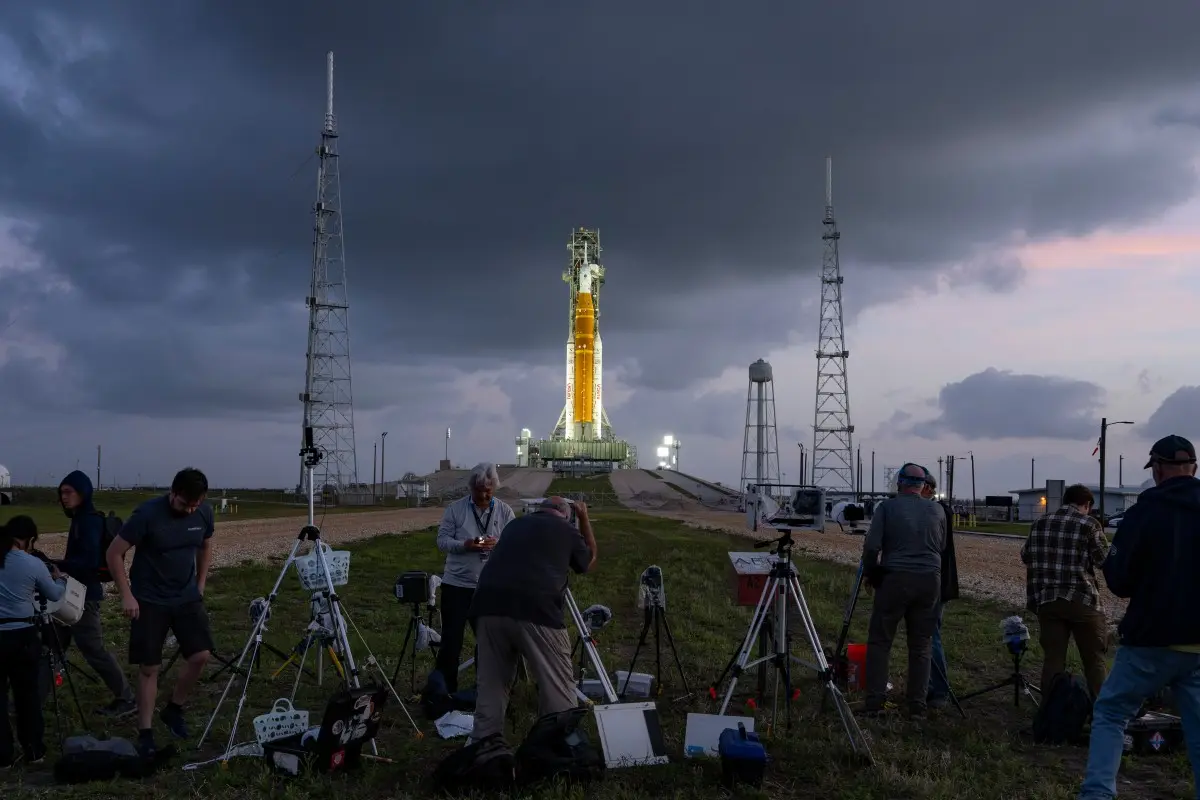
A Historic Liftoff
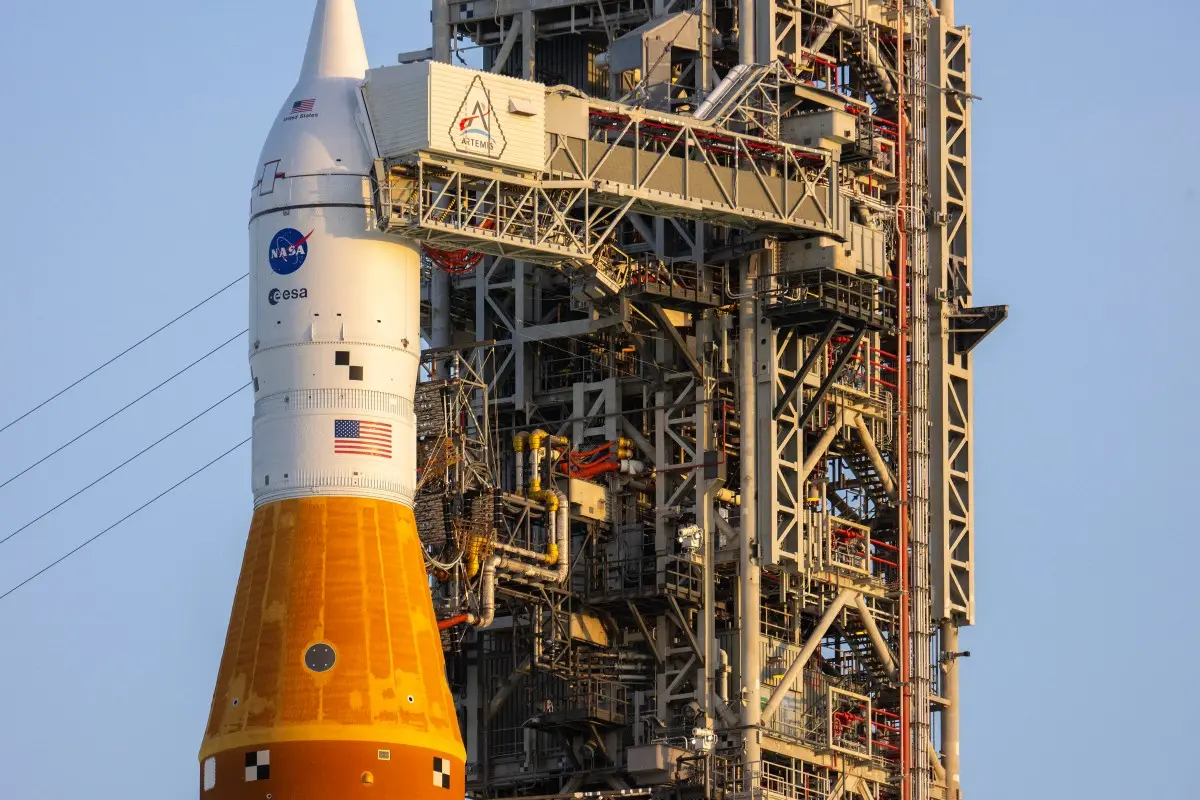
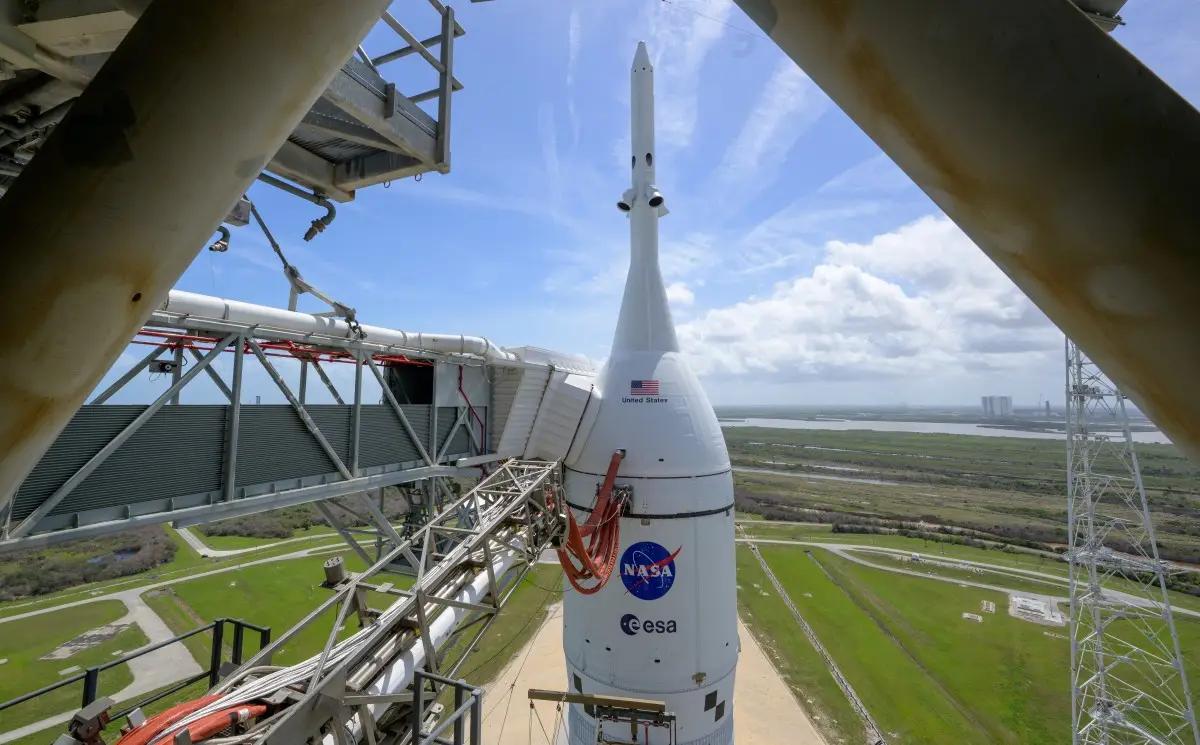
For the first time since Apollo 17 in 1972, humanity is heading back to the lunar frontier. NASA's colossal Space Launch System (SLS) rocket—the most powerful operational rocket in the world—and the Orion spacecraft are powering this monumental 10-day journey from Launch Pad 39B at the Kennedy Space Center in Florida.
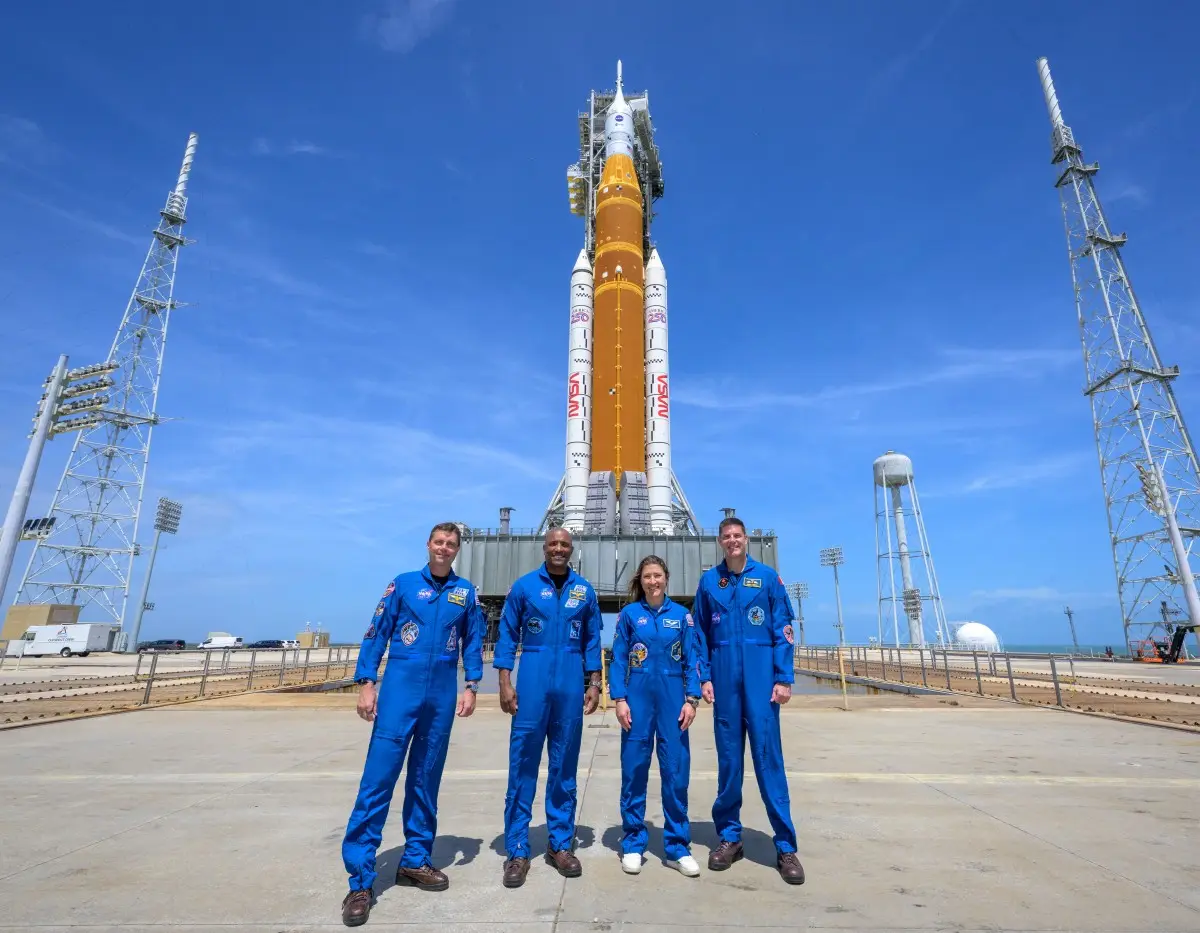
A Crew of 'Firsts'
The four-person crew represents a modern, highly diverse era of space exploration. Led by NASA veteran and Commander Reid Wiseman, the team includes Pilot Victor Glover (the first person of color on a lunar mission), Mission Specialist Christina Koch (the first woman), and Mission Specialist Jeremy Hansen (the first Canadian and non-American to travel beyond low-Earth orbit).
The Mission Profile
Unlike the Apollo landings, Artemis II is a “free-return” lunar flyby. The crew will not touch down on the lunar surface. Instead, they will loop around the far side of the Moon, utilizing lunar gravity to slingshot the spacecraft back toward Earth without needing a secondary propulsion burn.
Breaking Apollo's Records
Pushing the boundaries of human spaceflight, the Orion capsule is projected to travel roughly 4,700 miles beyond the far side of the Moon. This immense distance will shatter the previous deep-space distance record for a crewed spacecraft, which was famously set by the Apollo 13 mission.
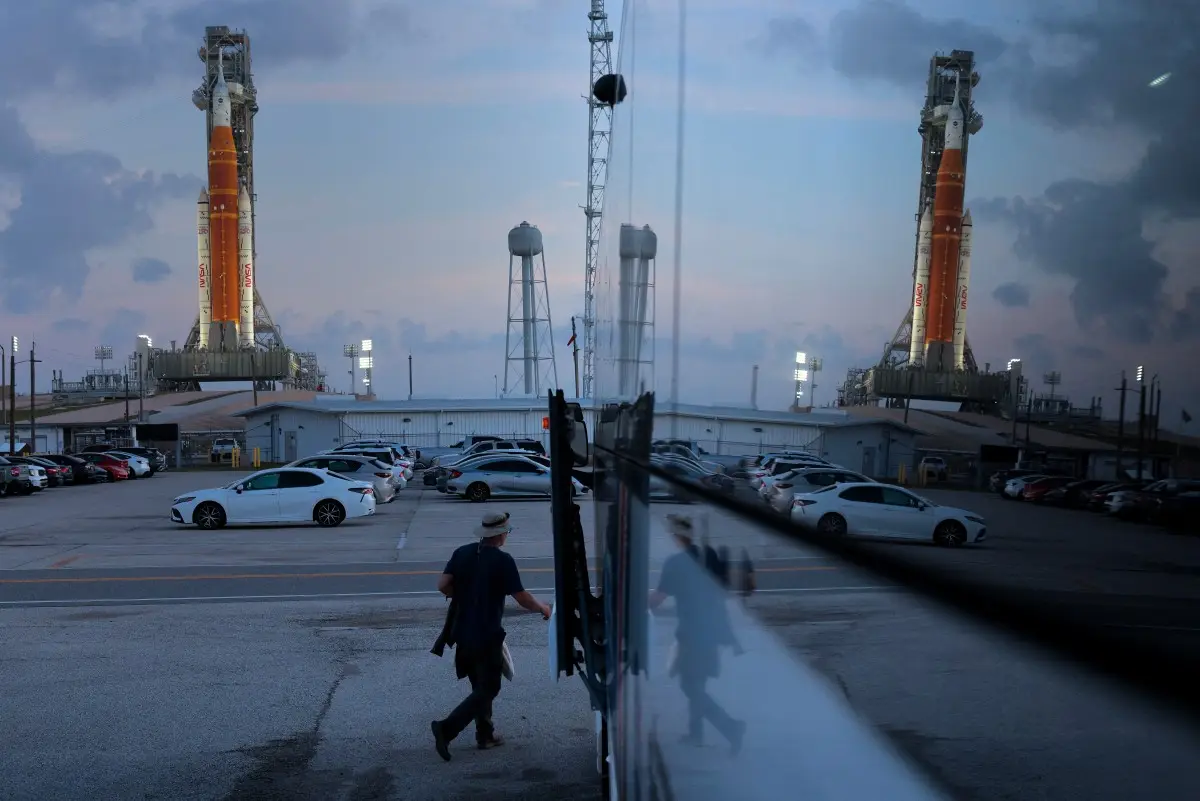
Overcoming Eleventh-Hour Drama
The countdown was not without its heart-pounding moments. A late-stage communication glitch with the rocket's Flight Termination System (FTS) and a minor battery temperature flag on the Launch Abort System caused brief holds, but engineering teams successfully cleared the hardware for a safe flight.
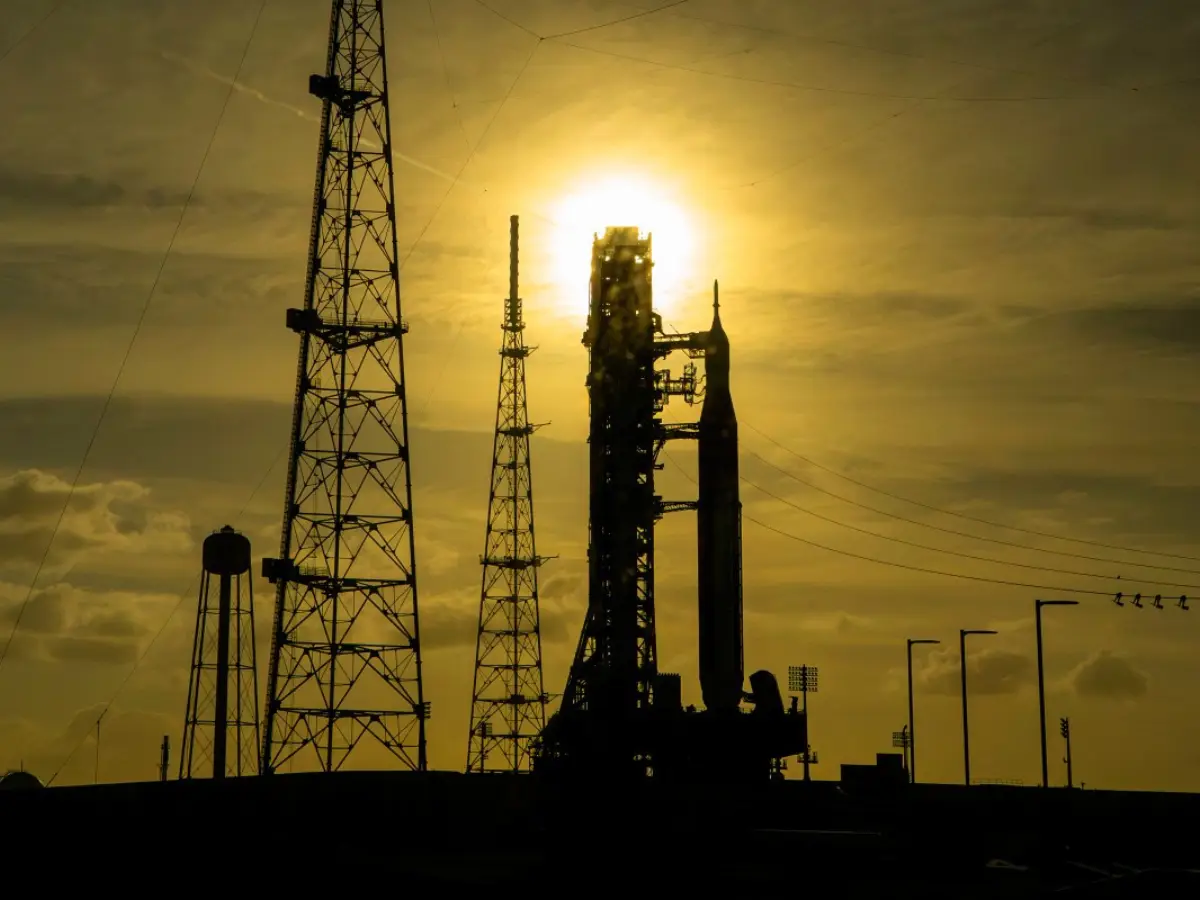
The Ultimate Stress Test
At its core, Artemis II is a high-stakes systems validation test. The astronauts are tasked with rigorously stress-testing Orion's critical life-support, communication, and navigation systems to definitively prove the spacecraft can sustain human life in the unforgiving environment of deep space.
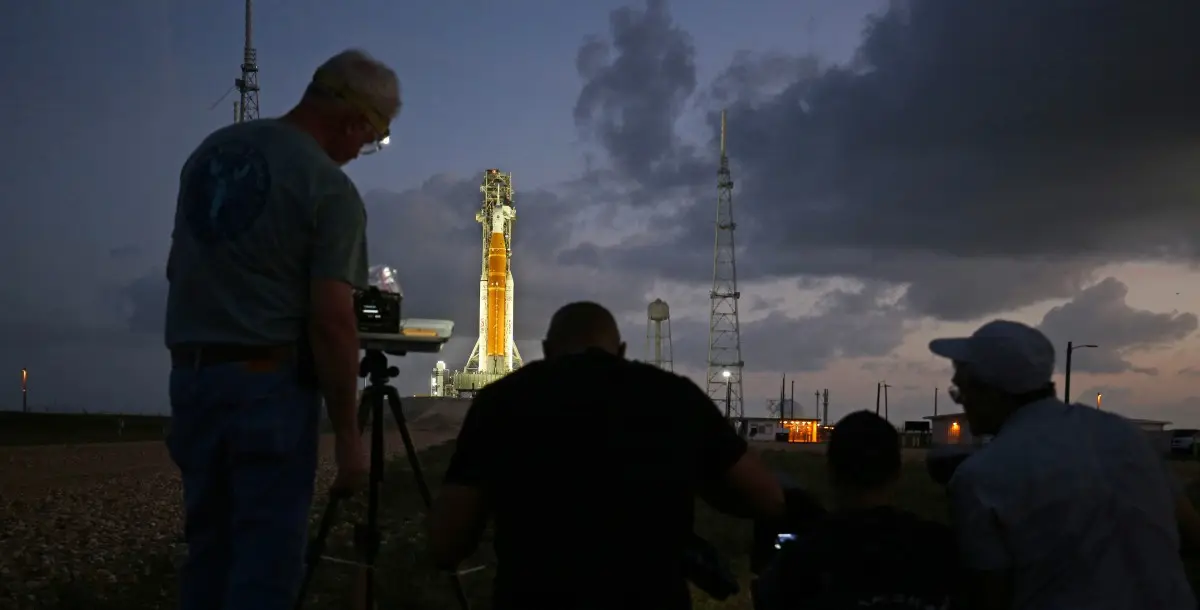
Paving the Way for Artemis III
This flyby is the crucial bottleneck for the future of the entire Artemis program. A successful 685,000-mile round trip and Pacific Ocean splashdown will greenlight Artemis III and IV—the missions that aim to put boots back on the lunar surface by 2028 and eventually establish a permanent, sustainable human presence on the Moon.
)
)
)
)
)