Joe Rogan guest says ‘3I/ATLAS’ could be watching us and scientists are ignoring it!

Loeb pointed out that 3I Atlas is aligned within five degrees of the planetary plane, an orientation that has only a one-in-500 chance of occurring by coincidence.
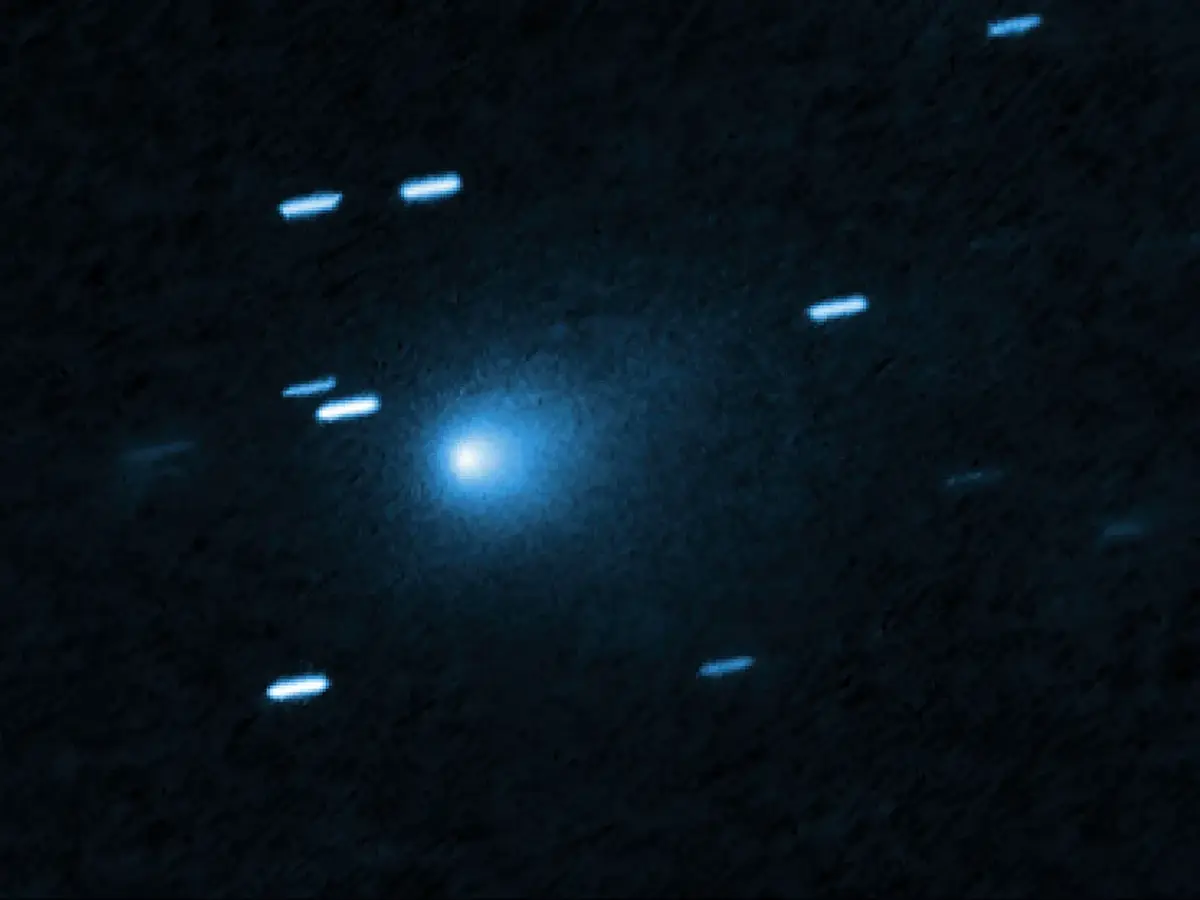
1. A Visitor From Beyond the Solar System
Avi Loeb described 3I Atlas as an unusually large interstellar object, roughly the size of Manhattan Island, currently passing through our solar system. Unlike comets or asteroids, its scale and movement defy ordinary cosmic explanations.
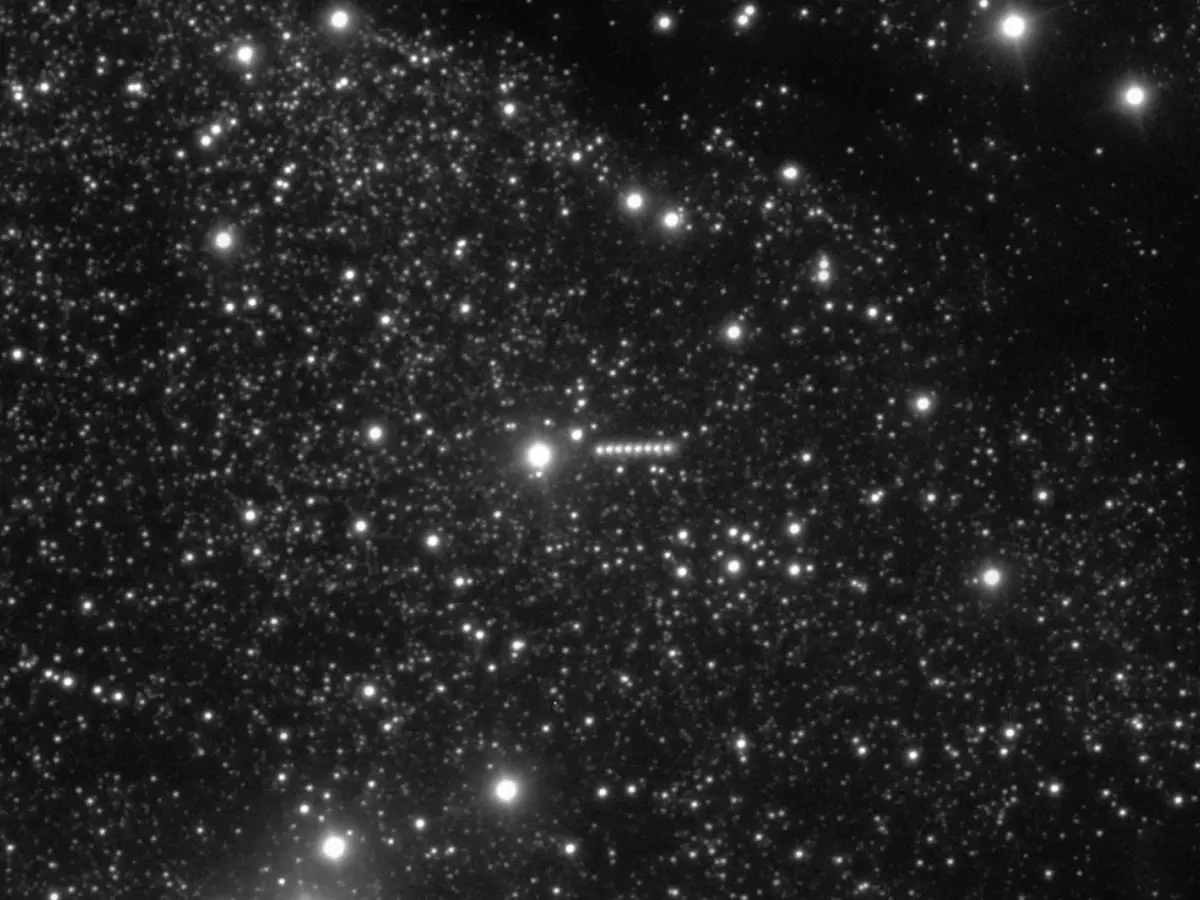
2. A Trajectory Too Precise to Be Random
Loeb pointed out that 3I Atlas is aligned within five degrees of the planetary plane, an orientation that has only a one-in-500 chance of occurring by coincidence. It also moves in a retrograde path, opposite to the planets’ motion — an ideal route, he says, for deploying small probes.
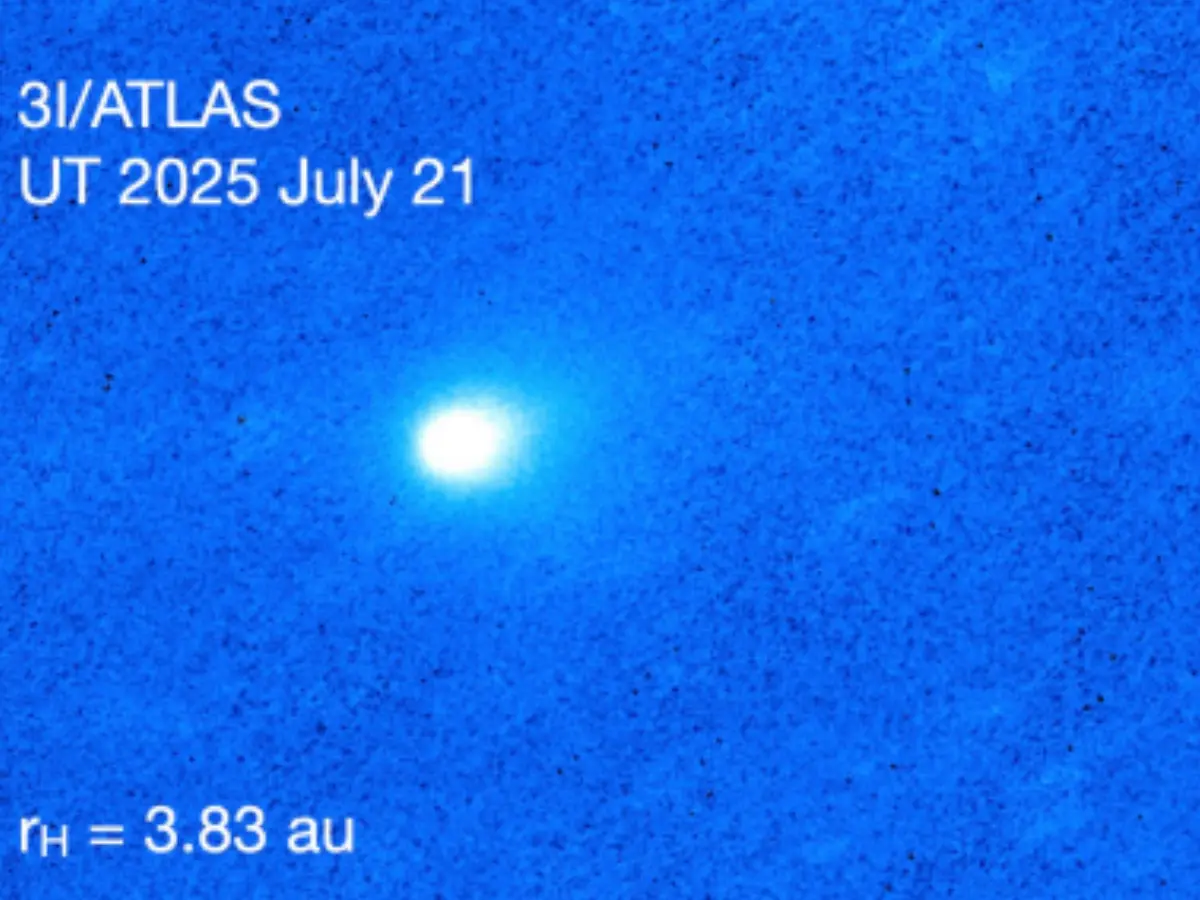
3. The Glow That Points the Wrong Way
Images from the Hubble Space Telescope revealed a glow extending towards the Sun, not away from it, unlike typical comet tails, which are blown back by solar radiation. Loeb suggested this may indicate a jet or emission system facing the Sun, not a natural dust tail.
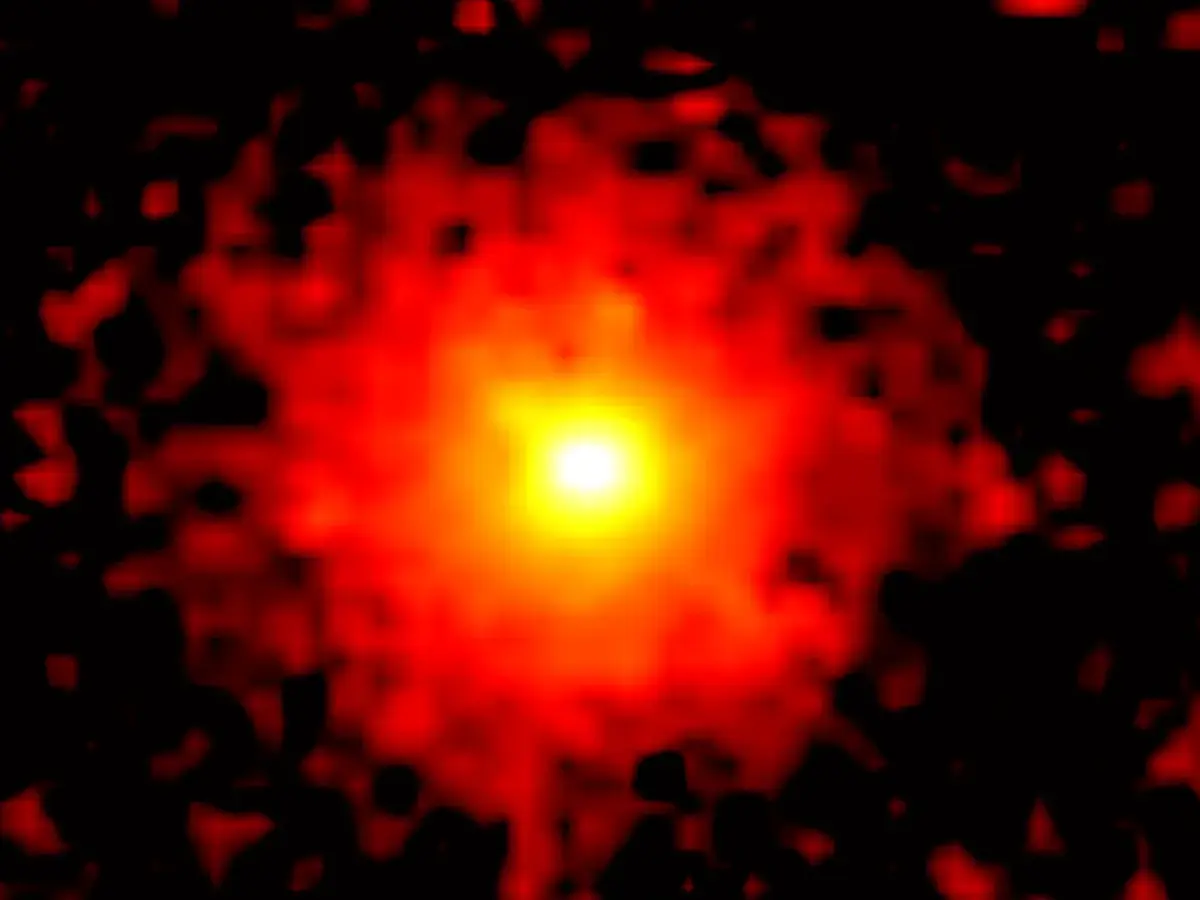
4. Strange Chemistry: Nickel Without Iron
Spectral analysis showed the object emits gases rich in nickel but with little or no iron, a ratio rarely found in nature. “The only place we’ve seen that combination,” Loeb explained, “is in industrial alloys, often used for aerospace applications.”
5. A Possibility of Intelligent Design
In his research paper, Loeb proposed that the object’s trajectory and composition could be the result of intentional design, possibly from a technologically advanced civilisation. The idea was controversial enough for a journal editor to request he remove the claim before publication.

6. The ‘Black Swan’ Argument
Loeb argued that dismissing the alien hypothesis outright is unscientific. “Even if the probability is small,” he told Rogan, “the implications are enormous. Intelligence agencies learned from past mistakes, we should treat anomalies with the same caution.”
7. A Call for Open Scientific Inquiry
Loeb criticised how mainstream astronomy prioritises the search for microbial life while offering no federal funding for studies into technological intelligence. He urged scientists to “hedge their bets” and treat such discoveries as legitimate areas of research.
)
)
)
)
)