Jet fuel vs petrol: What makes aircraft fuel so different?

Jet fuel is a kerosene-based liquid engineered to survive minus 50°C temperatures at 35,000 feet. Unlike volatile petrol, it features a high flash point, static dissipators, and immense energy density to safely power multi-million dollar aircraft.
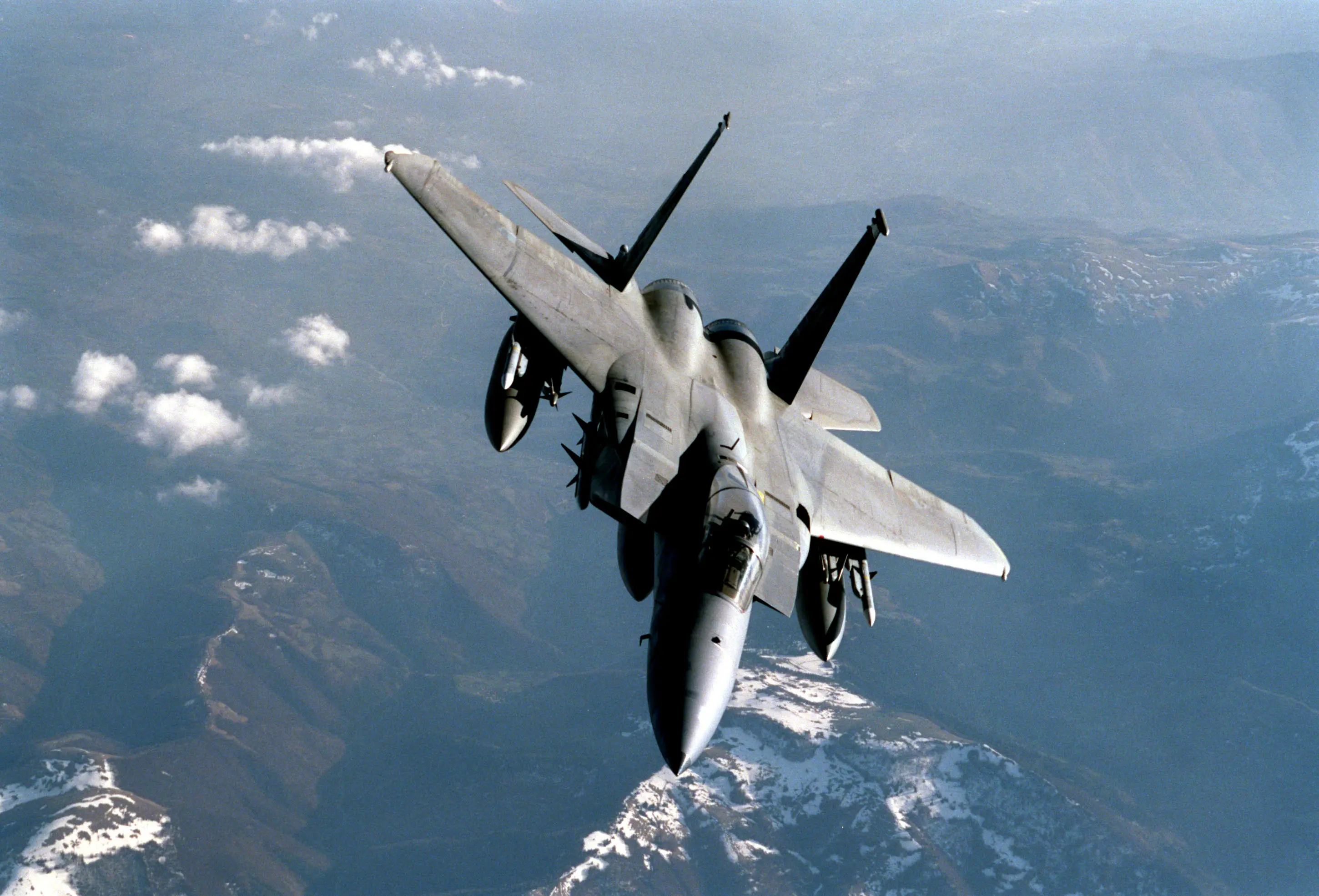
The Kerosene Foundation
Jet fuel, primarily Jet A-1, is a highly refined kerosene-based liquid, unlike the lighter gasoline used in standard cars. This heavier hydrocarbon chain provides a significantly higher energy density, allowing commercial airliners to fly thousands of miles without refuelling.
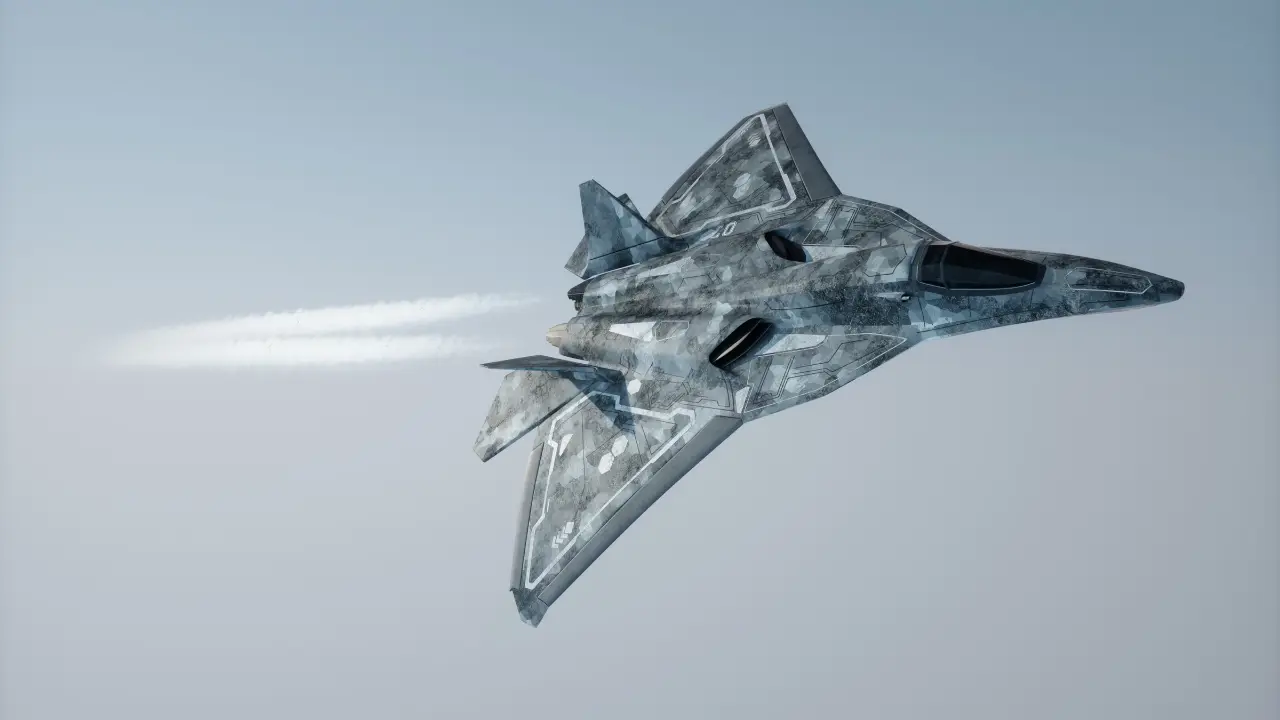
Surviving the Stratosphere
At 35,000 feet, outside temperatures regularly plummet to minus 50 degrees Celsius. While normal petrol would quickly freeze solid, aviation fuel contains specialised anti-icing additives that guarantee it remains a fluid liquid at absolute extremes.
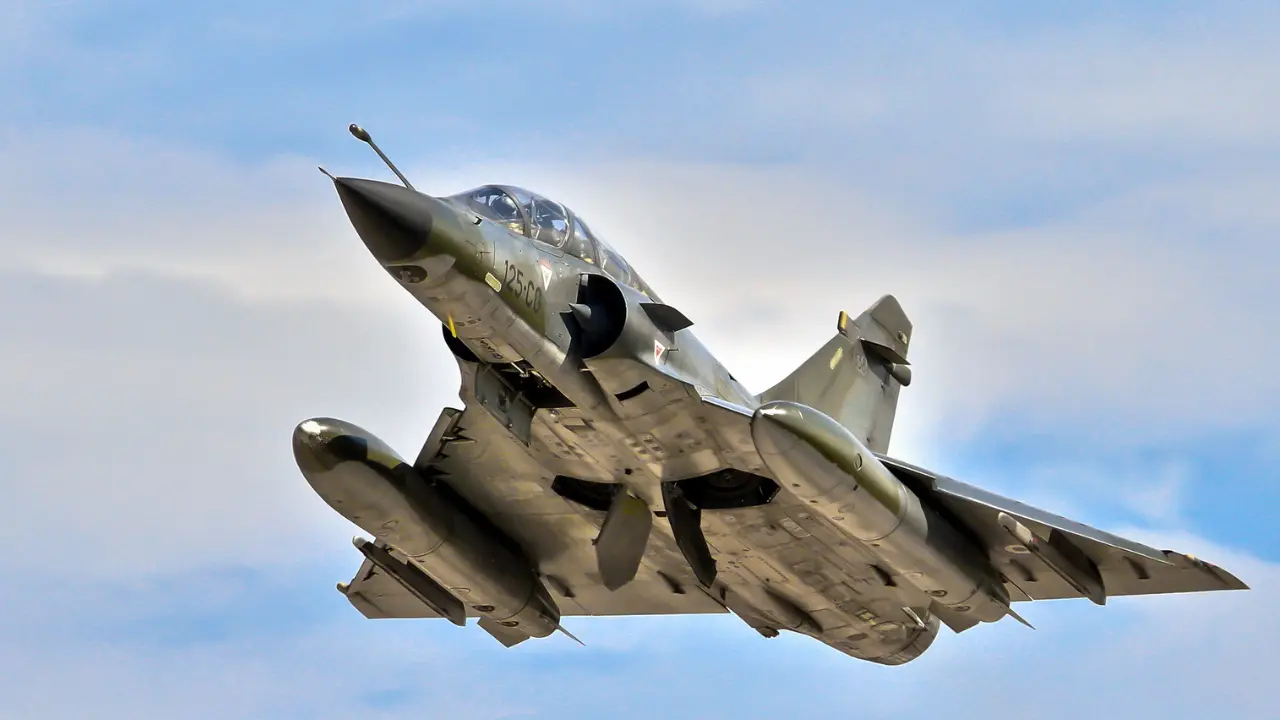
The Flash Point Safety
Normal car petrol is highly volatile and can ignite at minus 43 degrees Celsius, making it incredibly dangerous for aviation. Jet fuel is engineered with a high flash point of 38 degrees Celsius, ensuring it will not accidentally ignite if spilt on a hot runway.
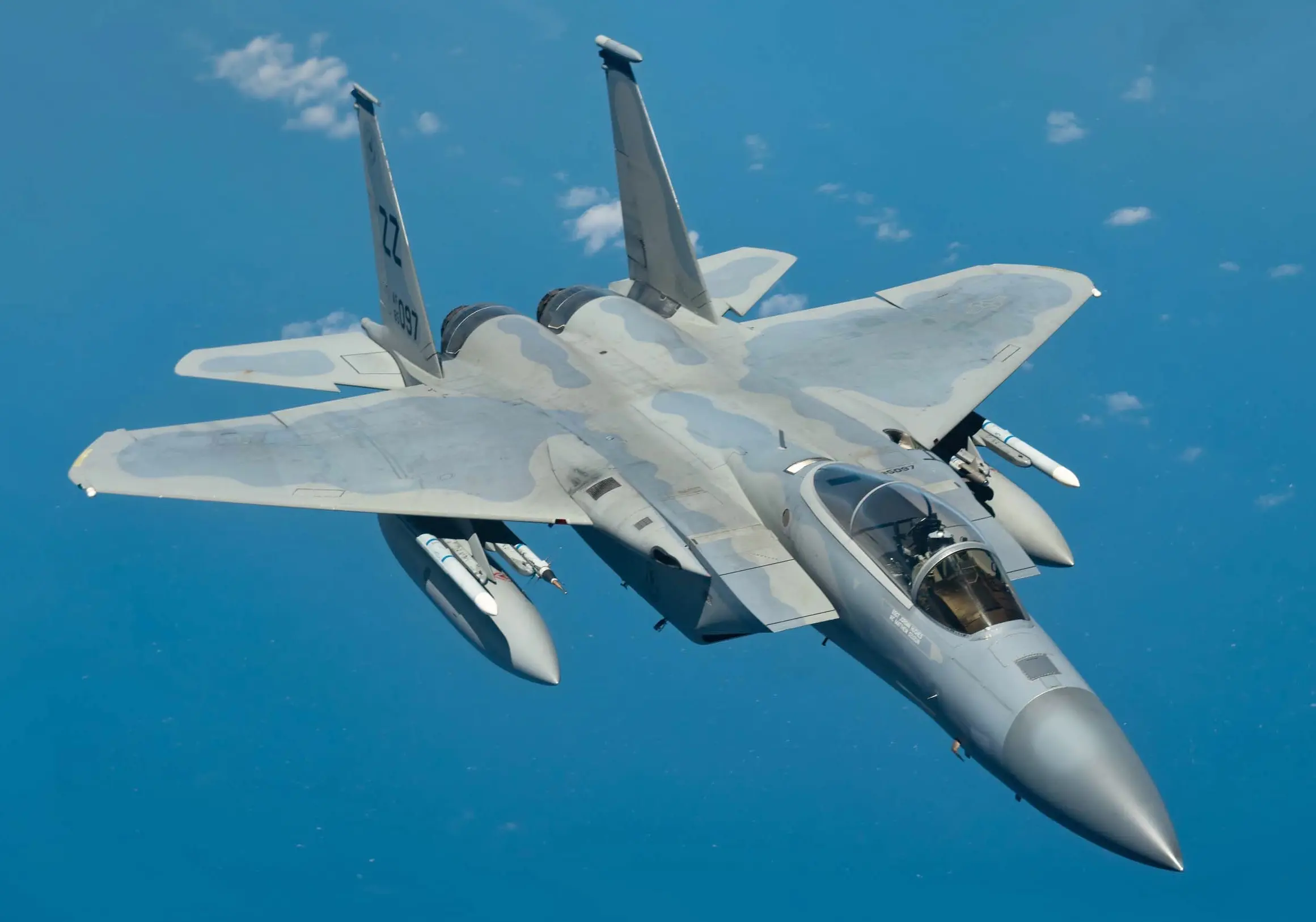
Maximum Energy Density
A commercial airliner requires massive thrust to lift 300 tonnes of metal into the sky. Jet fuel packs more combustible energy per litre than standard petrol, delivering the concentrated kinetic power required by multi-million dollar turbofan engines.
Static Electricity Defence
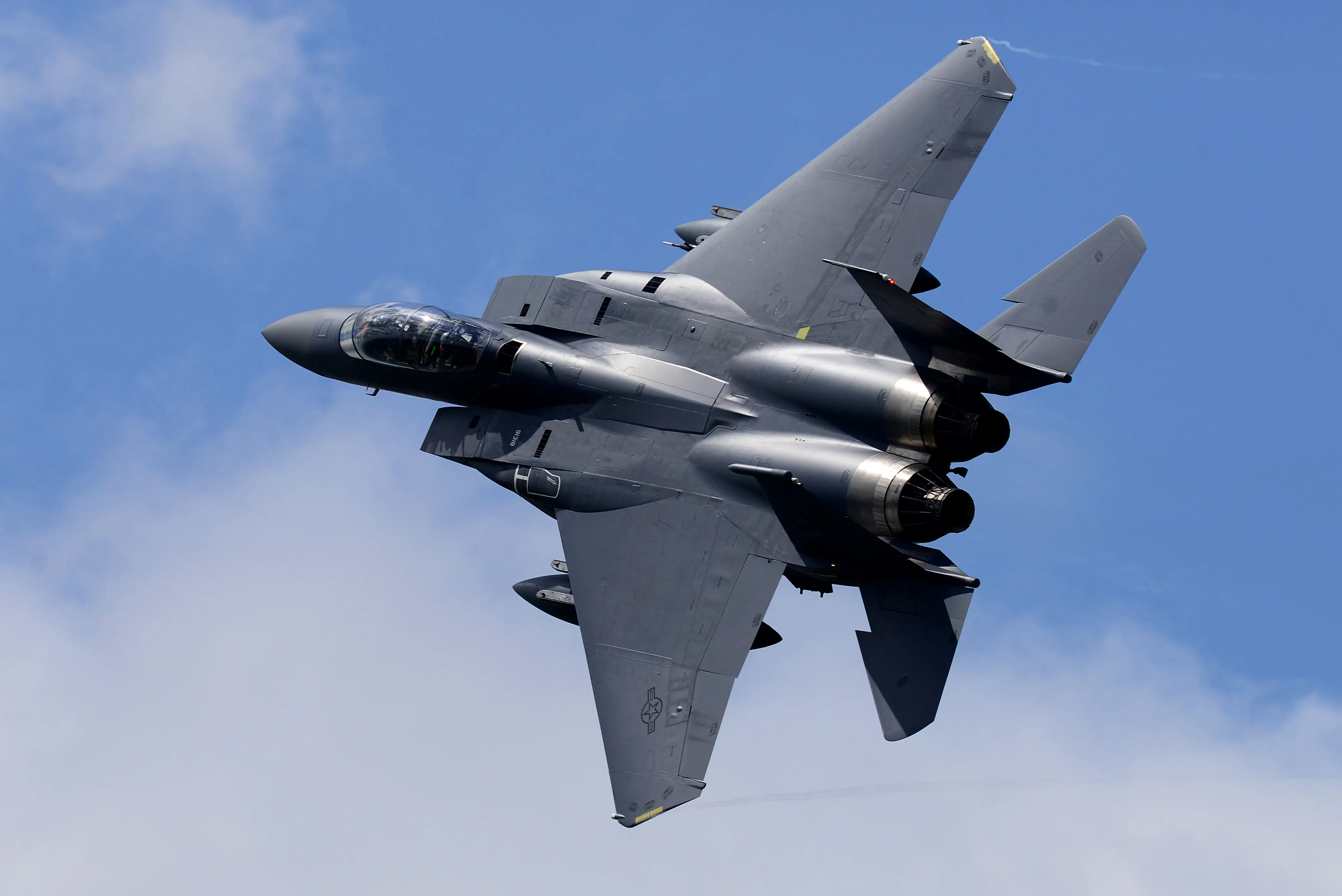
Pumping thousands of gallons of fuel into a jet wing generates a massive buildup of lethal static electricity. To prevent a catastrophic explosion during refuelling, aviation fuel is chemically infused with static dissipator additives that standard petrol completely lacks.
No Spark Plugs Needed
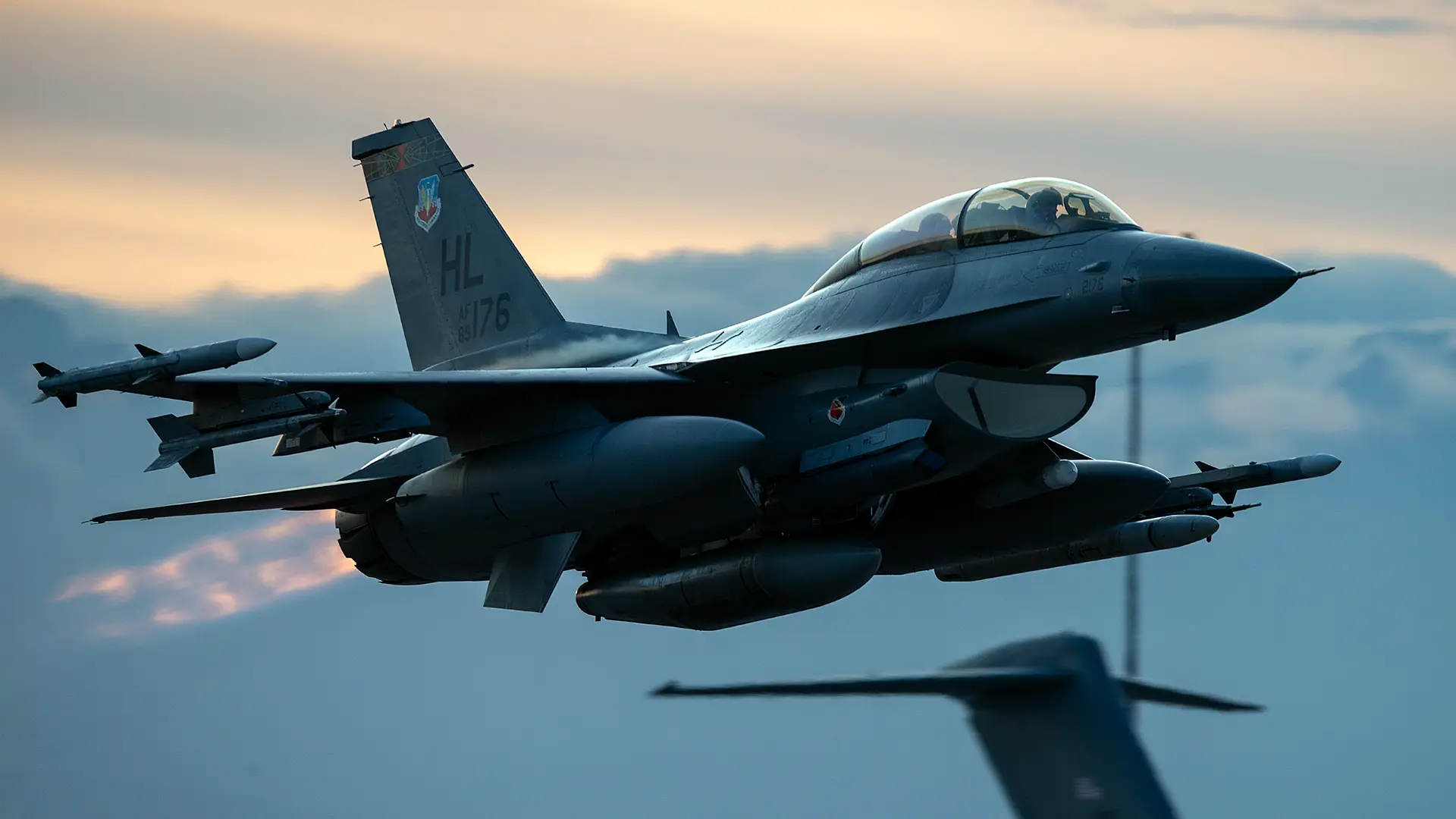
Car engines use electrical spark plugs to violently ignite highly combustible petrol inside the cylinders. Jet engines rely entirely on continuous compression and extreme internal heat to ignite the kerosene, requiring a deeply stable fuel source that burns smoothly.
The Cost of Purity
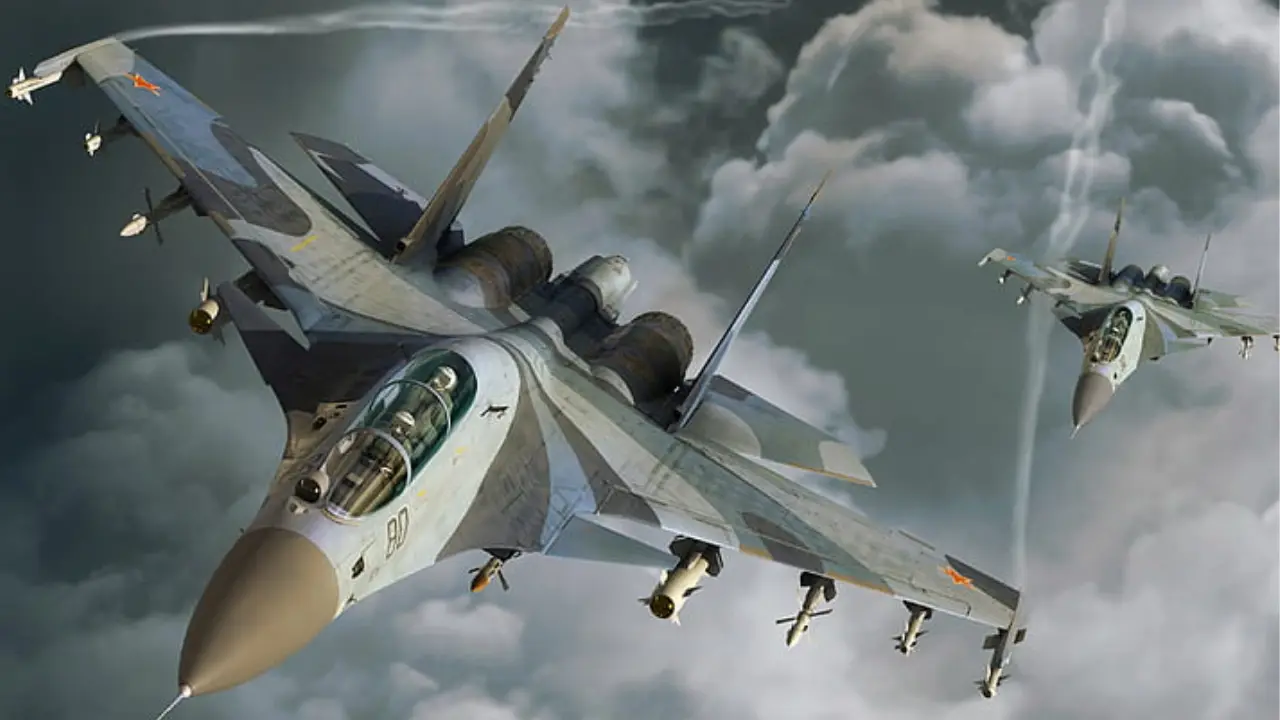
Refining crude oil into aviation-grade Jet A-1 is an incredibly expensive and rigorous chemical process. A single contamination particle or drop of water can trigger a mid-air engine stall, meaning jet fuel filtration standards far exceed civilian petrol regulations.
)
)
)
)
)