China's Gaokao vs India's JEE: Comparing the world's toughest entrance examinations

JEE and Gaokao are widely regarded as two of the toughest exams globally. These two exams shape millions of children's future across India and China. Here's a comparison of their difficulty, competition, syllabus, acceptance rates and impact on students' futures.
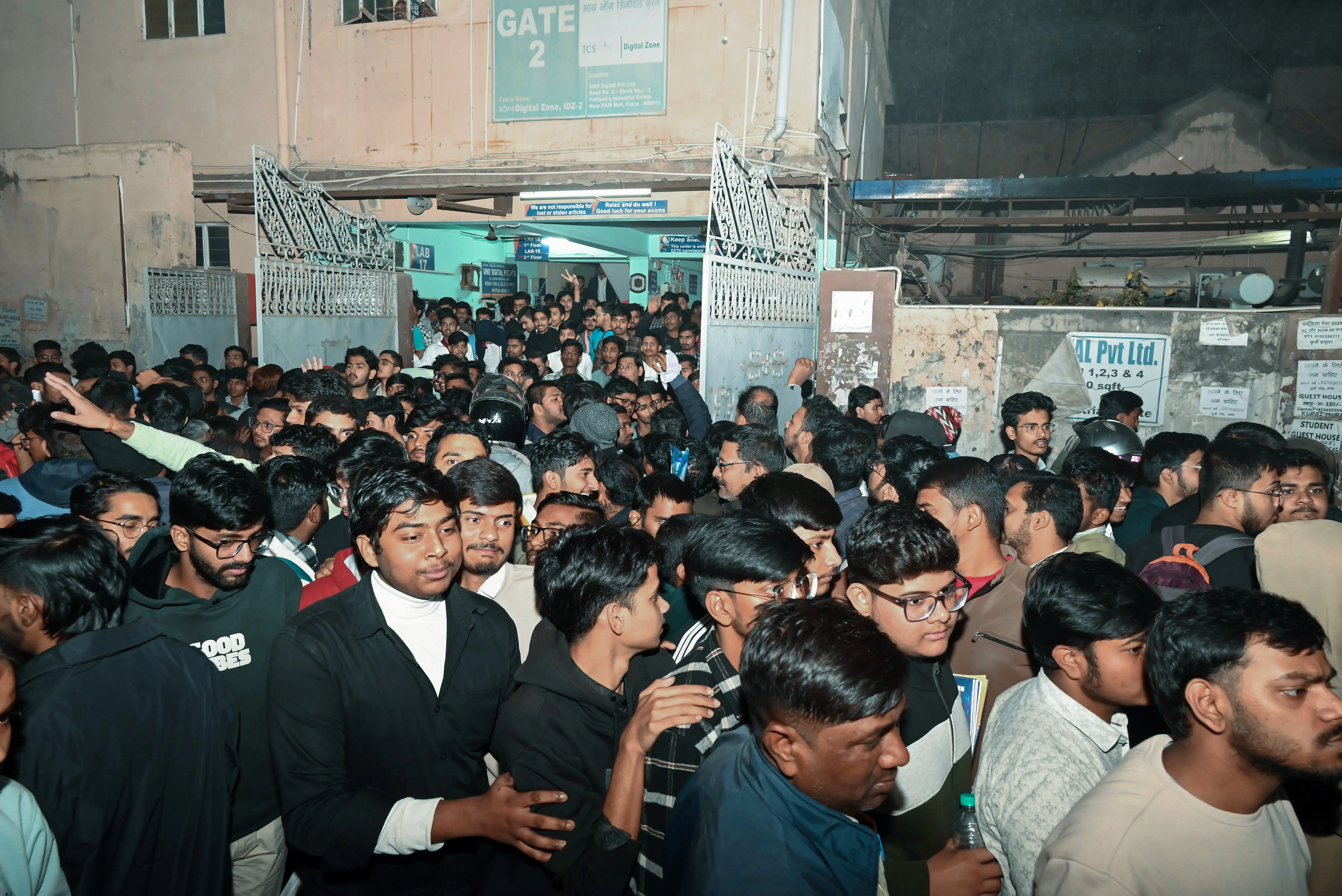
Difficulty
JEE tests conceptual understanding, innovative skills and problem-solving of the participant rigorously. Gaokao, on the other hand, has a diverse syllabus, which tests the memorisation and endurance of the student. JEE is mostly objective with a scope of negative scores for wrong answers. It is mostly for STEM-oriented students. While Gaokao has both subjective and objective components and has no negative marking. Unlike the two-tier system of JEE, Gaokao is a one-shot system which lasts for 2-3 days. Gaokao tests endurance while JEE filters students based on conceptual rigour.
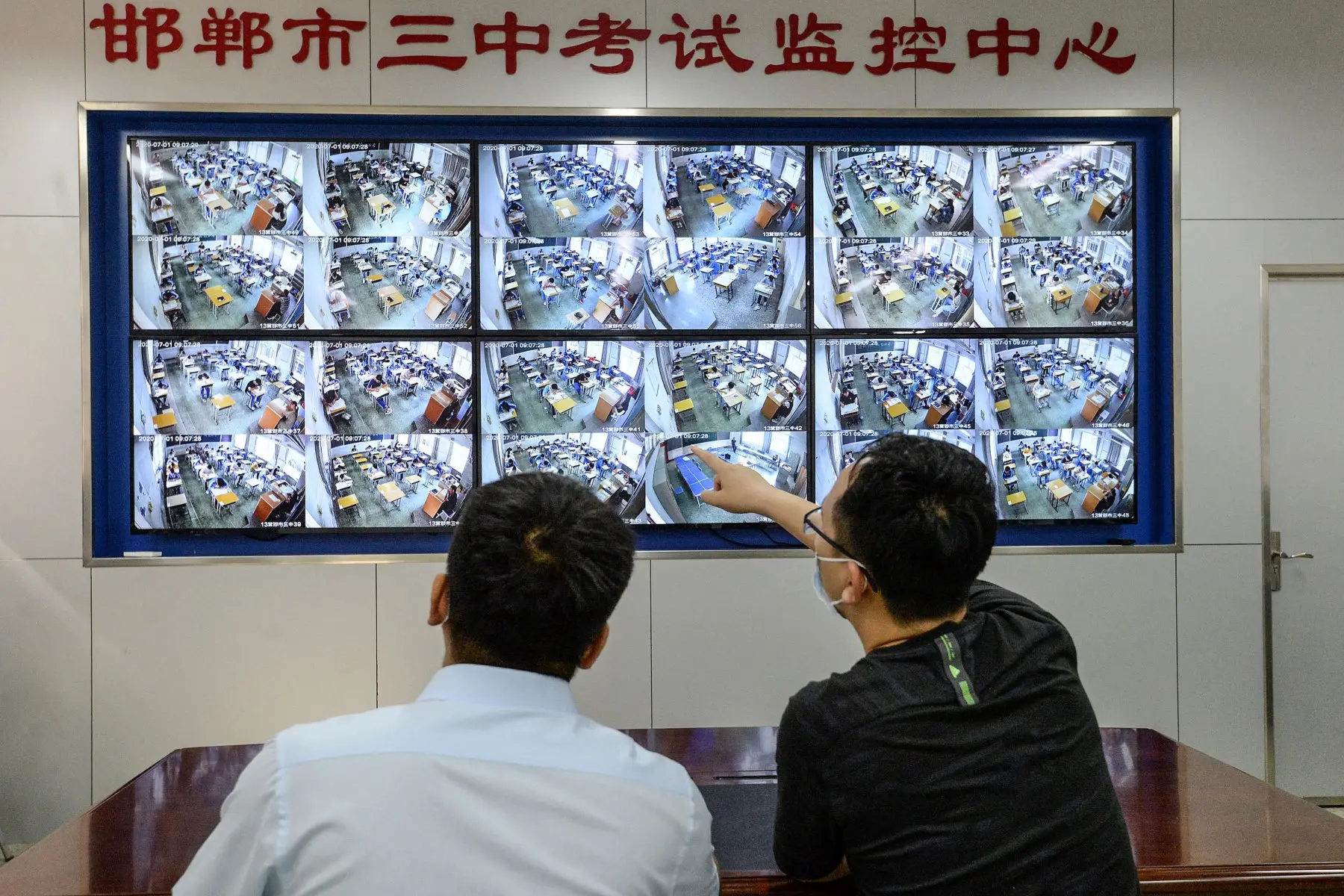
Competition
Every year, almost 13 million students take the Gaokao, while in JEE, around 1.4 million students sit for the exam. The sheer scale of Gaokao is massive. It brings extreme levels of societal pressure. Roads are closed, cities are paused, factories are halted, and students are monitored in CCTV, creating a localised psychological pressure. JEE is a two-tier system it 1st stage is JEE Main, where the masses participate, from which roughly 10-15 per cent qualify to JEE Advanced, where students face some of the toughest questions from Physics, Chemistry and Mathematics.
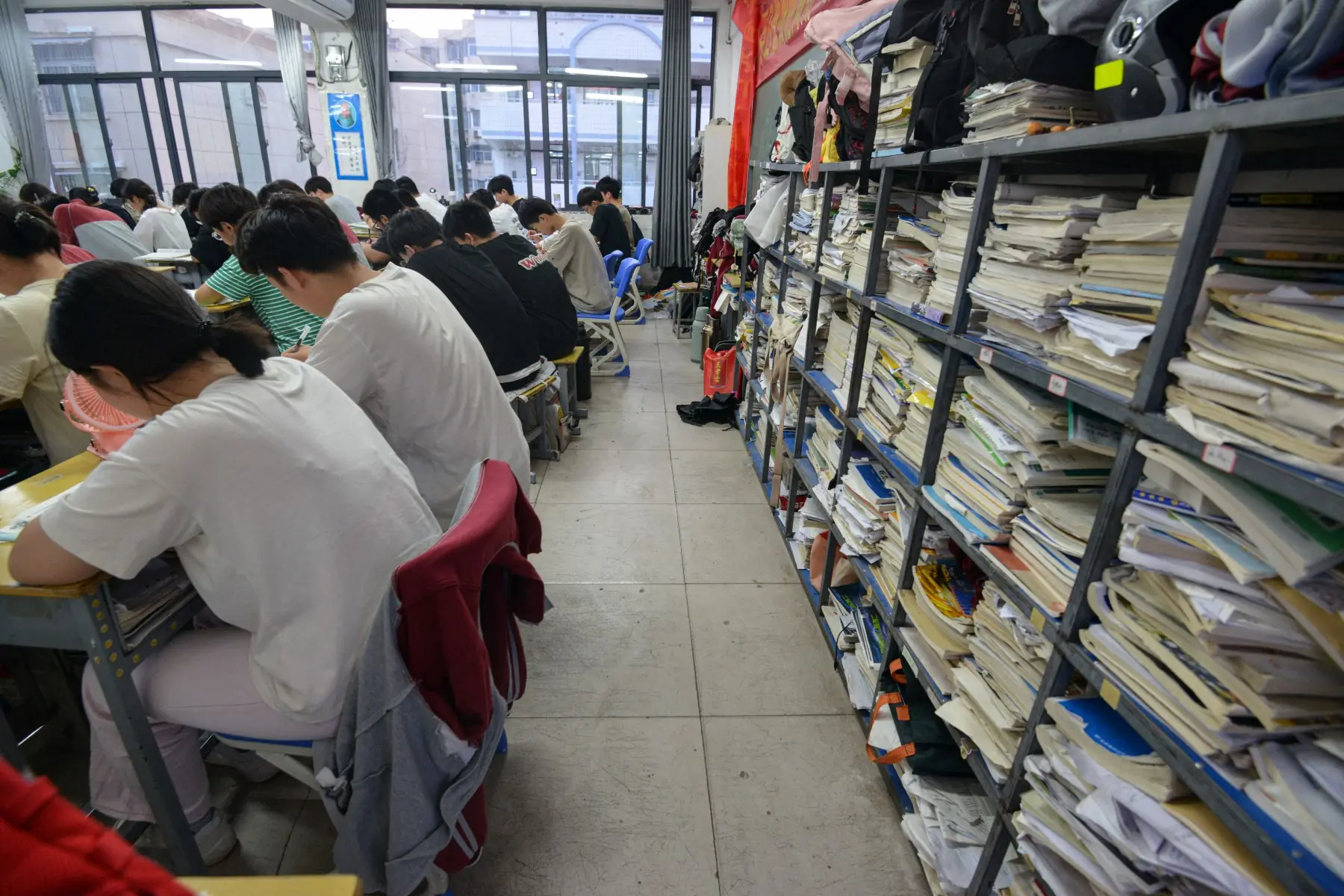
Syllabus
JEE is exclusively on Physics, Chemistry and Mathematics at an advanced level. The question test Indian Higher Secondary Curriculum can range from Calculus, Algebra, Trigonometry, Coordinate Geometry, Vector to Classical Mechanics, Thermodynamics, Condensed matter, Quantum Mechanics, Organic and Inorganic Chemistry. While GaoKao is mostly subject-specific, it examines the Chinese high school curriculum with three mandatory subjects: Chinese, Mathematics, Foreign Language; one choice of Physics or History and two additional subjects from Chemistry, Biology, Geography, or Politics.
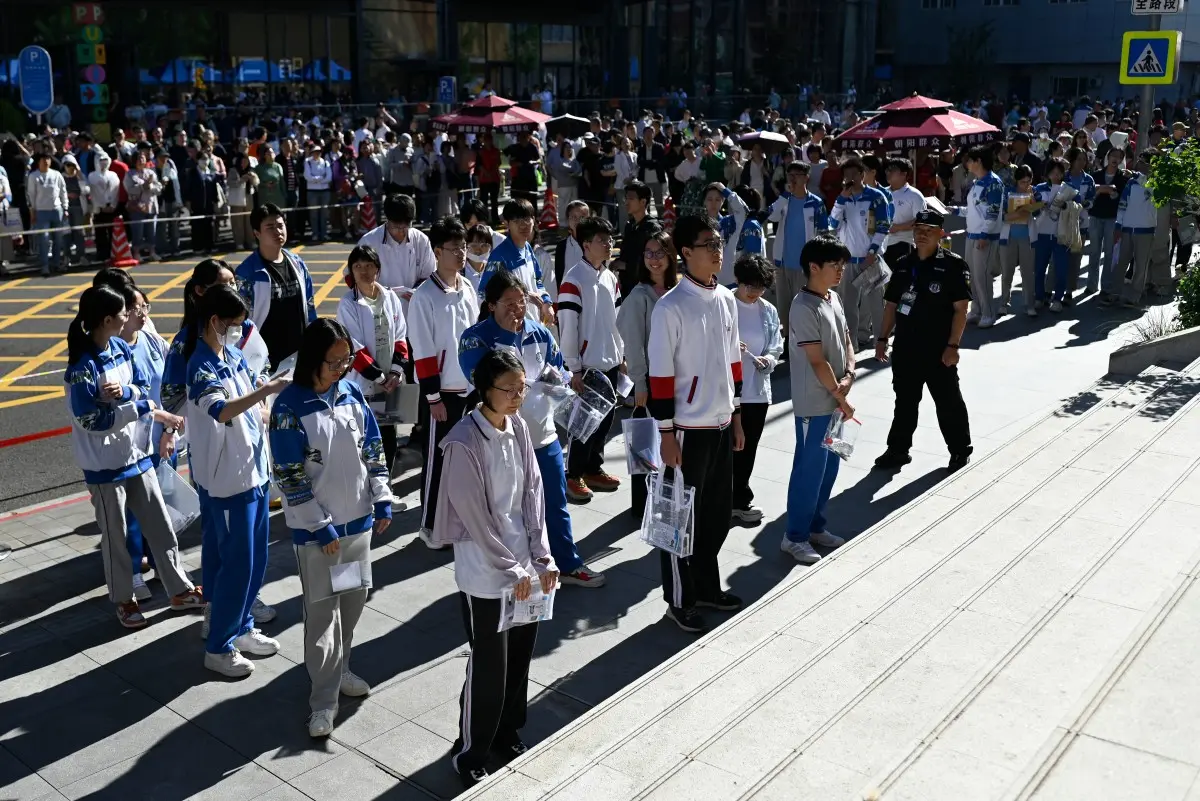
Acceptance Rates and future prospects- Gaokao
By acceptance rates at the top, the gaokao is far crueller. A candidate's odds of a seat at Tsinghua or Peking University are roughly 0.05 per cent. In 2023, out of 12.91 million gaokao takers, over 10.42 million were admitted to a university or vocational college. That is 80.7 per cent. The gaokao sorts students into a tier of a vast system, and the system has a slot at almost every level, including a vocational track wired into China's manufacturing base.
Acceptance Rates and future prospects- JEE
The IIT seat rate is about 1.3 per cent. While it seems beter than Gaokao at first but future prospects after JEE are like passing through a needle's eye. In 2024, 1.4 million students sat for JEE Main. The 23 IITs offered roughly 18,000 seats. Below that line waited over 4,000 private engineering colleges churning out 1.5 million graduates a year. According to a TeamLease estimate, only 10 per cent would land jobs in the field.
)
)
)
)
)