Japan's male-only succession plan shrinks pool of imperial heirs

Japan's males-only succession law
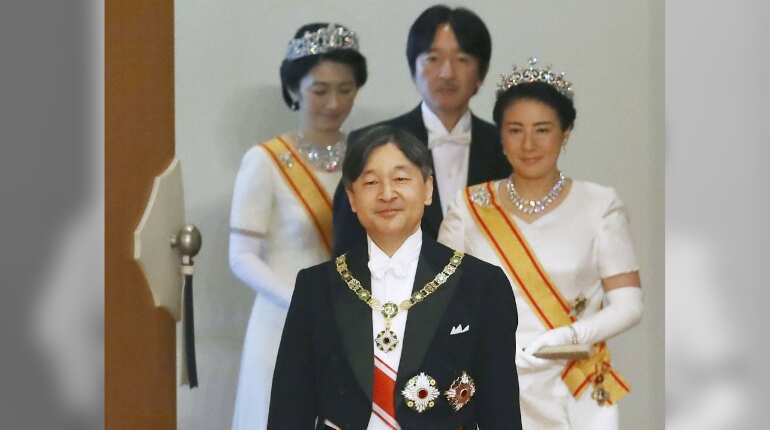
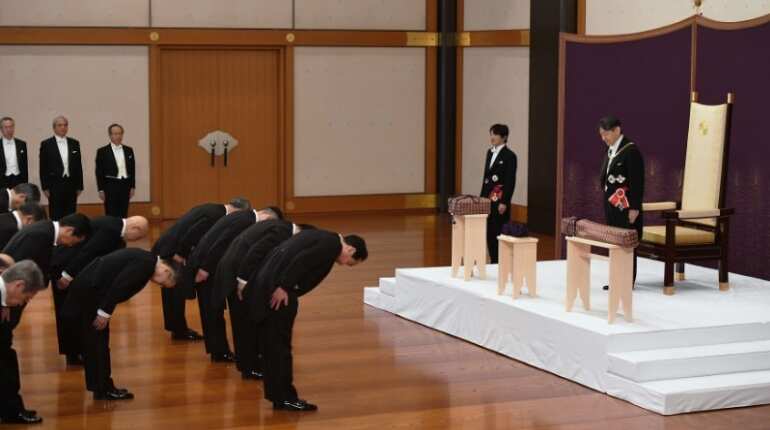
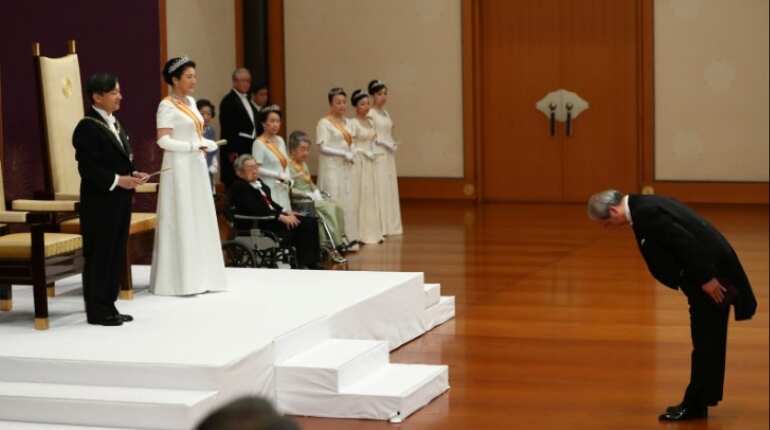
Japan has a new emperor, Naruhito, however, its imperial family will be left with just three heirs to the throne, one of whom is 83-year-old a situation likely to renew debate on the monarchy's males-only succession.
Naruhito has one daughter, 17-year-old Princess Aiko. But she is not eligible to inherit the throne because of a males-only succession law that conservatives see as central to the imperial tradition but that many experts say threatens the very existence of the monarchy.
Revision of the males-only rule
Surveys show a majority of Japanese favour letting women take the throne, and then passing it on to their children, but conservatives disagree, and they are key to Prime Minister Shinzo Abe's support.
In 2006, the then prime minister, Junichiro Koizumi, was close to proposing a revision of the males-only rule, but that was shelved with the birth of Prince Hisahito, ending a 41-year drought in male heirs.
Emperor abdicates
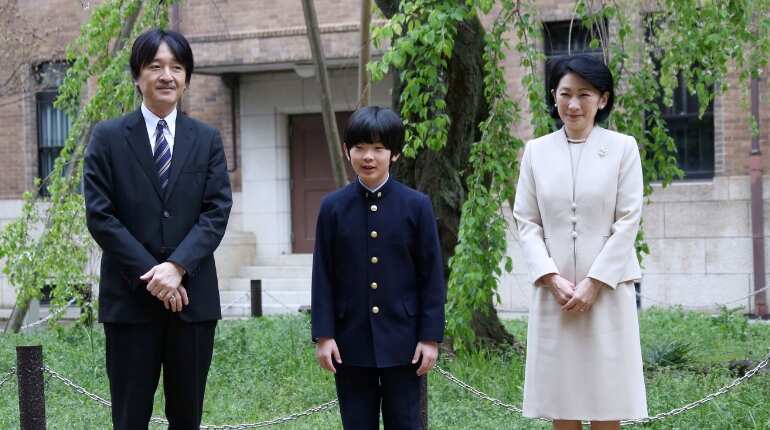
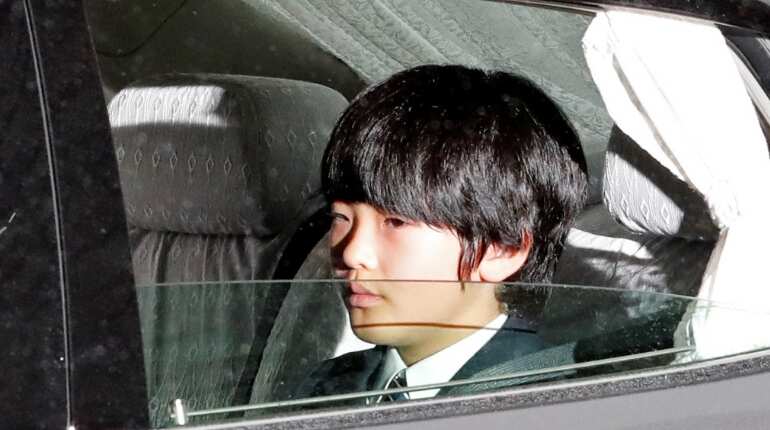
First in line after Naruhito is his younger brother, Akishino, 53, followed by Akishino's son, 12-year-old Hisahito.
After that comes 83-year-old Prince Hitachi, younger brother to Akihito, who abdicated as emperor on Tuesday.
Japan had several female emperors
Historically, Japan's imperial line was preserved by a combination of concubines and cadet royal families called "miyake", who could supply a male heir in a pinch.
Japan had several female emperors in the premodern period but that practice ended with the enactment of the Imperial House Law in 1889, which stipulated males-only succession.
Meiji restoration
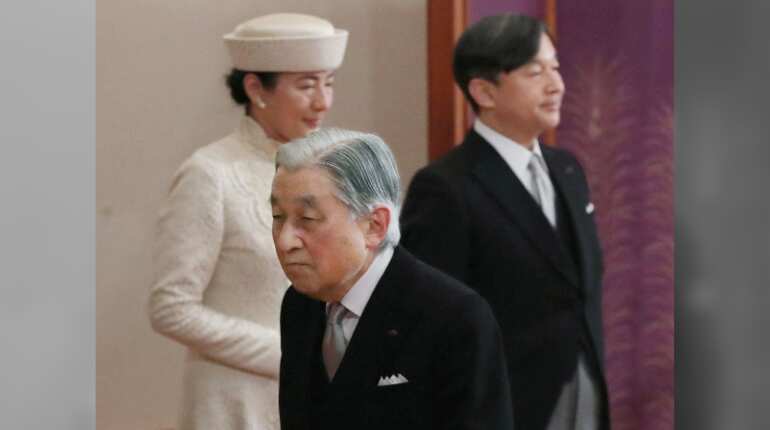
Emperor Meiji, who died in 1912, was the last monarch to have concubines, and cadet families were stripped of royal status by the Allied Occupation after Japan's World War Two defeat.
When parliament in 2017 enacted a special law to allow Akihito to abdicate - itself a controversial move for conservatives - lawmakers also adopted a non-binding resolution asking the government to consider how to ensure stable succession.
Abe's hope
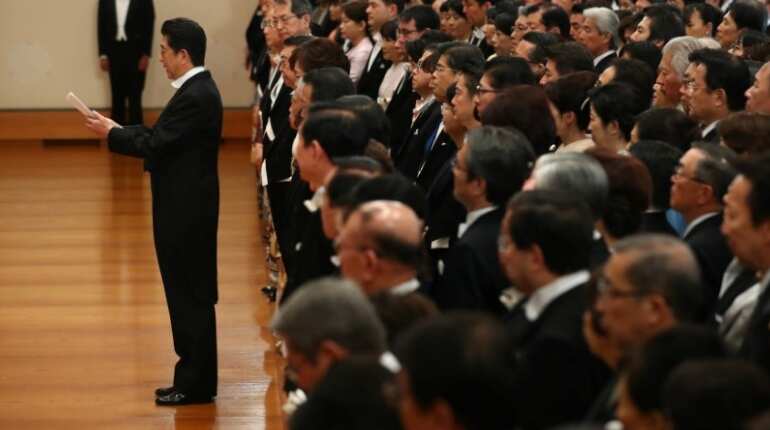
Japanese Prime Minister Shinzo Abe said Japan looked up to the emperor.
"We are determined to create, amidst the fast-changing international environment, a bright future for a proud Japan that is peaceful and full of hope," Abe said.
12-year-old Hisahito is second in line
12-year-old Hisahito is second in line.
One change could be to let female royals remain in the imperial family after marrying commoners, so they could at least share imperial duties.
But conservatives are cautious about that too as they see it as a first step towards female succession.
Test for new emperor as Trump set to visit Japan
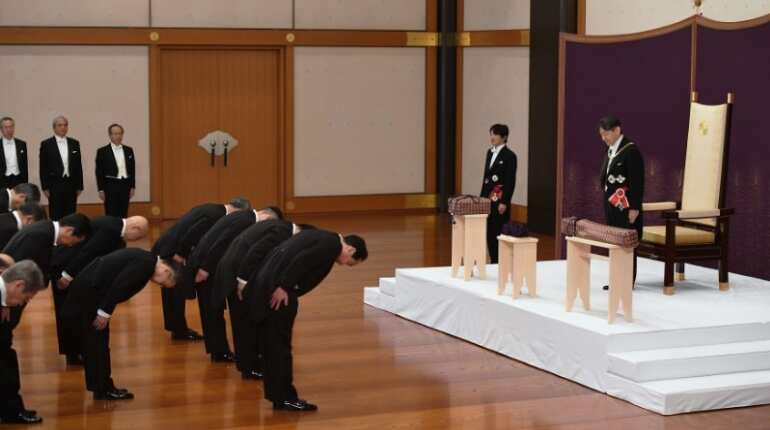
US President Donald Trump, who will be the new imperial couple's first diplomatic test when he visits Japan this month, extended his congratulations.
)
)
)
)
)