Japan wants to turn the Moon into Earth’s biggest power station: Here's how

Proposed by Shimizu Corporation after the Fukushima disaster, the Luna Ring envisions solar panels encircling the Moon to generate nonstop clean energy for Earth, transmitted via lasers or microwaves, though cost, technology, and logistics remain major hurdles.
Shimizu Corporation
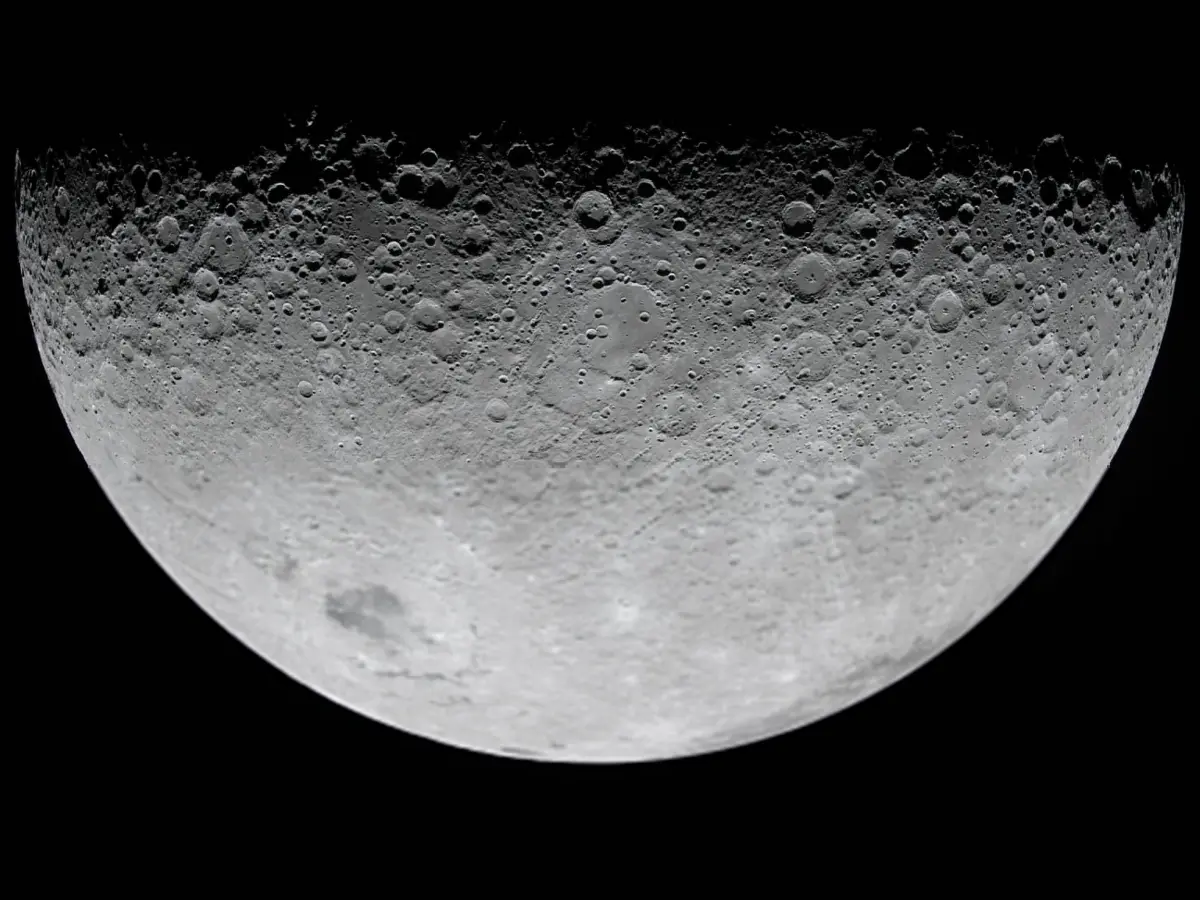
The idea was first proposed by Shimizu Corporation, in which a solar ring made of solar panels encircles the whole moon's surface to produce endless electricity for the Earth. The impossible idea was first offered a decade ago in 2011 after the Fukushima nuclear disaster, which prompted safer and cleaner energy solutions in Japan. It is called the Luna Ring, a massive belt of solar panels extending around the equator of the Moon to generate continuous power for Earth.
What is Japan’s lunar ‘solar ring’ project
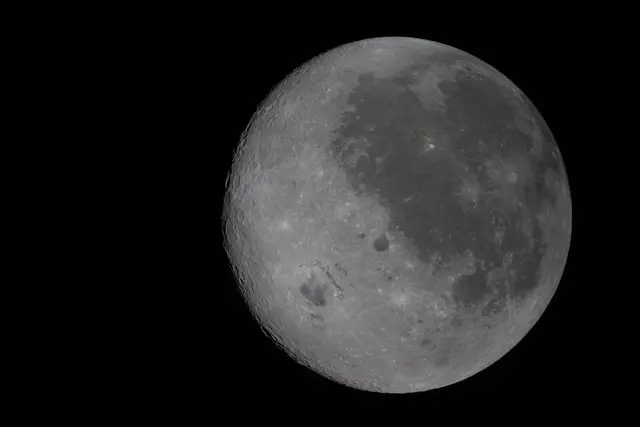
Lunar Solar Power (or the Luna Ring) is a large infrastructure project that would encircle the Moon with solar power cells along its equatorial belt. The Shimizu Corporation stated on its official concept page that it “will harness solar energy by placing solar panels in a belt around the Moon’s equator.” A proposed project stretching roughly 11,000 kilometres in length and several hundred kilometres in width could become one of the largest human-made structures ever imagined. The idea took shape as Japan began exploring alternative energy sources following the Fukushima disaster.
What is the Luna Ring?
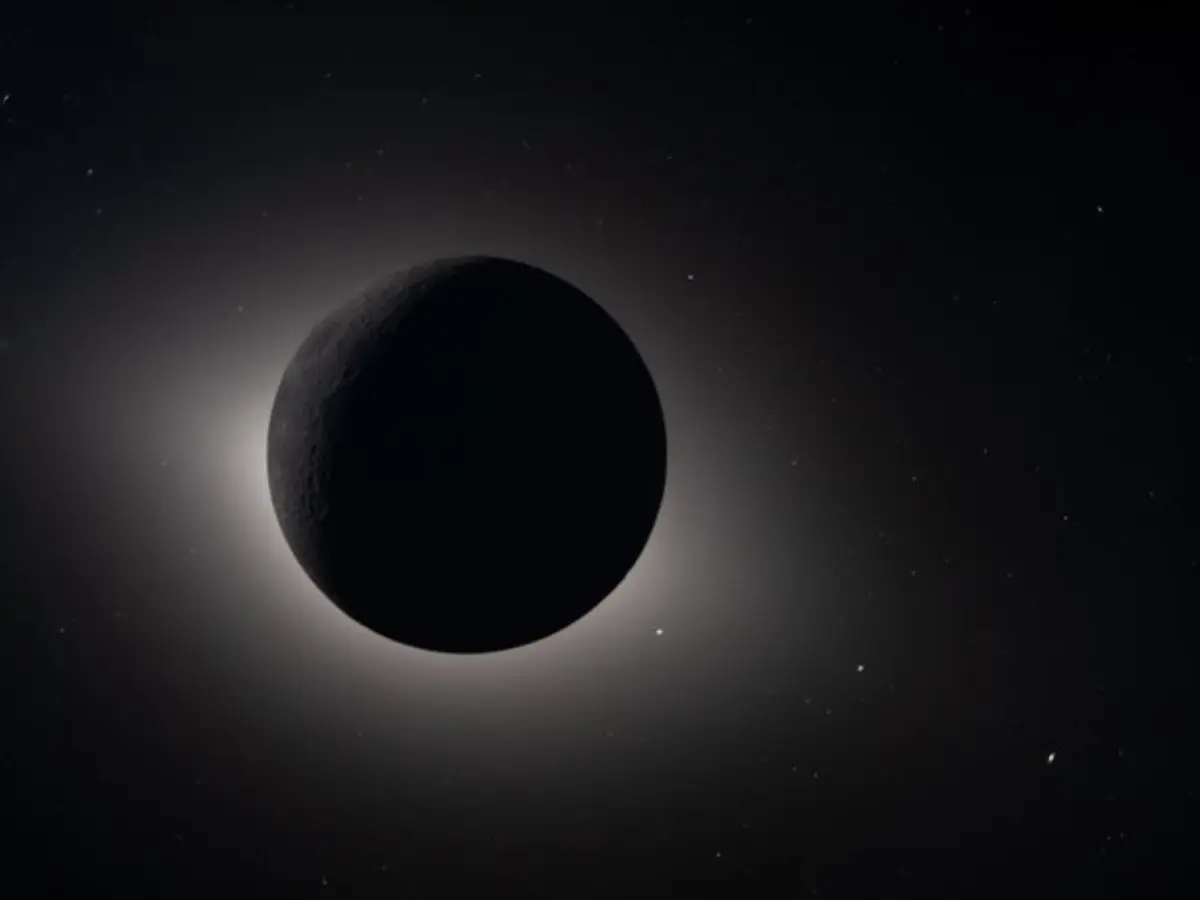
The Luna Ring is a concept for a massive belt of solar panels, about 6,800 miles long, positioned along the Moon’s equator. Unlike solar panels on Earth, these would not be affected by weather conditions or nightfall. With no atmosphere to block sunlight, and at least one side of the Moon constantly exposed to the Sun, the system could generate continuous power. Developers claim such space-based panels could produce up to 20 times more energy than those on Earth.
How would it send energy to Earth?
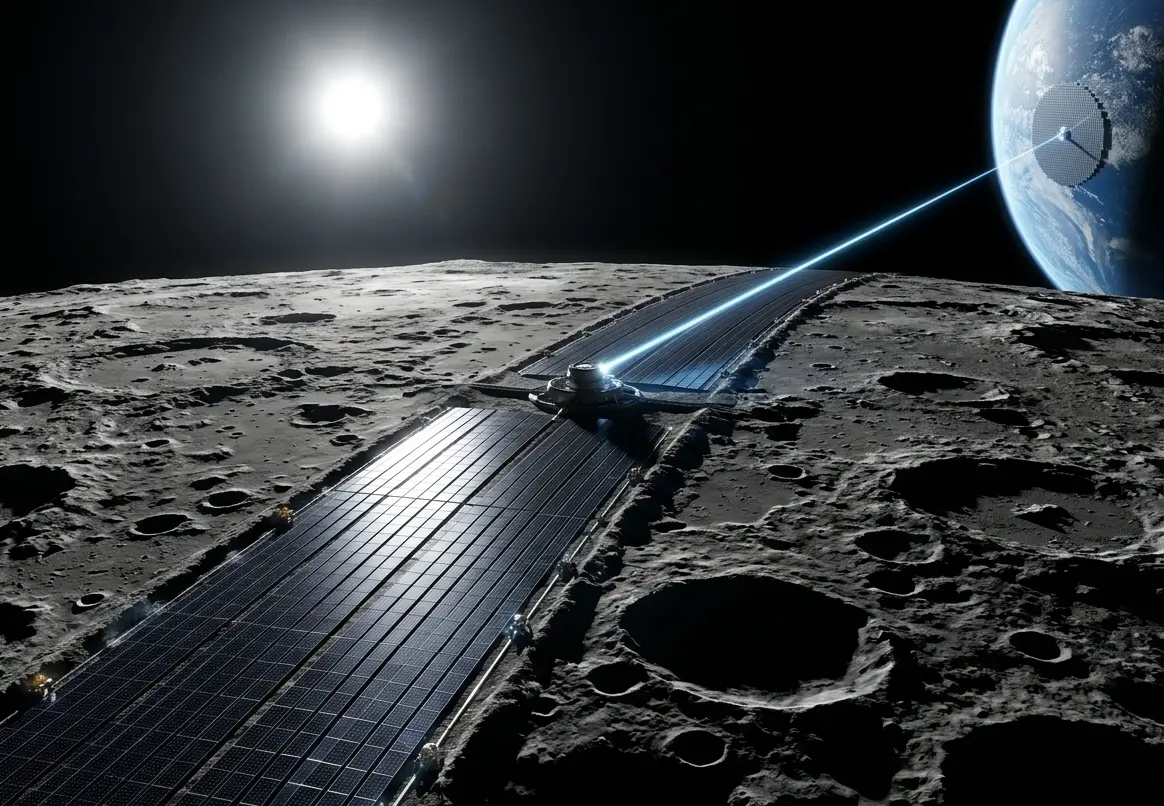
The solar panels would capture sunlight and convert it into electricity, which would then be transmitted to Earth using lasers or microwaves. On Earth, special receivers known as rectennas would convert this energy back into electricity for use. Because sunlight is always available on at least one side of the Moon, the system could operate non-stop, potentially generating around 13,000 terawatts, far exceeding current global energy needs.
What are the challenges?
First challenges in the project are the required construction of the infrastructure in space, which would need the application of cutting-edge robotics science that could be utilised to mine the soil and construct buildings on the moon. Second is the logistical issues, along with the costs of space transportation and delivery, collaboration with different nations, as well as safely transmitting energy over a distance of 384,000 kilometres. The creators of the Lunar Solar Ring called it a long-term project and suggested its initial plans with a timeframe of 2035.
)
)
)
)
)