Japan volcano eruption alert: Is Mount Fuji next? Understanding its history, science and recent eruptions

Mount Fuji, at 3,776 metres, is Japan’s tallest peak and an active stratovolcano. Its last eruption in 1707, known as the Hōei eruption, blanketed present-day Tokyo in ash.
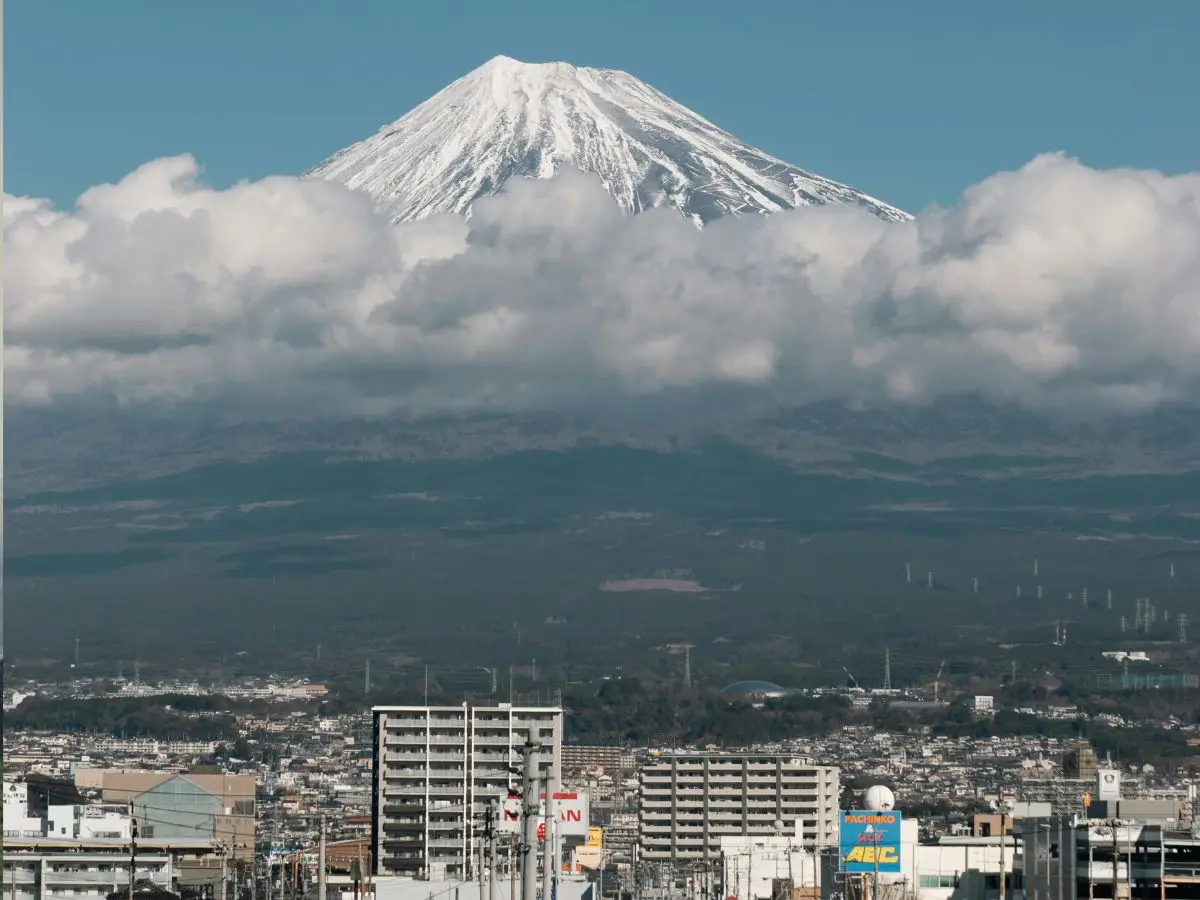
Shinmoedake Eruption Raises Fresh Concerns
Japan’s Mount Shinmoedake, part of the Kirishima mountain range in Kyushu, erupted on 2 July at 3:30 pm local time. The Japan Meteorological Agency (JMA) raised the volcanic alert level to 3, warning of falling rocks and possible pyroclastic flows within a 3-kilometre radius. Ashfall was recorded in parts of Miyazaki and Kagoshima prefectures. Authorities advised residents to stay indoors and travelers to delay plans. Contrary to a widely circulated 'mega disaster' prediction of Ryo Tatsuki, no major earthquake occurred on July 5. However, the eruption has renewed concerns about Japan’s volcanic risk.
What Is Mount Fuji and Why Is It a Concern?
Mount Fuji, at 3,776 metres, is Japan’s tallest peak and an active stratovolcano. Its last eruption in 1707, known as the Hōei eruption, blanketed present-day Tokyo in ash. It created a new crater and caused widespread crop failure and flooding.
Fuji remains quiet but active. Government modelling suggests that a similar eruption today could disrupt life in Tokyo and surrounding regions. Even small ash deposits could shut down transport, power grids and logistics networks. The potential economic damage is estimated at over 2.5 trillion yen.
Could Mount Fuji Erupt Now?
Experts agree Mount Fuji is overdue by geological standards. While the JMA currently lists it at Alert Level 1 (normal), ongoing monitoring continues.
Risk indicators include:
-Magma pressure buildup
-Volcanic gas emissions
-Earthquakes near the crater
-Deformation detected via GPS
In 2023–2024, minor seismic swarms were observed. While no eruption followed, the volcano remains under constant surveillance.
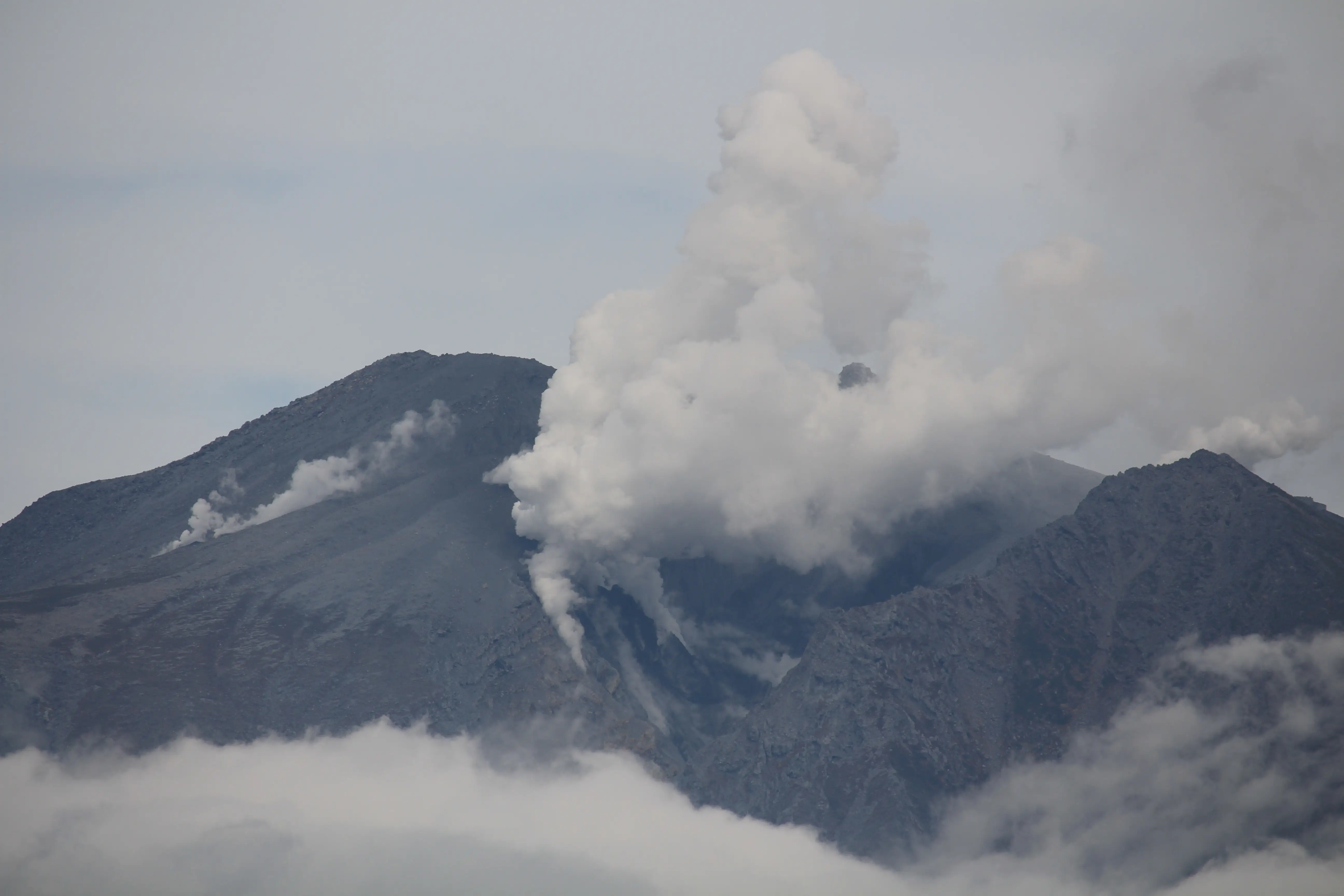
Last Deadly Volcanic Eruption, Mount Ontake
The most recent deadly eruption in Japan occurred at Mount Ontake on 27 September 2014. It was a sudden phreatic (steam-driven) explosion that killed 63 hikers with no prior warning. Mount Ontake had not erupted significantly since 2007 and was not under an elevated alert level at the time. The event shocked authorities and led to revised monitoring strategies.
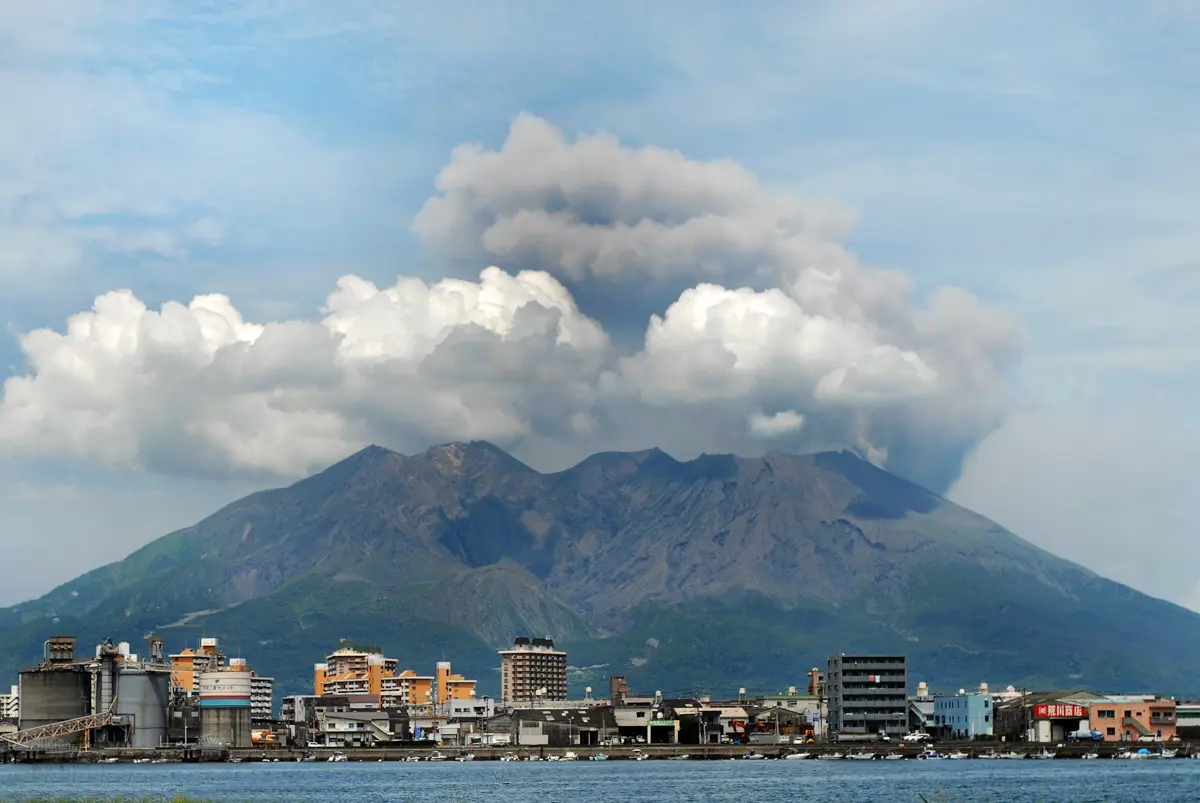
Major Active Volcanoes in Japan
Japan has 111 active volcanoes. Around 50 are under constant monitoring. Some of the most active include:
1. Mount Fuji – last erupted in 1707
2. Sakurajima – near-daily activity
3. Mount Aso – frequent gas and ash emissions
4. Mount Shinmoedake – erupted in 2011, 2018, and 2025
5. Mount Asama – last erupted in 2019
6. Mount Unzen – deadly eruption in 1991
7. Tokachi and Meakan (Hokkaido) – historically active
8. Izu-Oshima and Suwanosejima – frequent small eruptions
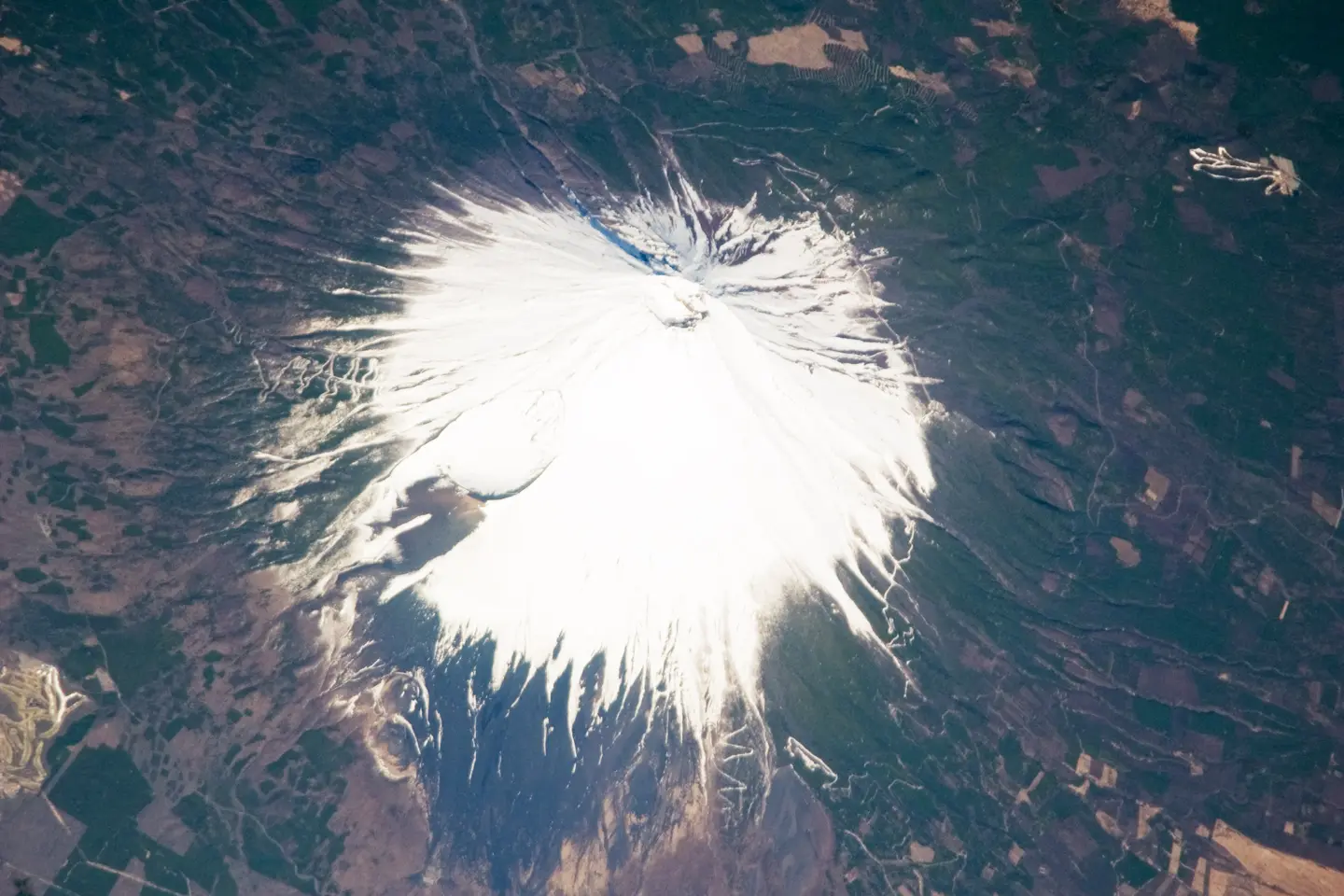
Readiness and Monitoring Efforts
Japan’s Meteorological Agency uses a five-level alert system for volcanic activity. Satellite imaging, gas detection, and seismic data are used to anticipate eruptions. In case of a Fuji eruption, residents will be advised to shelter indoors and stock at least two weeks’ worth of supplies. Even without visible activity, the risk remains. Authorities continue to urge caution, especially in highly populated areas near major volcanoes.
)
)
)
)
)