Japan goes global on arms: Is Tokyo planning to become a weapons export giant while US war machine runs thin?

The policy change removes five long-restricted export categories, previously limiting most sales to non-combat equipment such as rescue, transport, surveillance, warning and mine-sweeping systems.
Japan’s Strategic Shift in Defence Exports
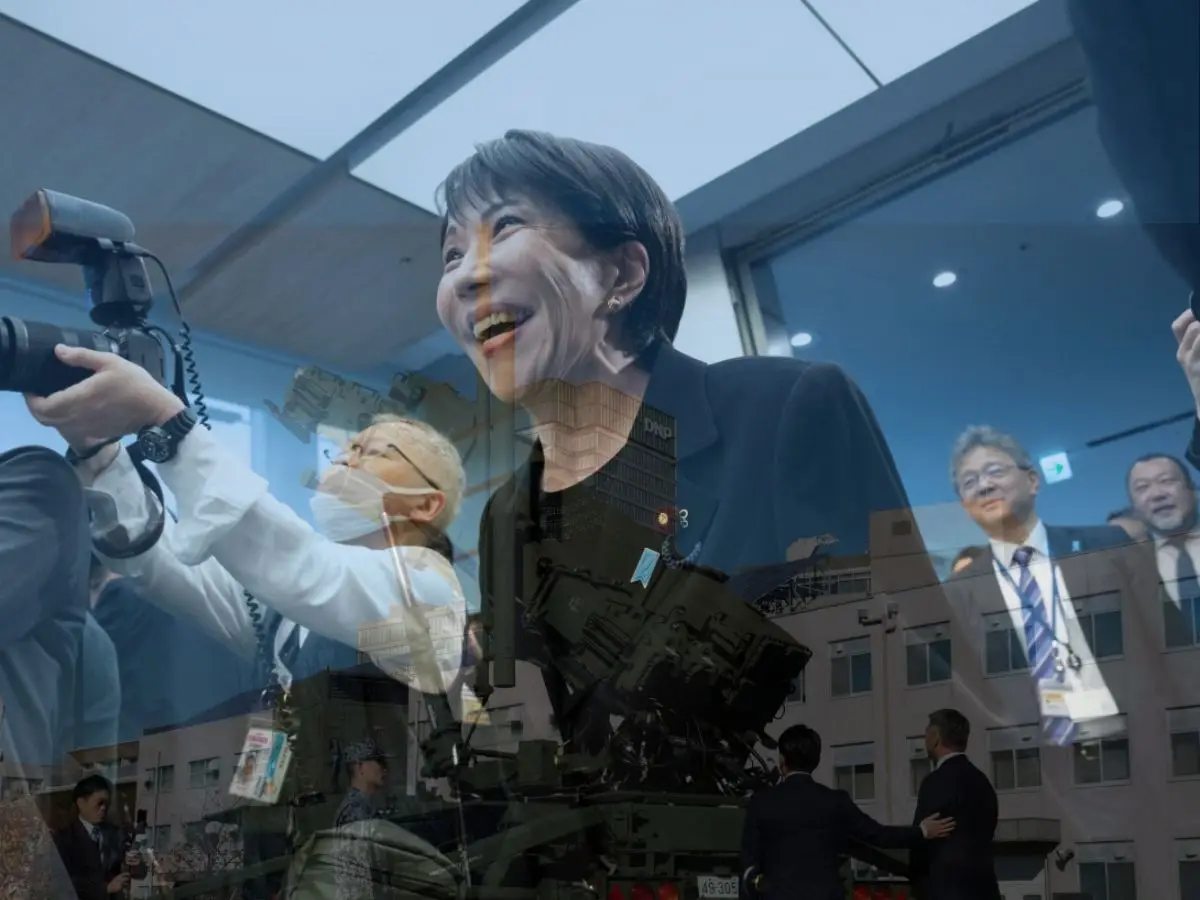
Japan on Tuesday unveiled its most sweeping overhaul of defence export rules in decades, effectively dismantling long-standing restrictions on overseas arms sales. The reform opens the door to exports of warships, missiles and other advanced military systems, marking a significant departure from the pacifist constraints that have defined Japan’s post-war security posture. Officials say the move is designed to strengthen the country’s defence industrial base amid rising global insecurity.
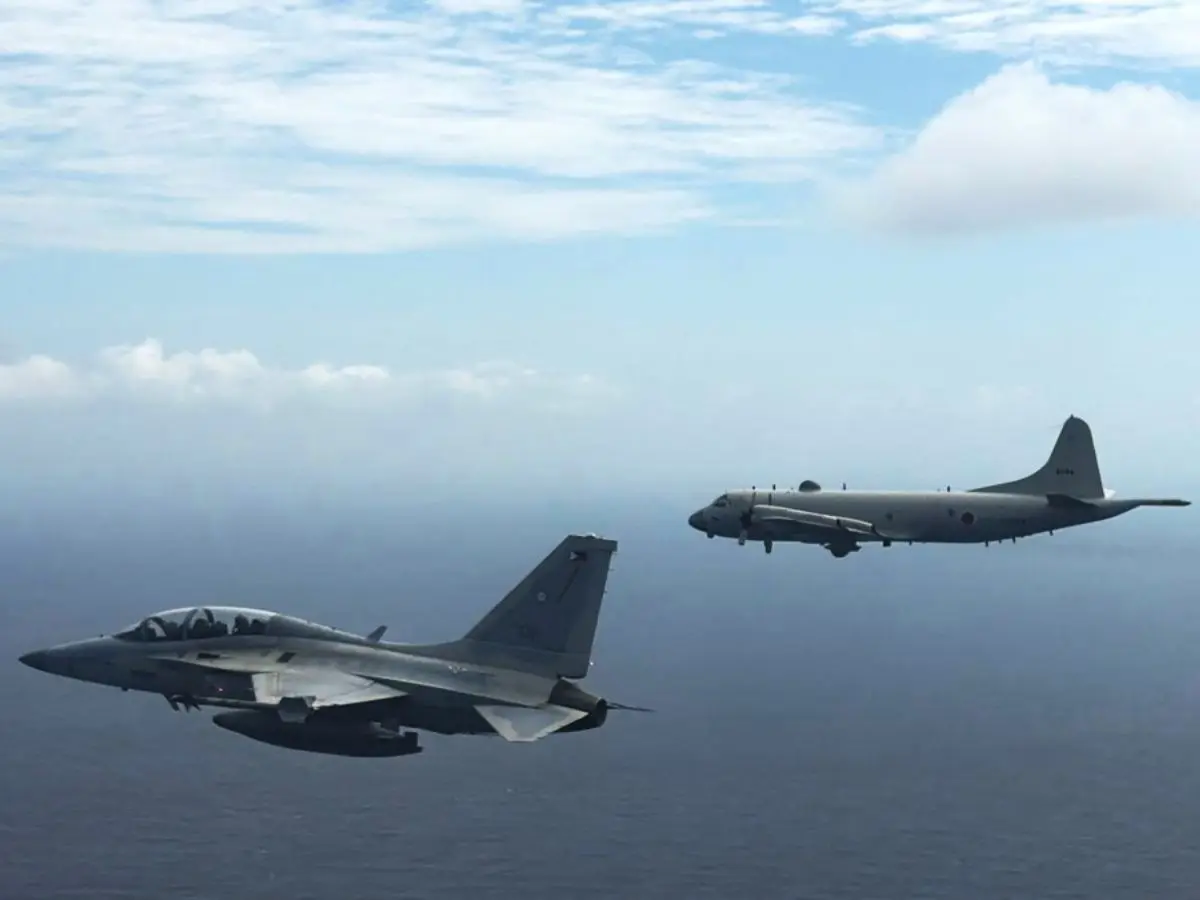
From Pacifism to Pragmatism
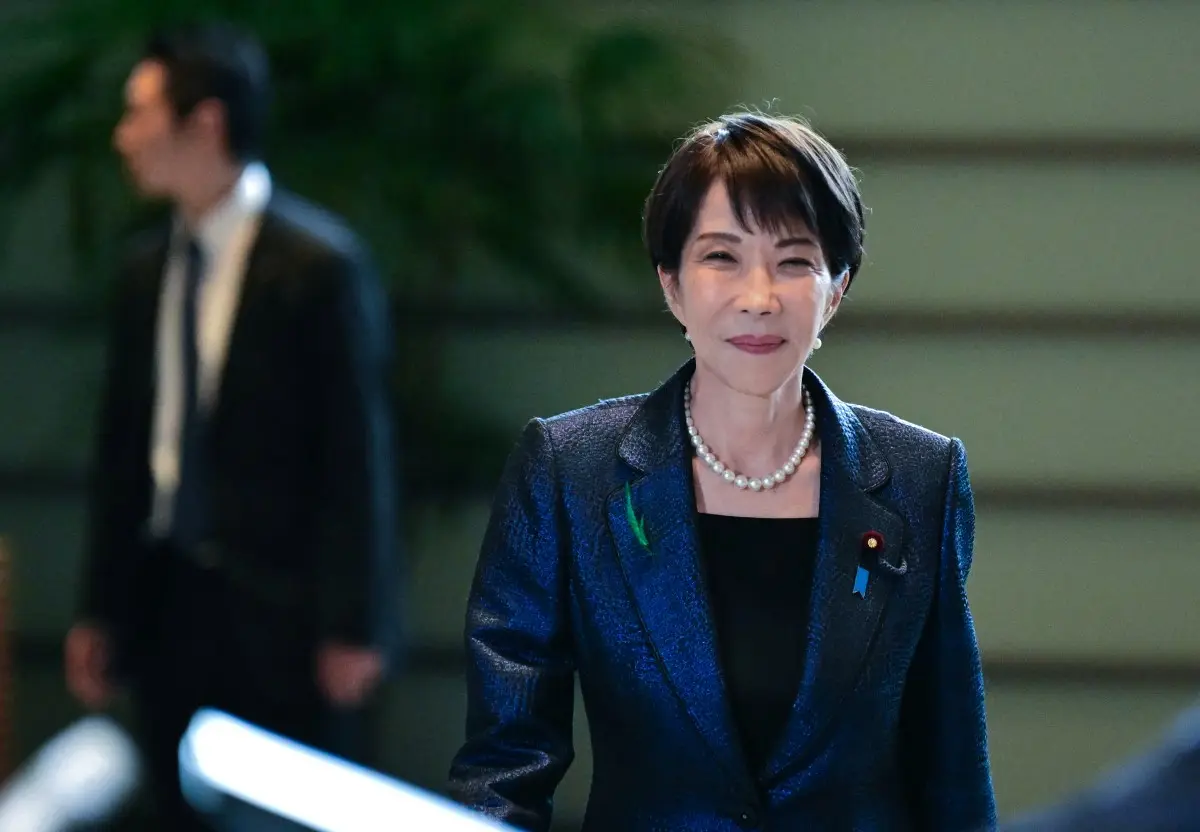
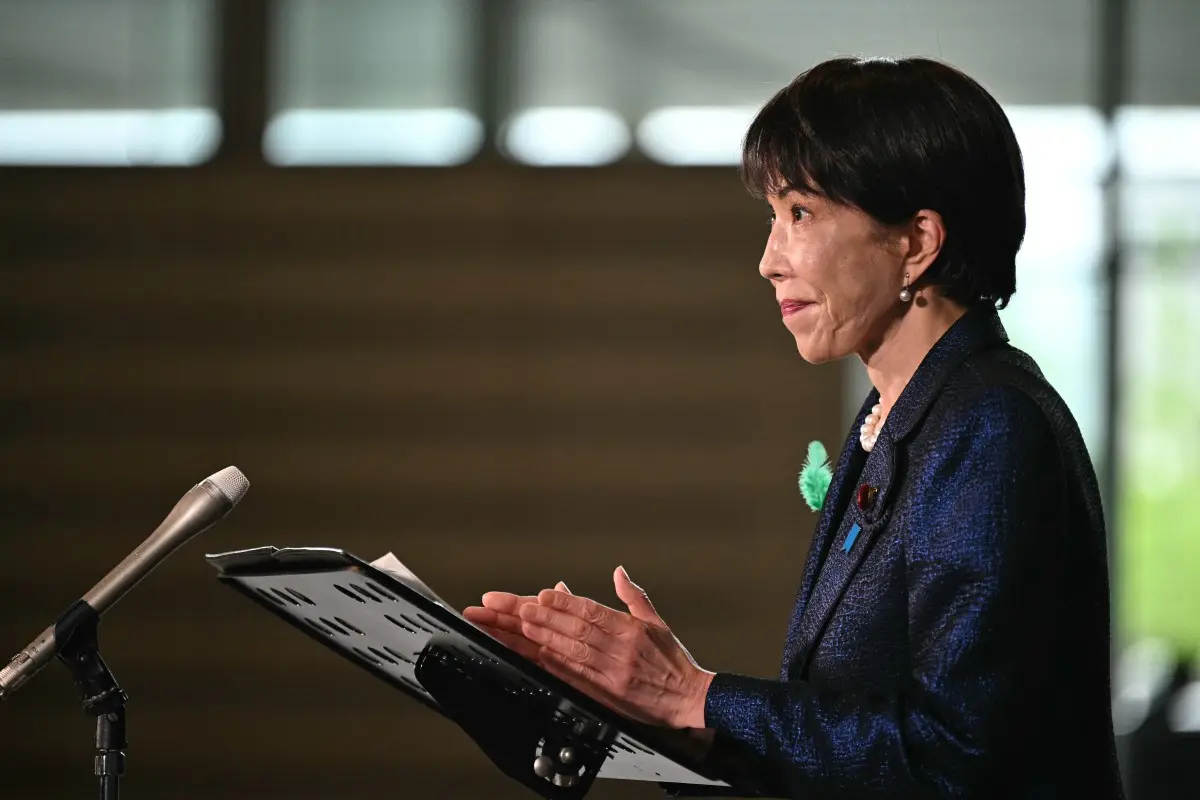
The policy revision approved by Takaichi's government removes five long-restricted export categories, previously limiting most sales to non-combat equipment such as rescue, transport, surveillance, warning and mine-sweeping systems. Going forward, each proposed export will be assessed individually by ministers and officials. While Japan retains three core principles, strict screening, limits on third-country transfers and a ban on exports to conflict states, exceptions may now be made ‘when deemed necessary for national security.’
Global Demand and Strategic Timing
Wars in Ukraine and the Middle East have strained US weapons production, while uncertainty over Washington’s long-term commitments has pushed allies to diversify suppliers. Against this backdrop, Japanese officials and diplomats told Reuters that countries including Poland and the Philippines are exploring procurement options. Early discussions reportedly include the possible export of used warships to Manila, signalling how quickly demand is emerging.
Alliance Messaging and US Response
"This historic step will not only enhance the defense capabilities of countries collaborating with the Japan-U.S. alliance but also strengthen our collective capacity to maintain peace throughout the region and safeguard freedom even further," George Glass, the US Ambassador to Japan, said on X.
Industrial Base and Economic Logic
Tokyo also sees the reforms as essential to revitalising its defence industry. Firms such as Mitsubishi Heavy Industries Mitsubishi Heavy Industries have long relied on limited domestic orders, driving up costs and inefficiencies. As defence expert Jeffrey Hornung of the RAND Corporation was quoted by Reuters saying, expanding exports could improve “economies of scale” and “pump some new life into Japan’s industrial base.”
Rearmament and Future Strategy
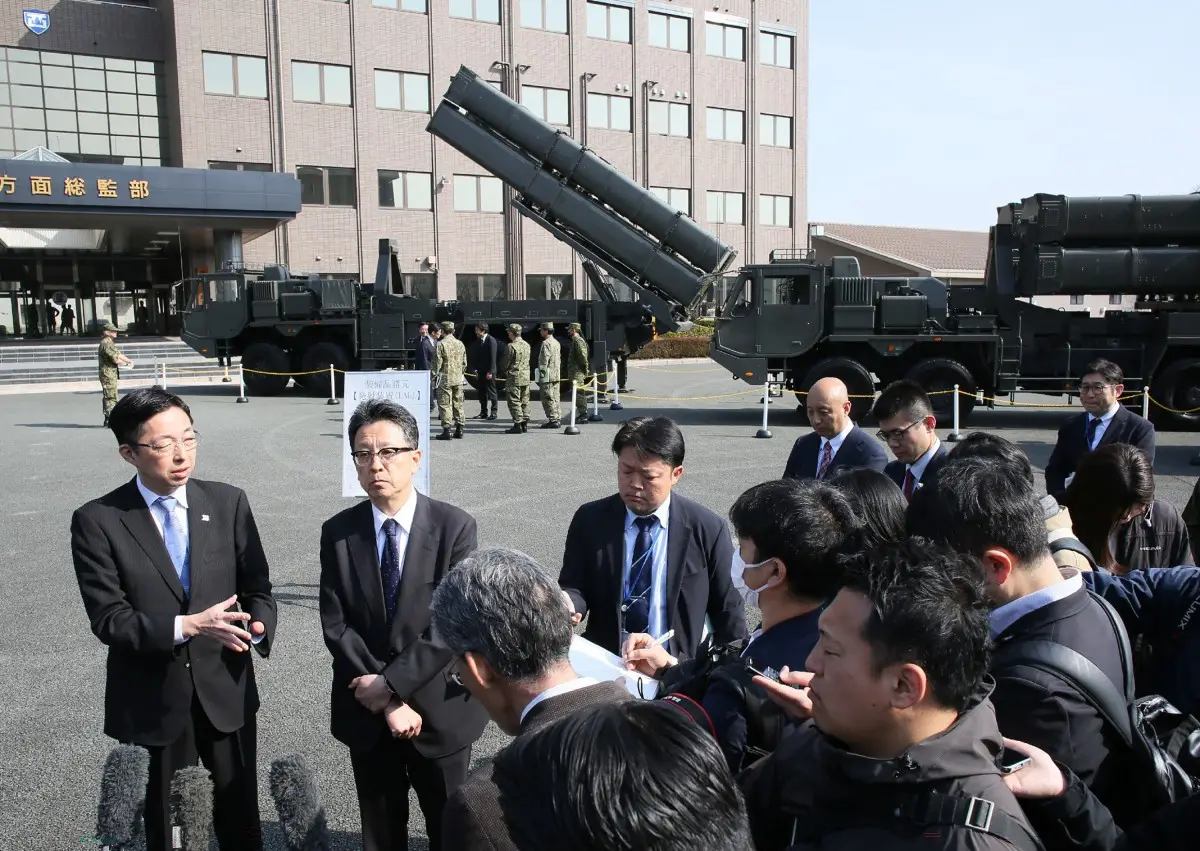
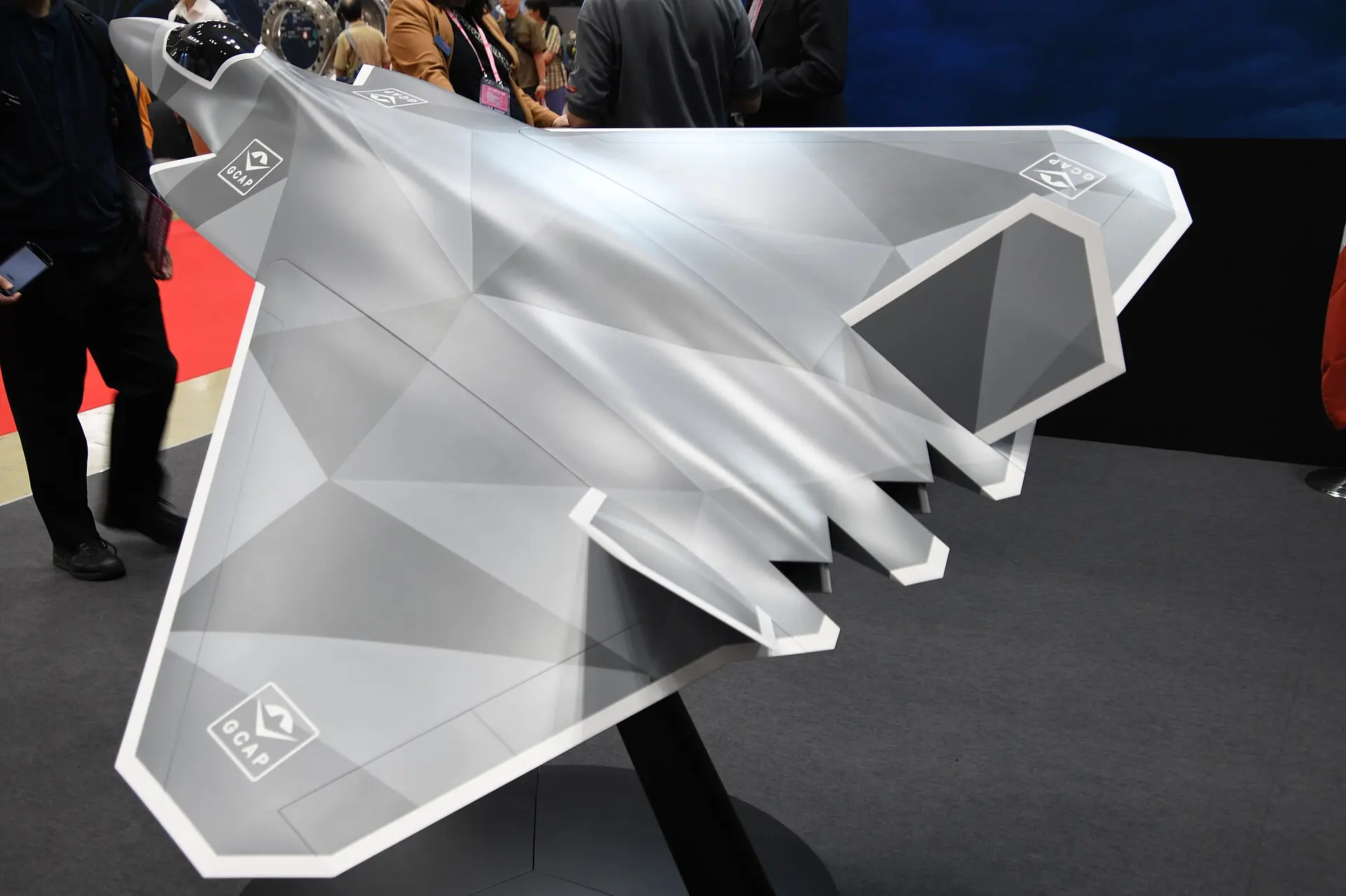
Japan is simultaneously accelerating its own military build-up, purchasing missiles, stealth aircraft and drones to counter perceived threats from China. It is also co-developing a next-generation fighter jet with Britain and Italy for deployment in the 2030s. Defence spending has already reached 2 per cent of GDP, with further increases expected under upcoming security reviews.
)

)
)
)