Japan megaquake warning: Second warning issued by alert system. Here is how it works

Japan was struck by a 7.4 magnitude earthquake on Monday (April 20), resulting in tsunami waves. The country has a megaquake warning system in place, which triggered a warning for the first time in December 2025.
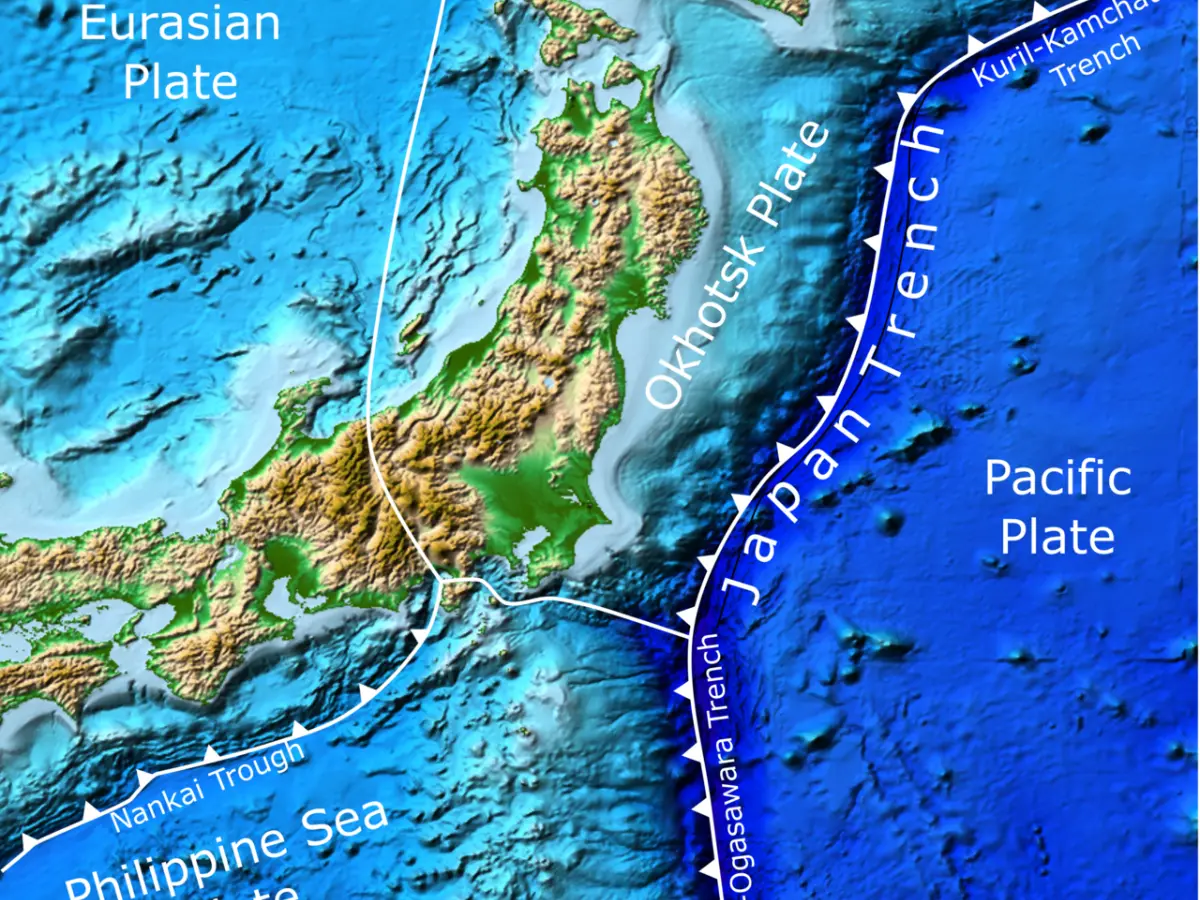
Japan's precarious location over the ring of fire
The Japan Meteorological Agency has issued a megaquake warning following the 7.7 magnitude temblor that struck Honshu on Monday (April 20). A megaquake is an earthquake measuring 8 or higher. This is the second such warning from a system that has been in place since 2022. The first time it triggered an alert was in December 2025. The country witnesses frequent earthquakes because it sits directly on top of the "Pacific Ring of Fire”. It is a highly active seismic zone as four major tectonic plates collide and subduct here. The Pacific, Philippine Sea, Eurasian, and North American plates create a unique conjunction under Japan.
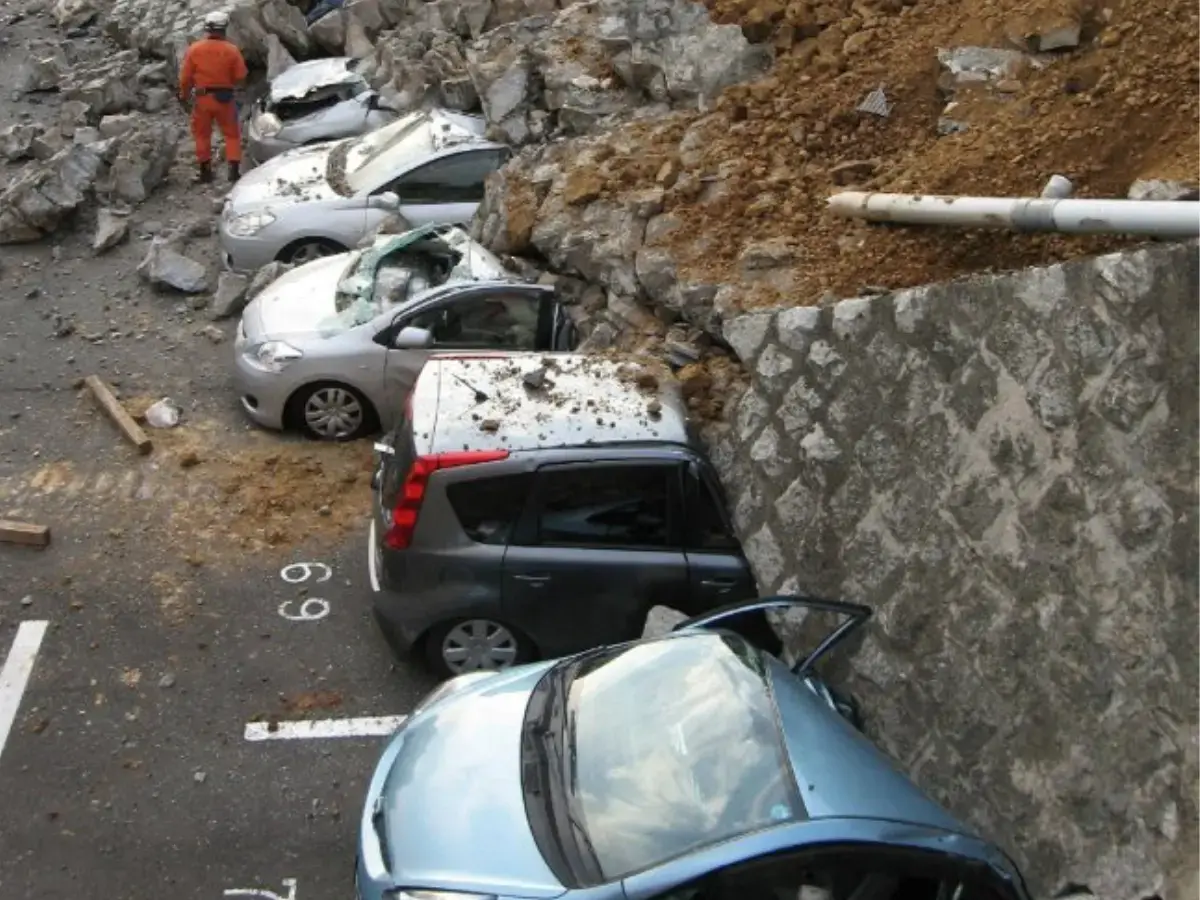
Japan earthquake and tsunami
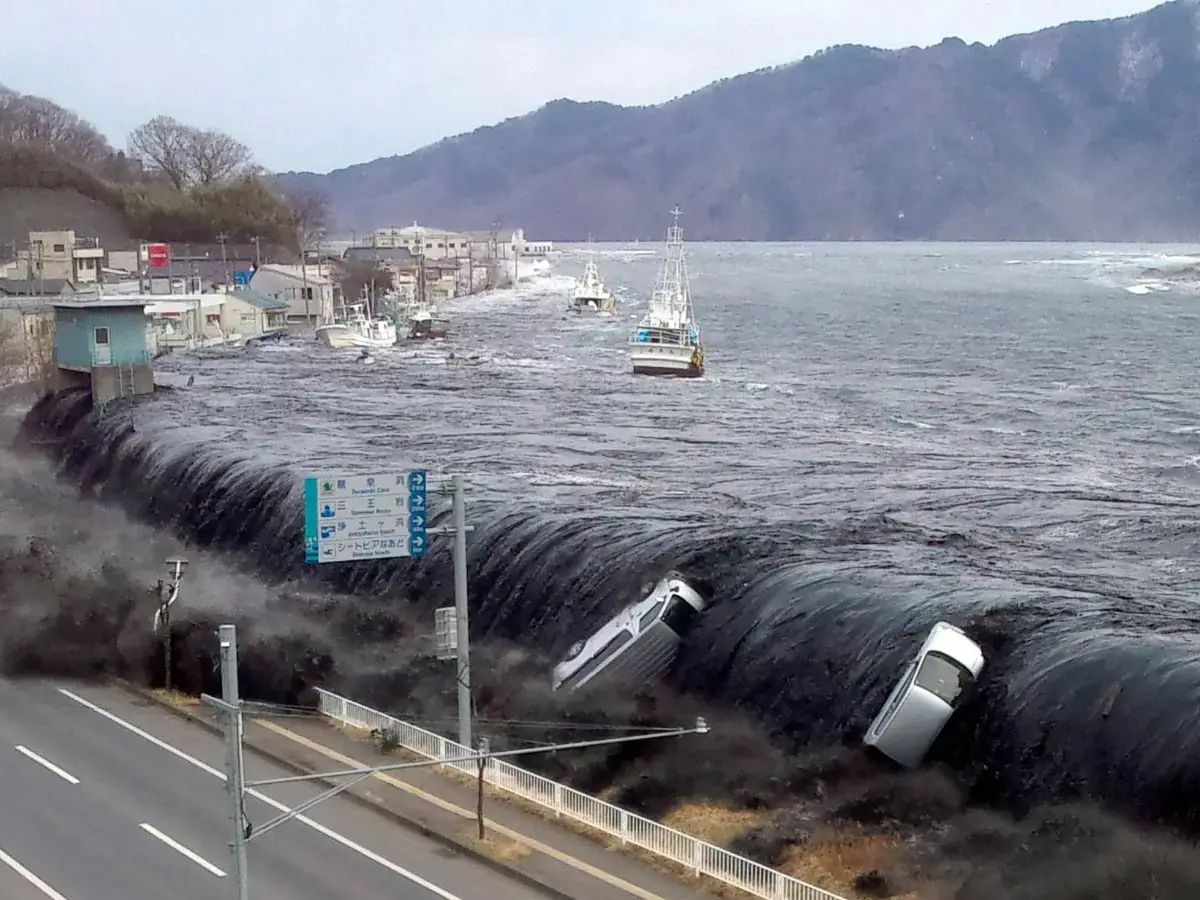
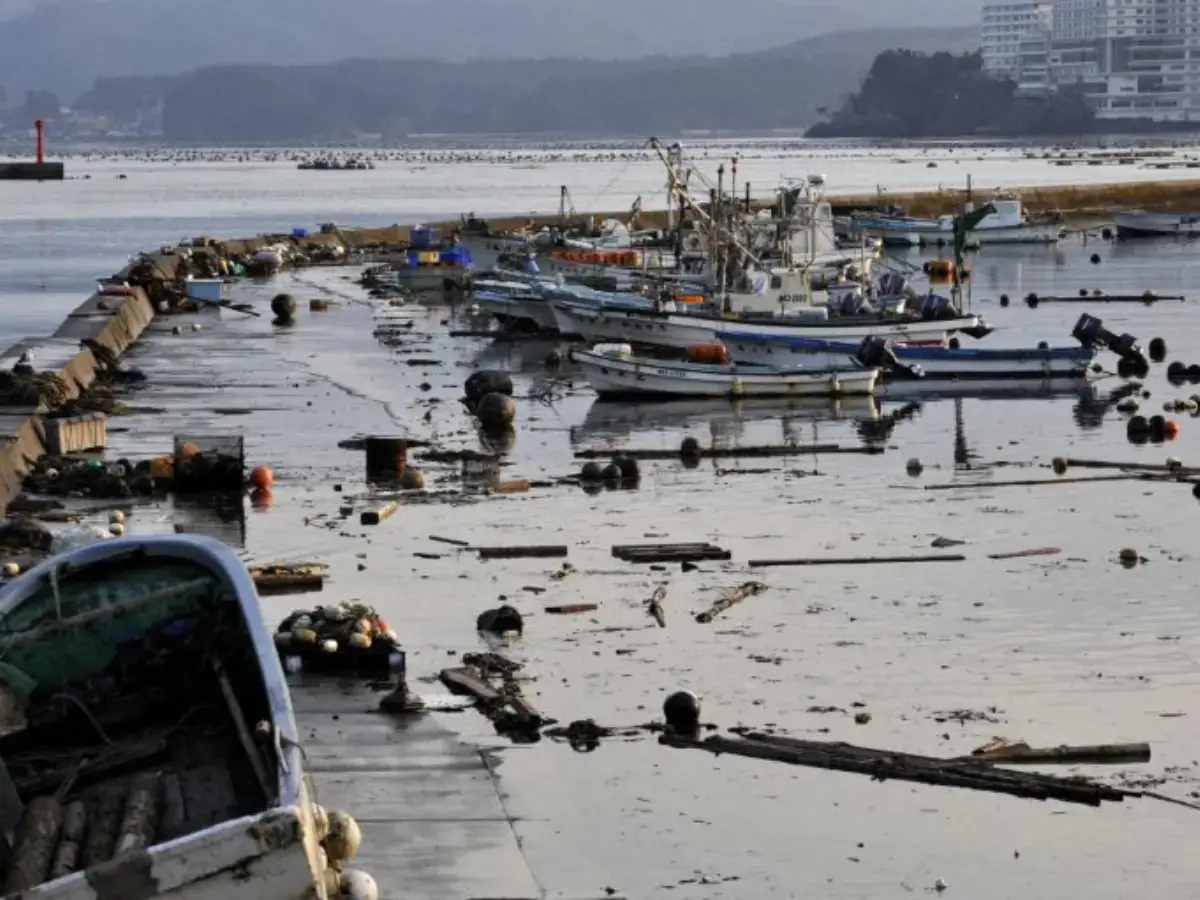
On Monday (April 20), a 7.7 magnitude earthquake struck off the Sanriku Coast in Honshu. Tsunami waves measuring 40 metres were reported in Iwate Prefecture, while Hokkaido was also in the line of fire. While predicting earthquakes remains difficult, there is something Japan has been doing that can help prepare for a major disaster.
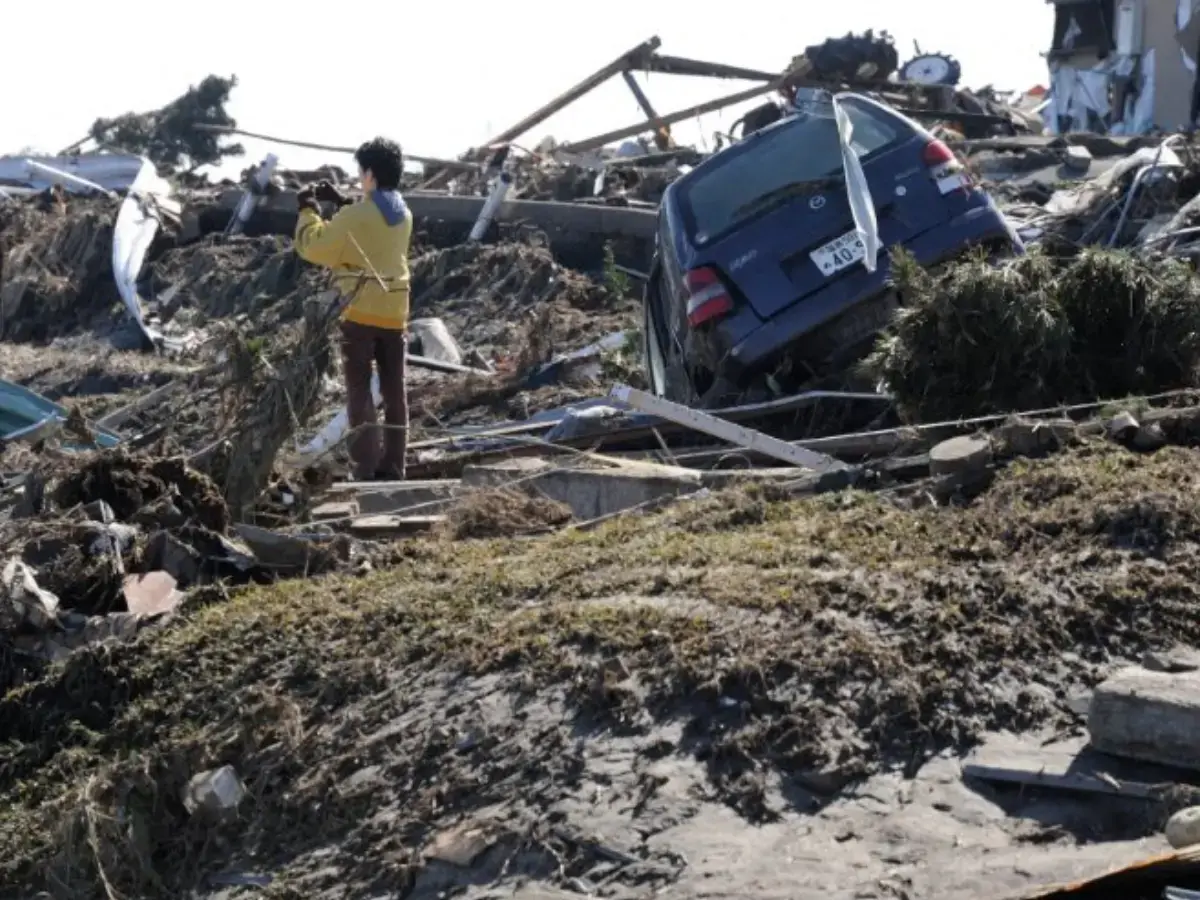
Japan can predict megaquakes
Japan has a system in place that can predict megaquakes. In December 2025, the country issued its first megaquake warning since the new Earthquake Early Warnings System was launched in 2022. While it does not predict the first strike, the system can tell whether a major earthquake will follow a 7 magnitude temblor.
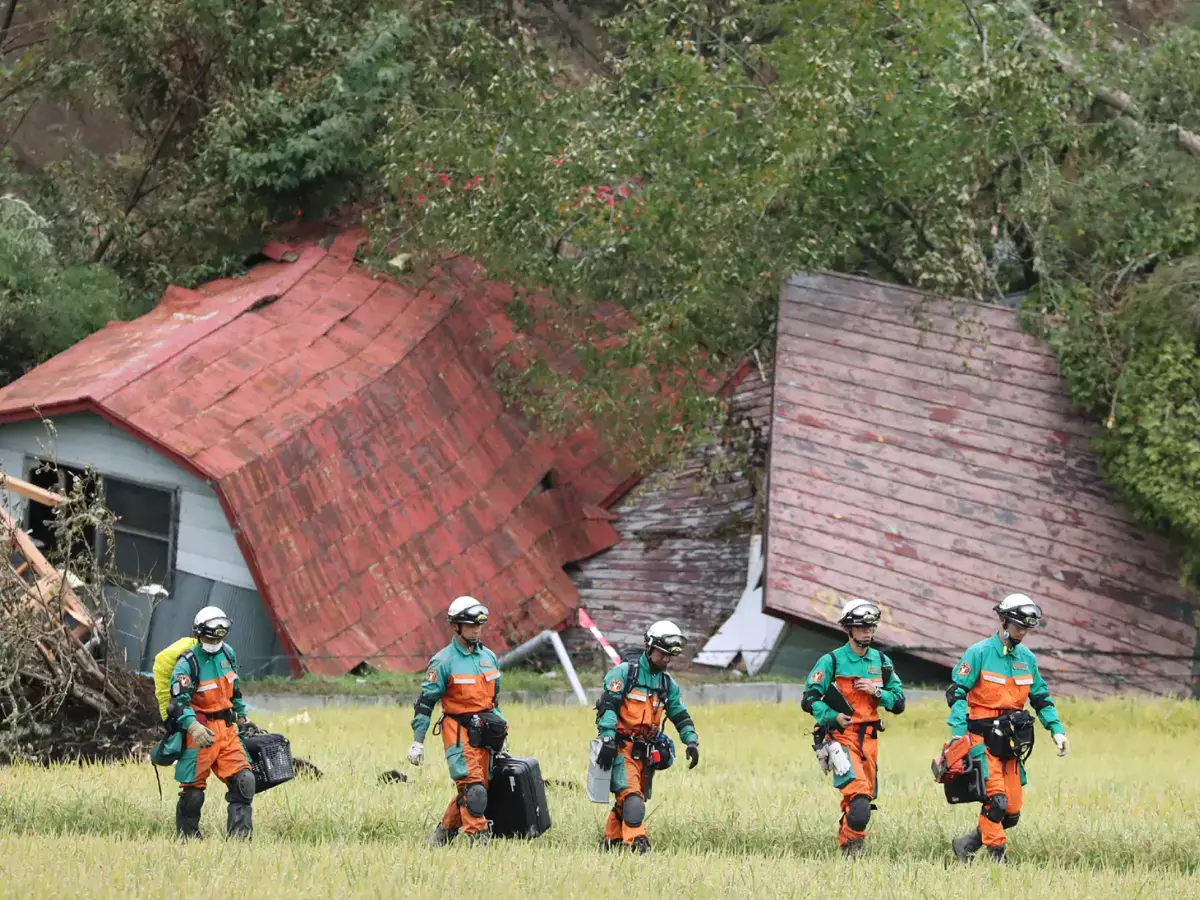
First official warning for a megaquake was issued in December 2025
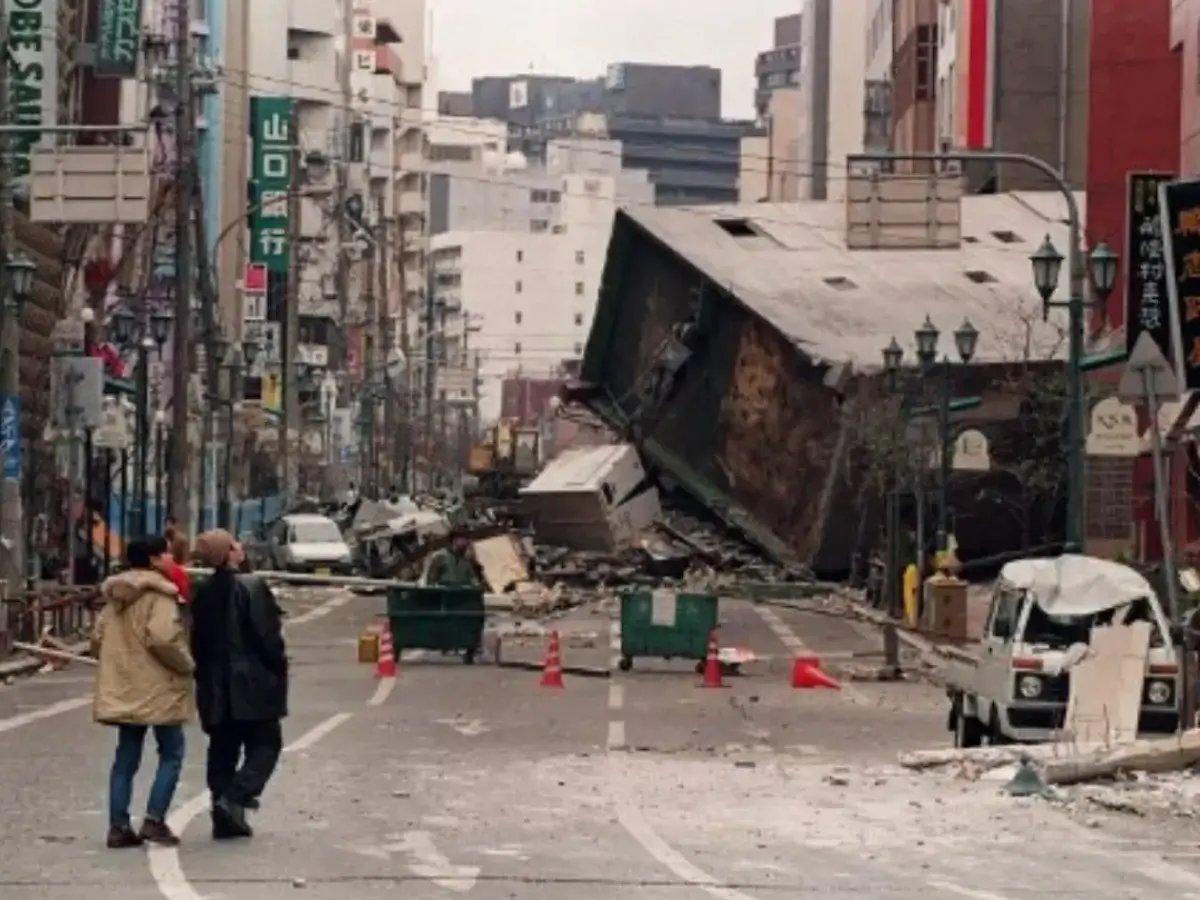
After Japan was struck by a 7.5 magnitude earthquake on December 8, authorities warned people to remain alert and issued their first official warning for a megaquake, a temblor that measures magnitude 8 or higher. They can prove extremely devastating, triggering tsunamis, destroying infrastructure and threatening lives.
Japan has an early warning system since 2007
According to the Japan Meteorological Agency (JMA) website, the early warning system has been in place since around 2007. It worked to detect signs of an incoming earthquake and sent Earthquake Early Warnings to people so they are able to evacuate. It sends alerts as soon as it picks up hints of a big one, and can even tell how intense the earthquake would likely be.
System was updated to predict megaquake which is activated after a magnitude 7.0 or higher quake
However, the Headquarters for Earthquake Research Promotion (HERP) and the JMA updated this system in 2022. Known as the "Hokkaido–Sanriku-offshore Aftershock Earthquake Alert Information" (English translation for its Japanese name), it is a "foreshock-based alert" system focused on larger earthquakes. It is activated after a magnitude 7.0 or higher earthquake occurs in key subduction zones, like the Japan Trench or Chishima Trench.
Warning remains active for seven days
Warnings are immediately sent out so residents can prepare for what is called a megaquake. People in Japan have guidelines on what to do in such a situation, including quick evacuations and having emergency supplies handy. They are supposed to review local evacuation routes and secure heavy items inside the home, and have enough food, water, and portable sanitation for several days. The warning remains in place for seven days, which means people are prepared for an extreme scenario, which helps avoid loss of life.
)
)
)
)
)