James Webb Telescope: 6 shocking misconceptions about NASA's space machine

Many get the James Webb Space Telescope wrong. Know 6 surprising truths that change what we think about this space explorer. Find out what you might have misunderstood.
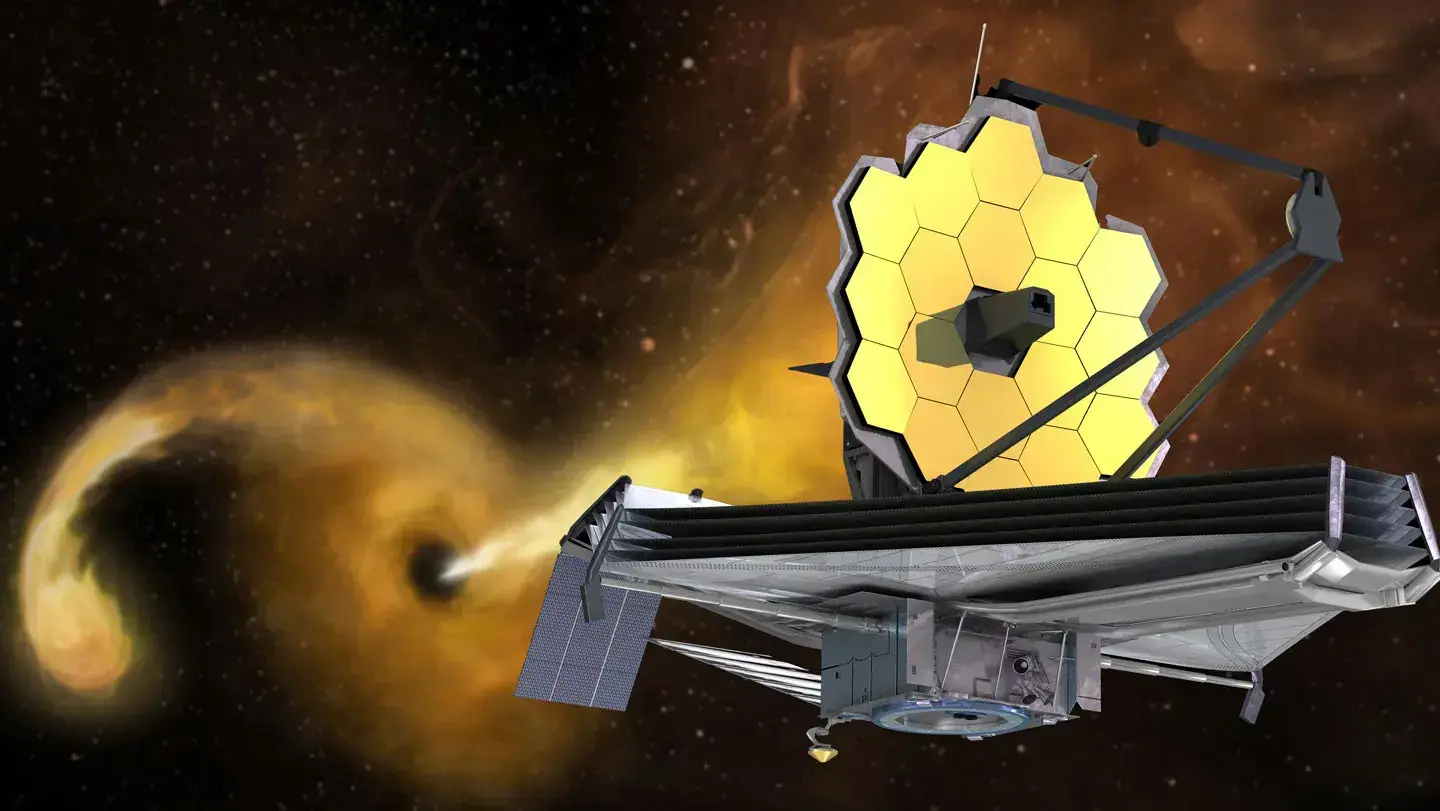
The JWST Is Not Just a Bigger Hubble
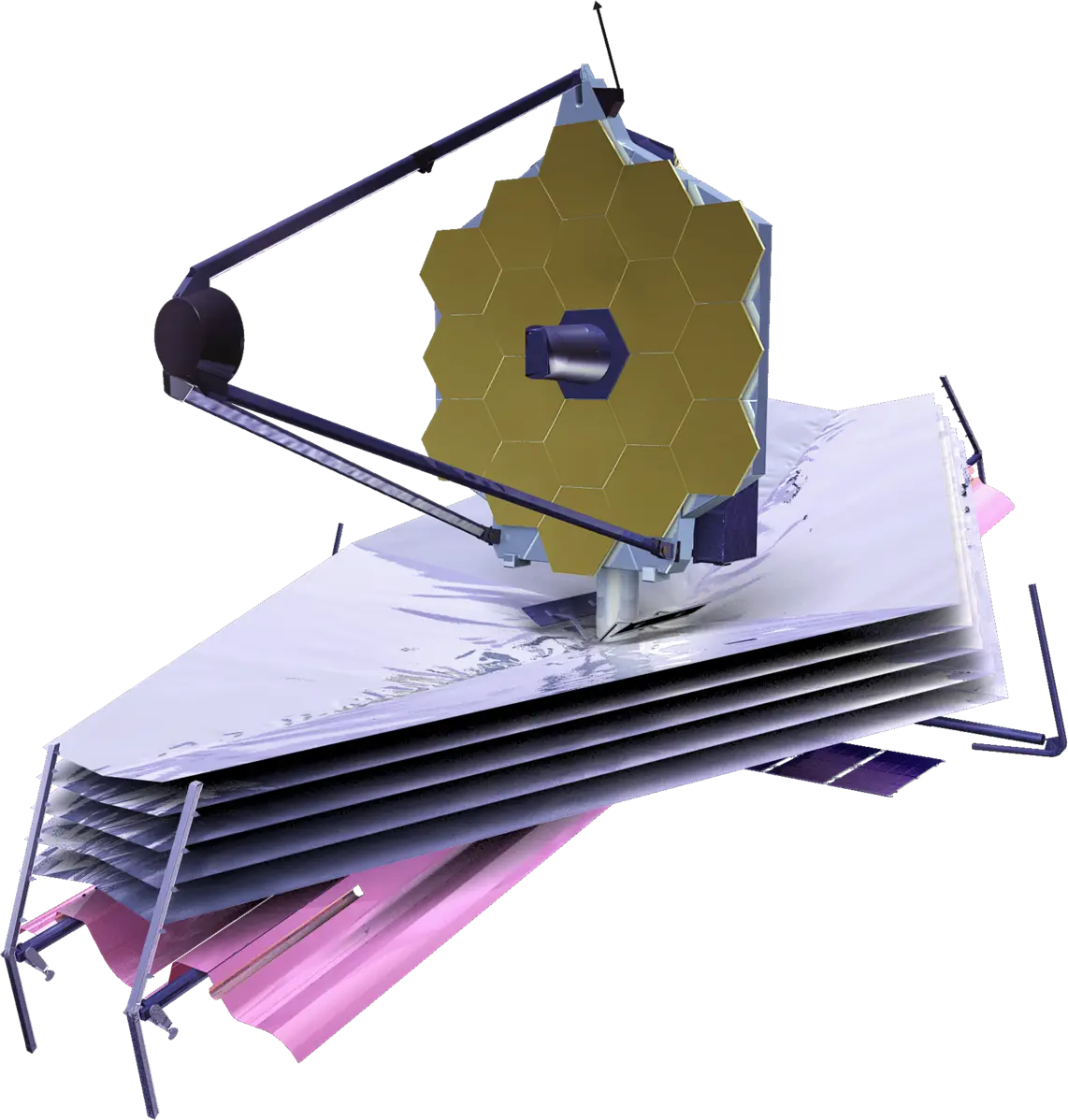
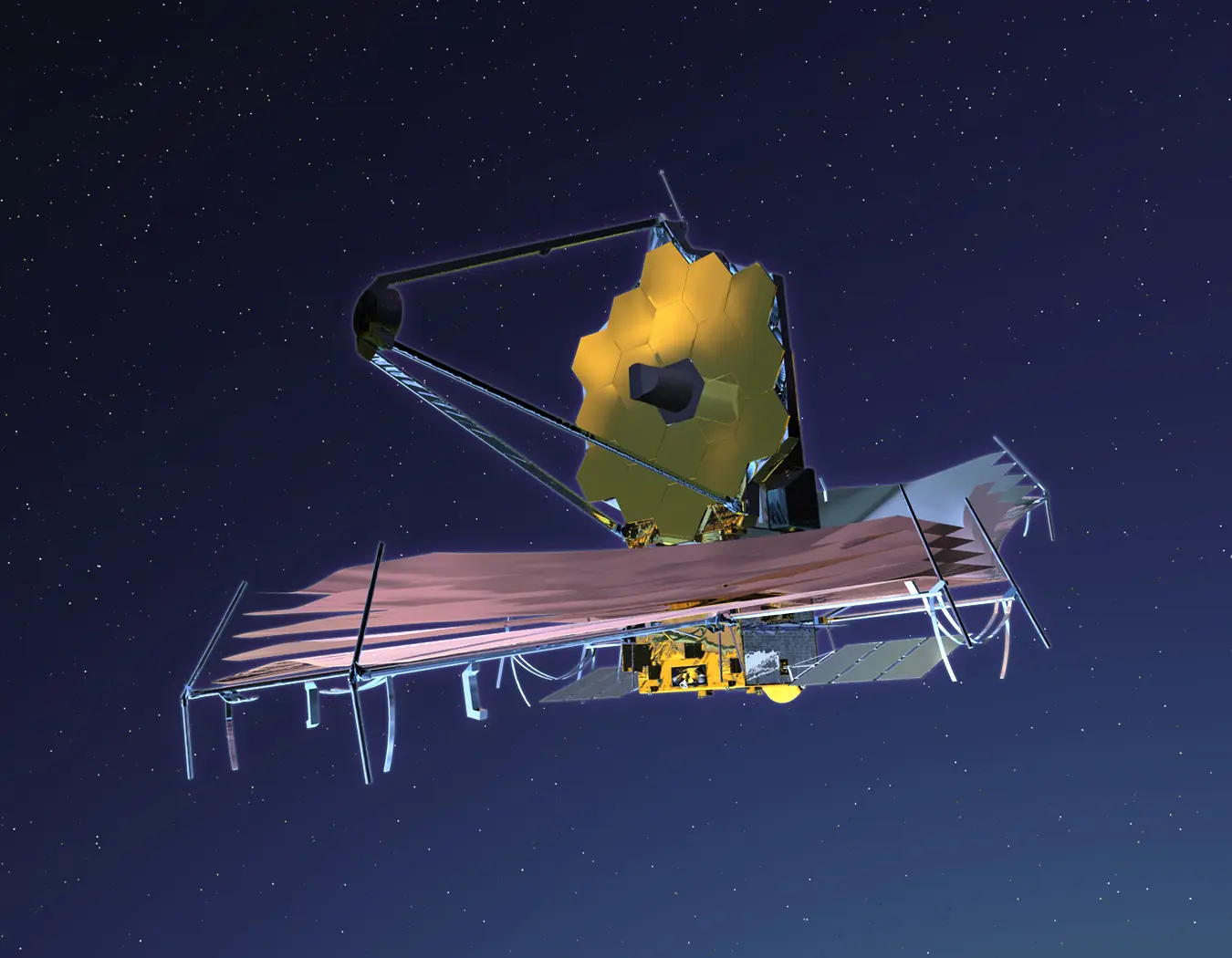
According to NASA’s official website, the James Webb Space Telescope (JWST) is very different from the Hubble Telescope. Unlike Hubble, which mostly sees visible light, JWST mainly observes infrared light. This key difference lets it look through cosmic dust and observe objects far deeper in space, allowing unique discoveries. Its larger mirror helps, but the main power is its infrared ability.
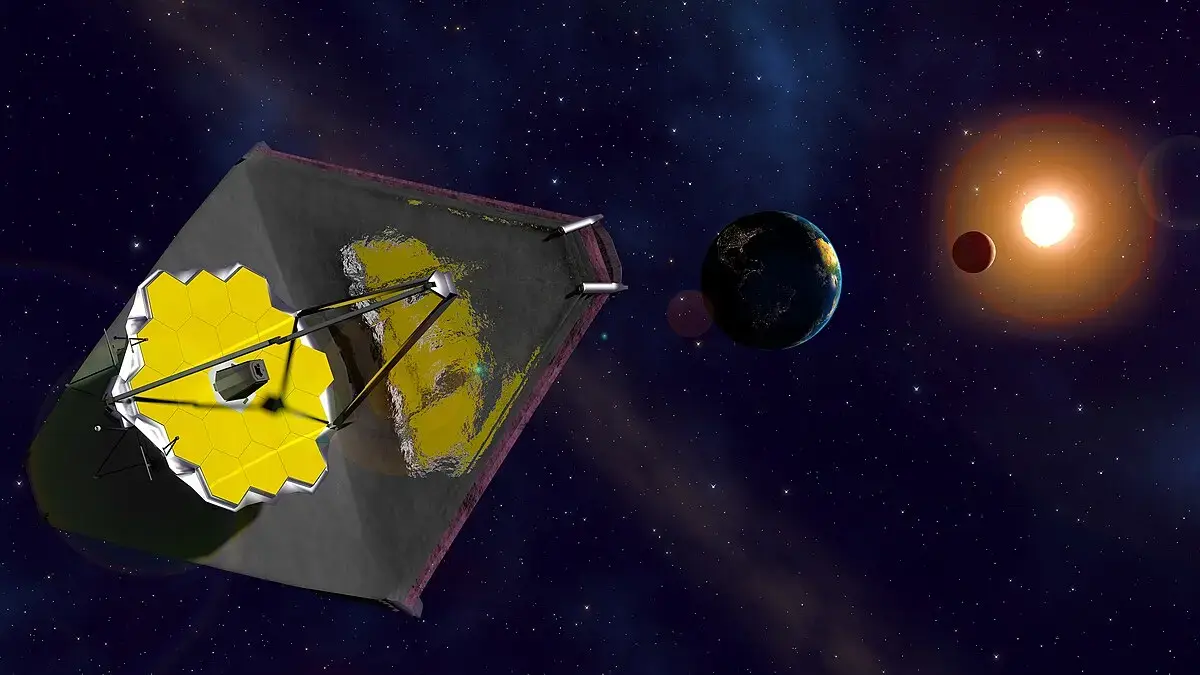
JWST Does Not Take Pictures Like a Normal Camera
NASA explains that the images from JWST are not simple photos but scientific data. Most of what JWST sees is infrared light, which humans cannot see naturally. Scientists add colour to these images to show details that help understand star formation, galaxies, and planet atmospheres. This process makes invisible things visible.
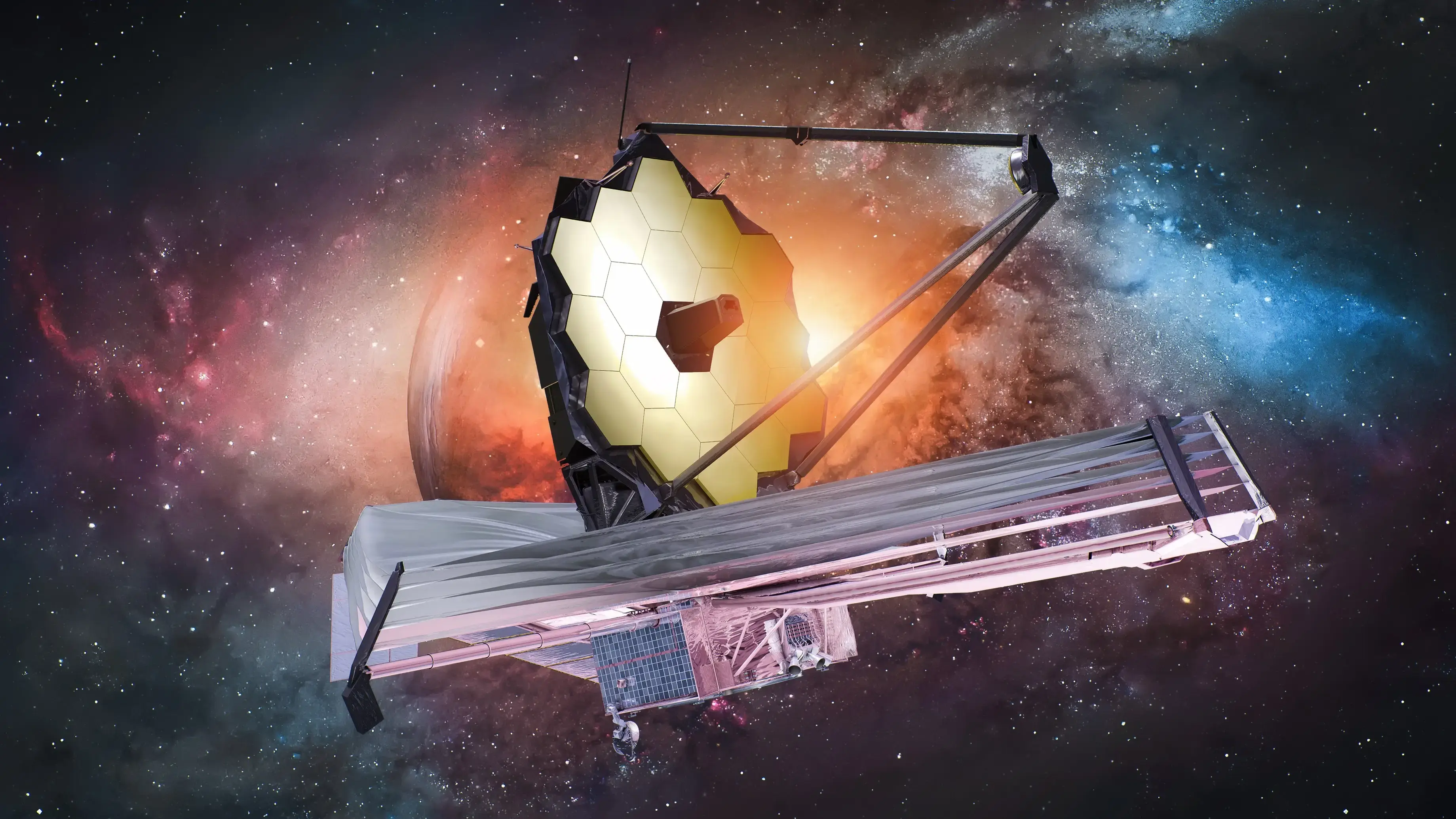
JWST Orbits Far from Earth, Near L2
According to the official ESA (European Space Agency) page, the JWST orbits about 1.5 million kilometres away, at the Sun-Earth Lagrange Point 2 (L2). This position keeps the telescope stable and cool, away from Earth’s heat, to avoid interference with its infrared observations. It doesn’t orbit Earth like Hubble but orbits the Sun at this special spot.
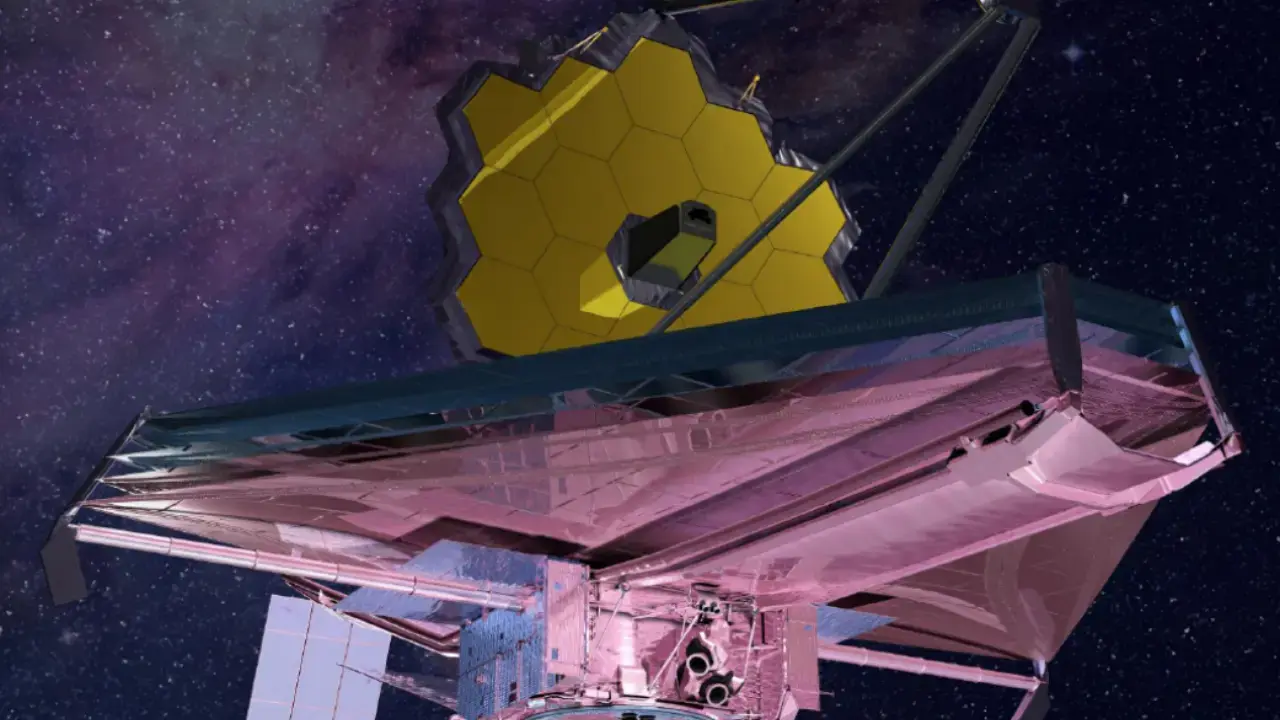
JWST Is Changing Our Cosmic Understanding
The James Webb Telescope has shown scientists new data that challenge earlier ideas about the universe. For example, it is helping to explain the 'Hubble tension', a difference in how fast the universe is expanding. This means some things we thought about space may be wrong, and JWST is key to new discoveries.
JWST Sees Galaxies Billions of Light Years Away
According to NASA, JWST can see galaxies that are over 13 billion light years away. This lets us look back to the very early universe, soon after the Big Bang. It reveals surprising details about how the first galaxies formed and changed ideas about their size and brightness.
JWST Discoveries Are Still Under Study
From NASA and STScI (Space Telescope Science Institute), it is clear that JWST’s findings are still being analysed by scientists worldwide. These discoveries will take time to fully understand and verify. So, while JWST has made exciting revelations, science is ongoing and nothing is final yet.
)
)
)
)
)