James Webb spots alien world’s glowing oceans 200 light-years away

NASA's James Webb Space Telescope has detected glowing oceans on a distant exoplanet, about 200 light-years away. This breakthrough could indicate the presence of liquid water, a key ingredient for life. The discovery sparks hope in the search for alien life and future space missions.
NASA James Webb Spots Glowing Alien Oceans
NASA’s James Webb Space Telescope has found signs of glowing oceans on a planet about 200 light-years away. This discovery is sparking new hopes in the search for life beyond Earth and is seen as a milestone in space science.
What Did James Webb Discover?
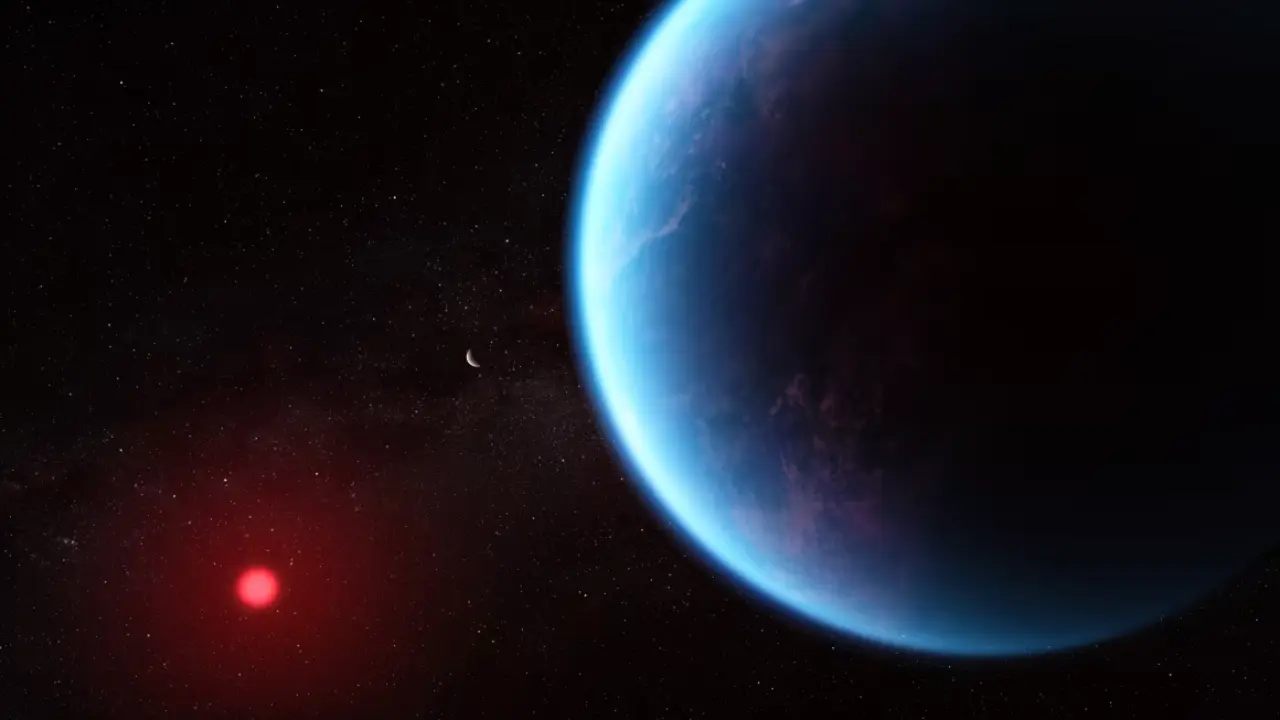
The telescope detected signals that suggest the presence of liquid water on the surface of an exoplanet. Scientists observed a special glow, possibly from oceans reflecting starlight or heated by the planet’s own energy.
Why Is This Discovery Important?
Liquid water is considered essential for life as we know it. Finding signs of water on distant worlds is key in the search for alien habitats. This result makes the exoplanet a strong candidate for further study.
What Do Astronomers Say?
Astronomers from NASA and other agencies say the glowing oceans could mean the planet has the right conditions for life. Dr Priya Patel, an Indian scientist at ISRO, said, “This is a historic moment for space exploration and global science.”
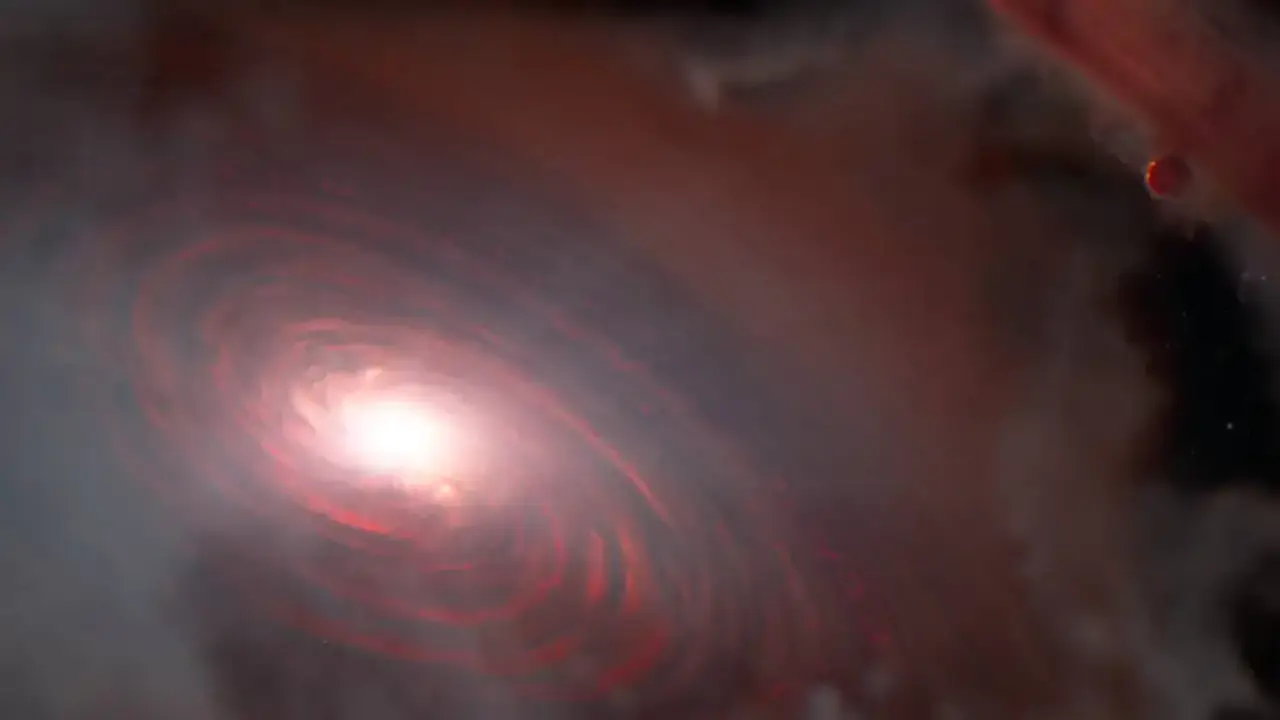
How Does James Webb Detect Water?
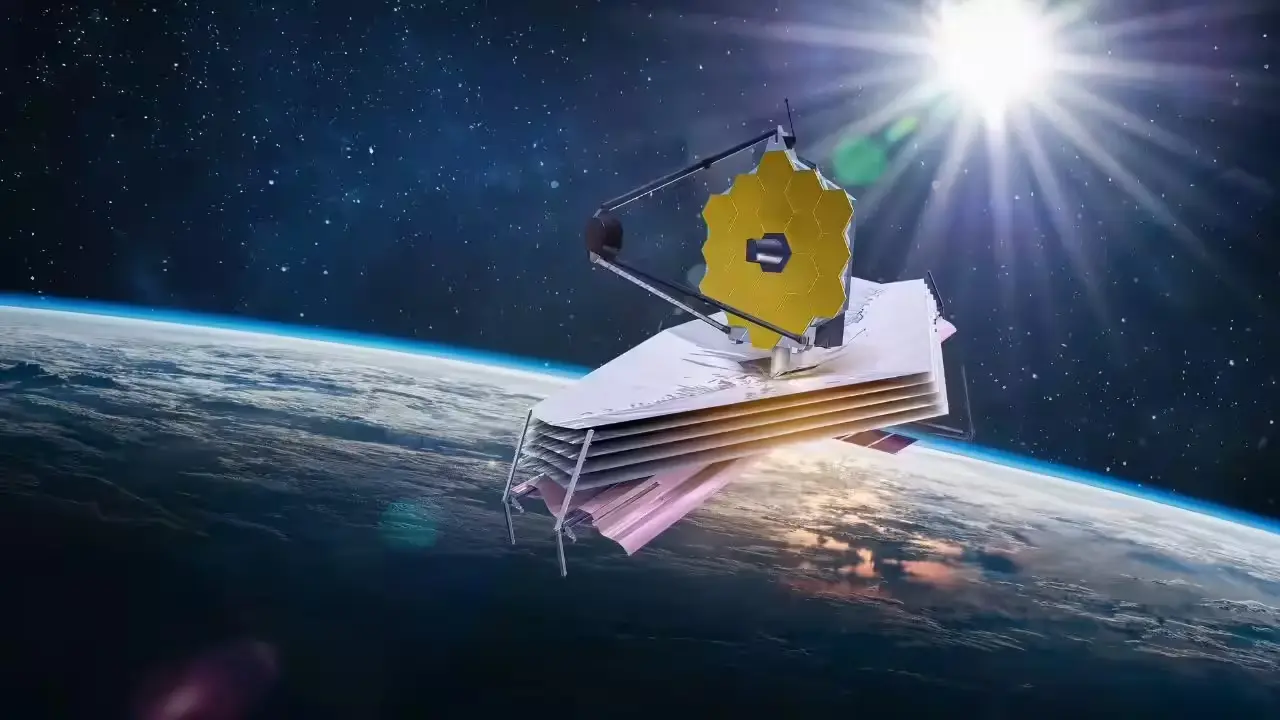
James Webb uses infrared sensors to study the light passing through a planet’s atmosphere. By analysing this light, scientists can identify the chemical fingerprints of water and other important molecules.
Impact on India’s Space Ambitions
India’s ISRO is planning new missions to study exoplanets and distant worlds. Indian scientists say James Webb’s findings will guide future research and inspire more international cooperation in space science.
What’s Next in the Search for Life?
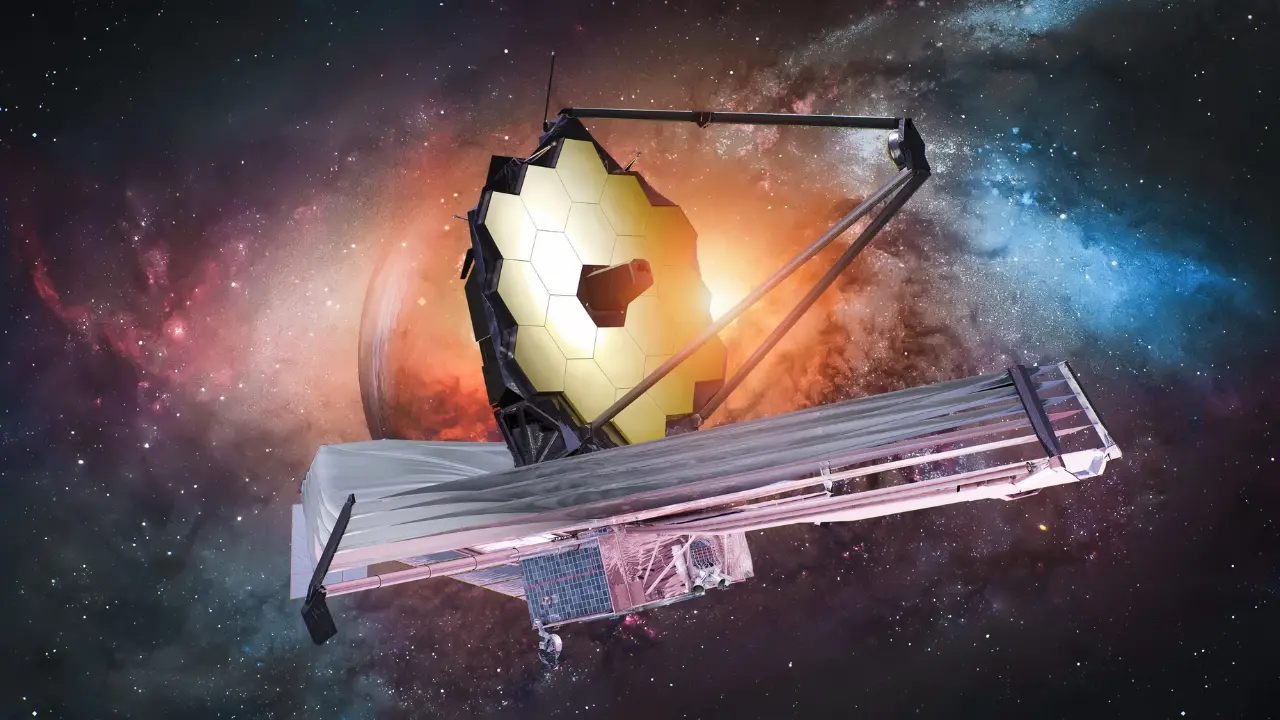
The discovery of glowing oceans encourages more missions to look for habitable planets. Scientists hope to use telescopes like James Webb and future Indian missions to answer the big question: Are we alone in the universe?
)
)
)
)
)