James Watson, who discovered structure of DNA, posed with women in Epstein’s New York house

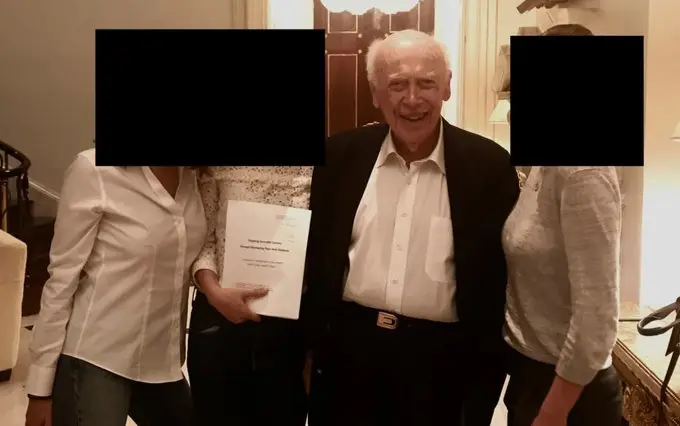
New Epstein Files documents show Nobel laureate James Watson photographed at Jeffrey Epstein’s mansion, reviving scrutiny over their association amid longstanding controversies surrounding Watson’s remarks on race and genetics.
New revelation in Epstein Files
In the series of shockers after the release of fresh documents in the Epstein Files, it has been found that a Nobel Prize-winning scientist who discovered the structure of DNA posed with women in the mansion of sex offender Jeffrey Epstein in New York. In a photo mentioned in the documents, James Watson was seen standing with three women in Eostein's residence in the US. The date the picture was taken is unknown. Although there is no evidence of any wrongdoing by Watson, the photograph has sparked fresh controversy.
When was it taken?
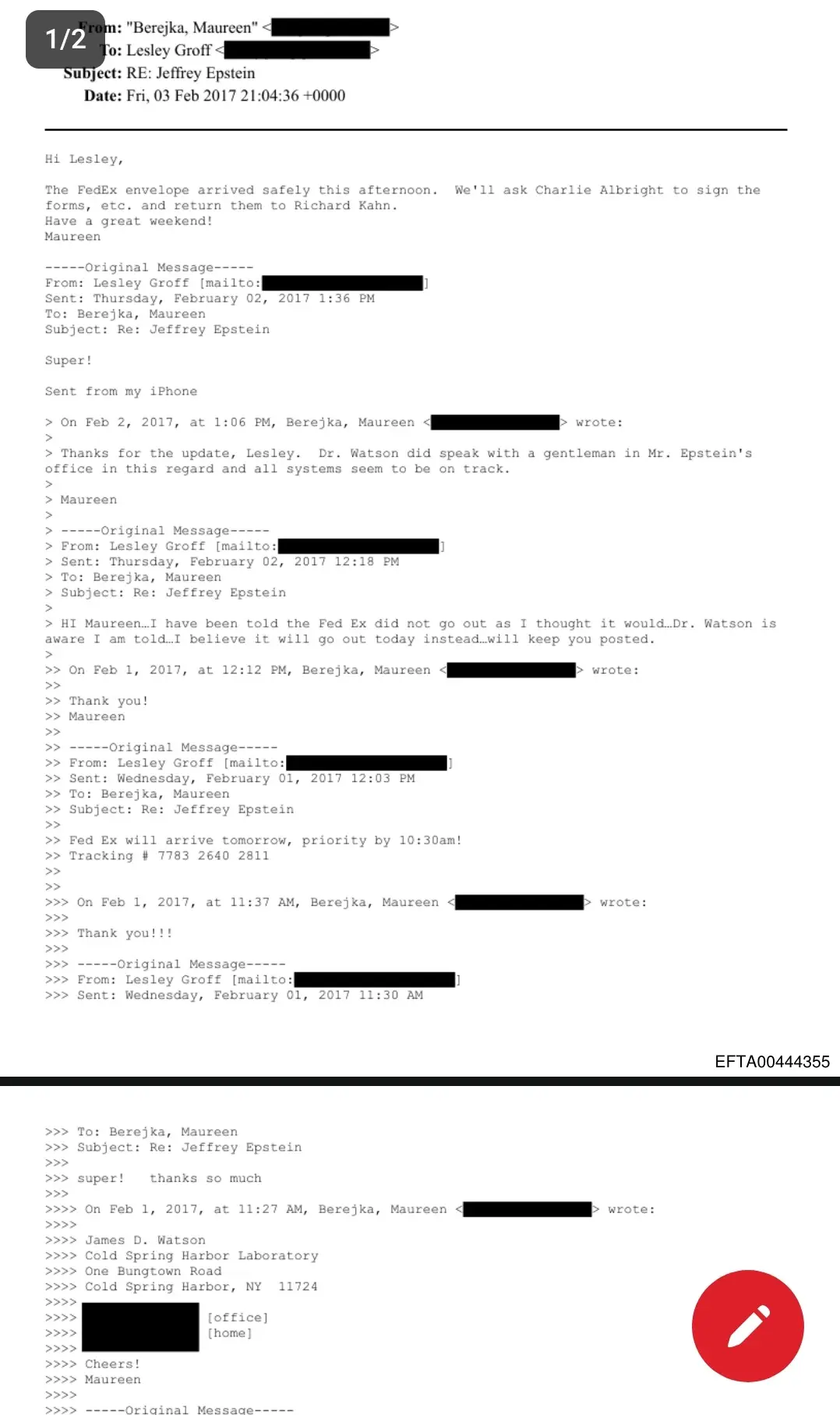
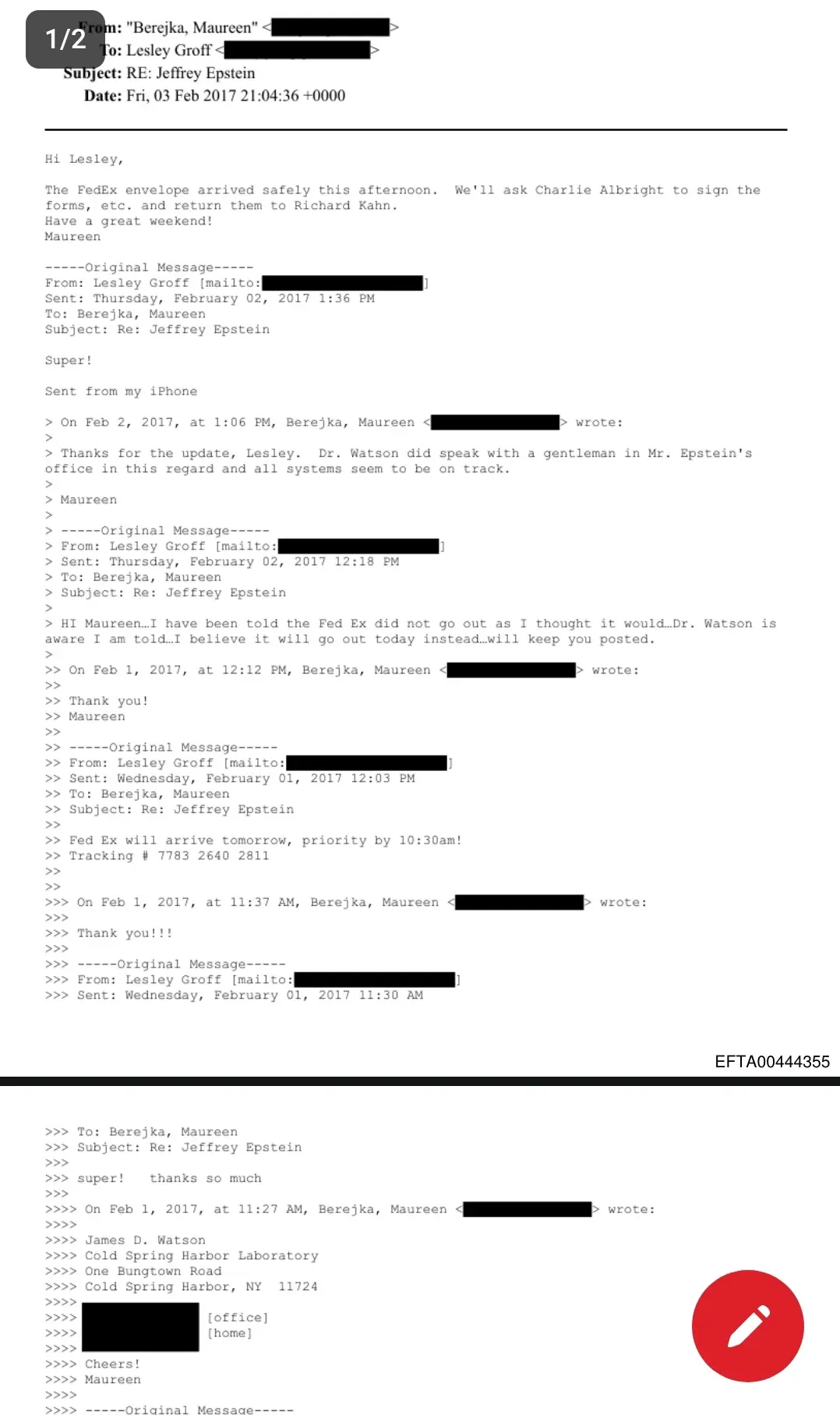
A report by The Telegraph said that the picture was likely taken in the mid to late 2010s, years after Epstein was released from jail on a child-sex offence. In previous emails published by the US Department of Justice (DOJ), it was hinted that Watson, who died at the age of 97, had a friendship with the late sex offender. The emails showed the duo had a dark interest in genetics.
Noble Prize
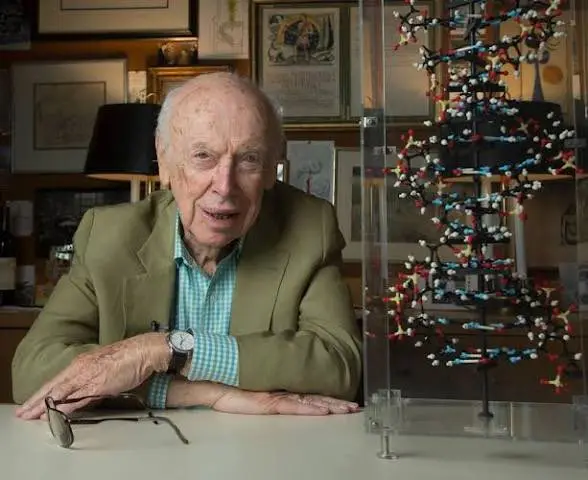
Watson is credited with identifying the double helix structure of DNA in 1953 alongside Francis Crick. He received the Nobel Prize for Medicine in 1962.
Controversy
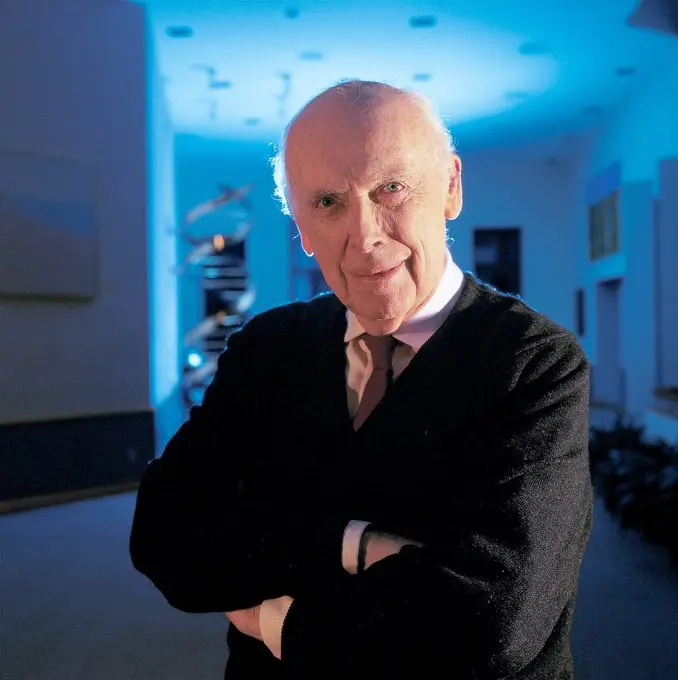
But in 2007, one controversial remark by him on race and genetics led to the scientific community ostracising him. He said in an interview at that time that he was “inherently gloomy about the prospect of Africa” because “all our social policies are based on the fact that their intelligence is the same as ours – whereas all the testing says not really”. After the uproar over his remark, he had apologised and cancelled a UK book tour shortly afterwards, but was stripped of his honorary scientific titles in 2019.
Emails of Epstein
In a 2016 email exchange with Noam Chomsky, an American academic, Epstein claimed, baselessly, that “the test score gap, amongst african americans is well documented”.
‘He told me...’
“James Watson, had some of his private views made public and hence his dismissal from society. He told me that after one sentence he became an un-person. Making thigns [sic] better might require accepting some uncomfortable facts," the email said.
)
)
)
)
)