Its wings can flex several feet in flight: Why the B-52 bomber was built this way

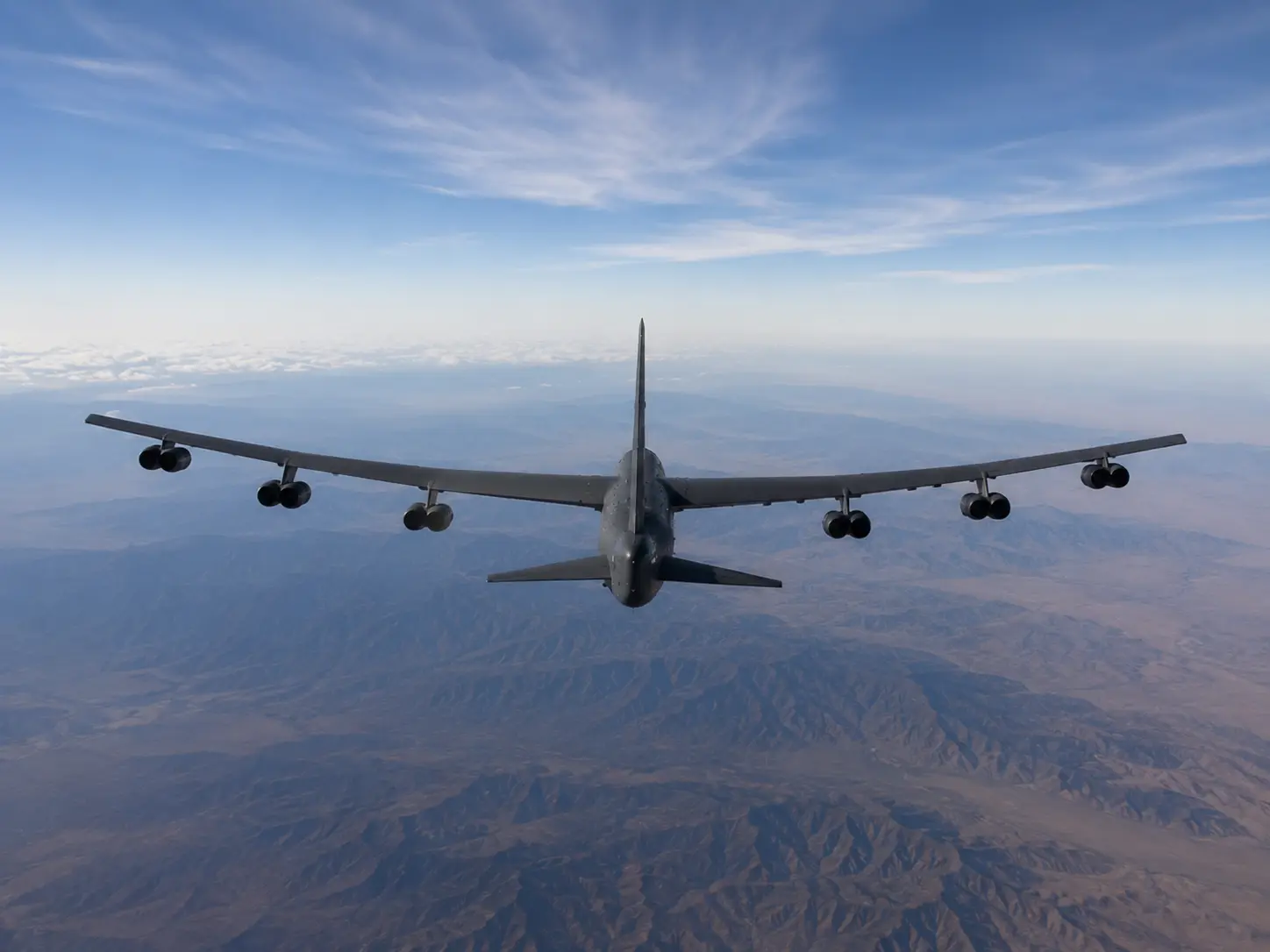
The B-52 bomber features a 185-foot wingspan that acts as a massive fuel tank. This immense weight causes the wings to droop 12 feet on the ground, while aerodynamic lift forces them to flex upward by several feet during flight to prevent structural fracture.

The 185-Foot Wingspan
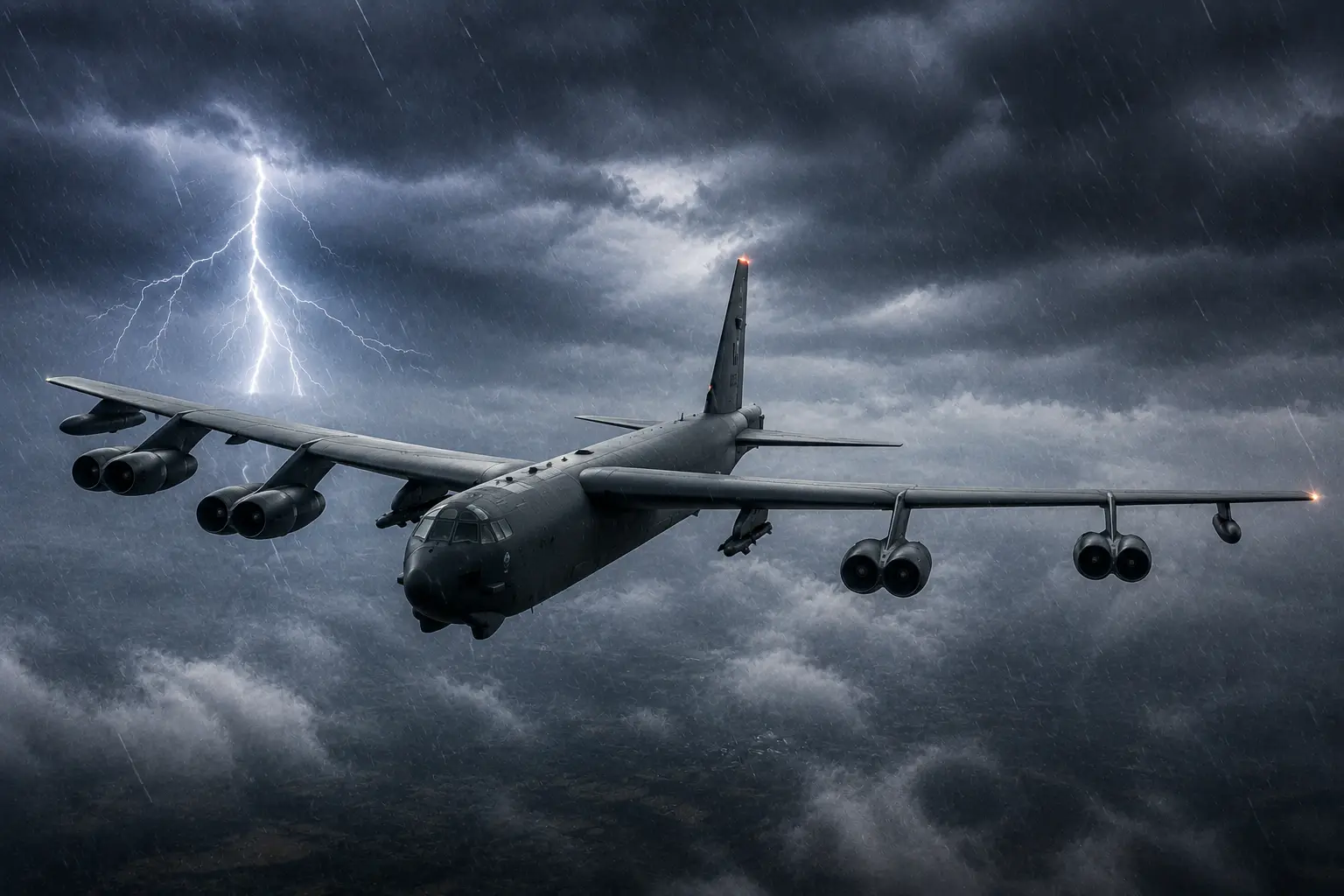
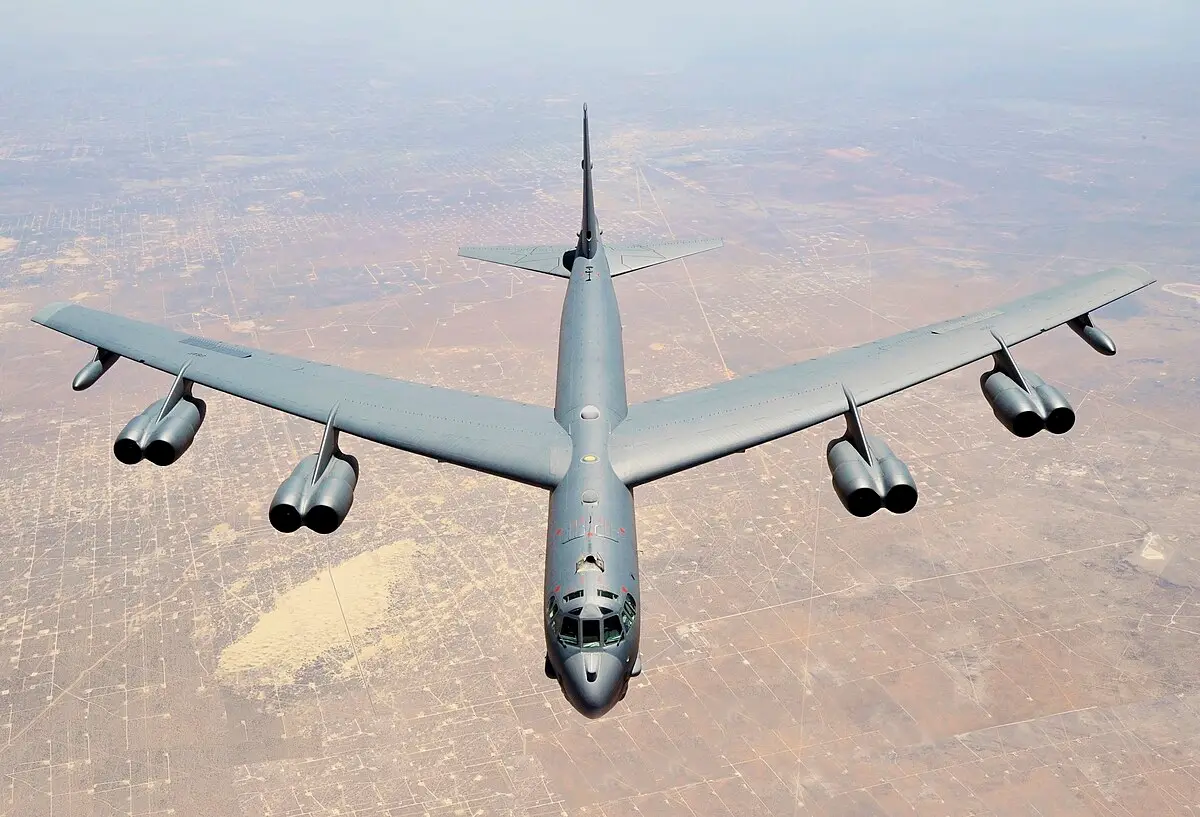
The Boeing B-52 Stratofortress relies on a colossal 185-foot wingspan to execute its global strike missions. Covering roughly 4,000 square feet of surface area, this immense swept-wing design generates the massive lift required to carry heavy payloads into the stratosphere.
A Flying Gas Station
These massive structures serve a highly critical dual purpose. Instead of just generating lift, the wings act as enormous internal fuel tanks, carrying the vast majority of the aircraft's staggering 312,197-pound aviation fuel capacity.
The 12-Foot Droop
When the bomber sits fully loaded on the tarmac, the sheer physical weight of this internal jet fuel takes a severe toll on the airframe. Gravity pulls the massive structures downward, causing the wingtips to visibly sag toward the concrete by up to 12 feet.
The In-Flight Flex
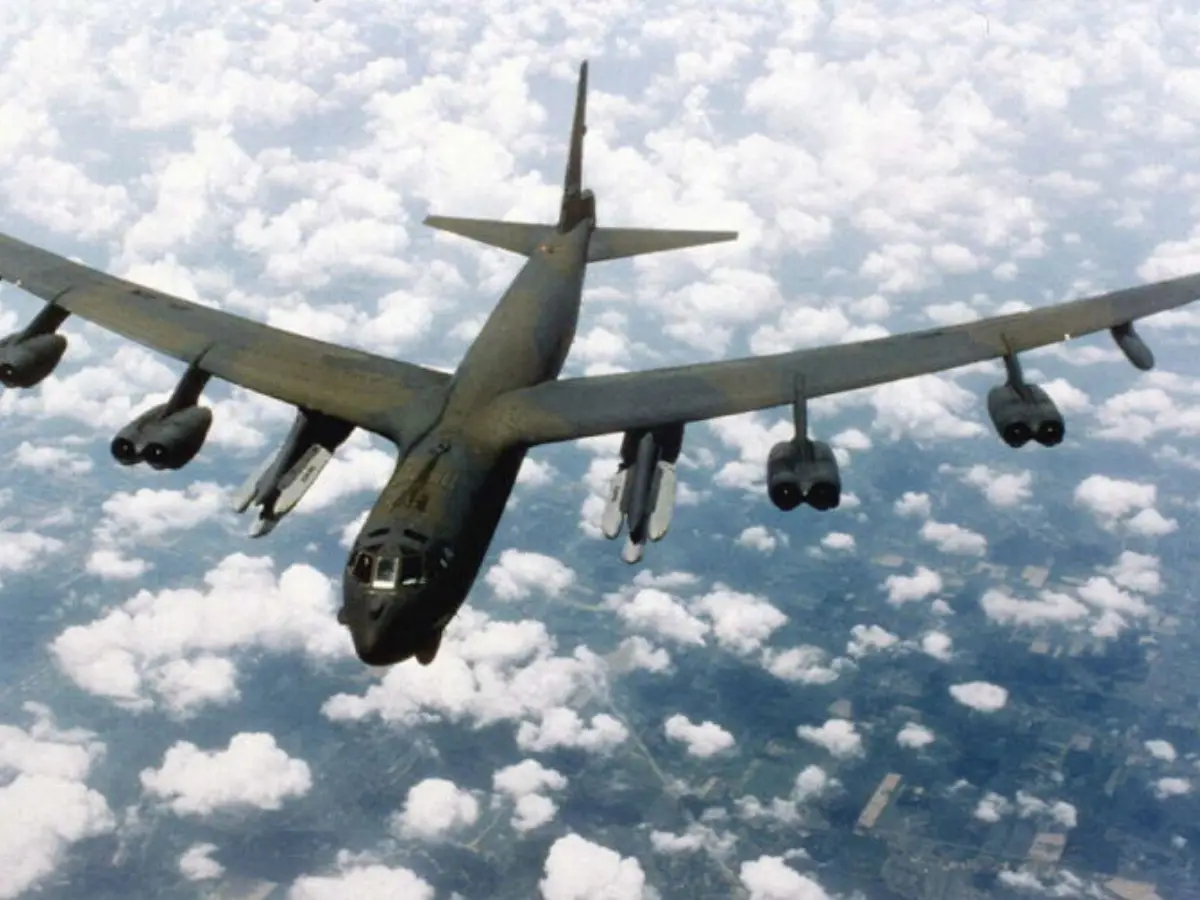
The aircraft's structural geometry completely changes the moment it leaves the runway. As extreme aerodynamic lift forces engage, the wings rapidly transition from their heavy downward droop to flexing violently upward by several feet to support the aircraft's 488,000-pound weight.
Avoiding Brittle Fracture
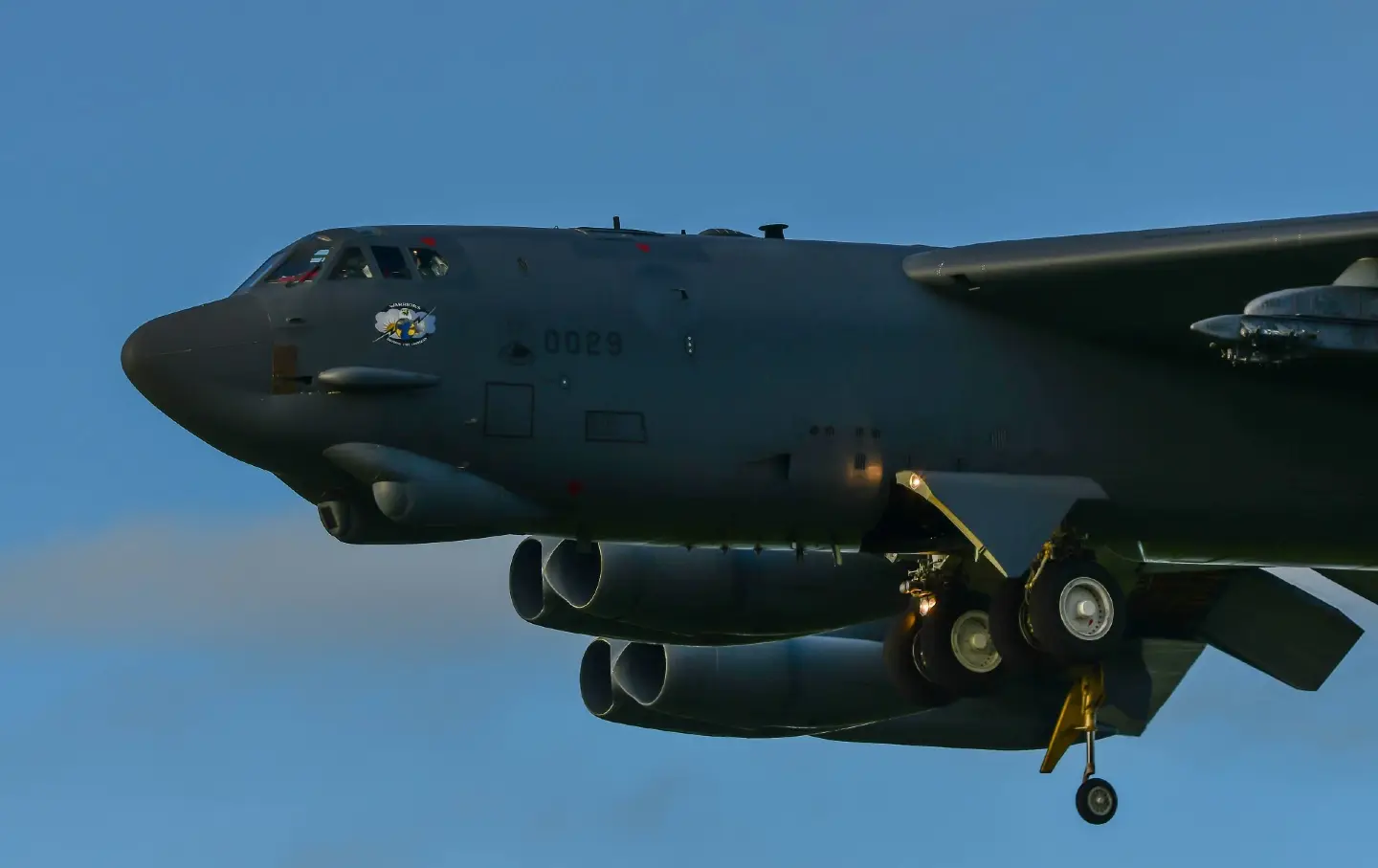
This extreme flexibility is a deliberate and highly calculated engineering choice. If aerospace engineers had designed perfectly rigid wings, the intense aerodynamic stress of combat manoeuvres and heavy turbulence would cause the metal to abruptly snap through brittle fracture.
The Outrigger Solution
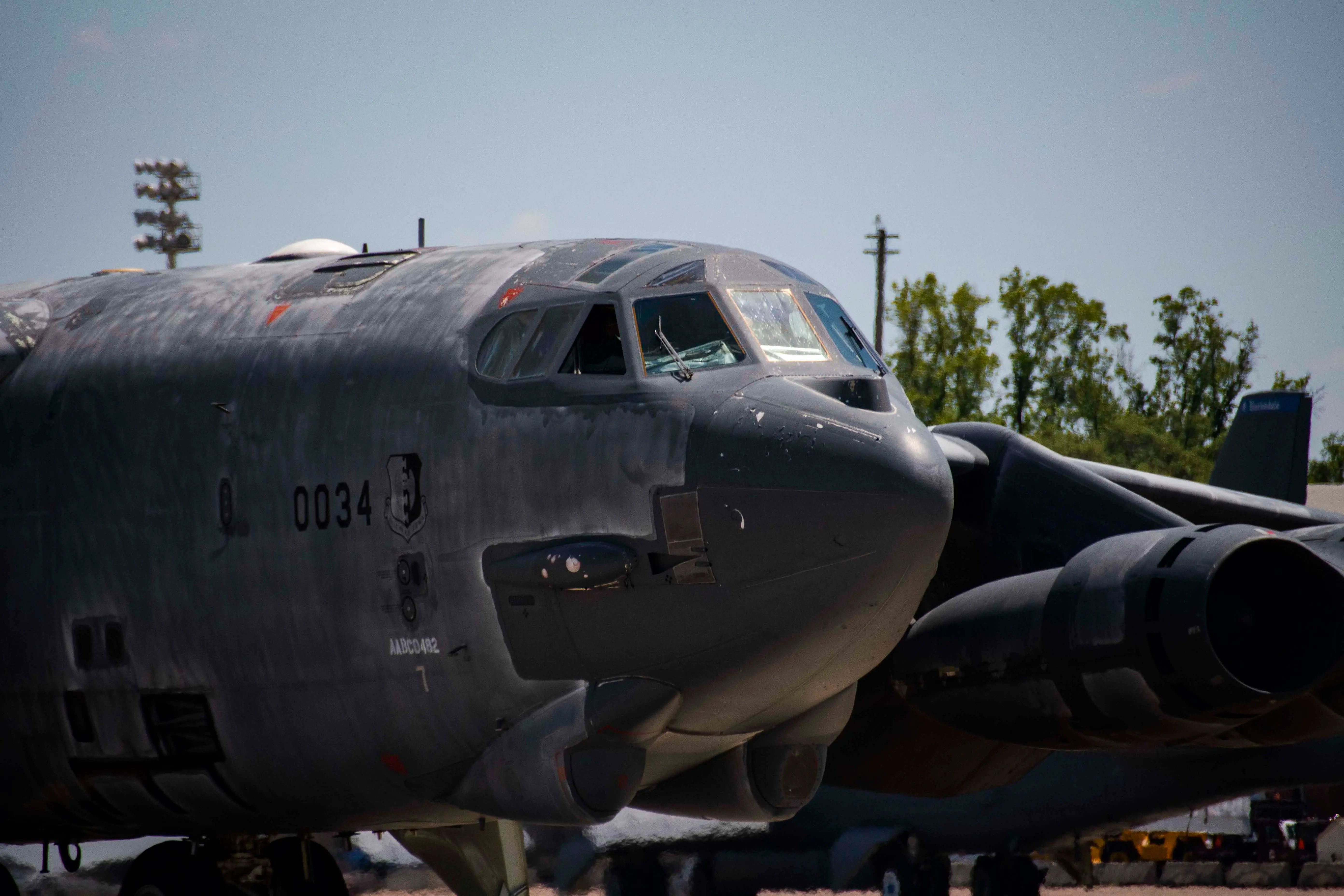
The severe downward droop creates a dangerous operational hazard during ground taxiing. To prevent the delicate, fuel-heavy wingtips from violently scraping the runway, designers installed two specialised outrigger wheels near the outer edges of the wings for vital lateral support.
Enduring the Century
The brilliant elasticity of this Cold War-era airframe ensures the aircraft will safely fly for an unprecedented 100 years. The US Air Force is currently upgrading the entire active fleet to the B-52J standard, trusting these over-engineered wings to carry modern weapons into the 2050s.
)
)
)
)
)