Italy to overtake Greece as eurozone’s most indebted nation in 2026 as Greek debt sharply declines

Italy expects its debt to peak at 138.6 per cent in 2026, up 1.5 percentage points from 137.1 per cent of GDP in 2025 under the Treasury's multi-year budget plan.

Greece loses long-held debt position in eurozone rankings
For the first time in decades, Greece is set to relinquish its position as the eurozone’s most indebted nation. According to two Reuters sources and data from Italy's budget plan, this change will occur by the end of 2026 as Greece’s debt ratio declines and Italy’s edges higher. The development reflects a broader rebalancing of fiscal positions within the bloc following years of uneven recovery after successive crises.
Greek debt set to continue steady decline
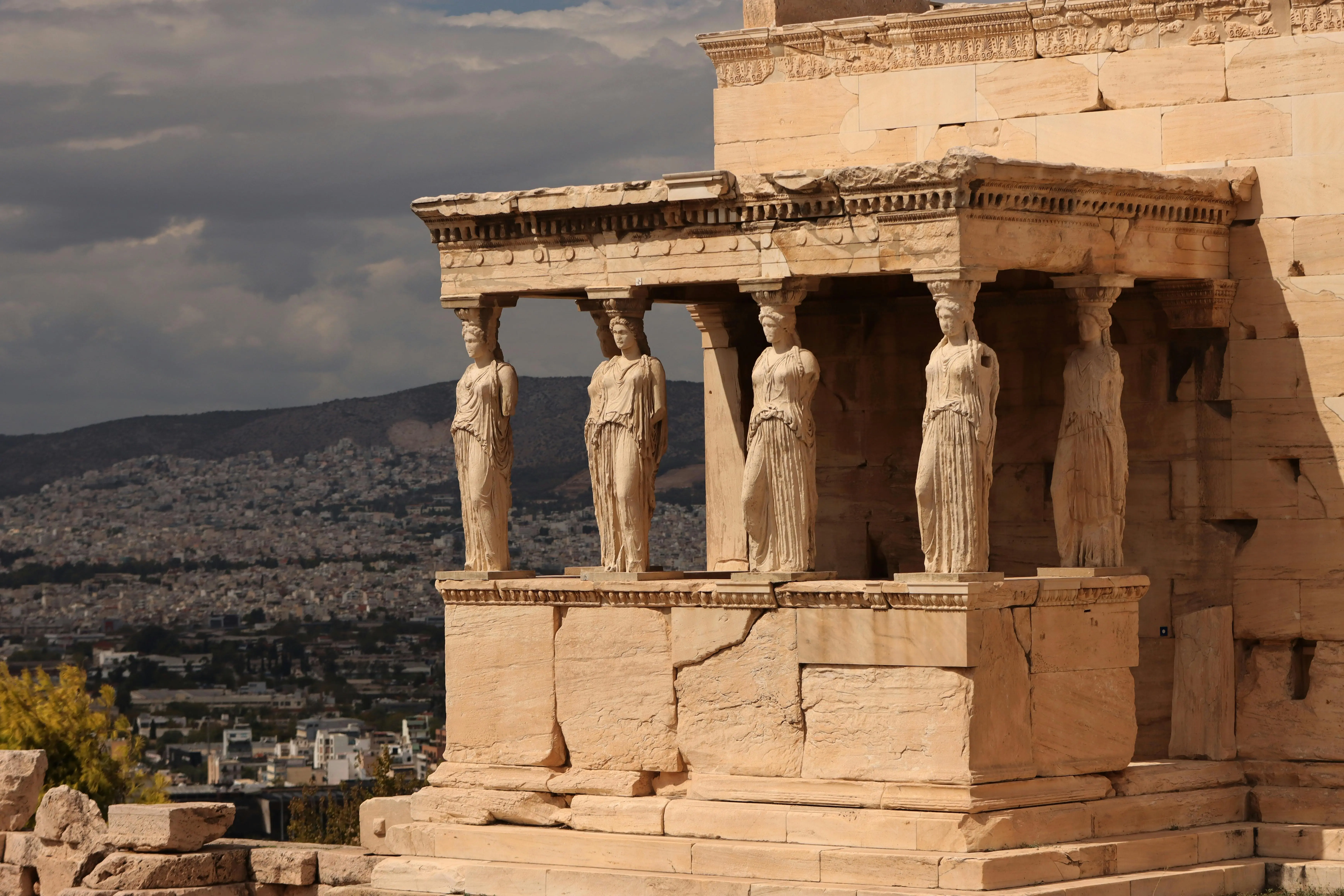
Greek public debt is projected to fall sharply to roughly 137 per cent of gross domestic product this year, down from 145.9 per cent in 2025, two senior officials told Reuters. One official stated that “Greece would from this year cease to be the euro zone's most indebted country.” This marks a continuation of a steady downward trend in debt ratios.

Italy’s debt expected to peak
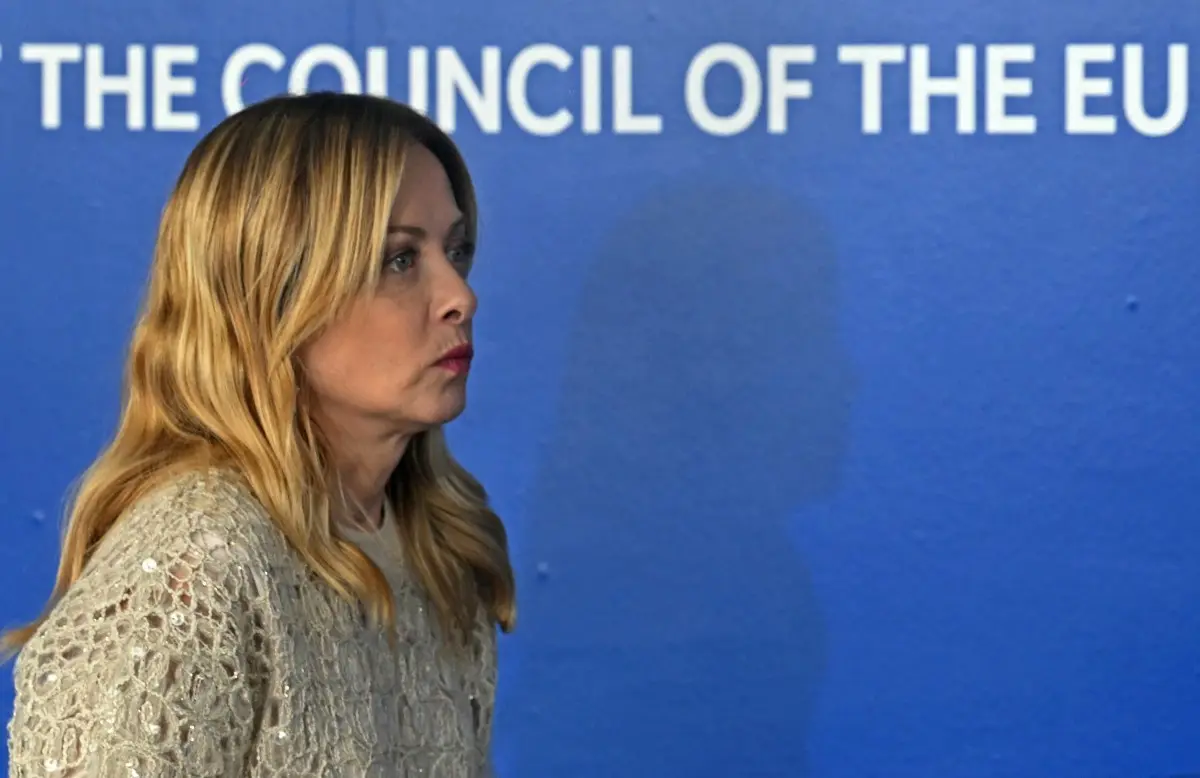
Italy, in contrast, is forecast to see its debt climb to 138.6 per cent of GDP in 2026, rising from 137.1 per cent in 2025, based on the Treasury’s latest multi-year fiscal plan. The same projections indicate that Italy’s debt will stabilise around similar levels before beginning a gradual decline later in the decade.
Policy frameworks and EU oversight
Greek authorities are preparing to submit revised debt projections as part of their multi-year fiscal strategy to the European Commission. Reuters reported that these updated figures will formalise Greece’s improved fiscal outlook within the EU’s budgetary framework.

A dramatic turnaround for Greece
The scale of Greece’s adjustment is significant. Its debt burden, once the highest in the eurozone, has dropped by more than 60 percentage points from a peak of 209.4 per cent of GDP in 2020 to 145.9 per cent last year. This follows a decade-long financial crisis and three international bailout programmes worth approximately 280 billion euros, according to Reuters.
Italy’s structural economic constraints
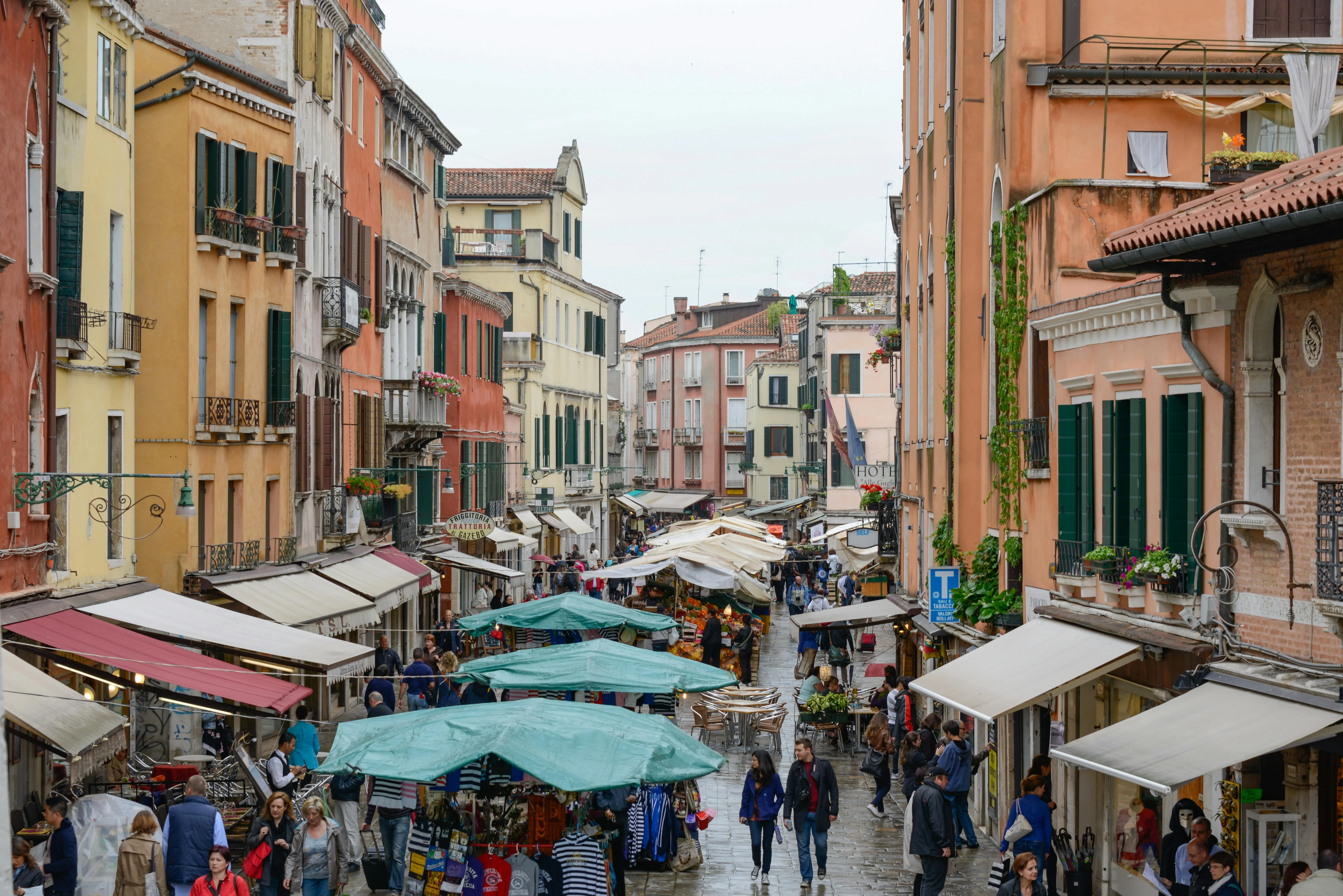
Italy’s fiscal path has been constrained by modest economic performance. Prime Minister Giorgia Meloni has said that debt reduction was hindered by costly building incentives introduced under previous administrations led by Giuseppe Conte and Mario Draghi. Growth has remained subdued in recent years.

Diverging economic momentum
Recent growth trends highlight the divergence. Greece has expanded at a rate exceeding 2 per cent annually over the past three years, supported by investment, tourism and domestic demand. Italy, however, has recorded sub-1 per cent growth between 2023 and 2025 despite substantial EU recovery funding. Greece also plans to repay around 7 billion euros of bailout loans ahead of schedule, reinforcing its fiscal recovery, as reported by Reuters.
)
)
)
)
)