It takes 50 people on the ground to put one B-52 in the air! Here is the maintenance army nobody talks about

For every hour a B-52 spends in the air, it requires between 50 and 60 hours of maintenance work on the ground. That work is done by hundreds of specialists — fuel technicians, avionics engineers, structural mechanics, weapons loaders — whose names never appear in any news report about a bombing mission.
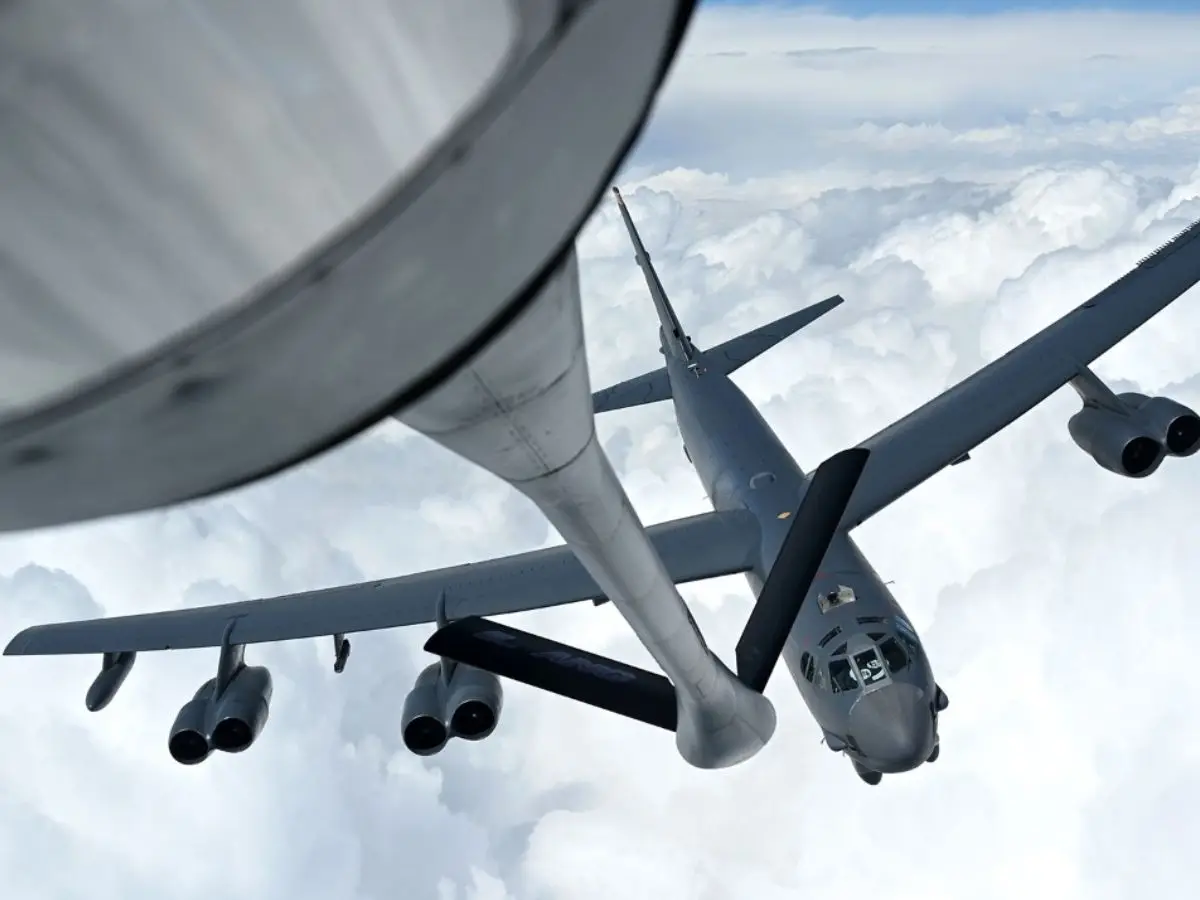
The 50-To-One Ratio
Military aircraft maintenance is measured in maintenance man-hours per flight hour. For the B-52, that ratio has historically been between 50 and 65 maintenance man-hours for every hour the aircraft actually flies. This means that for a 10-hour mission, somewhere between 500 and 650 hours of skilled human labour were required beforehand to make it possible.
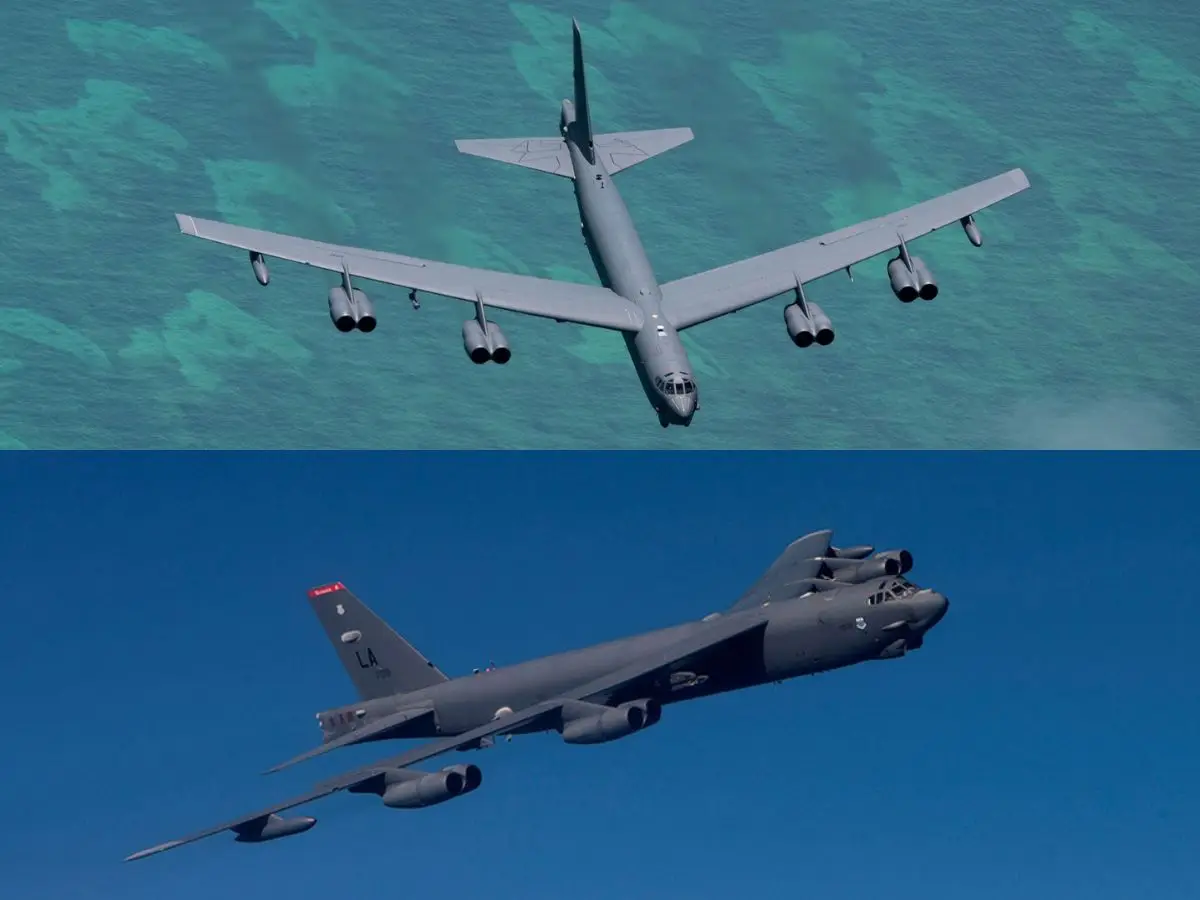
The Specialists Who Never Get Named
A B-52 pre-flight involves fuel system technicians, hydraulic specialists, electrical engineers, avionics technicians, structural mechanics, engine specialists, weapons loaders, and crew chiefs who oversee the entire process. Each role requires years of training and certification. None of them are in the cockpit when the aircraft takes off. Most of the public has never heard of any of them.
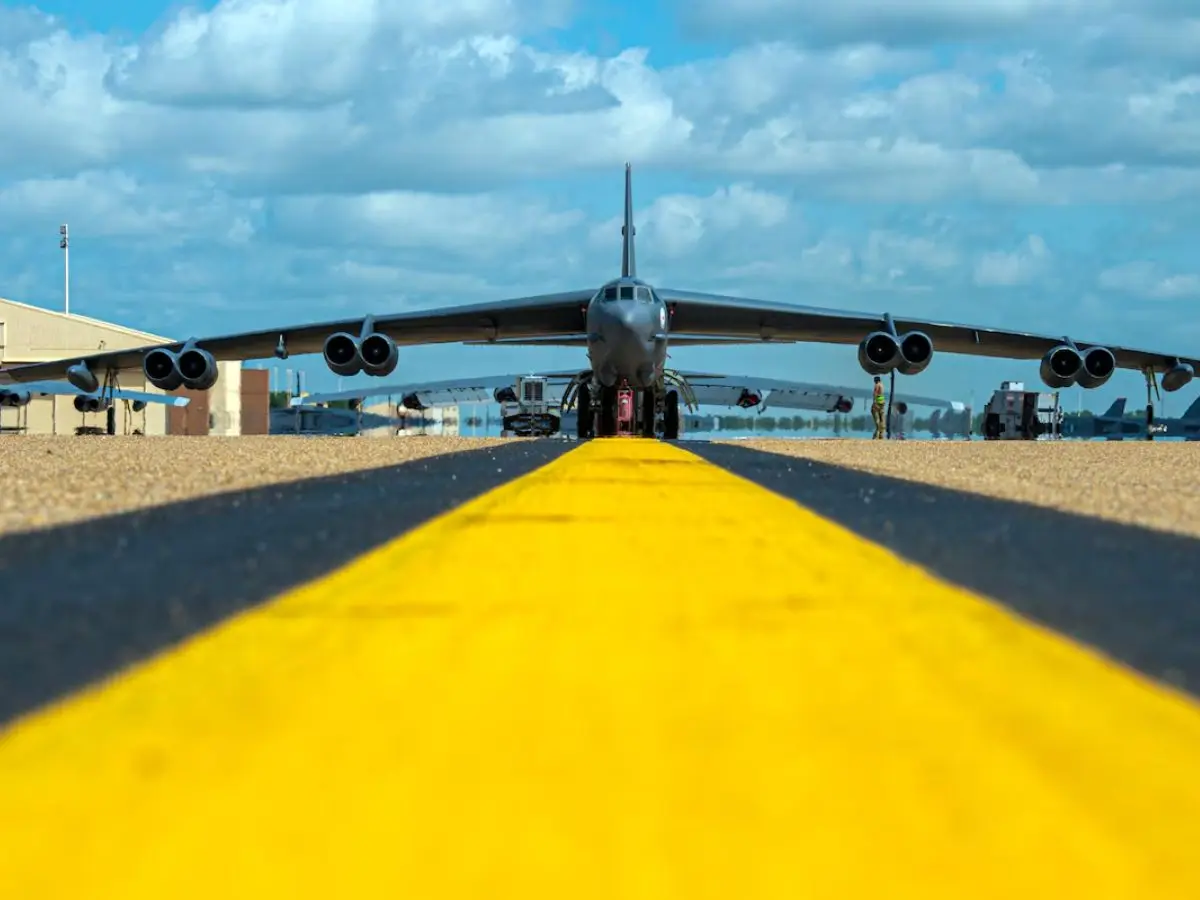
The 12-Hour Pre-Flight
A routine pre-flight inspection for a B-52 can take up to 12 hours for a full crew working simultaneously. Every system must be checked — all eight engines, landing gear, flight controls, fuel transfer systems, weapons bay, avionics, oxygen systems, ejection seats, and communication equipment. A fault found late in the process can delay an entire mission.
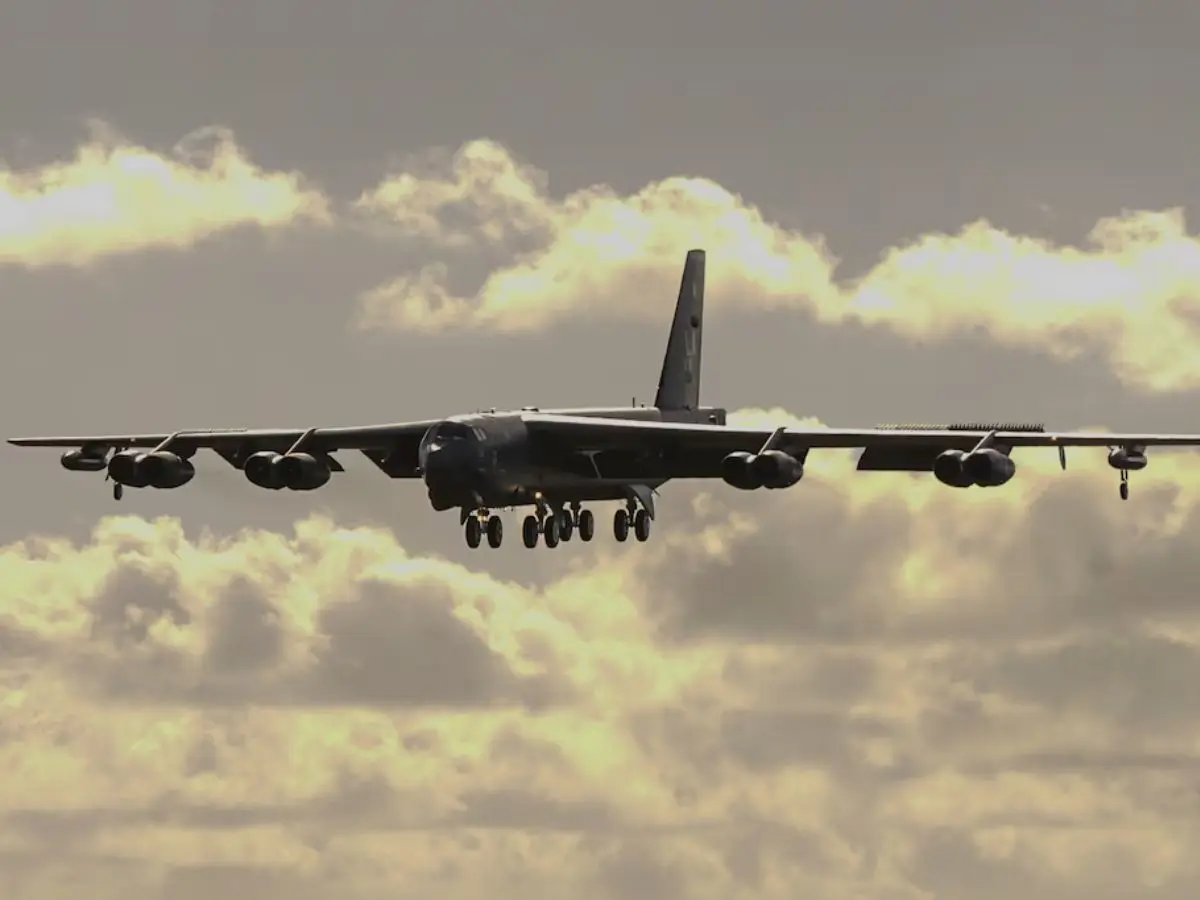
Parts That No Longer Exist
Maintaining a 70-year-old aircraft design means that many original components are no longer manufactured by anyone. The Air Force relies on a combination of cannibalised parts from Boneyard aircraft, custom-fabricated replacements, and decades-old stockpiles. Some B-52 components require machinists to manufacture from scratch because no commercial supplier still produces them.
The Crew Chief: The Person Who Owns The Plane
Each B-52 is assigned a dedicated crew chief — a senior enlisted maintenance technician who is personally responsible for that specific aircraft's airworthiness. Pilots fly the aircraft. The crew chief owns it. They know every quirk, every recurring fault, every past repair. When a pilot signs off on the aircraft after a mission, they are reporting to the crew chief, not the other way around.
What Breaks Most Often
After 70 years of operation, the most common maintenance headaches on the B-52 involve aging seals and fuel system components, corrosion in structural joints, and avionics integration issues between original wiring and modern systems. The aircraft's age means that failures are increasingly idiosyncratic — the kind that only experienced maintainers who have worked that specific airframe for years can diagnose efficiently.
Why The Maintenance Army Is The Real Limiting Factor
The US Air Force can only deploy as many B-52s as it has trained maintainers to support them. The aircraft's availability rate — the percentage of the fleet that is mission-ready at any given time — is directly determined by the depth of the maintenance workforce. Training a B-52 crew chief takes years. This hidden workforce, not the aircraft itself, is the real bottleneck in American long-range bomber capacity.
)
)

)
)