ISRO’s Shubhanshu Shukla: How he will study seed sprouting in microgravity in space

Edited By Abhinav Yadav
Published: Jun 05, 2025, 16:22 IST | Updated: Jun 05, 2025, 16:22 IST
ISRO astronaut Shubhanshu Shukla will study how seeds grow in space during the Ax-4 mission. This research in microgravity helps scientists prepare for growing food on long space trips and inspires students through live updates from the ISS.
1 / 7
(Photograph: Axiom Space)
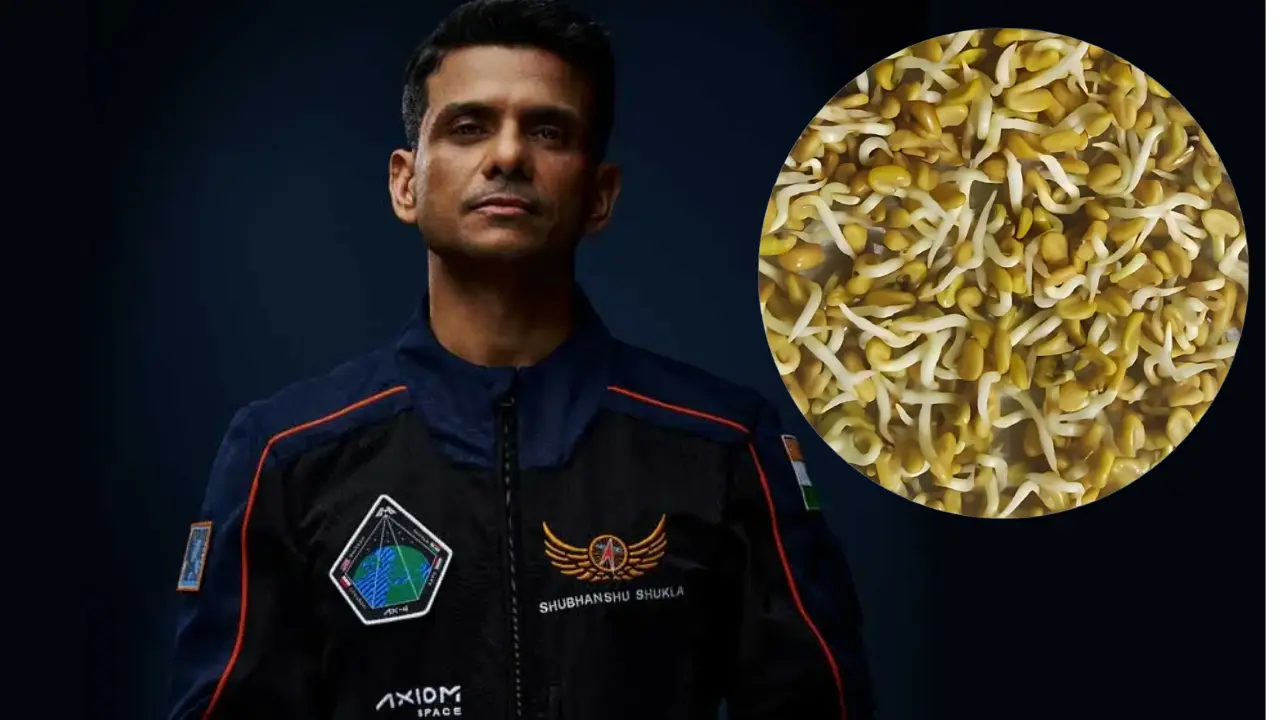
Shubanshu Shukla’s Space Seed Research
ISRO astronaut Shubanshu Shukla will study how seeds sprout in space. This experiment is part of the Ax-4 mission on the International Space Station.

2 / 7
(Photograph: PTI)
Seeds in Space?
Understanding how seeds grow in microgravity helps scientists learn how to grow food on future space missions. This is important for long journeys to the Moon or Mars.
3 / 7
(Photograph: Axiom Space)
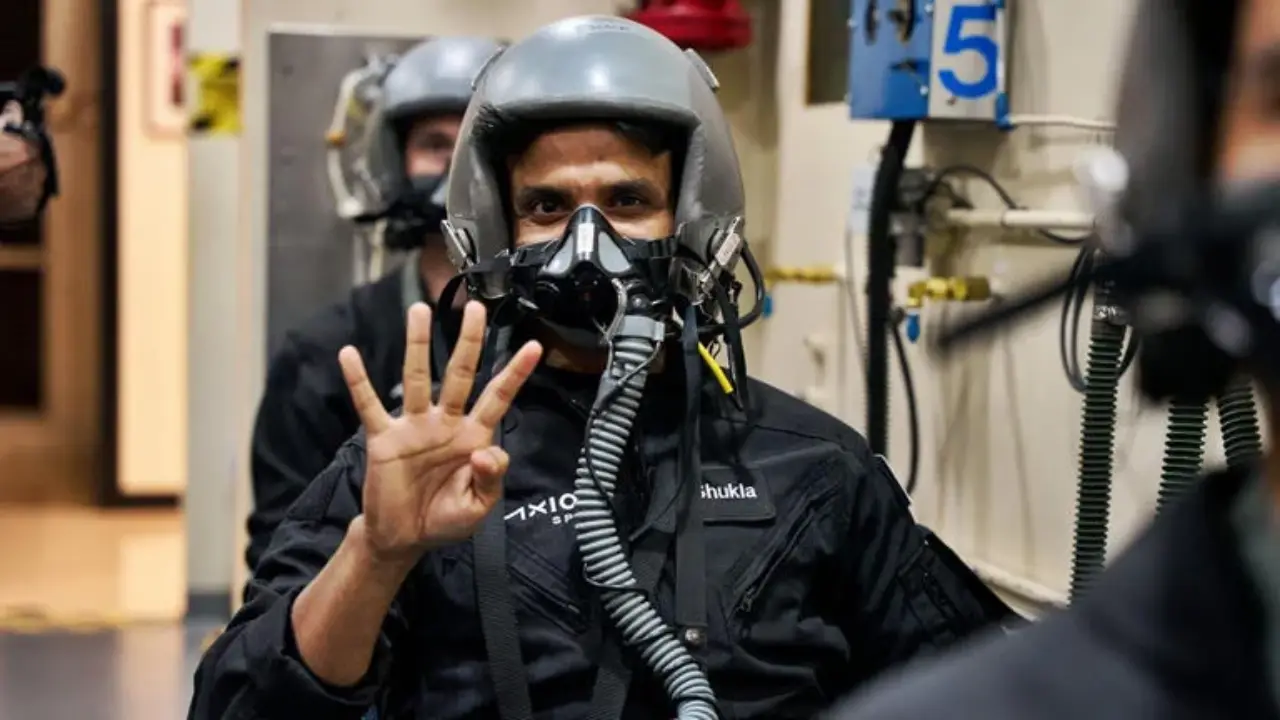
Preparing the Seeds
Before launch, seeds are carefully selected and packed to keep them safe and dry. They are stored in special containers to prevent damage during the journey.
4 / 7
(Photograph: Axiom Space)
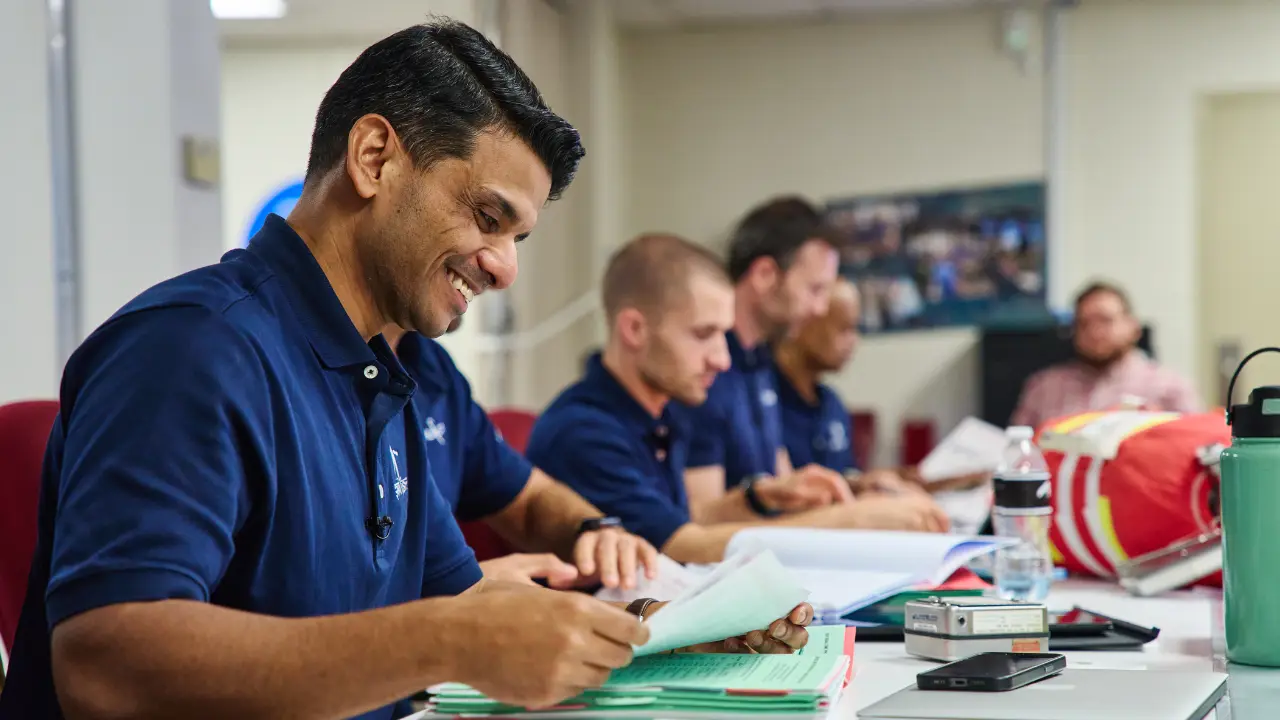
How the Experiment Works
On the ISS, Shukla will add water to the seeds and place them in a growth chamber. He will watch how sprouts changes each day.
5 / 7
(Photograph: Axiom Space)
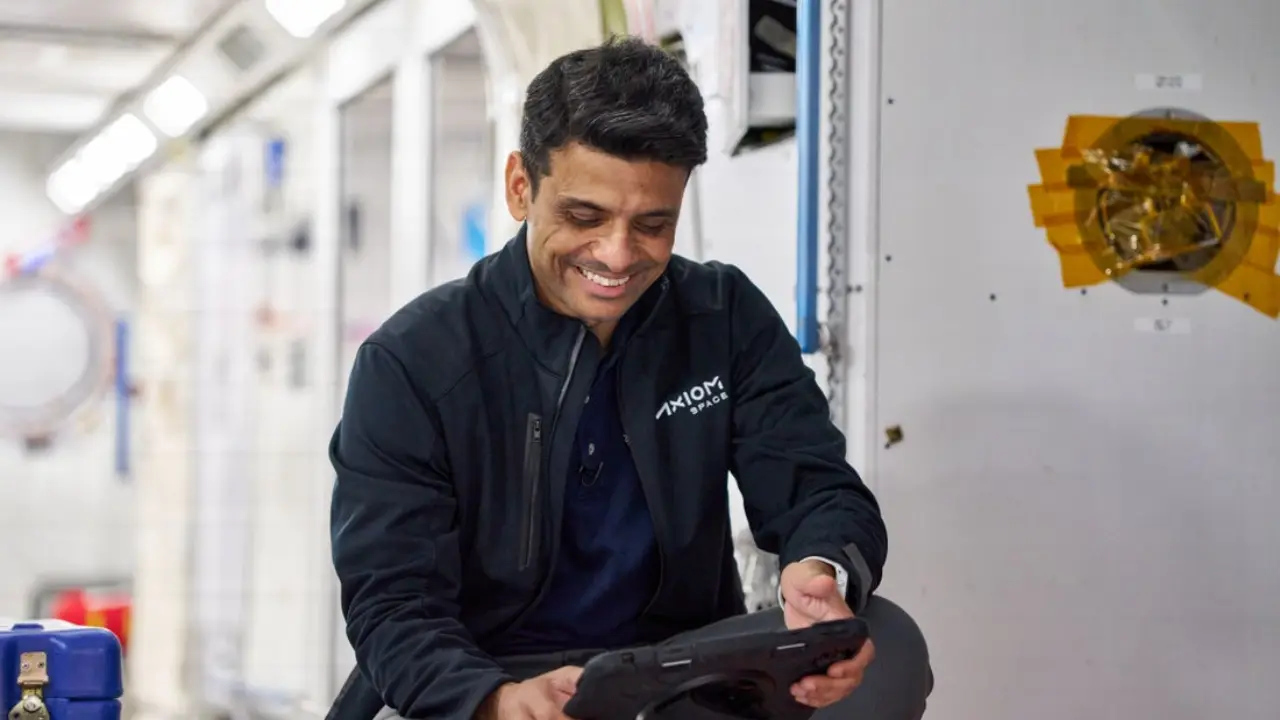
Observing Growth in Microgravity
Shukla will take photos and notes on the seeds’ roots and shoots. Scientists will compare these results with seeds grown on Earth to see the differences.

6 / 7
(Photograph: Axiom Space)
What Scientists Hope to Learn
The experiment will show how space conditions affect seed sprouting. This knowledge can help develop better ways to grow crops in space and improve farming on Earth.
7 / 7
(Photograph: Axiom Space)
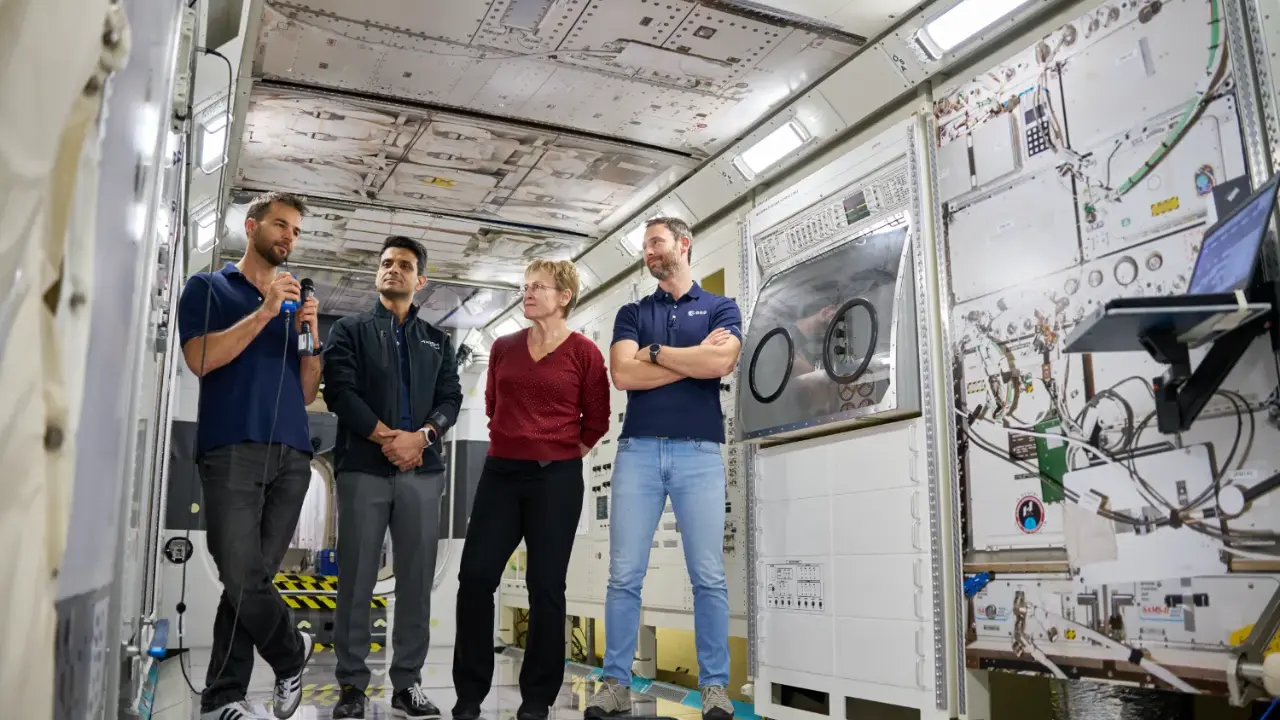
Sharing Results with Students
Shukla will share updates and findings with students through live sessions from the ISS. This will inspire young people to learn more about science and space research.
)
)
)
)
)