ISRO’s Shubhanshu Shukla: 14-day Ax-4 mission to conduct around 60 scientific experiments from 31 countries

Edited By Abhinav Yadav
Published: Jun 09, 2025, 18:48 IST | Updated: Jun 09, 2025, 18:48 IST
ISRO’s Shubhanshu Shukla will spend 14 days aboard the ISS during the Ax-4 mission, conducting over 60 experiments. The mission supports astronaut training and crew health studies and prepares India for future space programs and longer spaceflights.
1 / 7
(Photograph: Axiom Space)
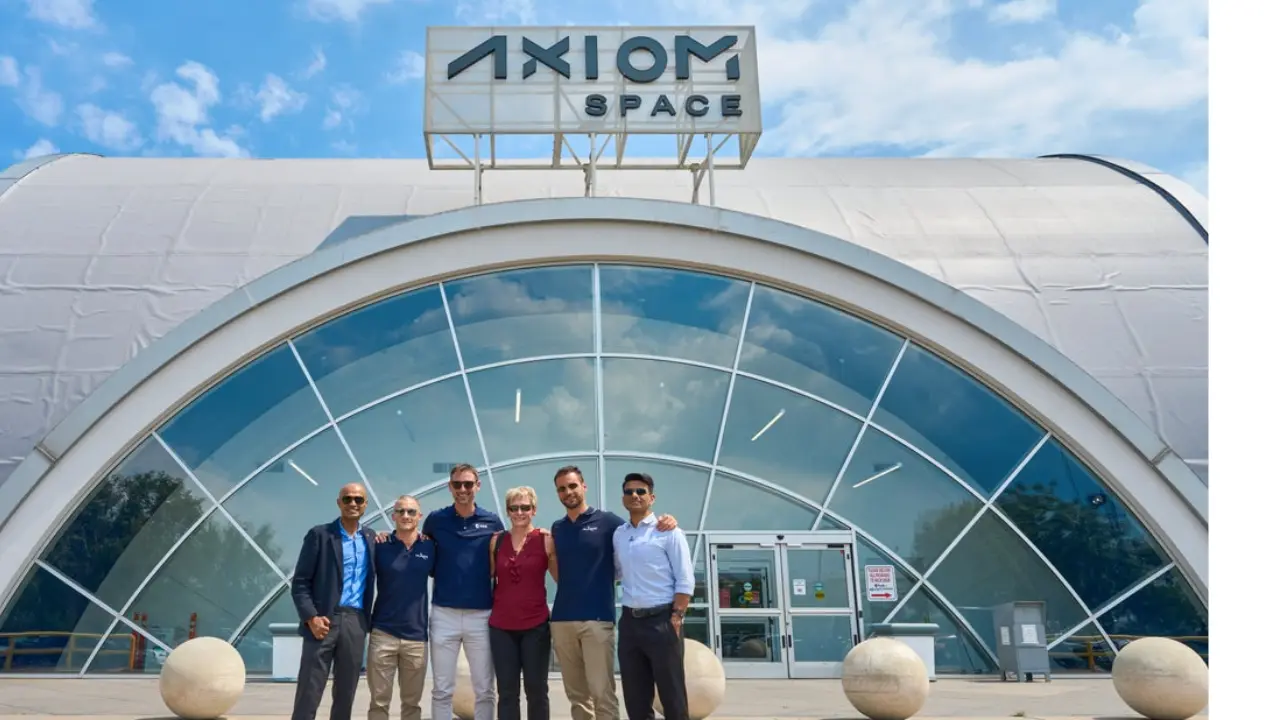
ISRO’s Shubhanshu Shukla: 14-Day Space Mission
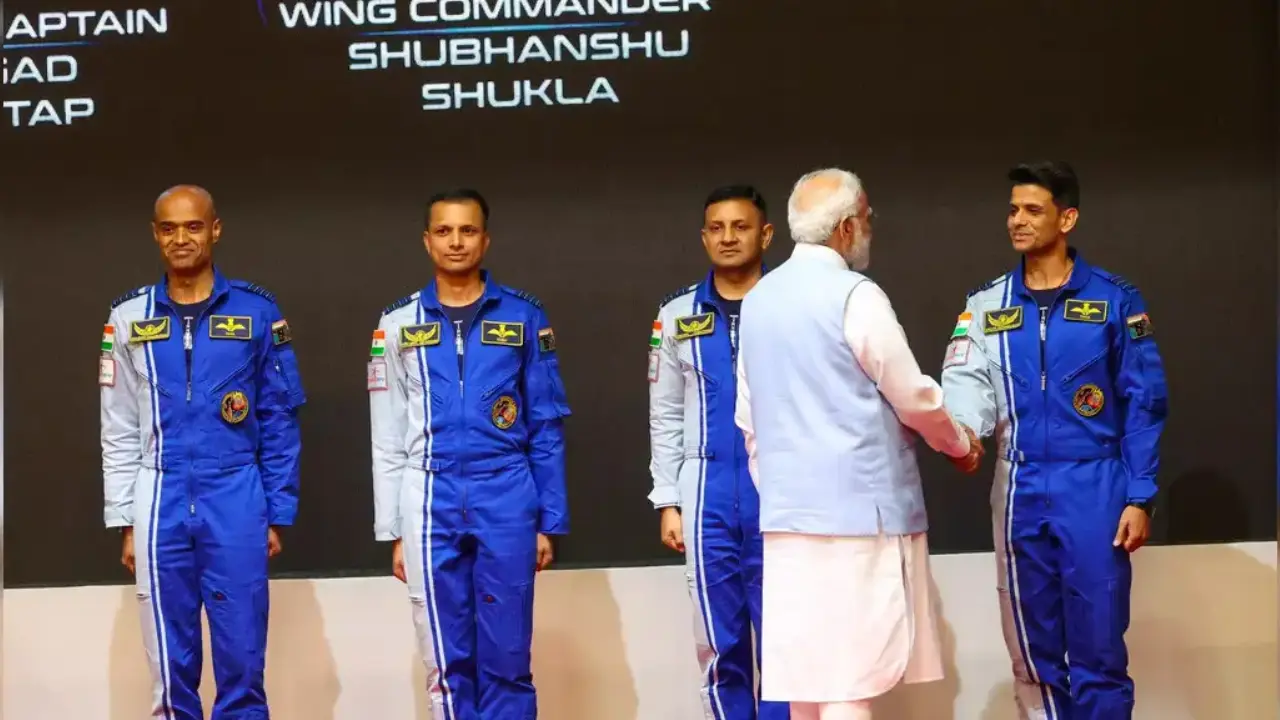
Indian astronaut Shubhanshu Shukla, along with the Ax-4 crew, is set for a 14-day journey on the International Space Station (ISS). This mission is carefully planned for science, safety, and training.

2 / 7
(Photograph: Axiom Space)
Why 14 Days?
The 14-day duration is chosen to allow enough time for experiments, crew adaptation, and safe return. It matches the standard length for private astronaut missions to the ISS.

3 / 7
(Photograph: Axiom Space)
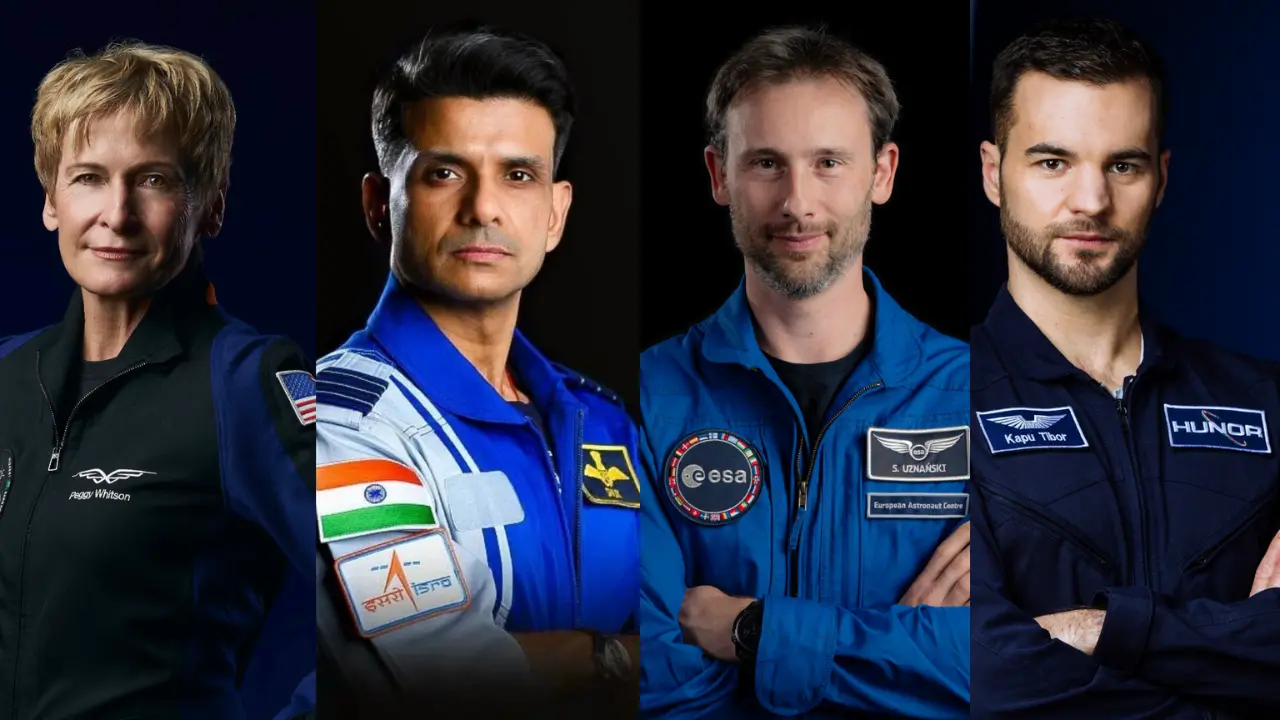
Over 60 Scientific Experiments
During the mission, Shukla and the Ax-4 crew will conduct more than 60 experiments. These cover human health, Earth observation, material science, and life sciences.
4 / 7
(Photograph: Axiom Space)
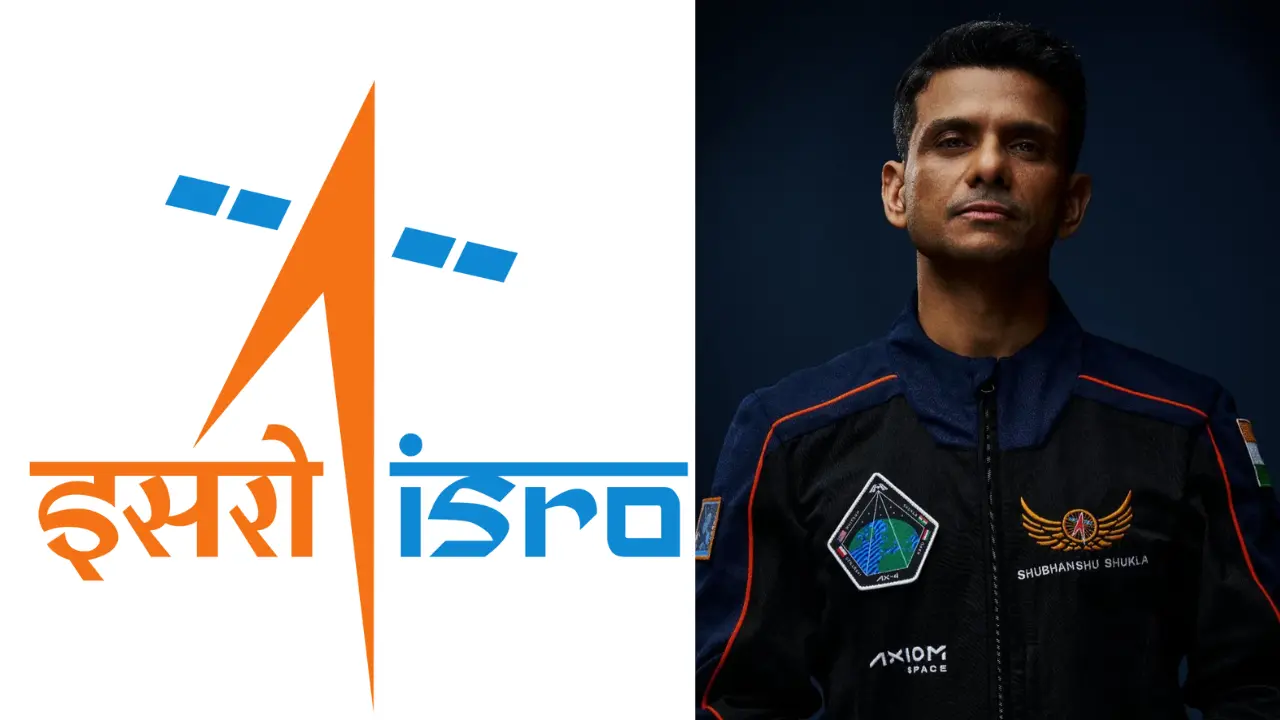
Crew Health and Adaptation
Staying 14 days helps astronauts adjust to microgravity and gives medical teams time to study health changes. It also keeps the mission within safe limits for the body.
5 / 7
(Photograph: Axiom Space | X)
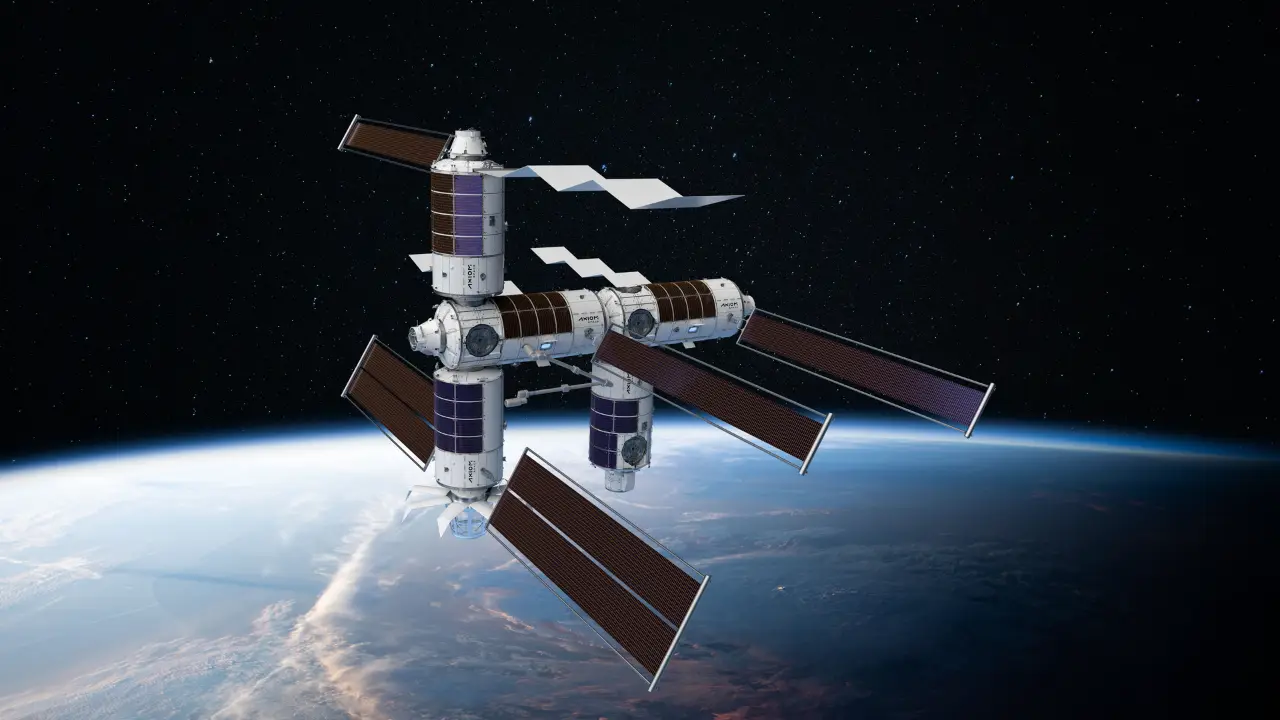
Training for Future Missions
A 14-day mission gives astronauts real experience in space operations. It prepares ISRO and India for longer missions and future plans for its own space station.
6 / 7
(Photograph: Axiom Space)
Efficient Use of ISS Resources
The mission length is set so the ISS can support the extra crew with food, water, and supplies without affecting other ongoing missions.
7 / 7
(Photograph: X)
A Step Forward for India in Space
This 14-day mission is a milestone for ISRO and Indian space research. It brings new knowledge, inspires students, and helps India prepare for more complex missions ahead.
)
)
)
)
)