ISRO's Shubhanshu Shukla: Indian astronaut to explore muscle healing in space

Edited By Abhinav Yadav
Published: Jun 02, 2025, 20:16 IST | Updated: Jun 02, 2025, 20:16 IST
Indian astronaut Shubhanshu Shukla leads a muscle regeneration study on combating muscle loss in space. This international project may boost treatments for muscle diseases and ageing on Earth, marking a major step for Indian science.
1 / 7
(Photograph: Axiom Space | NASA)
Muscle Regeneration: Shubhanshu Shukla’s Space Experiment
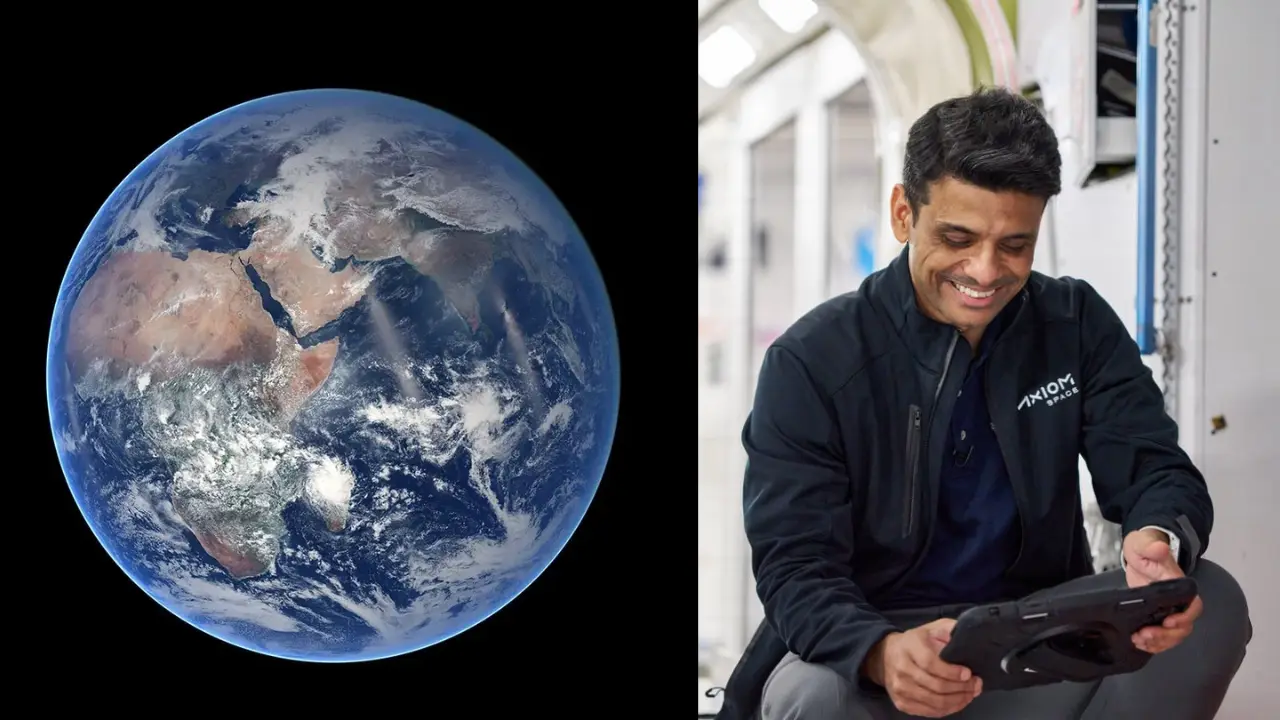
Indian astronaut Shubhanshu Shukla is leading a muscle regeneration study on the ISS with NASA and BioServe Space Technologies. The aim is to understand muscle loss in microgravity and find better solutions for astronauts.

2 / 7
(Photograph: Axiom Space)
Why Study Muscle Loss in Space?
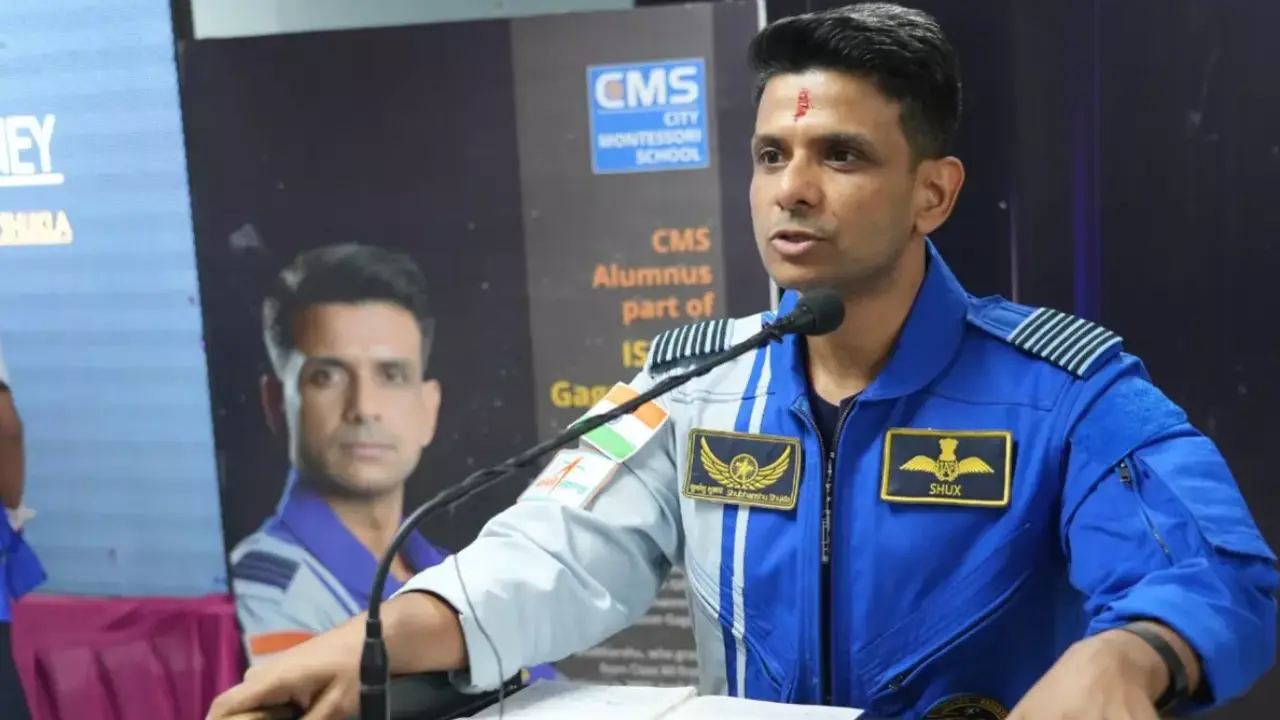
Astronauts can lose up to 20% of their muscle mass during long space missions. Microgravity causes muscle atrophy, making it hard to move or work in space and increasing the risk of injury when returning to Earth.
3 / 7
(Photograph: PTI)
How Does the Experiment Work?
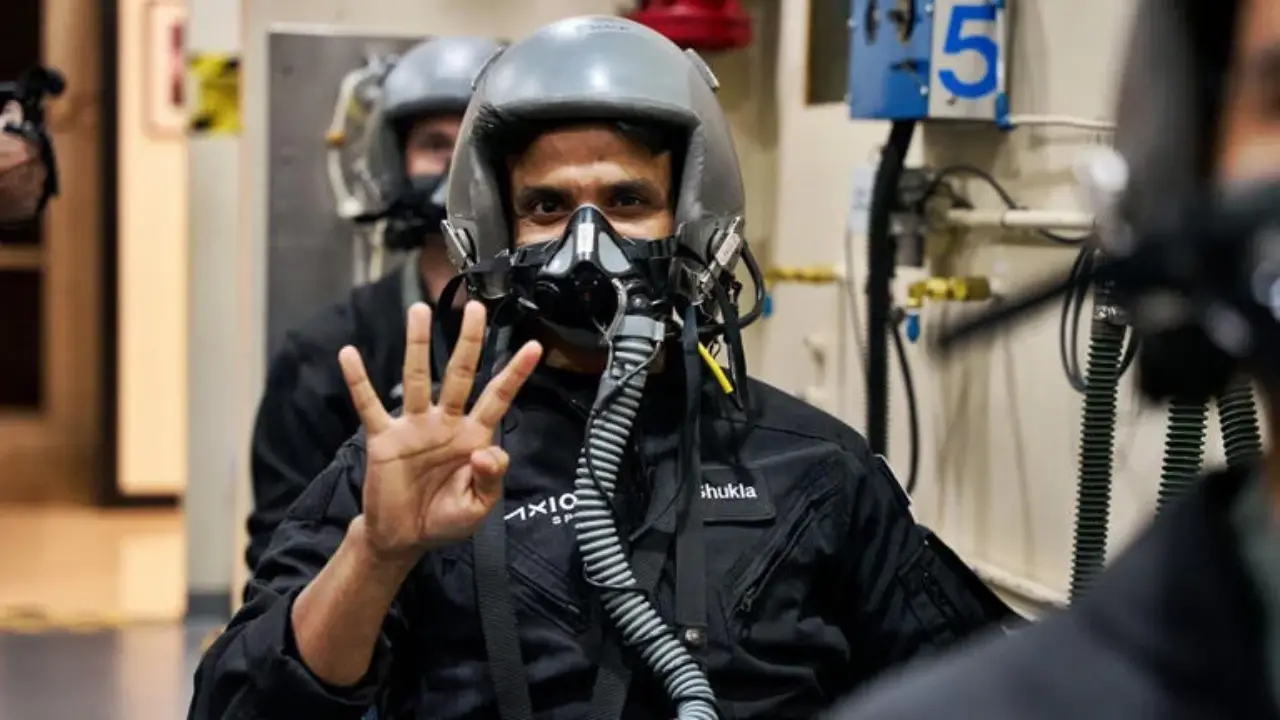
The experiment tests the effect of metabolic supplements on muscle cells grown in microgravity. Researchers want to see if these supplements can help muscle cells regenerate and stay healthy in space conditions.
4 / 7
(Photograph: Axiom Space)
What Are Metabolic Supplements?
Metabolic supplements are nutrients or compounds that support cell energy and repair. In this study, they are added to muscle cell cultures to check if they can prevent or reduce muscle loss in space.

5 / 7
(Photograph: Axiom Space)
Who Is Involved in the Research?
The study is a collaboration between ISRO, NASA, BioServe Space Technologies, and Indian research institutes like INSTEM. It is part of the Axiom-4 mission, with Shukla as the lead astronaut for India.
6 / 7
(Photograph: NASA)
Benefits for Earth
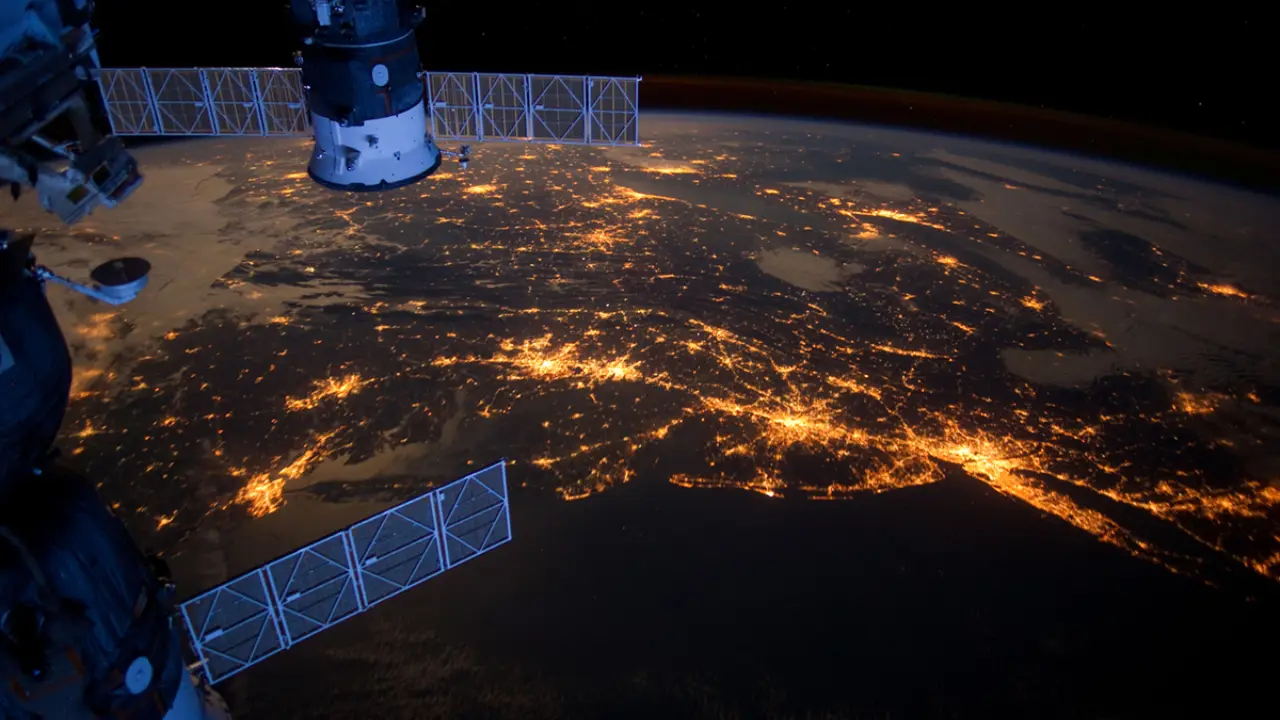
Understanding muscle loss in space can help treat muscle diseases and age-related muscle loss on Earth. The findings could improve therapies for patients with muscle wasting or those recovering from long bed rest.
7 / 7
(Photograph: PTI)
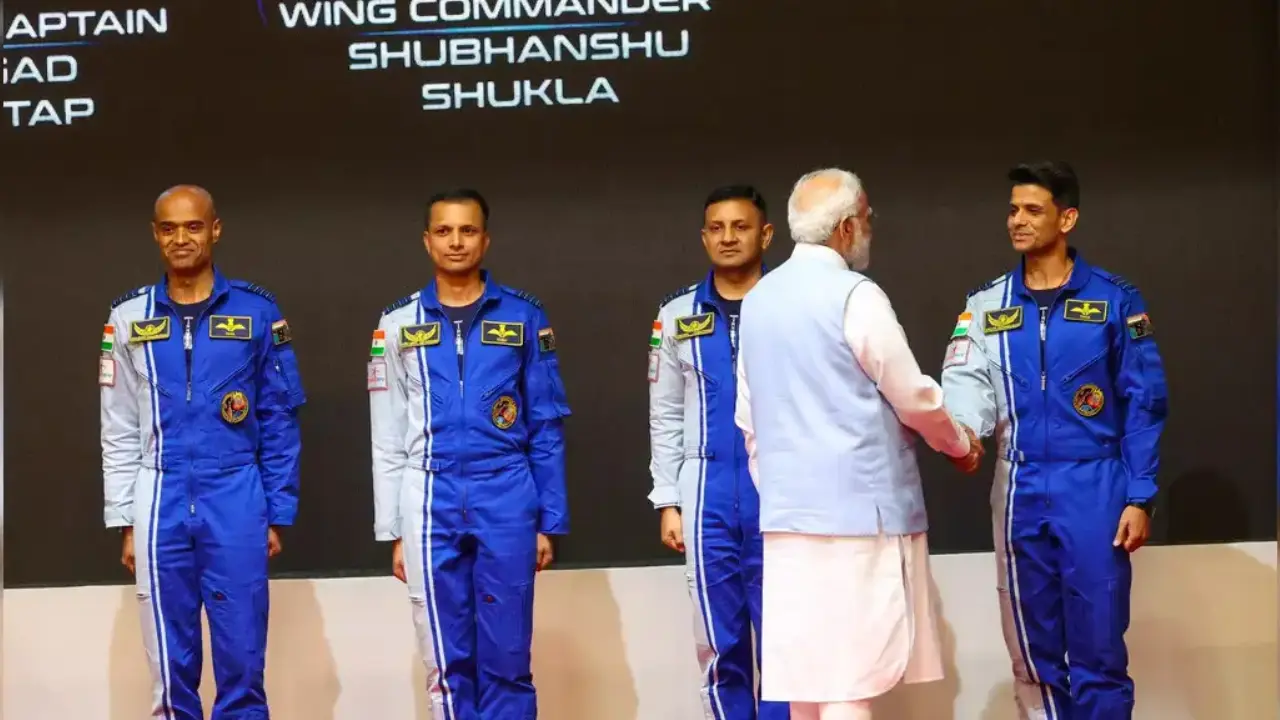
A Step Forward for Indian Science
This experiment marks a milestone for Indian space research. It shows how international partnerships can address health challenges in space and bring new medical knowledge to people on Earth.
)
)
)
)
)