ISRO’s Shubhanshu Shukla: India Astronaut to study how microalgae may help sustain life on the Moon and Mars

Edited By Abhinav Yadav
Published: Jun 05, 2025, 17:16 IST | Updated: Jun 05, 2025, 17:16 IST
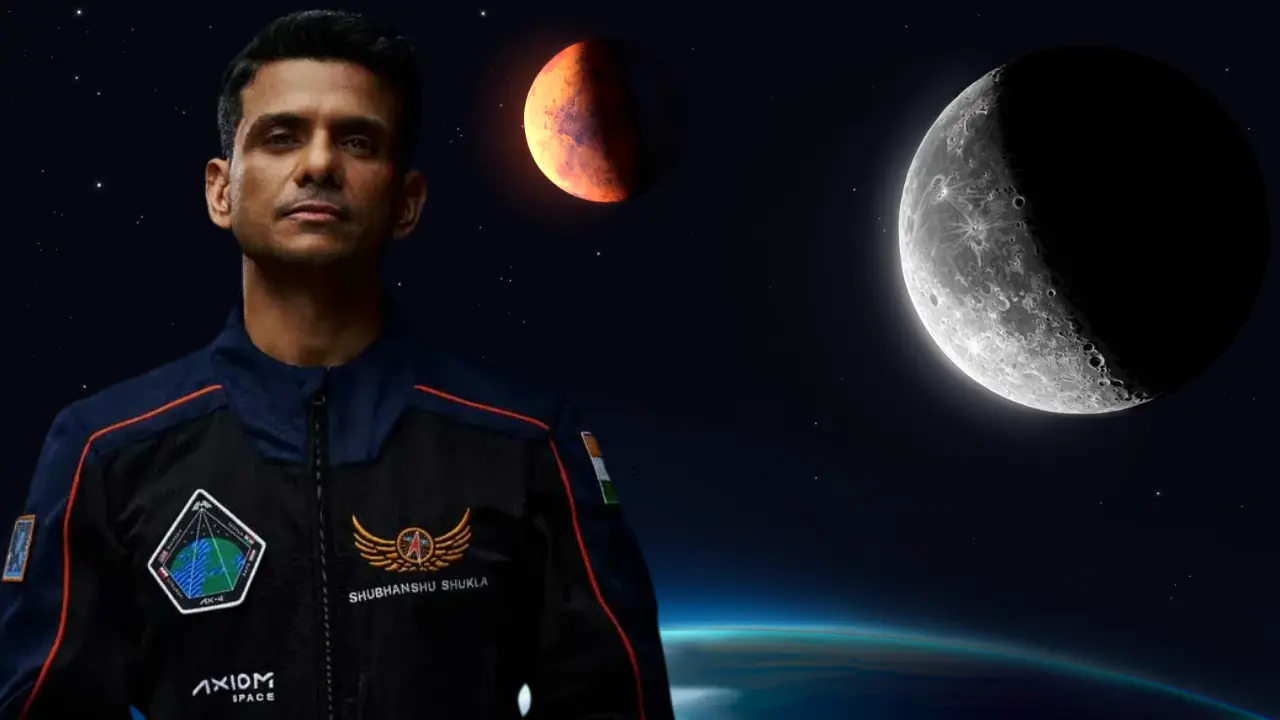
ISRO astronaut Shubhanshu Shukla will study microalgae growth in space during the Ax-4 mission. This research may help produce food, oxygen, and fuel for long missions and inspire students through live updates from the International Space Station.
1 / 7
(Photograph: NASA | Axiom Space)
ISRO’s Shubanshu Shukla and Microalgae in Space
ISRO astronaut Shubanshu Shukla is set to study how microalgae grow in space. This experiment will be on the International Space Station during the Ax-4 mission.
2 / 7
(Photograph: X)
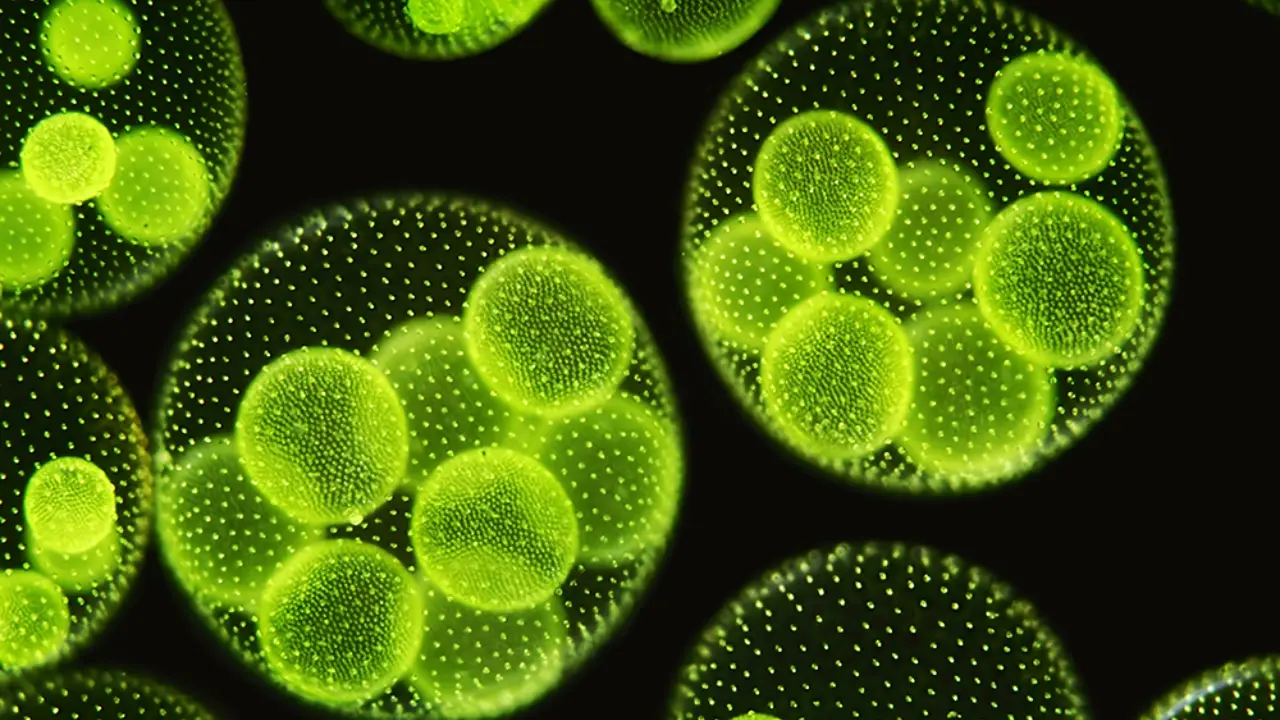
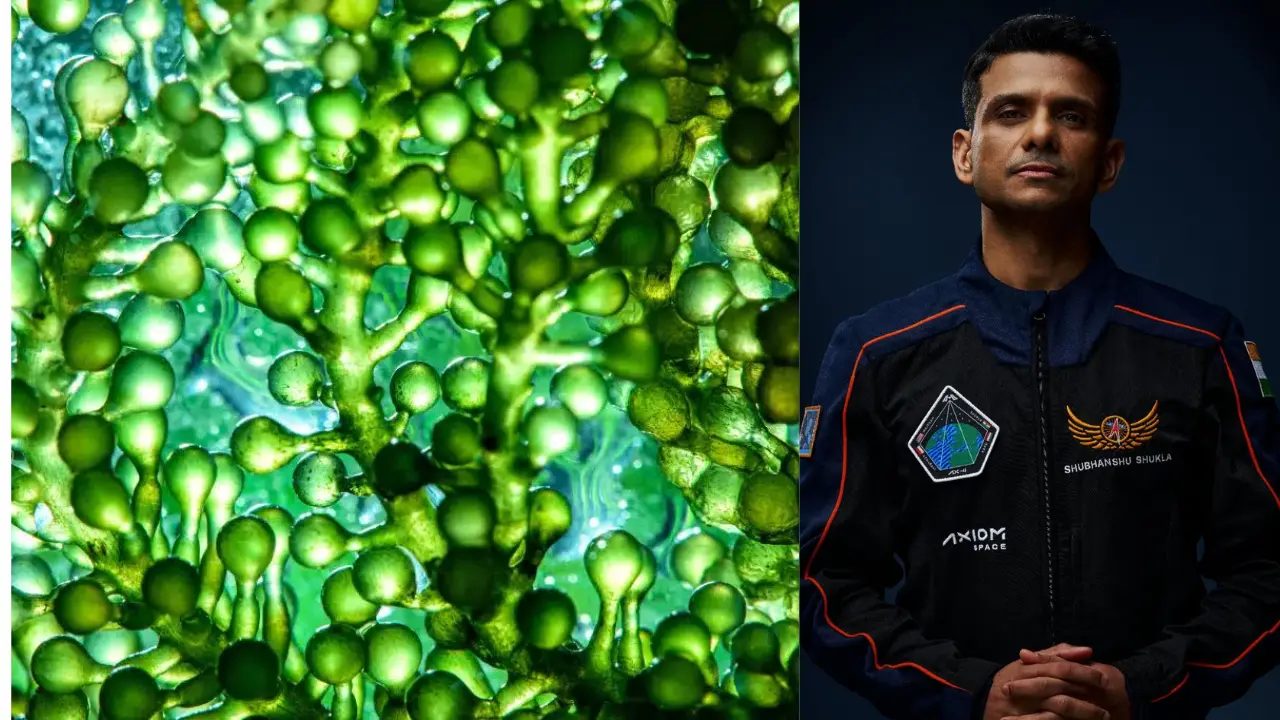
What Are Microalgae?
Microalgae are tiny plants found in water. They are full of nutrients, grow quickly, and can be used as food. Scientists want to see if they grow the same way in space as they do on Earth.
3 / 7
(Photograph: International Space Station)
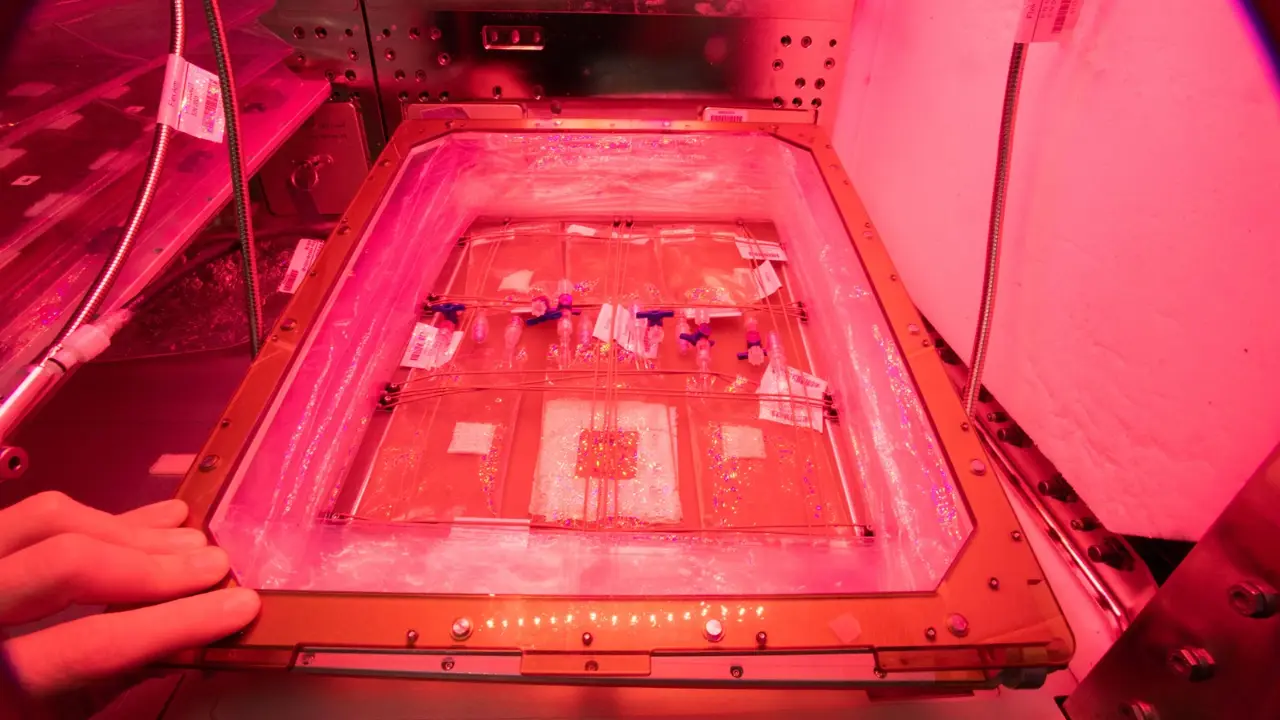
Why Study Microalgae in Space?
Microalgae can provide food and oxygen and help remove carbon dioxide. If they grow well in space, they could support astronauts on long missions to the Moon or Mars.
4 / 7
(Photograph: ISRO | X)
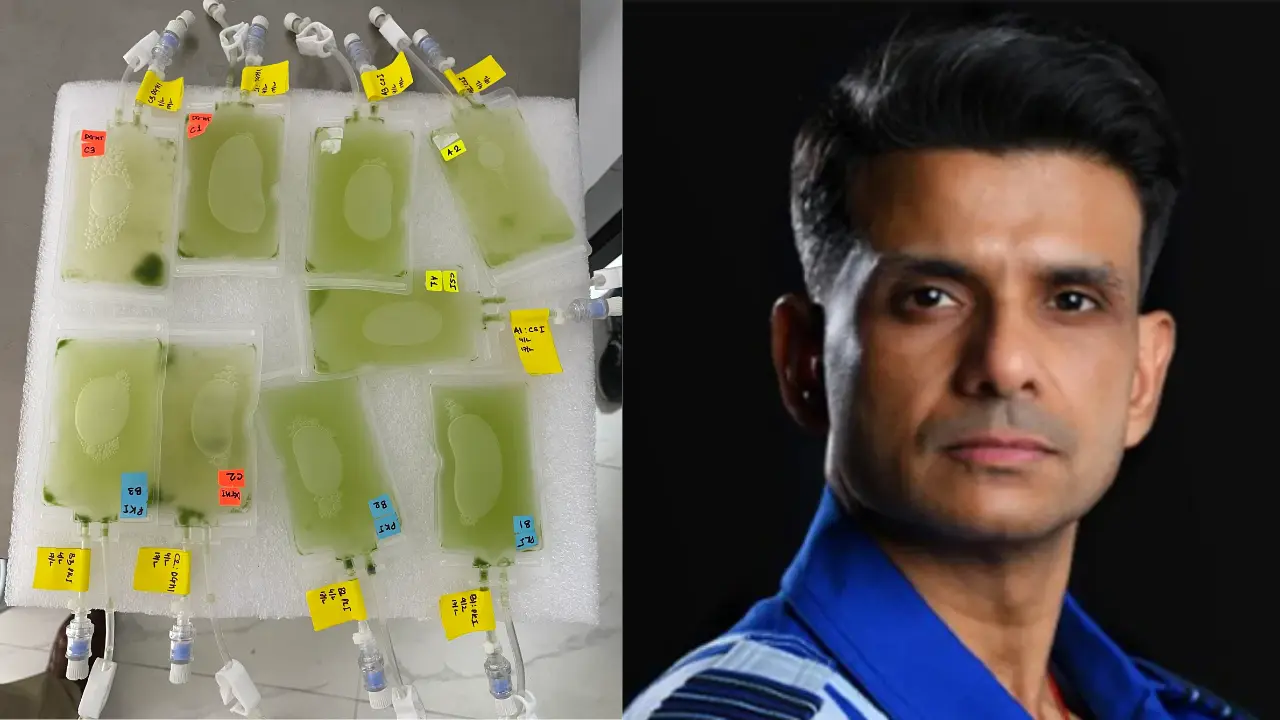
Setting Up the Experiment
Before launch, microalgae samples are prepared and packed safely. On the ISS, Shukla will place them in special containers to watch how they grow in microgravity.
5 / 7
(Photograph: Axiom Space | X)
Watching Growth and Genetics
Shukla will check the microalgae’s growth, colour, and changes in their genes. He will record these details and send the results to scientists on Earth.

6 / 7
(Photograph: Axiom Space)
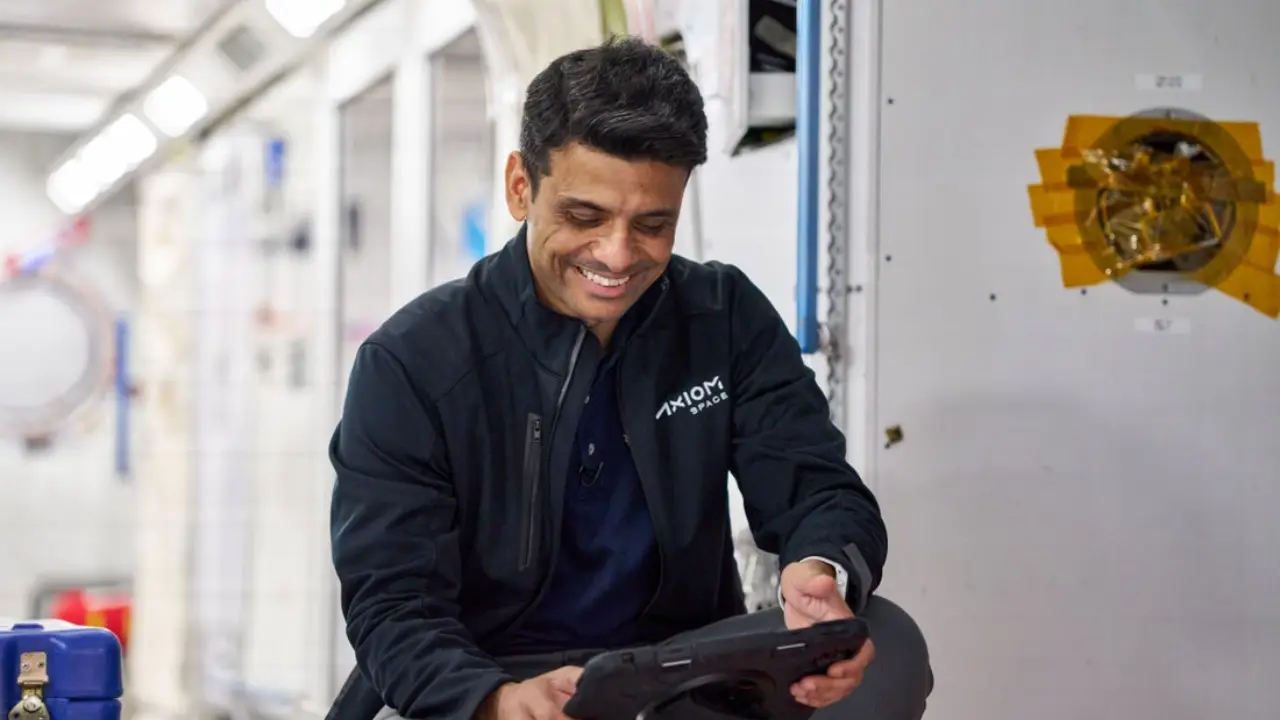
Benefits for Space
If microalgae grow well in space, they could be used for food, air, and even fuel on space missions. This research could also help develop new ways to use microalgae on Earth.
7 / 7
(Photograph: Axiom Space)
Sharing Knowledge with Students
Shukla will share updates about the experiment with students through live sessions from the ISS. This will help inspire young people to learn about science and space research.
)
)
)
)
)