ISRO-NASA NISAR mission: Know more about the GSLV-F16 launch vehicle

GSLV-F16, ISRO's rocket, is set to launch the NISAR satellite with NASA. Standing 51 metres tall and equipped with cryogenic technology, GSLV-F16 ensures safe, accurate placement of this landmark joint mission in space. know more below.
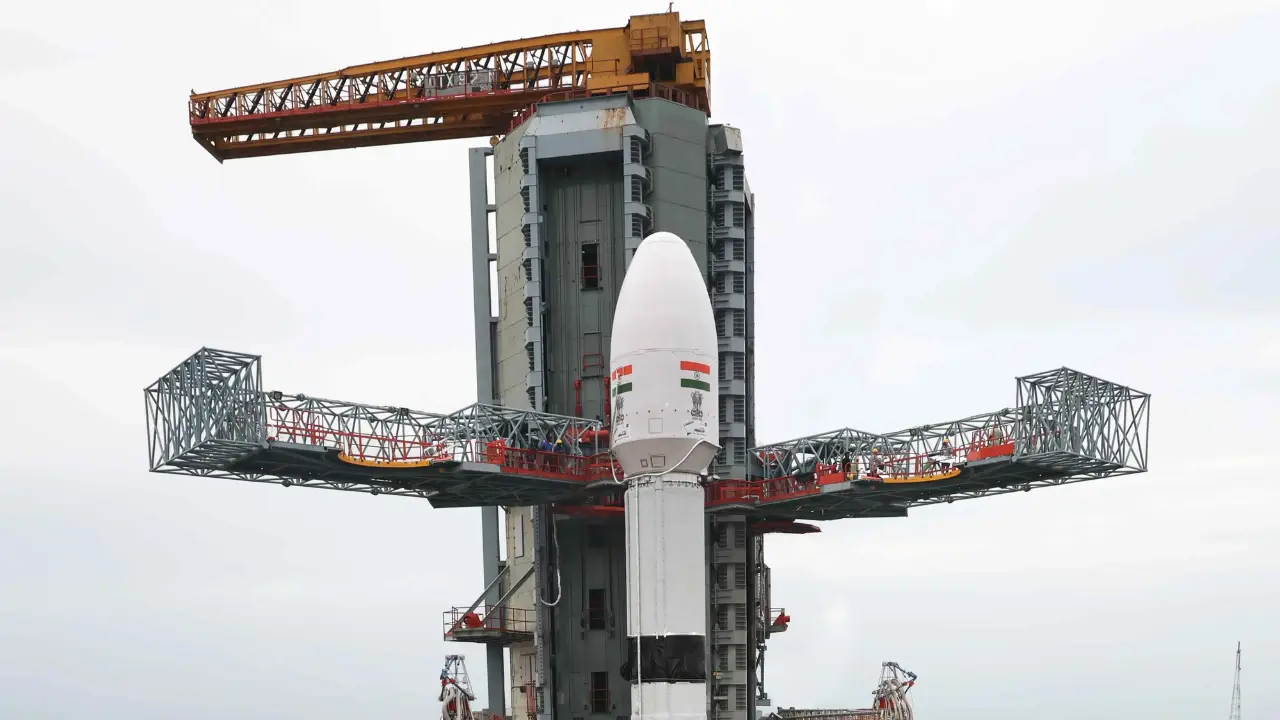
What is the GSLV-F16?
The GSLV-F16, India’s rocket launcher built by ISRO (Indian Space Research Organisation). On 30 July 2025, it will be launching off from Sriharikota with a very special passenger: the NISAR satellite, made together by India and NASA to study our planet from space. This is the 16th time a GSLV rocket is being used, specially prepared for this important Earth mission.
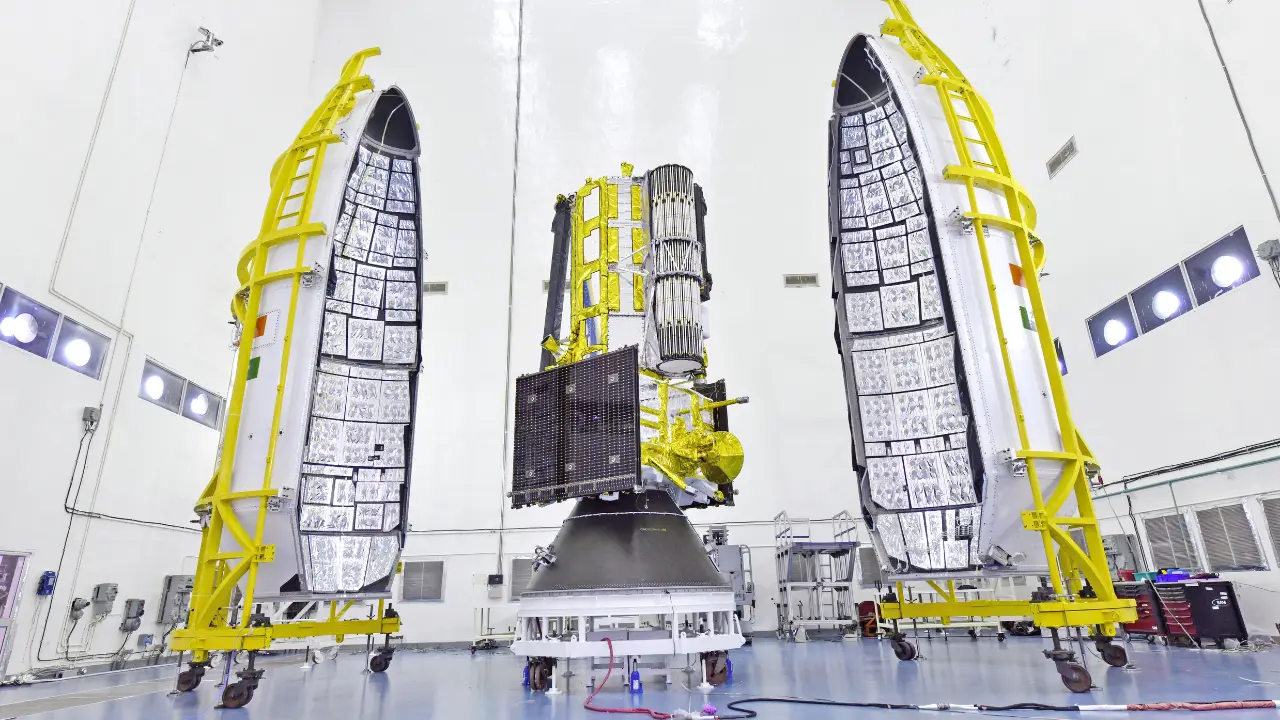
A Rocket with Three Power-Packed Stages
It’s has three parts that work like:
First, a strong solid rocket motor fires up (think of it as a super-powered firework). Then, four extra boosters filled with liquid fuel light up to help push the whole rocket higher. Finally, the topmost part uses something extra cool. It runs on super-chilled liquid hydrogen and oxygen, which gives it a powerful finish, perfect for heavy loads for NISAR.
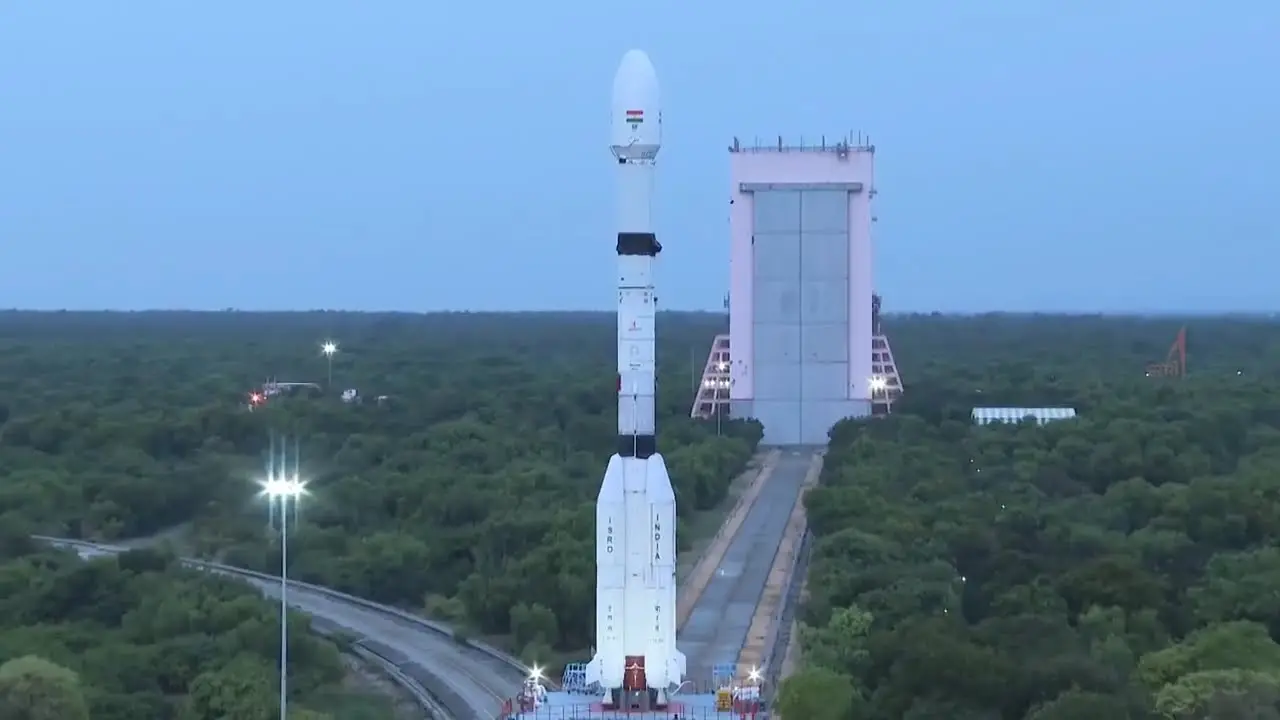
How big and heavy is it?
It’s huge about 51 metres tall. And it weighs as much as 70 elephants nearly 420 tonnes at lift-off. GSLV-F16 is strong enough to carry satellites weighing more than two small cars all the way up into space.
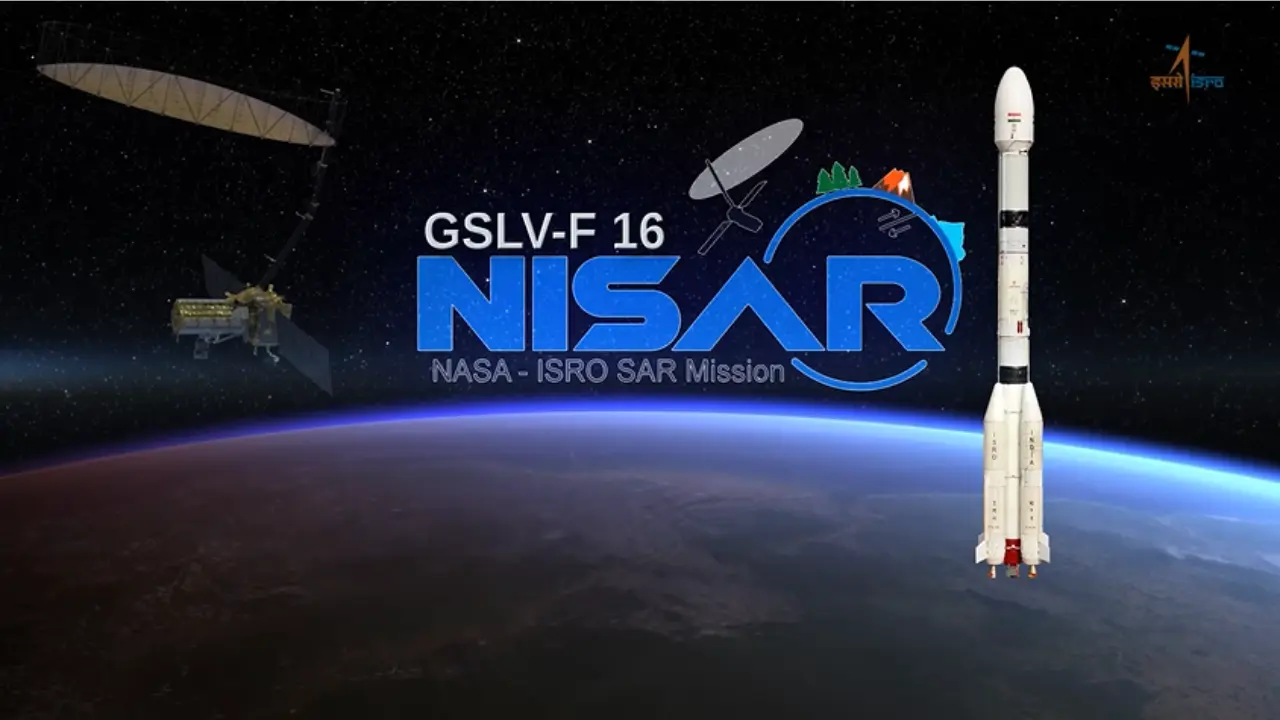
Why is NISAR riding rhis rocket?
NISAR isn’t just any satellite; it’s heavy (about 2,800 kg) and packed with sensitive science gadgets. It needs a rocket that’s powerful AND accurate to reach the exact spot in space. GSLV-F16’s special technology, especially its super-cold (cryogenic) top stage, makes sure NISAR gets there safely so its radars can do their important job circling Earth.
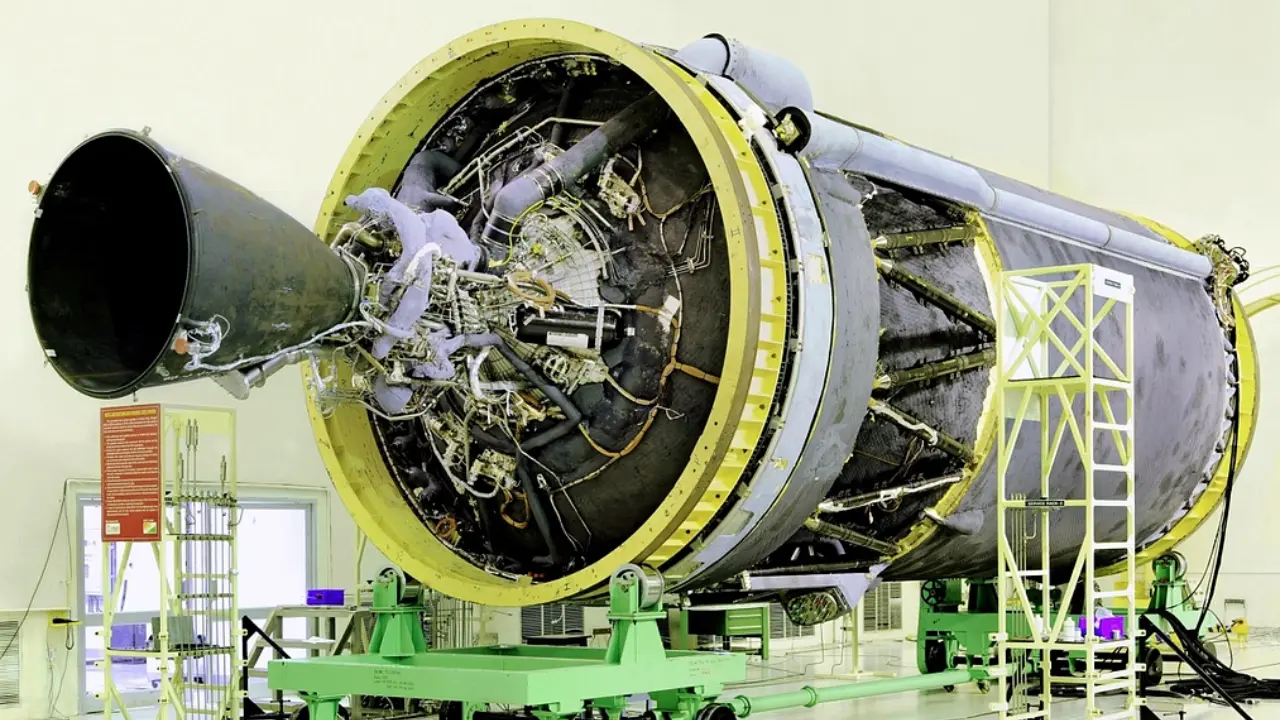
cryogenic engine
Not long ago, India used to buy this cryogenic tech from other countries. But now, ISRO builds it right here This home-grown stage is smart and reliable giving the rocket a longer, smoother push. That’s why GSLV rockets now succeed over 80 per cent of the time and are trusted for big, valuable missions like NISAR.
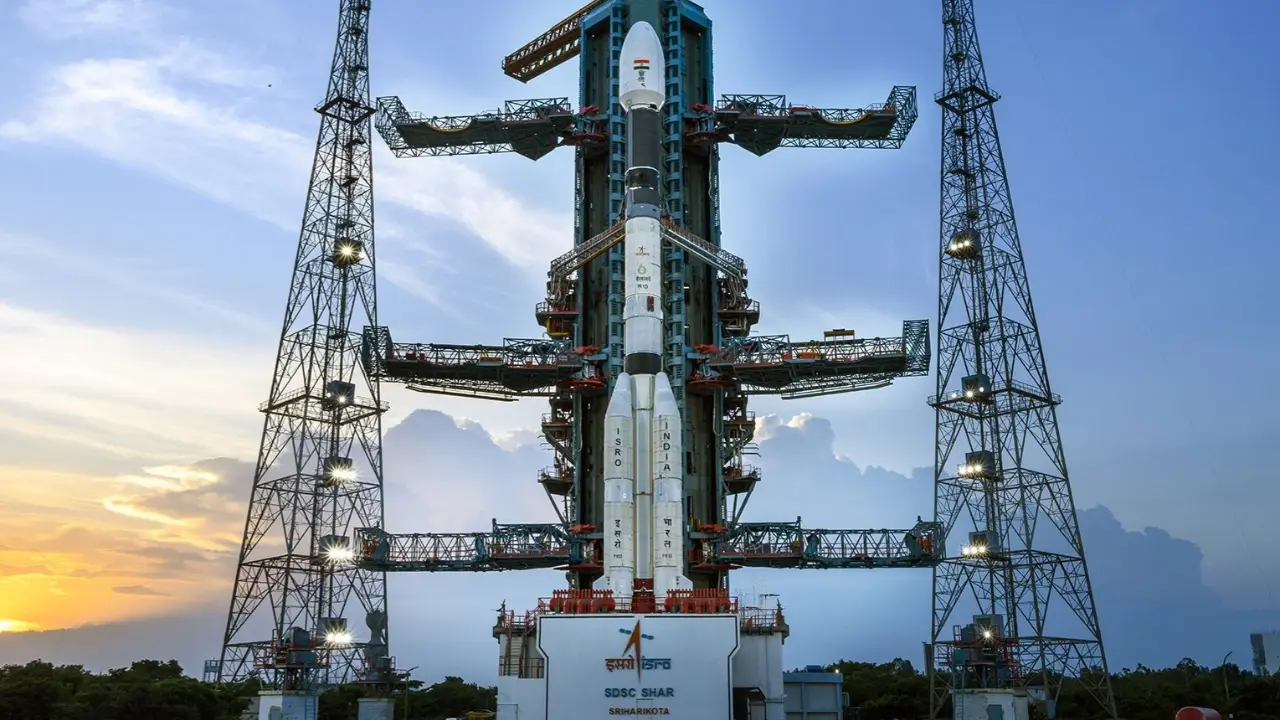
What happens at lift-off?
At launch, you’d see the bottom rocket fire first. Then, the side boosters roar to life. Near space, the cryogenic engine takes over for a final big boost, sending NISAR up to about 747 kilometres above Earth. When it gets there, the rocket carefully lets NISAR go, unfolding its huge antennas all on its own.
GSLV-F16 A proud part of India’s space story
The GSLV family of rockets is a key ingredient in India’s space journey. It’ll lift satellites up to help us with climate, navigation, TV, and even science partnerships. With GSLV-F16 and NISAR, India is showing the world it can support big, clever space projects joining hands with NASA and leading the way to new discoveries from space.
)
)
)
)
)