ISRO and NASA’s NISAR mission will lift-off on July 30 from this launchpad!

The NISAR mission will launch from the Satish Dhawan Space Centre in Sriharikota on 30 July 2025. India’s launch site, home to major satellite missions, combines coastal safety, world-class facilities, and a history of scientific milestones.
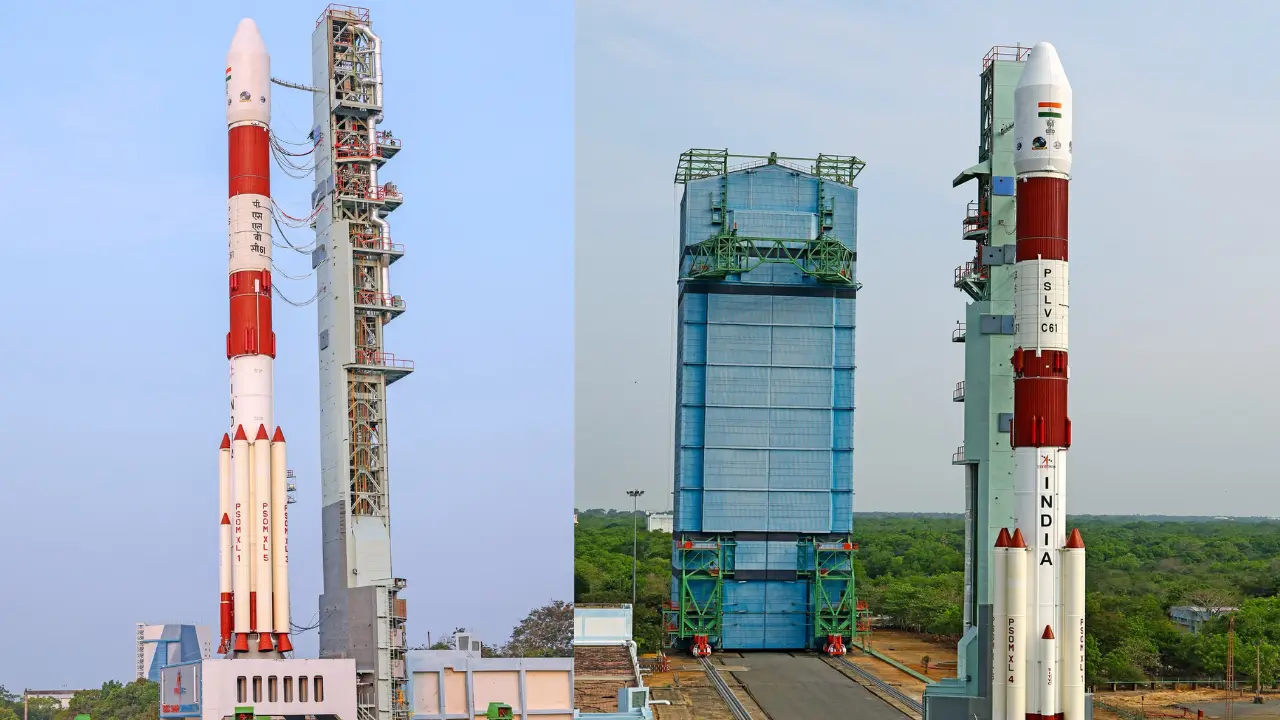
Where is NISAR launching from?
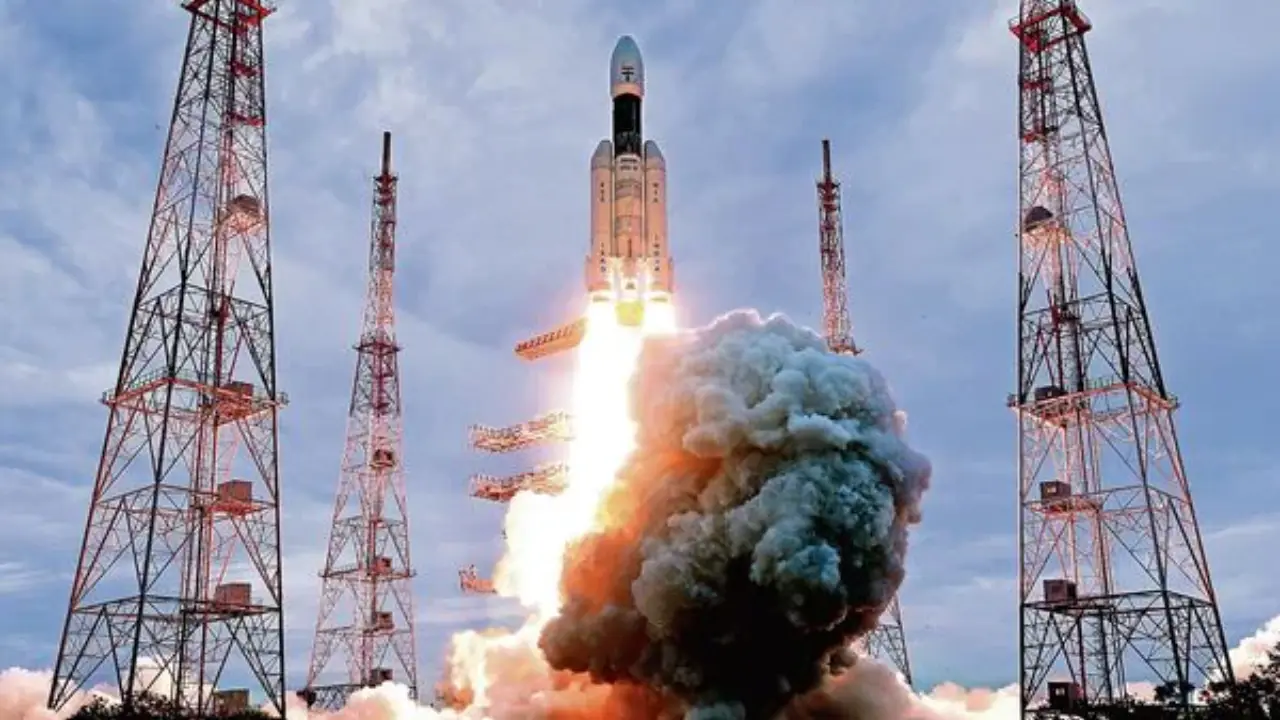
The ISRO-NASA NISAR mission will launch on 30 july 2025 from the Satish Dhawan Space Centre (SDSC SHAR), Sriharikota, India’s only spaceport. NISAR is lifting off at 17:40 IST on a GSLV-F16 rocket. Sriharikota is about 80km north of Chennai, set on a coastal island perfect for rocket launches.
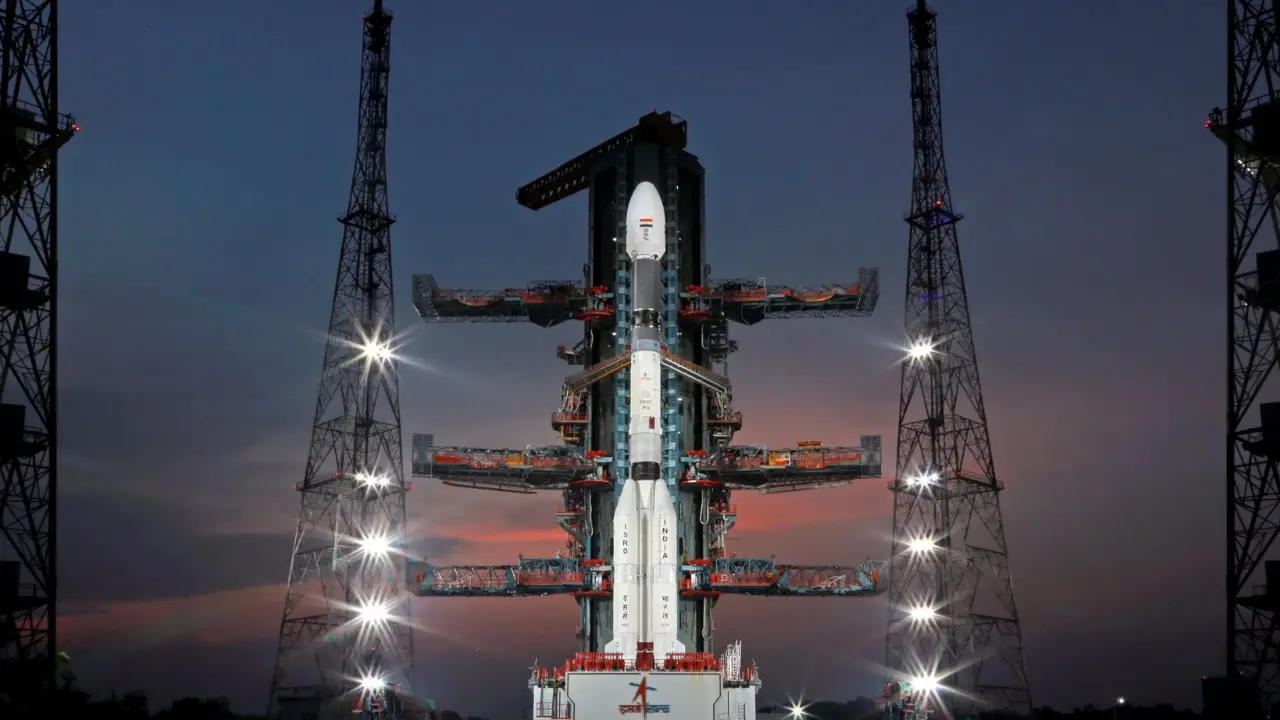
The history of Sriharikota spaceport
Sriharikota was picked for India’s rocket base in 1969, and SDS SHAR became operational on 9 October 1971 with the first ‘Rohini-125’ launch. It started as SHAR (Sriharikota range) and was renamed in 2002 in honour of Satish Dhawan, an iconic ISRO chairman who led India’s first satellite missions.
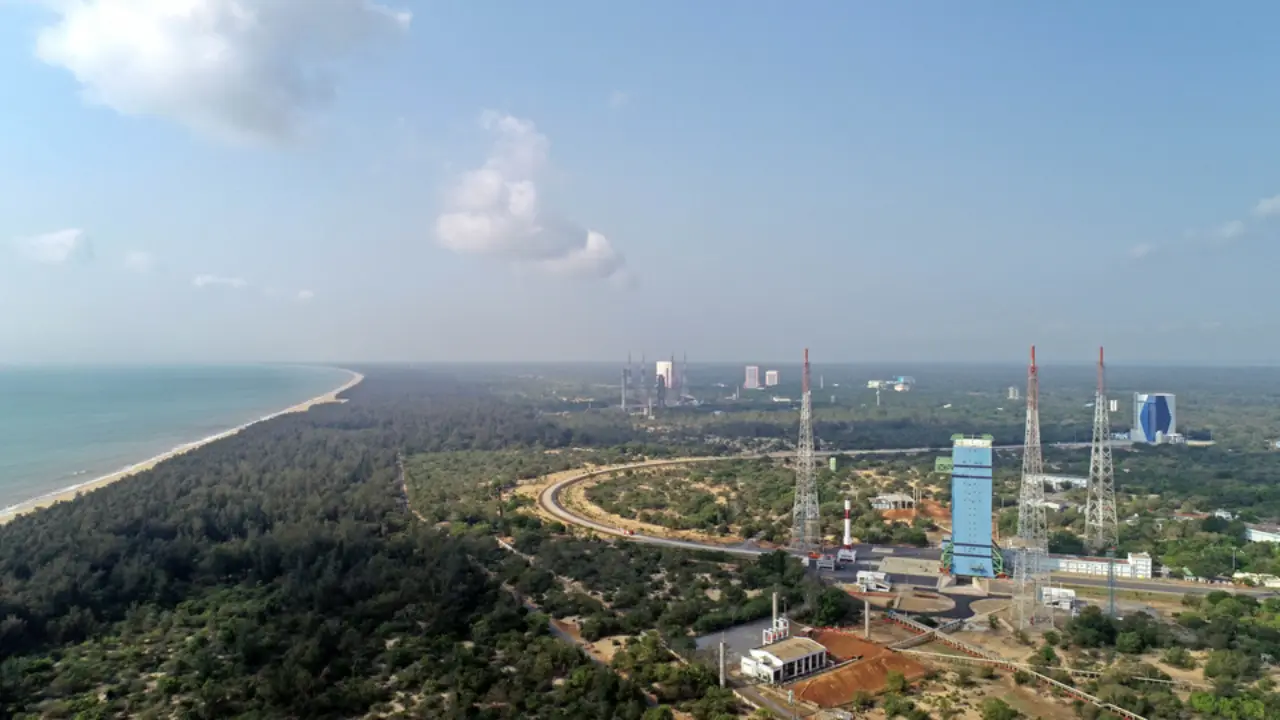
Why is Sriharikota the perfect launch site?
SDS SHAR sits close to the equator, letting rockets gain extra speed from Earth’s spin. The coastal setting ensures Rocket debris lands at sea, away from people. Its sparse population and open space allow safe launches for both small and large rockets, including human spaceflight projects.
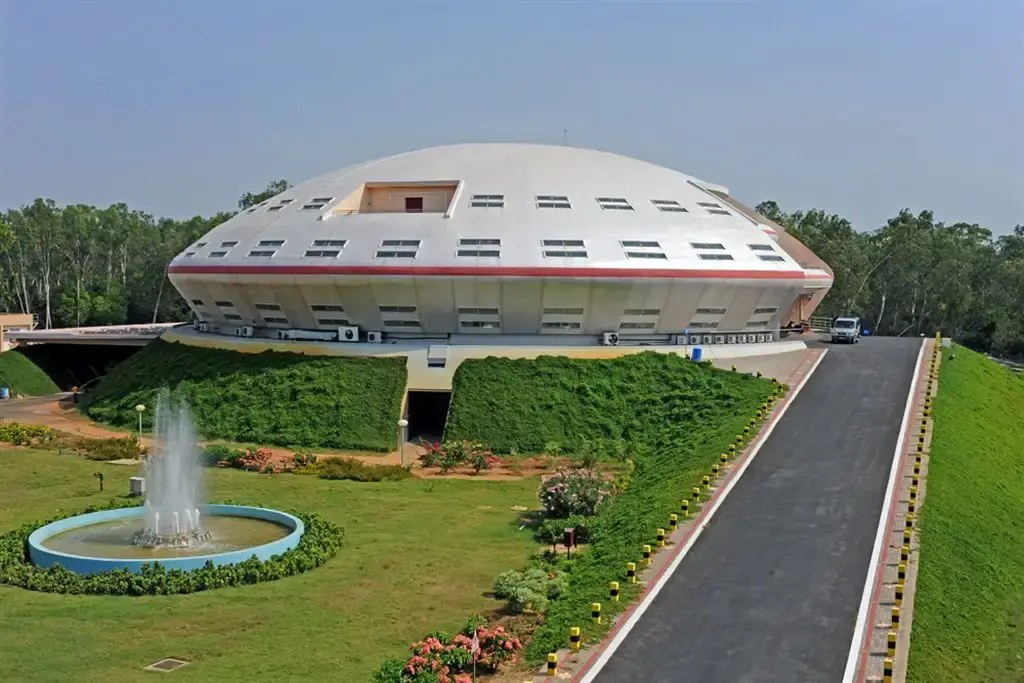
World-class launch facilities
The space centre has two main launch pads and is adding a third. These pads support many rockets like PSLV, GSLV and new private rockets. SDS SHAR also has an assembly complex, solid fuel plants and advanced tracking and control rooms for safe launches year-round.
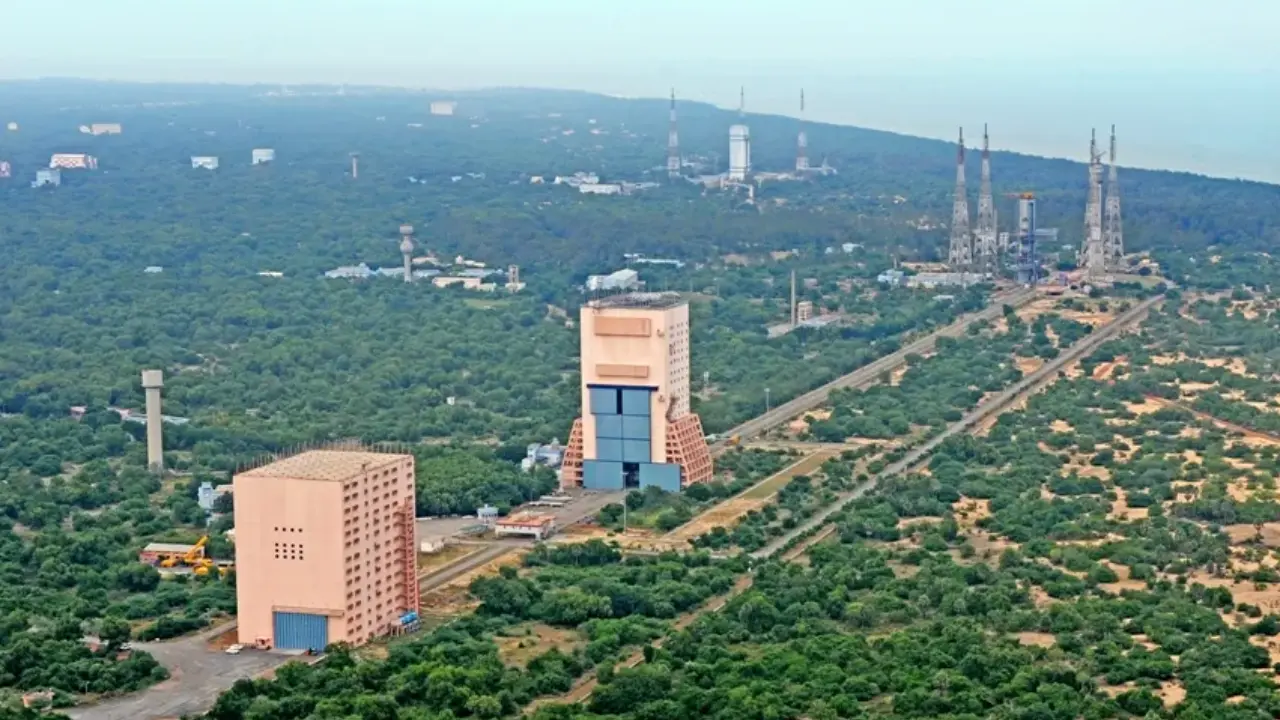
Sriharikota
The centre covers over 43,000 acres with 50km of coast. Surrounded by Pulicat Lake and forests, it’s a sanctuary for birds and wildlife as well as high-tech work. During monsoon, thousands of migratory birds visit, earning it the nickname “spaceport in nature’s lap”.
Satish Dhawan-India's rocket pioneer
Satish Dhawan led ISRO from 1972 and transformed India’s space ambitions. He inspired a push for using advanced technology for real problems. Naming the centre after him in 2002 honours his legacy and contributions to India and global science.
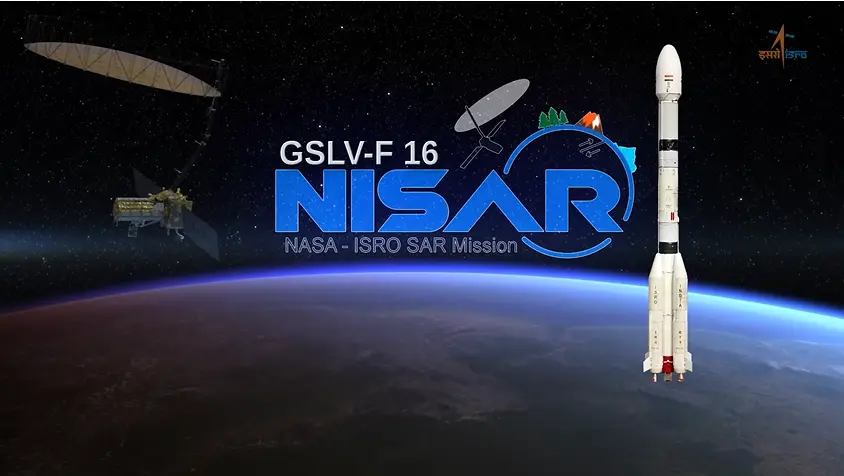
NISAR launch-another milestone
With the NISAR launch, SDS SHAR adds another chapter to its storied history. The mission be of radar satellite into space, which will be helping track Earth’s changes for disaster monitoring and climate research.
)
)
)
)
)