Israel vs Iran: How Israel can protect itself using lasers, missiles, and radar if attacked

Israel employs a sophisticated multi-layered air defence system to counter aerial threats. This network includes the Iron Dome for short-range rockets, David's Sling for cruise missiles, and the Arrow system for ballistic threats.
Multi-layered defence strategy
Israel does not rely on a single weapon but uses a multi-layered architecture to stop attacks. This strategy ensures that if one system misses a target, the next layer can intercept it before impact. The layers are designed by altitude and range, covering short-range rockets, cruise missiles, and long-range ballistic threats simultaneously. This redundancy is vital for protecting population centres against massive volleys of incoming fire from different directions.
Iron Beam laser system
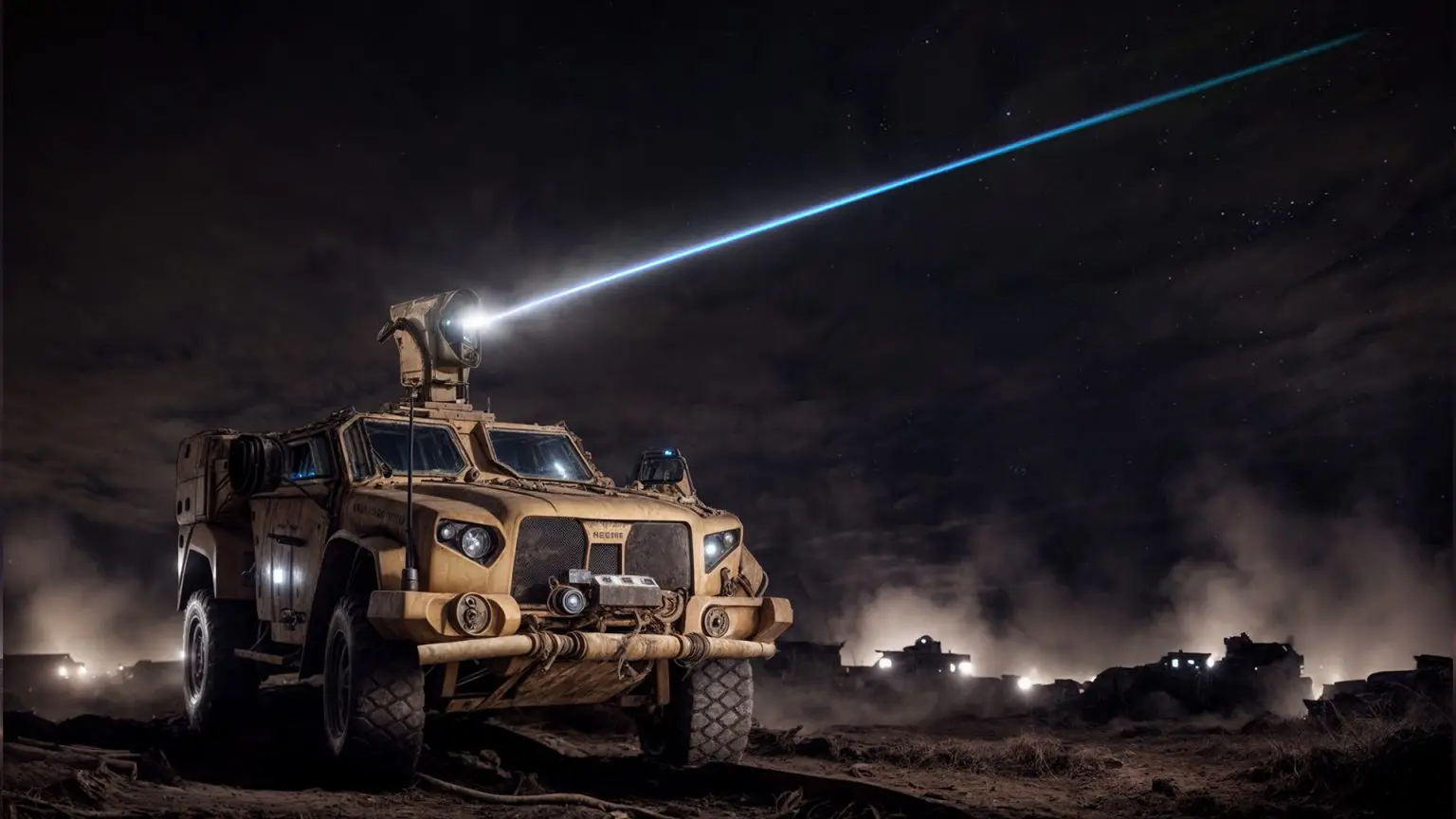
The newly operational Iron Beam is a directed-energy weapon that uses a high-power laser to destroy targets. It is designed to intercept short-range threats like drones, mortars, and anti-tank rockets within a few kilometres. The system works by focusing a laser beam on the target, heating it until it disintegrates or malfunctions. This "speed of light" weapon changes the battlefield by offering an unlimited magazine as long as there is electricity.
Iron Dome capabilities
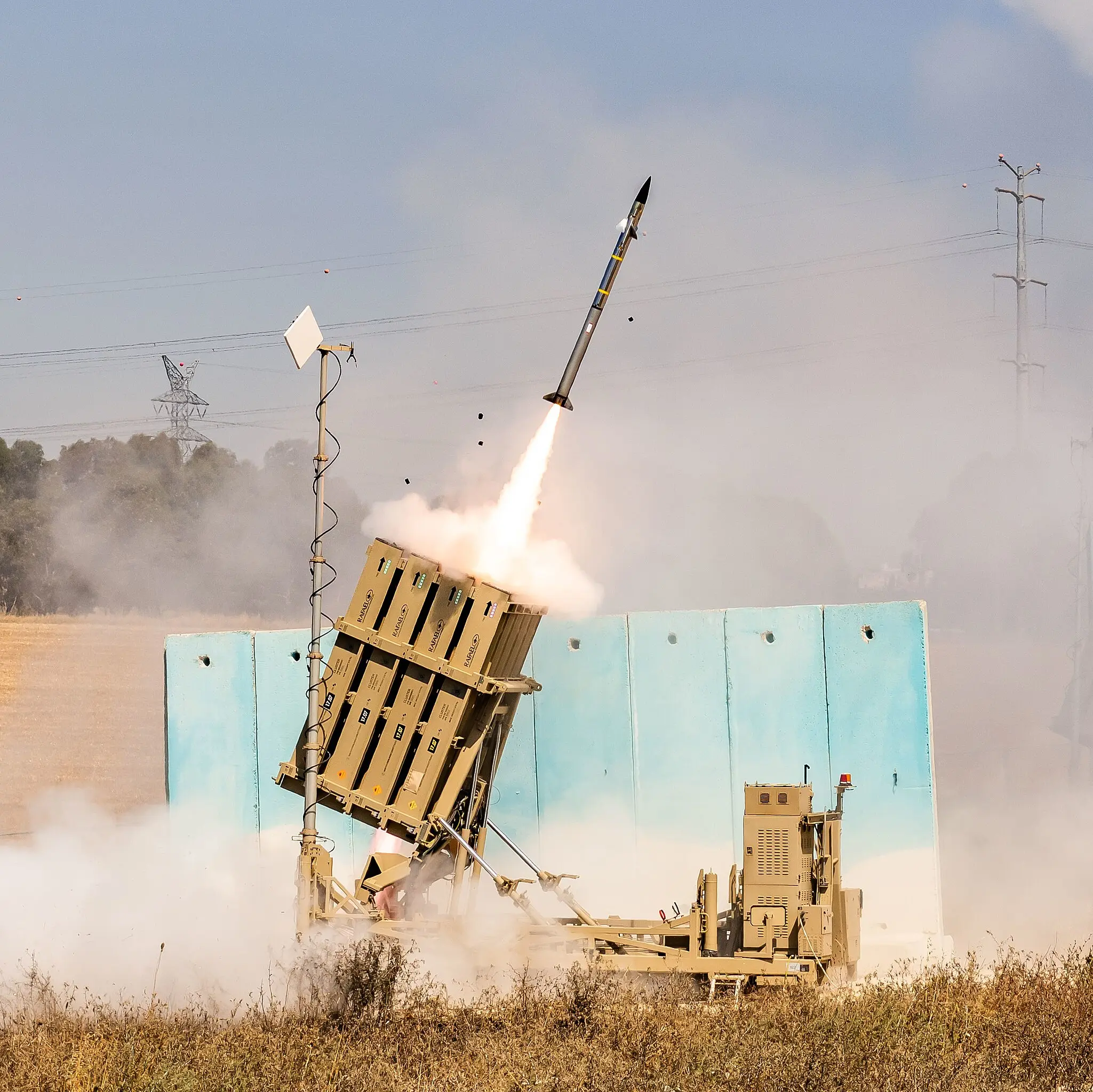
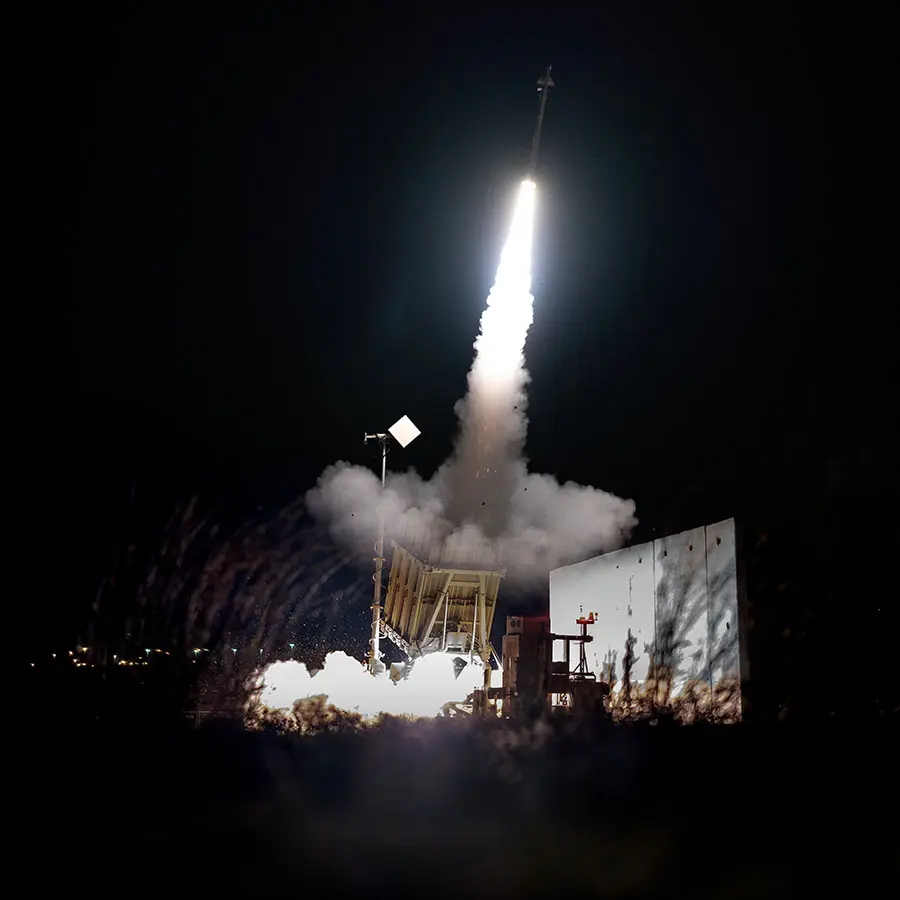
The Iron Dome is the most famous layer, responsible for intercepting short-range rockets and artillery shells. It uses the Tamir interceptor missile, which carries a radar seeker and a warhead to destroy incoming threats in the air. The system is highly efficient, with a success rate often exceeding 90 per cent in combat situations. It uses advanced algorithms to ignore rockets that are calculated to land in open, unpopulated areas.
David's Sling interceptor
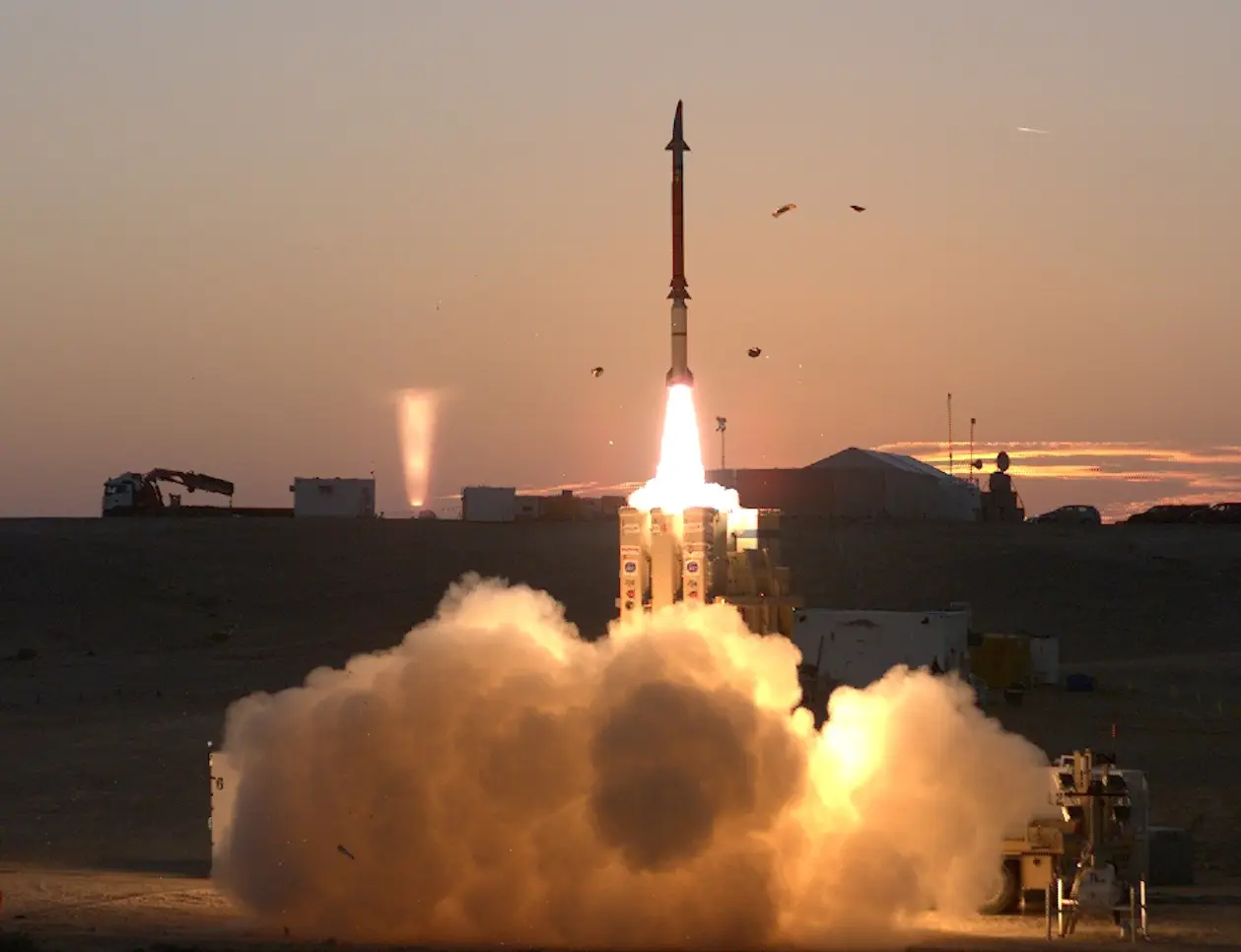
David's Sling fills the gap between short-range and long-range defences, targeting enemy planes, drones, and cruise missiles. It is specifically built to intercept heavy rockets and tactical ballistic missiles fired from distances of 40 to 300 kilometres. The system uses the "Stunner" missile, which has no explosive warhead but destroys targets through the sheer force of direct impact. This makes it highly effective against manoeuvrable threats that are hard to track.
Arrow missile defence
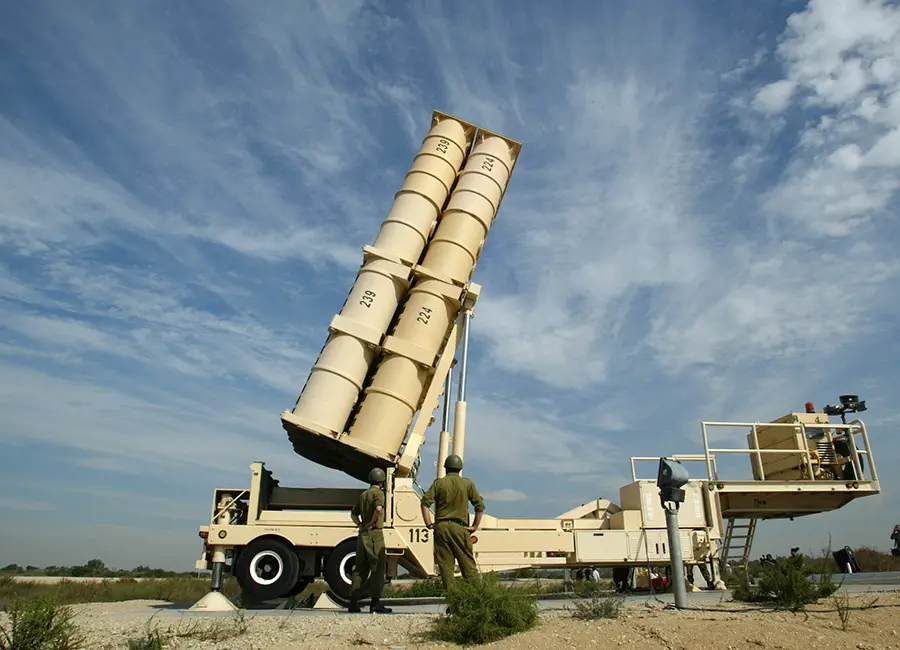
The Arrow 2 and Arrow 3 systems form the upper tier of Israel's shield, designed to stop long-range ballistic missiles. Arrow 3 is particularly advanced, capable of intercepting missiles in space (exo-atmospheric) before they re-enter the Earth's atmosphere. This capability allows Israel to destroy nuclear or chemical warheads far from its borders, preventing fallout damage. These systems operate at high altitudes and cover vast distances to ensure safety.
Green Pine radar detection
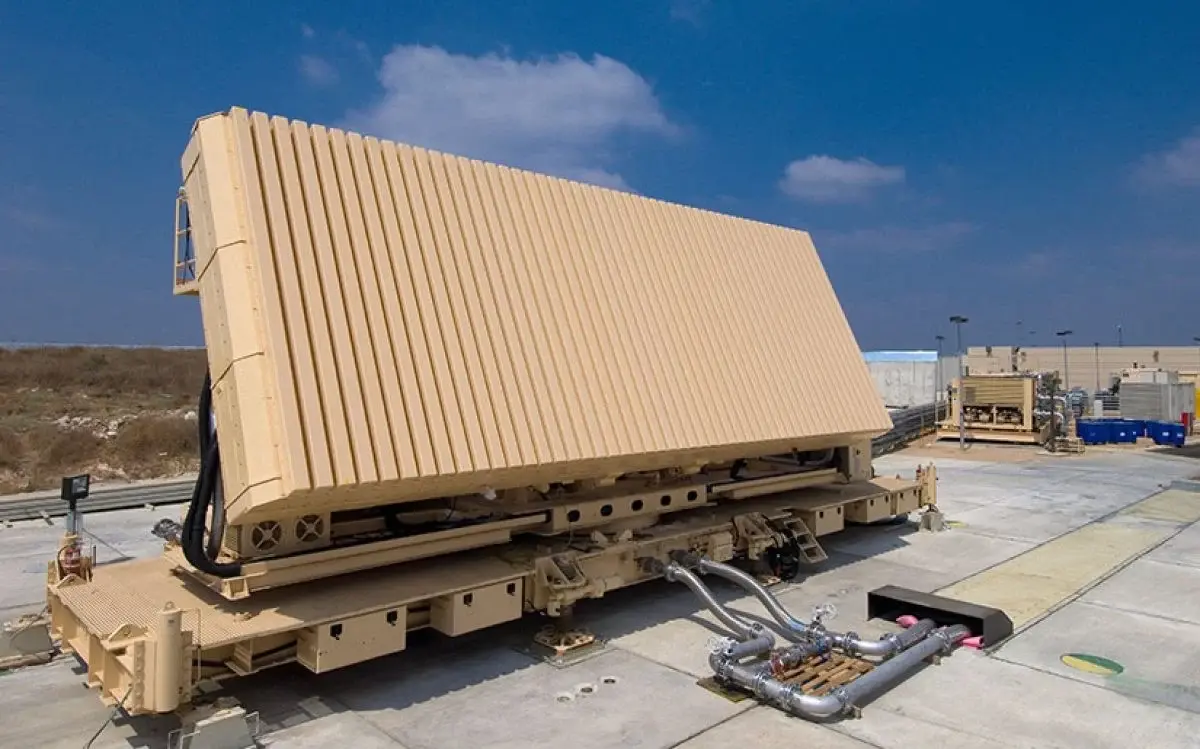
The eyes of Israel's defence are the EL/M-2080 Green Pine and Super Green Pine radar systems. These massive, ground-based radars can detect and track incoming ballistic missiles from hundreds of kilometres away. They calculate the trajectory of the threat instantly and relay the data to the appropriate firing unit. The radar can track dozens of targets simultaneously, allowing the system to prioritise the most dangerous threats automatically.
Cost efficiency of lasers
A major advantage of the new laser systems is the dramatic reduction in interception costs. While an Iron Dome interceptor costs roughly $50,000 and Arrow missiles cost millions, an Iron Beam shot costs just a few dollars. This economic shift allows Israel to counter cheap enemy drones and rockets without draining its financial resources. It helps balance the cost equation against adversaries who use inexpensive, mass-produced weapons.
)
)
)
)
)