Israel vs Iran: Can Iran’s missiles break Israel’s air defence systems?

Iran’s saturation tactics and hypersonic missiles pose a severe test for Israel’s air defence. While the Arrow system is formidable, high costs and volume attacks remain critical vulnerabilities.
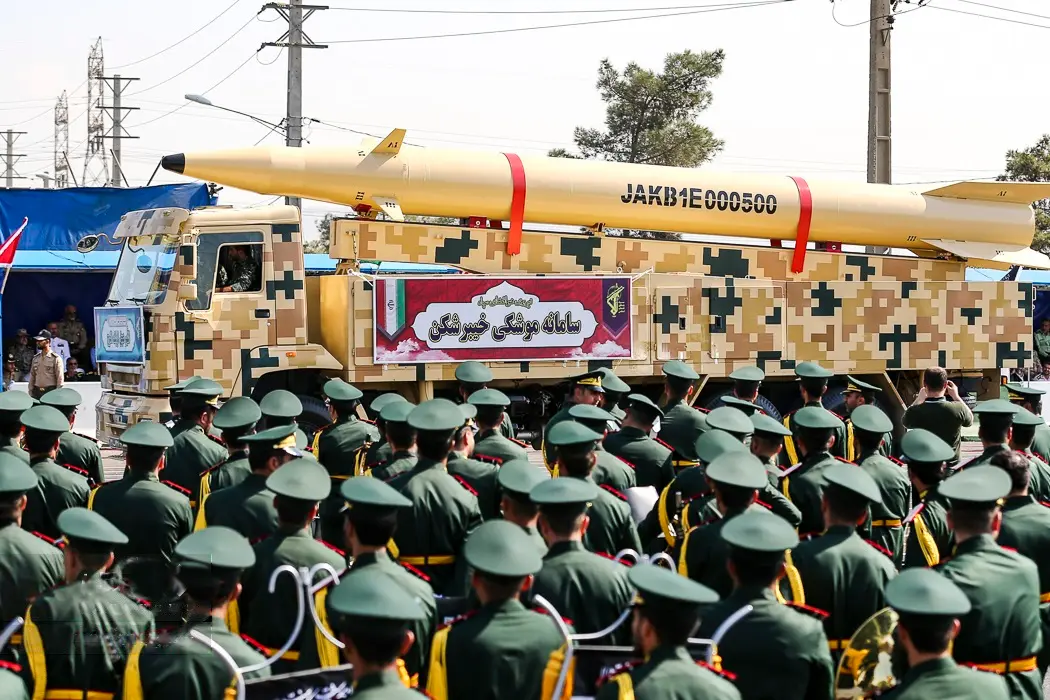
Iran’s Massive Missile Arsenal
Tehran possesses the largest ballistic missile arsenal in the Middle East, estimated at over 3,000 missiles capable of reaching Tel Aviv. This stockpile includes the Sejjil and Kheibar Shekan, which can travel 2,000 kilometres to strike targets deep inside Israel.
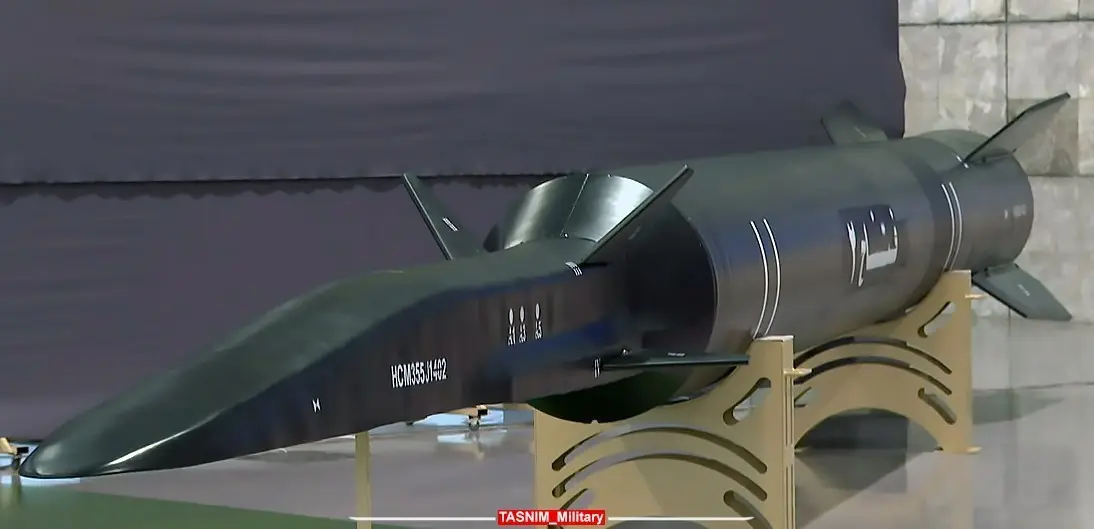
The Hypersonic Factor: Fattah-2
Iran claims its new Fattah-2 missile is a hypersonic weapon that travels at Mach 15, or 15 times the speed of sound. Unlike standard ballistic missiles, it uses a glide vehicle to manoeuvre in flight, making it much harder for radar systems to track and intercept.
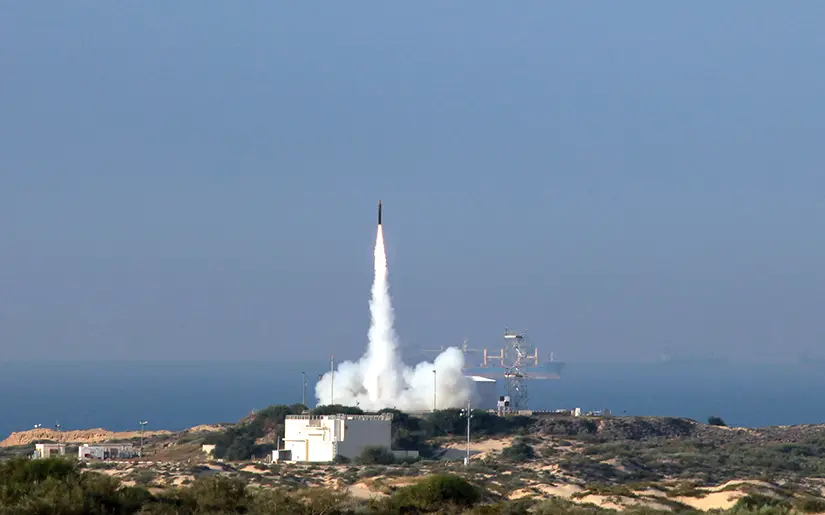
Israel’s Multi-Layered Shield
Israel relies on a three-tier defence system: Iron Dome for short-range rockets, David’s Sling for medium threats, and the Arrow 3 for space-level interceptions. The Arrow 3 is specifically designed to destroy Iranian ballistic missiles outside the Earth's atmosphere.

The Saturation Tactic
Iran’s primary strategy is not accuracy but volume, firing hundreds of missiles simultaneously to exhaust Israel's interceptor supply. By launching waves of cheap projectiles alongside advanced missiles, they aim to overwhelm the tracking radars and force a system failure.

Lessons from October StrikesLessons from October Strikes
During the October 2024 attack, Iran fired nearly 200 missiles, and while most were intercepted, several struck the Nevatim airbase. This proved that no defence system is hermetic; even a 90 per cent success rate means 20 missiles could still hit their targets during a massive barrage.
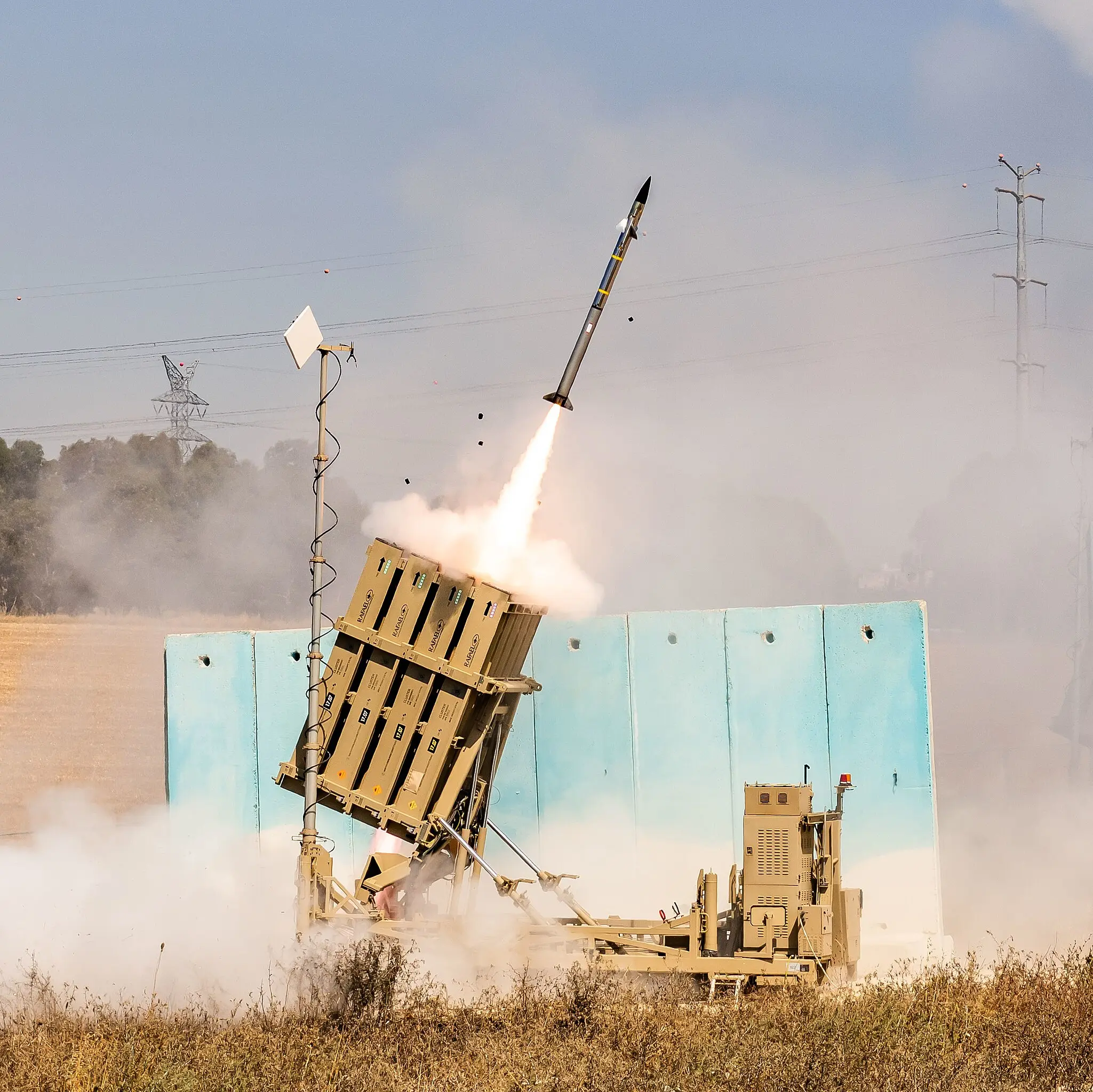
Lessons from October Strikes
During the October 2024 attack, Iran fired nearly 200 missiles, and while most were intercepted, several struck the Nevatim airbase. This proved that no defence system is hermetic; even a 90 per cent success rate means 20 missiles could still hit their targets during a massive barrage.
Future Tech: Lasers vs Speed
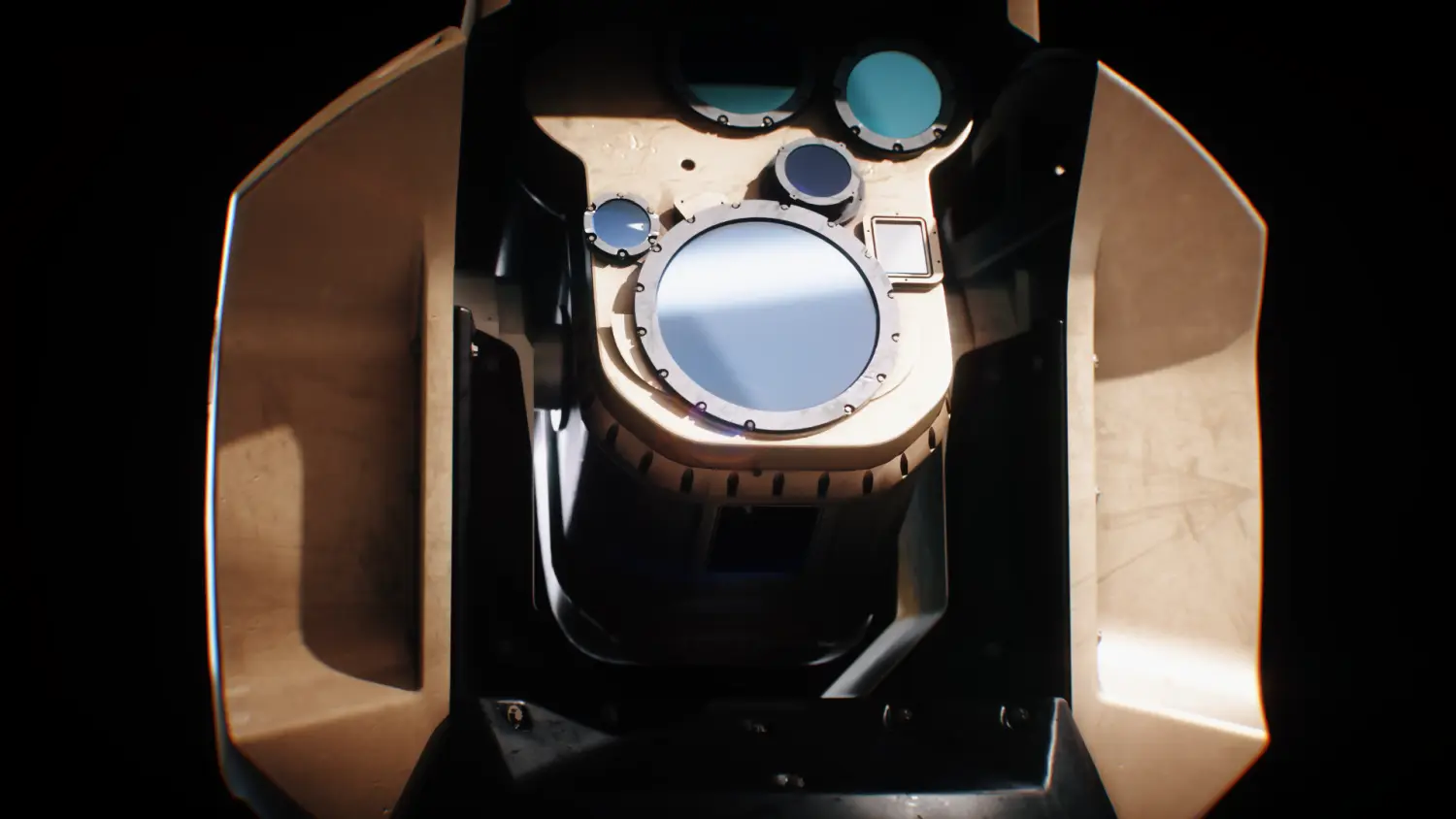
To counter the high costs of interceptors, Israel is rushing to deploy the 'Iron Beam' laser system, which costs just a few hundred rupees per shot. However, it remains to be seen if lasers can effectively neutralise heat-shielded ballistic missiles falling at supersonic speeds.
)
)
)
)
)